Best Home Security Specialists in West Coast
Published 25 February 2025 · Updated 18 August 2026
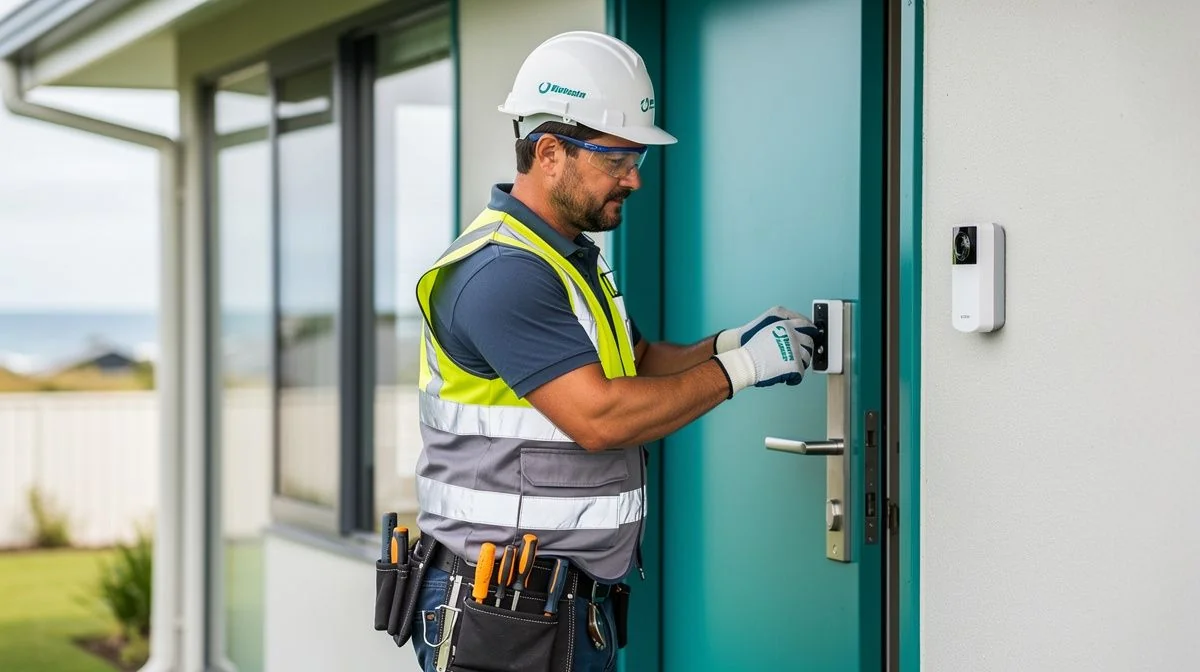
Best Home Security Specialists in West Coast
Living on the West Coast comes with plenty of perks – stunning landscapes, tight-knit communities, and a slower pace of life. But when you live in a region that stretches from Karamea down to Haast, securing your home isn't a one-size-fits-all job. Whether you're in Greymouth, Hokitika, Westport, or somewhere more remote, finding a home security specialist who understands the local terrain, weather, and communication challenges is essential.
Your home is likely one of your biggest investments, and the right security system does more than just deter burglars. It gives you peace of mind when you're away at work, travelling, or simply asleep at night. This guide will help you choose a reliable home security specialist on the West Coast – without the jargon or hard sell.
What to look for when hiring a Home Security Specialist in West Coast
Not every security company is set up to handle the unique conditions of the West Coast. Here’s what you should keep in mind when comparing your options.
Local experience and knowledge
A specialist who works in your area will know about the specific risks – things like coastal corrosion from salt spray, heavy rain that can affect outdoor cameras, and the availability of cellular or landline connections in rural spots. They should be able to recommend equipment that can handle damp conditions and offer reliable monitoring, even if your internet is patchy.
Licensing and certifications
In New Zealand, security installers must hold appropriate licences. Check with your local council or the Ministry of Justice to understand current requirements. Reputable specialists will be happy to show you their credentials. You can also look for members of industry bodies like the New Zealand Security Association (NZSA), as membership often means they follow a code of ethics.
Range of services offered
A good home security specialist will do more than just install an alarm. Look for companies that offer:
- Security alarms (wired and wireless)
- CCTV systems (including options with night vision and weatherproof housings)
- Motion sensor lights
- Smart home integration (remote access via phone apps)
- Monitored or self-monitored alarm systems
- Maintenance and repair services
Responsiveness and after-hours support
Security systems can fail or false alarms can happen at 2am. Find out what kind of support the specialist provides outside business hours. Are they available for emergency callouts? Do they have a local technician or do they rely on a national call centre? On the West Coast, a quick response time can make a real difference.
References and local reputation
Because the region is relatively small, word of mouth matters. Ask the specialist for references from recent West Coast customers. You can also check online reviews, but take them with a grain of salt – a company might have great reviews in Christchurch but no presence here. A local specialist will be able to show you work they've done in similar homes nearby.
Key questions to ask before hiring
Before you sign any contract or pay a deposit, have a conversation with the specialist. Here are the questions that will help you separate a good fit from a company that just wants to sell you a package.
- "What security risks do you see for my home specifically?" – A good specialist will walk your property and point out vulnerabilities – not just push products.
- "Is your monitoring centre New Zealand-based?" – Offshore monitoring can be cheaper, but if you're in a remote area, delays or miscommunication can happen. Local monitoring centres are often better at handling regional conditions.
- "What happens if my power or internet goes out?" – The West Coast is famous for power cuts and stormy weather. Your system should have battery backup and a way to communicate even when the grid is down (e.g., cellular backup).
- "Do you offer a warranty on equipment and installation?" – Coastal environments are tough on electronics. Know what's covered and for how long.
- "Can I self-monitor, or do I have to use your monitoring service?" – Some companies lock you into ongoing contracts. Others give you a choice.
- "What’s your policy on false alarm fines?" – Some councils issue fines for repeated false alarms. Make sure your installer sets up the system properly to minimise nuisance triggers.
Tips for getting the best results
Once you've chosen a home security specialist, a bit of preparation on your side will help the whole process run smoothly.
Do a site walkthrough before quoting
Invite the specialist to your property so they can see entry points, blind spots, and the layout of your section. A quote given over the phone or based on a plan alone might miss important details – especially if you have a unique home like an old miner's cottage or a modern bach with sliding doors.
Think about future needs
If you plan to add a sleepout, install solar panels, or get a dog, factor that in now. Choosing a system that's expandable (wireless sensors and cameras that can be added later) will save you replacing everything down the track.
Ask about integration with existing systems
If you already have smart lights, a garage door opener, or a smart doorbell, see if the new security system can work with them. Good specialists will help you avoid ending up with a handful of separate apps.
Test the system thoroughly
After installation, test the alarms, cameras, and sensors with the technician present. Make sure you understand how to arm and disarm the system, how to change passcodes, and how to contact support if something goes wrong.
Get everything in writing
This includes the scope of work, cost breakdown, warranty details, and any

The ValueHub Team built this site because finding clear, unbiased financial information in New Zealand was harder than it should be. Every guide is based on real research — we compare the actual fees, terms, and fine print so you don't have to. Our tip: shop around every year, read the policy docs, and never assume loyalty gets you the best deal.— The ValueHub Team
Try our Calculators
Use these free tools to crunch the numbers:
KiwiSaver Fund Comparison
Compare fees, returns, and risk levels across every KiwiSaver fund from all 31 NZ providers.
Currency Converter — USD to NZD
Convert US Dollars to New Zealand Dollars instantly. See the latest exchange rate and 30-day trend.
Mortgage Repayment Calculator
Calculate your weekly, fortnightly, or monthly mortgage repayments. Free NZ mortgage calculator — try different rates, terms, and repayment frequencies.
Compound Interest Calculator
See how your savings grow with compound interest over time. Free NZ compound interest calculator with yearly, monthly, and weekly compounding options.
Term Deposit Calculator
Calculate your term deposit returns before you lock in. Compare interest earned across different terms and rates with ValueHub's free calculator.
Savings Goal Calculator
Calculate how long it will take to reach your savings goal — and what monthly deposit you need to get there. Free NZ savings planner.
Home Security Specialists in Other Cities
Latest Guides & Reviews
New Zealand Financial Markets Authority Guide: Investor Protection in NZ
Protect your investments with this practical guide to the FMA — how to check licences, spot scams, and what to do if a provider fails. Verified against...
comparisonEV Home Charger NZ: Costs & Buying Guide
Compare EV home charger costs in NZ — verified prices from $1,299, installation fees, smart features, and what actually matters for your home's power supply.
guideThe Most Popular EVs in New Zealand
The best-selling electric cars in New Zealand, ranked by official registration data. Top BEV and PHEV models and brands, updated monthly.
guideEV Market Stats
New Zealand's EV market in numbers — market share, fleet size, top-selling models and used imports, updated with the latest NZTA and MIA data.