Best Home Security Specialists in Auckland
Published 11 September 2026 · Written by the ValueHub team · Reviewed by Steve Baron
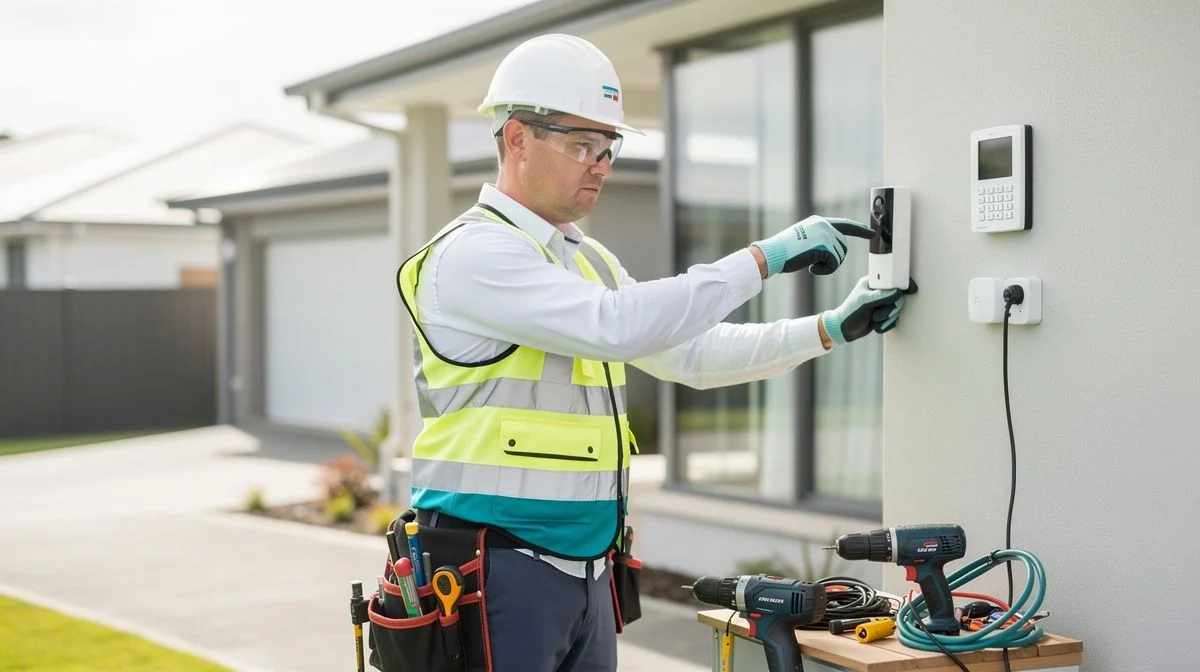
Home Security in Auckland: Where the Risk Actually Sits
Auckland's security problem is not that burglars here are unusually bold. It is that the city packs many homes into a small area, and the housing stock is a patchwork of eras. Terraced rows, cross-lease units and townhouse clusters sit beside streets of old villas. Density cuts both ways: more neighbours to notice a stranger, but also more shared driveways where a stranger looks like they belong.
The property mix matters just as much. Older villas and bungalows often have sash windows and original latch hardware that is straightforward to work. The plaster homes built in the following decades tend to have simpler window fittings again. A sensor plan designed for a modern brick-and-tile build will leave gaps in any of these.
Cost is the other Auckland-specific factor. The city carries the highest labour and materials base in the country, with trades typically quoting 15 to 20 per cent above national rates. Expect the top of any published price band, not the middle.
How We Researched This Guide
We started with the technology and the contract, because that is where the money is decided. We compared published installed prices from New Zealand security firms across self-monitored kits, wired alarms and monitored multi-zone systems. We looked at how subscriptions are structured — what sits in a basic phone-contact plan and what only appears in a higher band.
We then read the standard terms: minimum contract lengths, false-alarm callout charges, keyholding arrangements and whether equipment is rented or owned outright. The figures below are typical ranges, not quotes, because every home needs a different number of sensors.
Our Trusted Home Security Specialists
We feature businesses that demonstrate strong performance, proven experience, and consistently positive customer feedback. Some of the providers listed may have commercial relationships with us, but all are selected based on quality and reliability.
To begin, reach out to them and speak with them directly — this helps you explain your job, ask questions, and confirm whether they're the right fit.
Expert surveillance solutions for homes and businesses in Auckland. We offer installation, maintenance, and after-hours support. Get a free quote today. Auckland’s #1 Choice for CCTV Security Cameras & Surveillance Systems Installation.
The 60-Second Version
If you read only one part of this page, read this.
- A self-monitored alarm starts around $450 installed. A basic professionally installed wired alarm starts around $995.
- A monitored six-zone home system runs roughly $1,180 installed, plus the monthly monitoring fee.
- Professional 24/7 monitoring commonly costs $35–$60 plus GST a month. Basic phone-contact-only plans sit around $15–$25.
- An unmonitored alarm is a loud doorbell. If nobody is home and no neighbour reacts, nothing happens.
- Ask whether monitoring includes patrol dispatch or only a phone call, and whether cellular backup is included.
- Many insurers discount home premiums for a monitored alarm, which offsets part of the monthly cost.
What Home Security Costs in Auckland
Auckland quotes land at the upper end of national ranges, and the gap widens on anything needing a site visit. The installed price is only half the story — the monitoring subscription keeps running every month afterwards.
| System or service | Typical cost |
|---|---|
| Self-monitored alarm | From about $450 installed |
| Basic professionally installed wired alarm | From about $995 |
| Monitored six-zone home system | Around $1,180 installed, plus monitoring |
| Alarm with four outdoor cameras and smart access | Roughly $2,500–$5,000 |
| Full smart security with intercom and monitoring | $6,000–$15,000 |
| Commercial multi-zone system | From about $2,450 |
| Basic phone-contact monitoring | About $15–$25 plus GST per month |
| Mid-range monitoring with police dispatch | About $25–$35 plus GST per month |
| Premium monitoring with priority dispatch | About $35–$50 plus GST per month |
| Professional 24/7 monitoring, common band | About $35–$60 plus GST per month |
Installed prices and monitoring ranges gathered from published New Zealand security provider pricing as at September. Final quotes depend on sensor count, cabling, access to the property and whether GST is included.
What Monitoring Actually Buys You
This is the most important point on the page. An unmonitored burglar alarm does one thing: it makes noise. If you are at work and your neighbour is out, that noise annoys the street and achieves nothing else. Nobody is dispatched. Nobody calls you. The alarm resets, and the burglary carries on.
Monitoring turns noise into a response. The panel sends a signal to a monitoring centre, a person sees it, and something happens next — a call to you, a call to a nominated contact, or a patrol being sent. The monthly fee covers that signal path and the person at the other end.
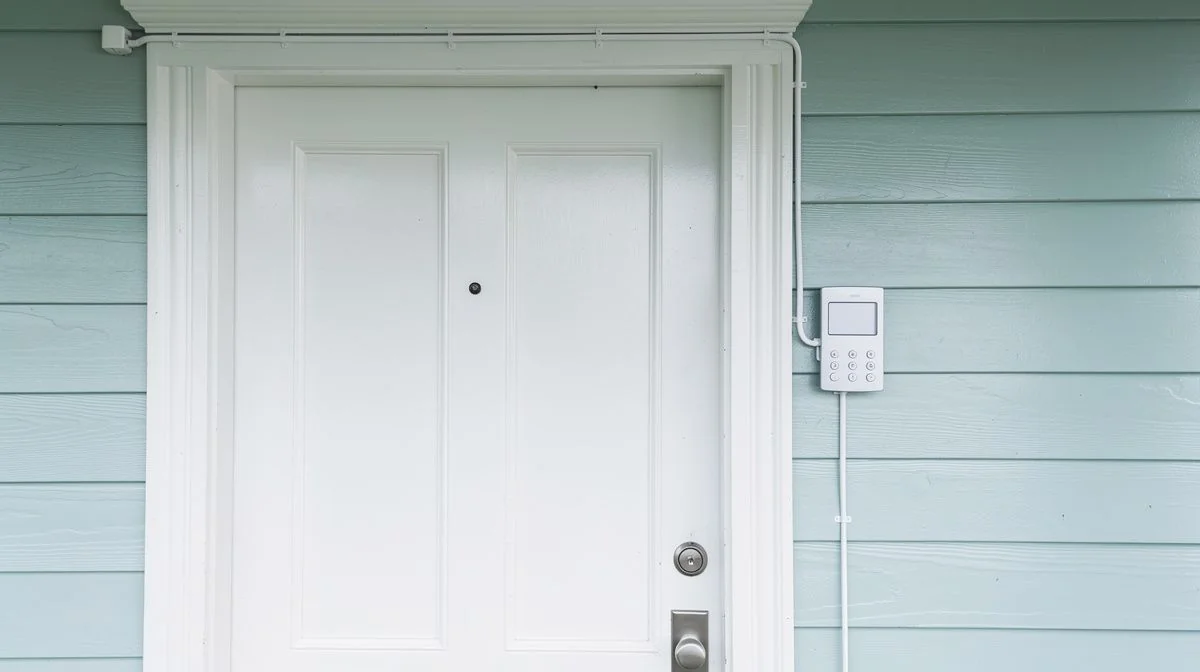
The catch is that "monitoring" covers a wide range of services. At the cheap end you get a phone call and very little more. At the top end you get patrol dispatch, priority handling and a documented response. Ask which one you are buying before you sign anything.
Auckland Factors That Change Your Security Plan
Density and Shared Access
In the denser suburbs, offenders work quickly and quietly because they can. Shared driveways, common lobbies and rear accessways give them a reason to be on the property. The counter is lighting and line of sight — sensors and cameras covering the shared entry as well as your own front door.
Older Housing Stock Has Different Weak Points
Villas and bungalows often have sash windows, single panes and original latches. Those open quietly and are hard to secure without reinforcement. Many need contact sensors on every ground-floor window rather than a single motion detector in the hallway.
The Cost Base Pushes Quotes Up
With trades running 15 to 20 per cent above national rates, Auckland installations cost more for the same equipment. Get two or three quotes and compare the equipment list, not just the total. A cheaper quote usually means fewer sensors, not a better deal.
Humidity and Coastal Salt
Humid summers, coastal salt spray and strong UV shorten the life of outdoor cameras, sirens and sensors. If you are near the harbour or the West Coast beaches, ask whether the quoted outdoor hardware is rated for coastal conditions.
How to Choose a Home Security Specialist in Auckland
Start with what you actually need protected. Walk your own property and list the ways in: front door, back door, ground-floor windows, garage, and any side gate. Then ask each company to design to that list rather than to a package on a brochure.
Ask who installs the system. Some companies sell and subcontract the work, while others use their own technicians. The name on the invoice and the person on the ladder are not always the same business, and that matters when something fails.
Warning Signs to Take Seriously
- A quote with no equipment list. If you cannot see how many sensors, which type and where, you cannot compare it with anything.
- Monitoring described only as "24/7". That says nothing about dispatch, keyholding or what happens at two in the morning.
- No mention of cellular backup. Burglars cut phone lines. A plan that depends on the landline may be dead when you need it.
- Long minimum terms buried in the paperwork. Read the term and the exit conditions before you sign.
Questions You Might Have
Do I really need monitoring, or is the alarm enough?
If someone is almost always home and your neighbours are reliable, an unmonitored alarm has some deterrent value. If the house is empty during the day, monitoring is what produces a response. Without it, you have bought a siren.
Does monitoring include a patrol, or just a phone call?
Usually just a phone call unless you ask. Patrol dispatch is often a higher band or an extra. Confirm in writing who is sent, how quickly, and whether there is a charge when a callout turns out to be nothing.
What happens if the phone line is cut?
That is what cellular backup is for. The panel uses a mobile network instead of the landline, so the signal still reaches the monitoring centre. Ask whether the SIM and its data are included in the monthly fee or billed separately.
What are keyholding and false-alarm fees?
Keyholding means the company holds a key or code so it can attend and reset the system. Some providers charge for it. False-alarm callout fees apply when a patrol is sent and there is no emergency, often after a set number of false alarms within a period.
Do I own the hardware at the end?
It depends on the deal. Some contracts rent the equipment for the life of the agreement, so you keep paying and never own it. Others sell the hardware outright and charge only for monitoring. Get the answer in writing before you sign.
Insurance, Contracts and Ownership
Many home insurers discount premiums where a monitored alarm is installed, because it reduces the chance of a claim. The reduction varies by insurer and policy, so ask your provider directly rather than assuming. Even a modest discount softens the monthly fee.
Two contract details deserve more attention than the headline price: the minimum term, often 12, 24, or 36 months, and the notice period for leaving. A cheap monthly fee on a long lock-in is not cheap if the service disappoints in month two.
Ask, too, whether the agreement renews automatically, and how much notice you must give to leave. Those two answers prevent most disputes that reach this stage.
What Matters Most
Auckland homes are expensive, and parts of the housing stock are old, which is what makes a monitored alarm worth its monthly cost. The hardware matters less than the response behind it. A modest system with genuine monitoring beats an expensive camera array that nobody watches.
Budget for the subscription, not just the install. Ask what monitoring includes, confirm the cellular backup, understand the term, and check whether you own the equipment at the end. Those four answers tell you more than any brochure.
You can compare local providers and see how the trade fits together on our home security specialists hub.

The ValueHub Team built this site because finding clear, unbiased financial information in New Zealand was harder than it should be. Every guide is based on real research — we compare the actual fees, terms, and fine print so you don't have to. Our tip: shop around every year, read the policy docs, and never assume loyalty gets you the best deal.— The ValueHub Team
More Home Security Specialists in Auckland
These businesses also operate in this area.
We are Auckland's leading Alarm Installation and Alarm Monitoring company. We provide security solutions for all your Business & Residential needs. We provide highest level of quality security services by protecting and securing the interests of your loved ones. Protect the ones you love with Kiwi Security with advance home Alarm Monitoring.
Protect your business with advanced commercial security systems by DankoSec in Auckland. Get tailored solutions & expert installation—enquire today. Delivering excellence, every time Using the latest technological innovations and engineering excellence, DankoSec provides total security solutions.
Try our Calculators
Use these free tools to crunch the numbers:
KiwiSaver Fund Comparison
Compare fees, returns, and risk levels across every KiwiSaver fund — the most up to date data in New Zealand.
Currency Converter — USD to NZD
Convert US Dollars to New Zealand Dollars instantly. See the latest exchange rate and 30-day trend.
Mortgage Repayment Calculator
Calculate your weekly, fortnightly, or monthly mortgage repayments. Free NZ mortgage calculator — try different rates, terms, and repayment frequencies.
Compound Interest Calculator
See how your savings grow with compound interest over time. Free NZ compound interest calculator with yearly, monthly, and weekly compounding options.
Term Deposit Calculator
Calculate your term deposit returns before you lock in. Compare interest earned across different terms and rates with ValueHub's free calculator.
Savings Goal Calculator
Calculate how long it will take to reach your savings goal — and what monthly deposit you need to get there. Free NZ savings planner.
Home Security Specialists in Other Cities
Latest Guides & Reviews
Kōura KiwiSaver Scheme Review
Kōura KiwiSaver review: 13 open funds, fund charges from 0.63 to 1.10 per cent, and net returns to 30 June 2026.
reviewMaritime KiwiSaver Scheme Review
Maritime KiwiSaver review: 3 open funds, fund charges from 0.61 to 0.76 per cent, and net returns to 31 March 2026.
reviewMAS KiwiSaver Scheme Review
MAS KiwiSaver review: 7 open funds, fund charges from 0.25 to 0.98 per cent, and net returns to 30 June 2026.
reviewArotahi KiwiSaver Scheme Review
Arotahi KiwiSaver review: 1 open fund, a 0.77 per cent fund charge, and net returns to 31 March 2026. What the Government register shows you pay and get back.