Best House Painters in Feilding
Published 27 February 2025 · Updated 18 August 2026
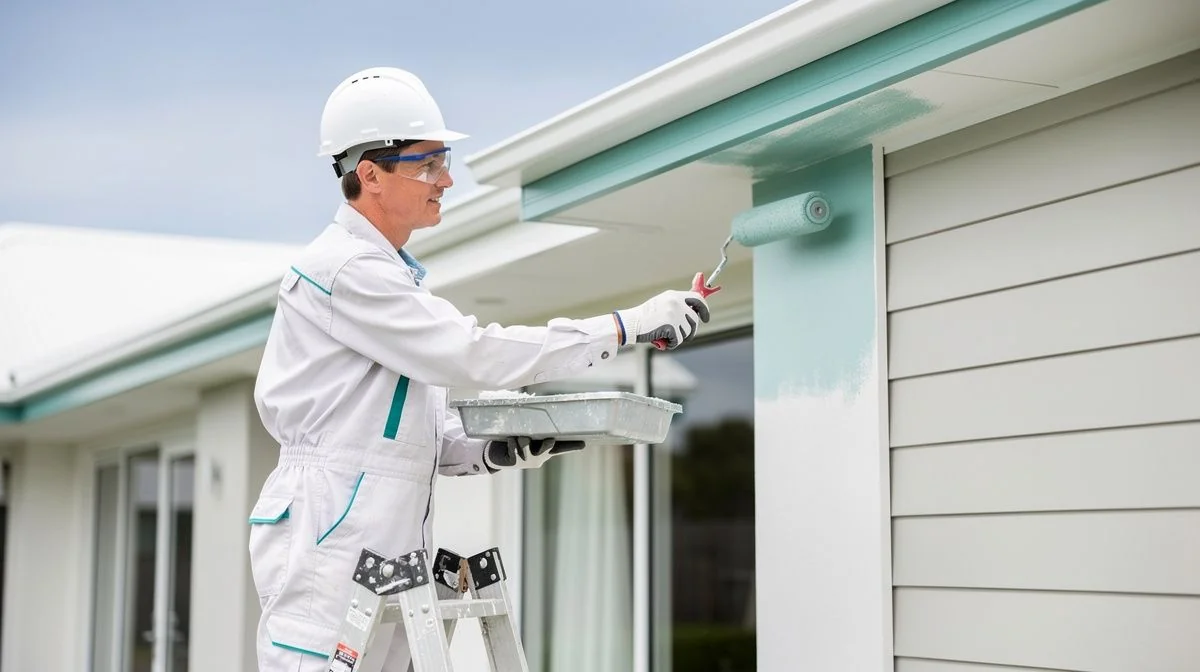
Best House Painters in Feilding
Finding a reliable house painter in Feilding can feel like a bit of a mission. With so many tradies offering their services, it pays to do your homework. Whether you’re freshening up a villa on Manchester Street or giving a new build on the outskirts a weathertight coat, you want someone who knows their stuff.
Feilding’s weather – those crisp frosts and windy spring days – means exterior paint takes a hammering. And inside, high-traffic areas like hallways and living rooms need a finish that lasts. The right painter will understand local conditions and use materials suited to our climate.
This guide covers what to look for when hiring a house painter in Feilding, questions to ask, tips for a great result, and how to handle quotes and costs. No fluff – just practical advice to help you choose a pro you can trust.
What to look for when hiring a House Painter in Feilding
Not every painter with a brush and a ladder is a professional. Here are the key things to check before you commit.
Licensing and qualifications
In New Zealand, painters don’t need a specific licence to work on houses. But that doesn’t mean you should skip checking their credentials. Many reputable painters carry a trade qualification like the National Certificate in Painting (Level 4) or are members of industry bodies such as the New Zealand Master Painters Association.
For exterior work, especially on older homes, ask if they hold a Licensed Building Practitioner (LBP) qualification. While not always required, it shows a higher level of skill and accountability. Check with your local council – the Manawatū District Council – for any specific requirements around painting commercial or multi-unit properties.
Insurance cover
A decent painter will have public liability insurance (usually at least $1 million cover) and, if they employ others, ACC cover for their workers. Always ask for a copy of their insurance certificate. This protects you if something gets damaged or someone gets hurt on your property.
Experience with local conditions
Feilding’s got its own microclimate. Frost, wind, and occasional humidity all affect adhesion and drying times. An experienced local painter will know which primers and paints stand up to our conditions. They’ll also schedule work around the weather – not just book in whenever suits them.
References and past work
Ask for references from recent jobs, preferably in Feilding or the wider Manawatū. A reputable painter should happily share photos of completed work or even let you swing past and have a look (from the kerb, of course).
Detailed written quotes
A proper quote breaks down labour, materials, number of coats, surface preparation, and any extras like sealing or lead paint removal. Vague quotes often lead to unexpected costs. More on that later.
Key questions to ask before hiring
Don’t be shy – ask these questions before you sign anything.
- What’s included in your quote? – Make sure it covers preparation, paint, primers, and cleanup. Some quotes exclude prep work, which can blow out the final bill.
- How many coats do you apply? – Two coats of top-quality paint are standard. Cheap quotes often skimp on coats or use lower-grade paint.
- What brand of paint do you use? – Reputable painters stick with proven brands like Resene, Dulux, or Taubmans. Ask why they choose a particular brand for your job.
- Will you move furniture and cover floors? – Most professionals do, but it’s worth confirming. You don’t want paint splatters on your grandmother’s Persian rug.
- Do you have insurance and references? – As above, always ask for proof.
- How will you handle weather delays? – Exterior painting in Feilding often gets delayed by rain or high winds. A good painter will have a flexible schedule and communicate clearly.
- What’s your payment schedule? – Avoid paying the full amount upfront. A deposit of 10–20% is normal, with the balance on completion.
Tips for getting the best results
Your painter does the hard work, but you can help things go smoothly.
Prepare the surfaces yourself (if you’re handy)
Washing walls, removing flaky paint, and patching small holes can save you money. But be honest about your skills – if you mess up prep, the paint won’t stick properly.
Choose the right finish for each area
Gloss or semi-gloss for trim and doors; low-sheen or flat for walls. In high-moisture areas like bathrooms and kitchens, a slightly glossier finish holds up better.
Time your project right
Exterior painting is best done in late spring or early autumn when temperatures are moderate and rain is less frequent. Summer can be too hot – paint dries too fast and may blister. Winter's frost and damp are risky.
Let the painter do their thing
Once the job starts, try not to interfere. Constant requests to change colours or add extra coats mid-job can lead to confusion and delays. Decide everything before they start.
Inspect the finished work before paying
Walk around with the painter before you hand over the final payment. Check for missed spots, drips, and uneven coverage. Most pros will fix small issues on the spot.
A note about costs and getting quotes
House painting costs in Feilding vary depending on the size of your house, the number of storeys, the condition of existing paintwork, and the quality of materials. As a rough guide, you might expect to pay between $40 and $70 per hour for a painter, or between $5,000 and $15,000 for a full exterior re-paint of a typical three-bedroom home.
But these are just patterns – actual prices change with supply and demand. The best way to get a realistic idea is to get at least three written quotes from different painters. Compare not just the total but what’s included.
What’s usually in a quote:
- Labour and supervision
- Paint and other materials (primers, sealers, caulking)
- Surface preparation – sanding, scraping, washing
- Two coats of paint (unless otherwise stated)
- Cleanup and disposal of rubbish
What may cost extra:
- Repairing rotten wood or damaged plaster
- Removing lead-based paint (if your house was built before 1970)
- Painting ceilings or special features like textured walls
- Working at height (scaffolding hire for two-storey homes)
Always ask for these extras to be itemised in the quote so there’s no surprise later.
Also ask about a warranty. Many professional painters offer a 5–7 year warranty on exterior work and up to 2 years on interiors. This covers peeling, blistering, or fading – not damage from neglect or extreme weather.
Finally, trust your gut. If a quote seems too cheap, it probably is. And if a painter can’t be bothered to answer your questions or provide references,

The ValueHub Team built this site because finding clear, unbiased financial information in New Zealand was harder than it should be. Every guide is based on real research — we compare the actual fees, terms, and fine print so you don't have to. Our tip: shop around every year, read the policy docs, and never assume loyalty gets you the best deal.— The ValueHub Team
Try our Calculators
Use these free tools to crunch the numbers:
KiwiSaver Fund Comparison
Compare fees, returns, and risk levels across every KiwiSaver fund from all 31 NZ providers.
Currency Converter — USD to NZD
Convert US Dollars to New Zealand Dollars instantly. See the latest exchange rate and 30-day trend.
Mortgage Repayment Calculator
Calculate your weekly, fortnightly, or monthly mortgage repayments. Free NZ mortgage calculator — try different rates, terms, and repayment frequencies.
Compound Interest Calculator
See how your savings grow with compound interest over time. Free NZ compound interest calculator with yearly, monthly, and weekly compounding options.
Term Deposit Calculator
Calculate your term deposit returns before you lock in. Compare interest earned across different terms and rates with ValueHub's free calculator.
Savings Goal Calculator
Calculate how long it will take to reach your savings goal — and what monthly deposit you need to get there. Free NZ savings planner.
House Painters in Other Cities
Latest Guides & Reviews
New Zealand Financial Markets Authority Guide: Investor Protection in NZ
Protect your investments with this practical guide to the FMA — how to check licences, spot scams, and what to do if a provider fails. Verified against...
comparisonEV Home Charger NZ: Costs & Buying Guide
Compare EV home charger costs in NZ — verified prices from $1,299, installation fees, smart features, and what actually matters for your home's power supply.
guideThe Most Popular EVs in New Zealand
The best-selling electric cars in New Zealand, ranked by official registration data. Top BEV and PHEV models and brands, updated monthly.
guideEV Market Stats
New Zealand's EV market in numbers — market share, fleet size, top-selling models and used imports, updated with the latest NZTA and MIA data.