Best House Painters in Gisborne
Published 27 February 2025 · Updated 30 June 2026
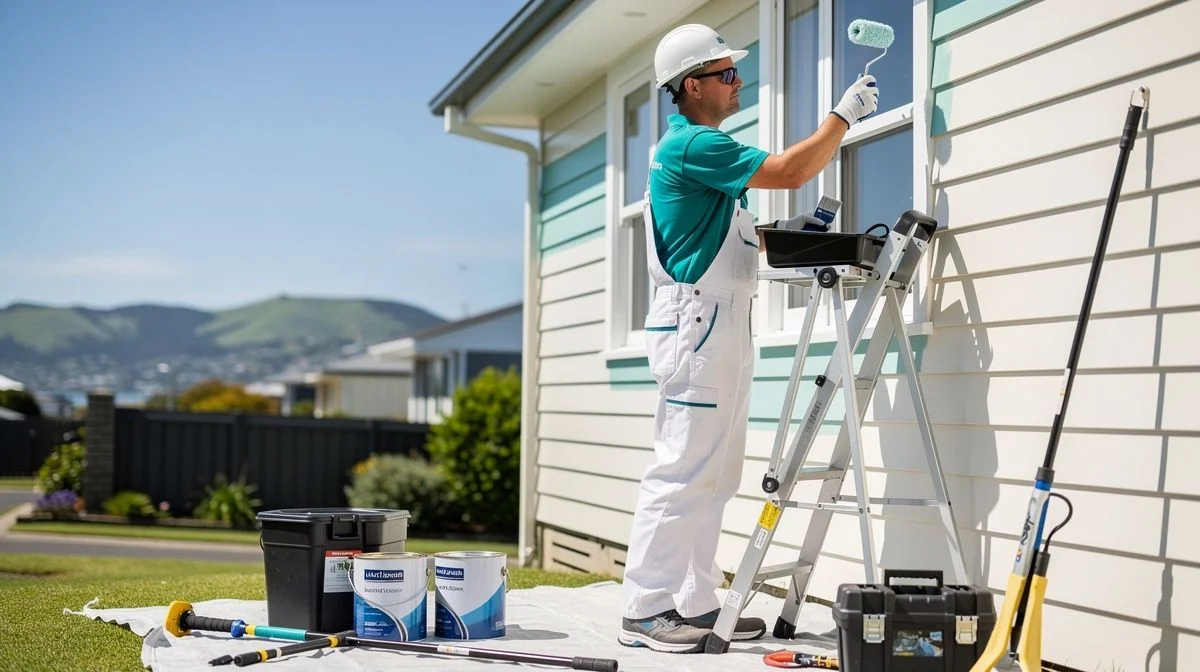
Best House Painters in Gisborne
Finding a reliable house painter in Gisborne can make all the difference to how your home looks and holds up over time. Our local climate — plenty of sunshine, salty sea air, and the occasional downpour — means paint takes a beating. A painter who knows these conditions will help you choose the right products and prepare surfaces properly.
Whether you're freshening up a rental, repainting the family home, or working on a new build, you want someone who turns up on time, does a thorough job, and stands behind their work. This guide walks you through what to look for, questions to ask, and how to get the best results for your Gisborne property.
What to Look for When Hiring a House Painter in Gisborne
Not all painters are created equal. Here are the key things to check before you commit:
- Local experience. Look for a painter who has worked on homes in the Gisborne region. They'll understand how the sun, salt, and humidity affect paint longevity.
- Insurance. Ask for proof of public liability insurance (at least $1 million) and work themself cover. This protects you if something gets damaged or someone is injured on site.
- Guarantees. A reputable painter will offer a warranty on both paint and workmanship. Typical guarantees range from two to five years.
- Preparation standards. Good prep is the secret to a long-lasting finish. Check that they plan to wash, scrape, sand, and prime as needed — not just paint over the old layer.
- Quality paints. Ask what brands they use and why. A painter who recommends a specific brand for coastal conditions shows they're thinking about durability.
- References and reviews. Ask for contact details of recent local jobs. Online reviews on Google or trade community pages can also give you a feel for their reputation.
- Written quotes. Always get a detailed written quote that lists the scope of work, paints to be used, number of coats, and the expected timeline.
In New Zealand, house painters are not required to hold a specific government licence. However, many have trade qualifications through organisations like the New Zealand Institute of Building or the Painting Association of New Zealand. Check with your local council if there are any particular requirements for your area, especially if you live in a heritage zone or a property with special conditions.
Key Questions to Ask Before Hiring
Before you hand over a deposit, put these questions to any painter you're considering:
- Are you fully insured? Can you show me your certificates?
- Do you have references from recent Gisborne jobs? May I see photos of completed work?
- What preparation work will you do? How will you handle lead paint if the house is older?
- What paint brands do you recommend and why? Do you offer a choice?
- How long will the job take? What happens if the weather turns bad?
- Do you provide a written contract? What's included and what's not?
- What is your policy if I'm not satisfied with the finish?
- Who will be on site — you personally or a crew? How are they supervised?
Don't be shy about asking these. A confident, professional painter will answer them clearly and without hesitation.
Tips for Getting the Best Results
A great paint job is a partnership between you and your painter. Here's what you can do to help things go smoothly:
- Choose the right finish. For Gisborne's sunny climate, you'll want paint with good UV resistance. Low-sheen or satin finishes work well for exteriors; for interior walls, a washable matte or eggshell can handle daily wear.
- Prepare properly. Move furniture, take down curtains, and clear the area around walls. The more you do beforehand, the less time the painter spends on prep (and the lower your bill).
- Time the job. Spring and autumn are ideal — not too hot, not too wet. Avoid painting directly in summer sun, which can cause paint to dry too fast and crack.
- Don't rush. Good painting takes time. If a quote seems too quick, ask what they're cutting corners on. Quality prep and drying time between coats are non-negotiable.
- Communicate clearly. Show the painter your expectations — especially if you want a specific colour or finish. A test patch on a discreet area can save headaches later.
- Get three quotes. Comparing quotes helps you spot unusually low or high prices. A low quote might mean poor materials or rushed work; a high one should come with a clear explanation of extra value.
- Ask about warranty. A written warranty from the painter gives you peace of mind. Make sure you know what it covers and for how long.
A Note About Costs and Getting Quotes
Painting costs vary a lot depending on the size of your house, its condition, the number of coats, paint quality, and whether scaffolding or specialist equipment is needed.

The ValueHub Team built this site because finding clear, unbiased financial information in New Zealand was harder than it should be. Every guide is based on real research — we compare the actual fees, terms, and fine print so you don't have to. Our tip: shop around every year, read the policy docs, and never assume loyalty gets you the best deal.— The ValueHub Team
Try our Calculators
Use these free tools to crunch the numbers:
PAYE Calculator
Calculate your take-home pay after PAYE tax, ACC, KiwiSaver, and student loan deductions.
Compound Interest Calculator
See how your savings grow with compound interest over time. Free NZ compound interest calculator with yearly, monthly, and weekly compounding options.
Mortgage Repayment Calculator
Calculate your weekly, fortnightly, or monthly mortgage repayments. Free NZ mortgage calculator — try different rates, terms, and repayment frequencies.
Term Deposit Calculator
Calculate your term deposit returns before you lock in. Compare interest earned across different terms and rates with ValueHub's free calculator.
Savings Goal Calculator
Calculate how long it will take to reach your savings goal — and what monthly deposit you need to get there. Free NZ savings planner.
Credit Card Repayment Calculator
See how long it really takes to pay off your credit card — and how much interest you could save by paying more each month. Free NZ calculator.
House Painters in Other Cities
Best House Painters in Auckland
Best House Painters in Wellington
Best House Painters in Christchurch
Best House Painters in Hamilton
Best House Painters in Tauranga
Best House Painters in Dunedin
Latest Guides & Reviews
US Dollar to NZD: A Practical Guide for Kiwis
Compare the true cost of buying USD in NZ. We reveal the fees, margins, and hidden charges banks, Wise, and airport desks add to every US dollar transfer.
reviewUnderstanding NZ Council Rates
Follow a single rates dollar from your bank account to see where it really goes and how councils set your bill.
comparisonBest Gold and Platinum Credit Cards in New Zealand
Best gold and platinum credit cards in NZ compared: when a $150 annual fee pays for itself through travel insurance and perks.
guideBest Investment Managers in New Zealand
Compare Fisher Funds, Milford, and Pie Funds in this practical guide to vetting NZ investment managers before you trust them with your money.