Best House Painters in Hamilton
Published 24 August 2026
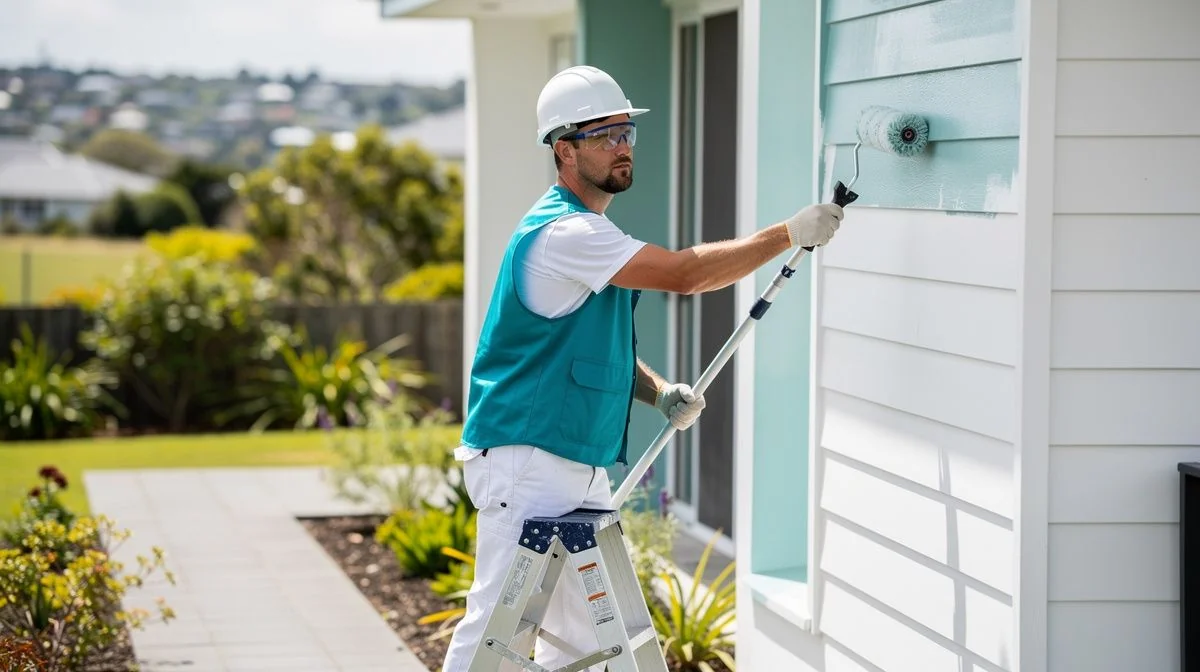
Why a Good House Painter Matters in Hamilton
Hamilton's housing is two different jobs wearing the same name. Out in Rototuna and Flagstaff, the new subdivisions are full of modern cladding that needs almost no prep before paint. Back in Frankton, Hamilton East and Dinsdale, the older weatherboards need real scraping, filling and priming before anything goes on. The same painter quoting both is quoting two very different jobs — and the good ones know which one you have before they price it.
The city's growth adds a third lane: new-build painting, where fresh gib and cladding have to be sealed and primed correctly or the paint peels down the track. That runs to a builder's schedule and is its own skill, distinct from repainting an old home.
A standard three-bedroom exterior repaint in Hamilton typically costs $7,500 to $12,000. Painting carries no government register, so the difference between a job that lasts seven to ten years and one that fails in three comes down entirely to preparation — and who you choose to do it.
How We Researched This Guide
We read what the Master Painters Association and the Painting and Decorating Association require of members and checked how lead-based paint in older homes is meant to be handled. On pricing, we compiled what Hamilton and Waikato painters publish on their own sites, alongside current cost guides. Anything we couldn't back with a source, we left out.
The Quick Summary (60-Second Version)
The essentials, quickly:
- Typical cost: a standard Hamilton exterior repaint runs $7,500–$12,000; interior $6,500–$11,000.
- How long: an exterior repaint takes one to two weeks, weather permitting.
- Best value for most homes: a painter who does proper preparation, even at a slightly higher price.
- What to check: Master Painters or PDANZ membership and public liability insurance.
- The biggest factor: surface preparation — it decides whether the job lasts three years or ten.
- The mistake to avoid: painting over peeling paint, or treating an old weatherboard like a new build.
House Painter Licensing & Regulation — What Actually Matters
There is no licence for painters in New Zealand. Painting is not restricted building work, so it does not fall under the Licensed Building Practitioners scheme, and there is no separate government register. A painter does not need a qualification to trade, and you do not need council involvement for a straightforward repaint.
What exists instead are two voluntary associations. The Master Painters Association has around 600 members nationally, and the Painting and Decorating Association of New Zealand is a similar body. Membership in either signals that a painter has signed up to industry standards and ongoing professionalism — but it is voluntary, not a legal requirement, and not a regulatory requirement.
That means the checks are on you. There are three worth doing. First, confirm the painter holds current public liability insurance. Second, ask for references from the last three jobs and actually call one of them. Third, check their reviews on independent platforms, and confirm the business is real and in good standing.
One thing that matters more than people realise is lead paint. Homes built before 1980 often still contain lead-based paint, and disturbing it without proper containment poses a health and safety risk. A good painter knows this and manages it properly; ask about it if your home is older.
Hamilton Pricing — What You Can Expect to Pay
Hamilton painting runs about ten to fifteen per cent below the national average, helped by lower overheads and a competitive local market. Painters charge roughly $43 to $68 an hour, or quote per job.
| Job | Typical cost |
|---|---|
| Exterior repaint, standard three-bedroom home | $7,500–$12,000 |
| Interior repaint, three-bedroom home | $6,500–$11,000 |
| Full interior plus exterior | $13,000–$18,000 |
| Exterior weatherboard (per m²) | $33–$65 |
| Interior (per m²) | $24–$48 |
| Scaffolding (two-storey, where required) | $1,500–$4,000 |
Price ranges verified from multiple Hamilton painting cost guides as of August 2026. Final quotes depend on home size, surface condition, cladding type, access, and paint specification.
The single biggest driver is preparation. Newer homes in Rototuna and Flagstaff have modern cladding that needs minimal prep, so they sit at the lower end. Older weatherboard homes in Frankton or Hamilton East need real scraping, filling and priming, and they sit at the top.
New-build painting is a different animal again. Fresh gib soaks up paint unevenly if it is not sealed first, and new cladding needs the right primer to stop peeling down the track. A painter who works new builds slots into the construction timeline and gets the prep right on fresh surfaces — and that is a distinct skill from repainting an old home.
Most painters quote a fixed price including paint, and paint should always be included. Ask whether the quote is GST-inclusive, and make sure it names the paint brand, the number of coats, and exactly what preparation is included. A cheap quote that omits stripping is not a bargain — it is a future problem.
How to Choose a Painter — What Actually Matters
Check the non-negotiable basics first: public liability insurance, a real registered business, and a few recent references. In a trade with no licence, these three checks are the whole safety net, so do not skip them.
Ask how they prepare the surface. The answer tells you everything. A good painter talks about washing, sanding, filling, priming and treating any timber damage before they mention paint. A painter who jumps straight to "two coats of topcoat" is about to paint over problems that will resurface.
Ask about experience with both old and new homes. Hamilton's market is split between new subdivisions and established suburbs, and the work differs. A painter who only does new builds is not the right person for an old weatherboard in Frankton that needs full stripping.
Ask about lead if your home is older. Pre-1980 homes often contain lead-based paint, and it requires proper containment when stripped. A painter who has a clear answer on this is someone who knows their job.
Walk away if you hear any of this:
- No public liability insurance. In an unlicensed trade, this is your only real protection.
- A quote that skips preparation entirely. That is the fast, cheap path to peeling paint in two years.
- No mention of stripping when your paint is visibly bubbling. Painting over it is throwing money away.
- Can't name the paint brand or number of coats. A real painter specifies both in the quote.
- No references you can actually contact. A track record is easy to show if it exists.

What to Expect When You Hire a Painter
Expect a site visit before the quote, not just a number over the phone. A good painter walks the property, checks the condition of every surface, and explains what preparation is actually needed. That assessment is what makes the quote reliable.
Before the job starts, the painter should confirm the scope, the timeline, and what you need to move or protect. Hamilton's mild climate makes year-round work practical, a genuine advantage over colder cities — but exterior work still requires dry weather.
How long common jobs roughly take:
- Interior repaint, standard home: one to two weeks.
- Exterior repaint, single-storey home: one to two weeks.
- Exterior repaint, two-storey home: two to three weeks with scaffolding.
- Full strip and repaint of failing weatherboards: two to four weeks.
At the end, do a walk-around with the painter and check the edges — around windows, doors and trims — because that is where sloppy work shows first. A good painter leaves the site clean and hands over any leftover paint and a note of the exact colours used, so you can touch up later without guessing.
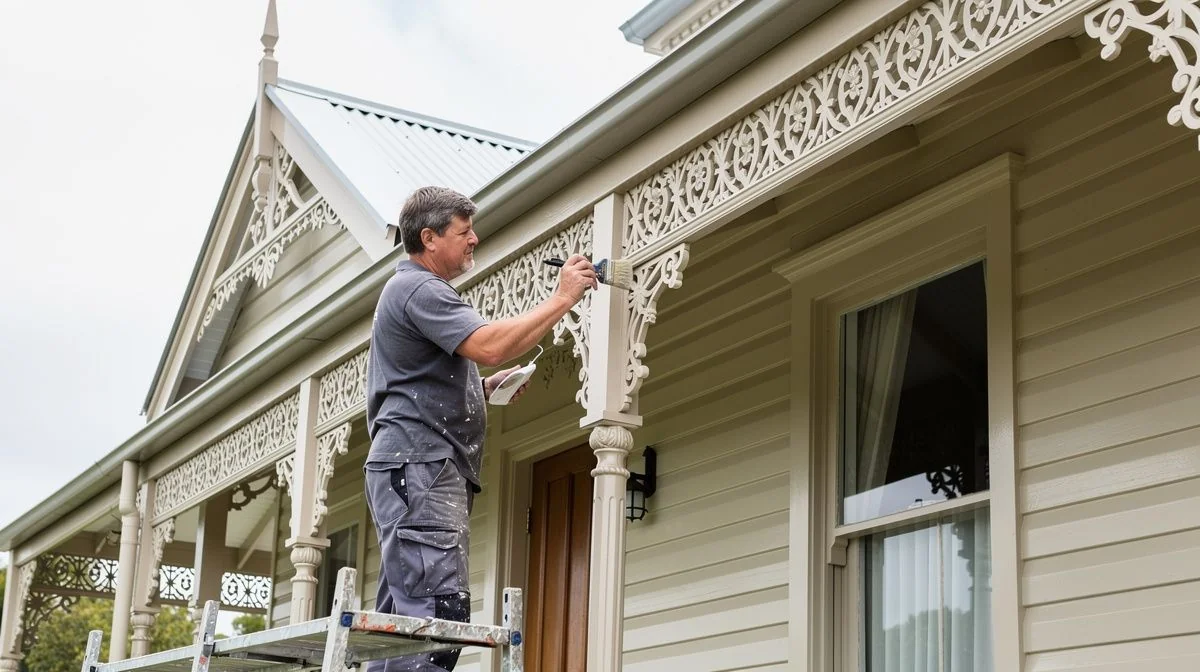
Hamilton-Specific Risks & Local Factors
Painting in Hamilton is shaped by the city's growth and its mix of new and old housing. These are the factors a local painter should recognise immediately.
The new-build market
Hamilton's new subdivisions are growing fast, and a large share of local painting is new-build work. Fresh gib needs sealing before paint, and new cladding needs the right primer to stop peeling down the track. A painter who works new builds slots into the construction timeline and gets the prep right on fresh surfaces — a distinct skill from repainting an old home.
Older weatherboards in the established suburbs
Frankton, Hamilton East and Dinsdale have a large stock of older weatherboard homes that need real preparation — scraping, sanding, filling and priming — before anything goes on. A painter who knows these homes quotes the prep honestly, rather than under-quoting and hitting you with extras once the peeling paint is exposed.
The university rental churn
Hillcrest and Hamilton East mix character homes with university-area rentals, where end-of-tenancy repaints are in regular demand. These are usually interior jobs, done quickly and to a durable, low-maintenance standard. A painter who works the rental market knows how to deliver a fast, hard-wearing finish that survives tenant turnover.
Lead paint on older homes.
Homes built before 1980 often still contain lead-based paint, and disturbing it without proper containment poses a health and safety risk. Where it is failing, it needs to be stripped in accordance with WorkSafe guidelines. A painter who waves this away is not someone you want disturbing your old weatherboards.
Questions You Might Have
Do I need a building consent to paint my house?
No. Painting is not restricted building work, so a straightforward repaint does not need a building consent or a licensed practitioner. The work still has to be done properly, but there is no council process involved. The exception would be if the painting is part of a larger renovation that requires consent in its own right.
How long should a paint job last in Hamilton?
On a well-maintained weatherboard home with a premium system, expect seven to ten years. Hamilton's mild climate is kinder than coastal or alpine regions, but the Waikato sun still fades coatings over time. Watch the exposed faces for dulling or flaking — that is your cue to act, not a calendar date.
Can I paint my own house to save money?
Legally yes, and on the interior it is a common DIY job. Exterior weatherboards are harder — the preparation, the heights and the risk of getting the coating wrong are where professionals earn their fee. A botched DIY exterior job usually costs more to fix than a professional quote would.
Is new-build painting different from a repaint?
Yes, and it matters. New-build painting starts from bare gib and fresh cladding, which needs sealing and priming before topcoats. It runs to the builder's schedule and requires close coordination with other trades. It is a distinct skill from repainting an existing home, and a painter who does one may not be the best fit for the other.
Should I supply the paint myself?
Generally no. Painters use trade ranges and buy at rates you cannot match, and a good painter wants control over the product so they can stand behind the result. If you do supply paint, make sure it is the exact product the painter specified, and understand the warranty sits differently when the materials are yours.
What Matters Most
In Hamilton, the painter's biggest skill is knowing which home they are looking at — a new build that needs a light touch, or an old weatherboard that needs real scraping and priming. The prep underneath determines whether the paint lasts.
Check the insurance and references, insist on proper preparation, and pick a painter who works both old and new homes. It is the difference between repainting once and repainting every few years.

The ValueHub Team built this site because finding clear, unbiased financial information in New Zealand was harder than it should be. Every guide is based on real research — we compare the actual fees, terms, and fine print so you don't have to. Our tip: shop around every year, read the policy docs, and never assume loyalty gets you the best deal.— The ValueHub Team
Try our Calculators
Use these free tools to crunch the numbers:
KiwiSaver Fund Comparison
Compare fees, returns, and risk levels across every KiwiSaver fund from all 31 NZ providers.
Currency Converter — USD to NZD
Convert US Dollars to New Zealand Dollars instantly. See the latest exchange rate and 30-day trend.
Mortgage Repayment Calculator
Calculate your weekly, fortnightly, or monthly mortgage repayments. Free NZ mortgage calculator — try different rates, terms, and repayment frequencies.
Compound Interest Calculator
See how your savings grow with compound interest over time. Free NZ compound interest calculator with yearly, monthly, and weekly compounding options.
Term Deposit Calculator
Calculate your term deposit returns before you lock in. Compare interest earned across different terms and rates with ValueHub's free calculator.
Savings Goal Calculator
Calculate how long it will take to reach your savings goal — and what monthly deposit you need to get there. Free NZ savings planner.
House Painters in Other Cities
Latest Guides & Reviews
New Zealand Financial Markets Authority Guide: Investor Protection in NZ
Protect your investments with this practical guide to the FMA — how to check licences, spot scams, and what to do if a provider fails. Verified against...
comparisonEV Home Charger NZ: Costs & Buying Guide
Compare EV home charger costs in NZ — verified prices from $1,299, installation fees, smart features, and what actually matters for your home's power supply.
guideThe Most Popular EVs in New Zealand
The best-selling electric cars in New Zealand, ranked by official registration data. Top BEV and PHEV models and brands, updated monthly.
guideEV Market Stats
New Zealand's EV market in numbers — market share, fleet size, top-selling models and used imports, updated with the latest NZTA and MIA data.