Best Interior Designers in Blenheim
Published 04 March 2025 · Updated 18 August 2026
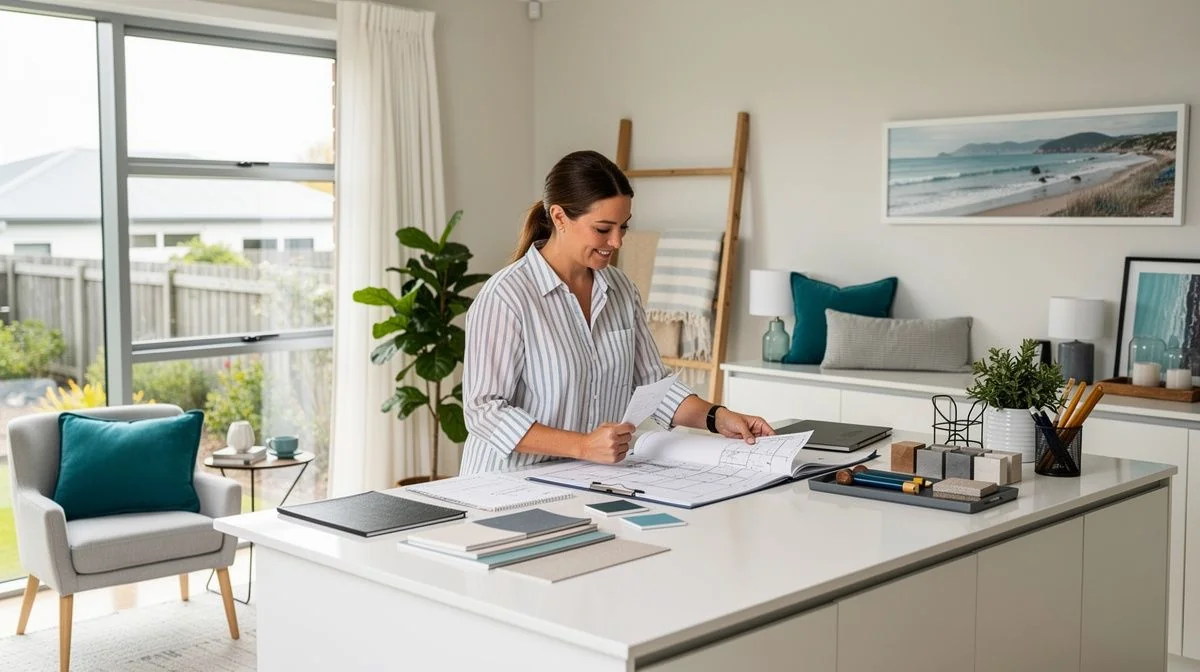
Thinking about refreshing your home or commercial space in Blenheim? Whether you’re in a classic villa, a modern townhouse in the centre, or a lifestyle block on the outskirts, the right interior designer can turn your vision into a cohesive, beautiful reality. Blenheim is lucky to have a vibrant design community, with many professionals who understand the unique light, landscape, and local aesthetic of the Marlborough region.
Choosing an interior designer isn’t just about finding someone with a good eye – it’s about finding the right fit for your project, your budget, and your personality. This guide will help you navigate the process, ask the right questions, and get the best results for your Blenheim home or business.
What to look for when hiring an interior designer in Blenheim
Every designer brings a different approach. Some specialise in residential renovations, others in commercial fit‑outs. Some focus on sustainable materials, while others lean into luxury. Here are the key things to look for when comparing candidates.
- Relevant experience and portfolio. Does their style match what you’re after? Look for completed projects in Blenheim or Marlborough – they’ll understand local suppliers, tradies, and council requirements.
- Local knowledge. A designer who knows the region can recommend tradespeople, source materials from local businesses, and suggest colours that work with our natural light (which can be bright and warm here).
- Clear communication. Interior design involves many decisions. You need someone who listens, explains their reasoning, and keeps you updated without jargon overload.
- Professional affiliations. Membership in a professional body like the New Zealand Institute of Interior Design (NZIID) or the Designers Institute of New Zealand shows a commitment to industry standards.
- Referrals and reviews. Ask for recent client references – and actually follow them up. Word of mouth in Blenheim is powerful.
- Insurance and contracts. Make sure the designer has public liability insurance and provides a written contract outlining scope, fees, timelines, and payment schedule.
Key questions to ask before hiring
Once you’ve shortlisted a few designers, set up a no‑obligation chat – most offer this. Have these questions ready so you can compare apples with apples.
- What’s your design process from start to finish? A good process covers briefing, concept development, design development (with drawings and mood boards), sourcing, project management, and installation.
- How do you handle budgets and sourcing? Do they work within a set budget, or do they quote a “design fee” and then source individually? Ask how they handle suppliers and whether they pass on trade discounts.
- Can you provide a detailed fee proposal? Will it be a fixed fee, an hourly rate, or a percentage of project cost? What’s included (e.g., site visits, specifications, procurement) and what’s extra (e.g., project management, separate consultant fees)?
- Who will I be working with directly? In larger firms, you might deal with a junior designer. Clarify who leads the project and how often you’ll check in.
- Can you give me references from recent Blenheim projects? Local references let you ask about dealing with council, coordinating with local builders, and working within Marlborough’s climate (heat, wind, sunlight).
- What’s your estimated timeline? Interior design can be unpredictable, especially with supply chain delays. Ask for a realistic timeline – and a contingency plan if things run over.
Tips for getting the best results
Interior design is a collaboration. The more you put in upfront, the smoother the process will be. Here’s how to set yourself – and your designer – up for success.
- Get clear on your goals. Before you even call a designer, write down what you want to achieve. Is it more storage, better flow, a specific look (coastal, industrial, mid‑century), or a complete overhaul? Also note your non‑negotiables and your “nice‑to‑haves”.
- Set a realistic budget. Be honest about what you can spend. A good designer will help you prioritise where to invest (e.g., quality joinery vs. statement lighting) and where to save.
- Create a mood board or Pinterest board. Even rough ideas help the designer understand your taste. Share images of spaces you love – not just interiors but also architecture, landscapes, even clothing or art that reflects your style.
- Trust the process (but speak up). Designers have a trained eye. They may push you slightly outside your comfort zone – that’s often where the magic happens. But if something feels wrong, say so early. Small adjustments early are cheaper than major changes after ordering.
- Communicate openly. Tell your designer about your lifestyle: do you have kids, pets, cook a lot?

The ValueHub Team built this site because finding clear, unbiased financial information in New Zealand was harder than it should be. Every guide is based on real research — we compare the actual fees, terms, and fine print so you don't have to. Our tip: shop around every year, read the policy docs, and never assume loyalty gets you the best deal.— The ValueHub Team
Try our Calculators
Use these free tools to crunch the numbers:
KiwiSaver Fund Comparison
Compare fees, returns, and risk levels across every KiwiSaver fund from all 31 NZ providers.
Currency Converter — USD to NZD
Convert US Dollars to New Zealand Dollars instantly. See the latest exchange rate and 30-day trend.
Mortgage Repayment Calculator
Calculate your weekly, fortnightly, or monthly mortgage repayments. Free NZ mortgage calculator — try different rates, terms, and repayment frequencies.
Compound Interest Calculator
See how your savings grow with compound interest over time. Free NZ compound interest calculator with yearly, monthly, and weekly compounding options.
Term Deposit Calculator
Calculate your term deposit returns before you lock in. Compare interest earned across different terms and rates with ValueHub's free calculator.
Savings Goal Calculator
Calculate how long it will take to reach your savings goal — and what monthly deposit you need to get there. Free NZ savings planner.
Interior Designers in Other Cities
Latest Guides & Reviews
New Zealand Financial Markets Authority Guide: Investor Protection in NZ
Protect your investments with this practical guide to the FMA — how to check licences, spot scams, and what to do if a provider fails. Verified against...
comparisonEV Home Charger NZ: Costs & Buying Guide
Compare EV home charger costs in NZ — verified prices from $1,299, installation fees, smart features, and what actually matters for your home's power supply.
guideThe Most Popular EVs in New Zealand
The best-selling electric cars in New Zealand, ranked by official registration data. Top BEV and PHEV models and brands, updated monthly.
guideEV Market Stats
New Zealand's EV market in numbers — market share, fleet size, top-selling models and used imports, updated with the latest NZTA and MIA data.