Best Interior Designers in Feilding
Published 04 March 2025 · Updated 18 August 2026
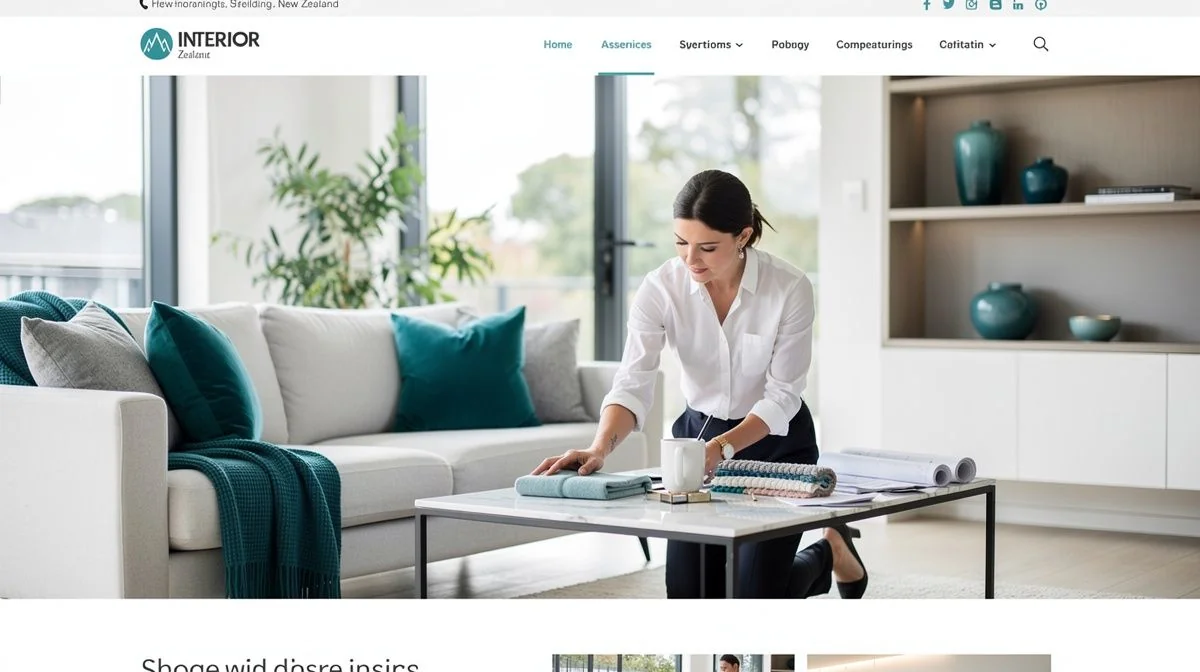
Best Interior Designers in Feilding
Finding the right interior designer for your Feilding home or commercial space can make all the difference. Whether you’re refreshing a character villa on Manchester Street, updating a modern build near the town square, or designing a new office, a skilled designer can turn your vision into a space that works for you.
Feilding has a growing number of talented interior designers who understand the local landscape – from the town’s heritage buildings to the rural lifestyle properties surrounding the district. This page will help you navigate what to look for, what to ask, and how to get the best results when hiring an interior designer in Feilding.
What to look for when hiring an Interior Designer in Feilding
Not every designer is the same, so it pays to find someone whose style and process suit your project. Here’s what to keep an eye out for:
- A solid portfolio with local projects – Look for examples of work in Feilding or nearby towns. This shows they understand local suppliers, trades, and building styles.
- Relevant experience for your project type – Residential? Commercial? Renovation or new build? Make sure the designer has done similar work before.
- Good communication and listening skills – You want someone who hears what you need, not just someone pushing their own taste.
- Collaborative approach – The best designers work with you, not for you. They should be open to your ideas and budget constraints.
- Familiarity with local council requirements – If your project involves structural changes, the designer should know about building consents and resource consents in the Manawatū district.
- References and reviews – Ask for the names of past clients in Feilding or the region, and check online reviews or social media.
- Professional affiliations – Membership in organisations like the New Zealand Institute of Interior Design (NZIID) can indicate a commitment to professional standards.
Our Trusted Interior Designers
We feature businesses that demonstrate strong performance, proven experience, and consistently positive customer feedback. Some of the providers listed may have commercial relationships with us, but all are selected based on quality and reliability.
To begin, reach out to them and speak with them directly — this helps you explain your job, ask questions, and confirm whether they're the right fit.
Reform Architecture is a local architectural designer in Feilding, servicing Palmerston North and the wider Whanganui-Manawatu region. We do residential and commercial design for new construction, additions and alterations, Passive House and high performance buildings. Our services include the whole package from concep
Key questions to ask before hiring
Before you commit to a designer, have a good conversation. Here are some questions to help you compare candidates:
About their process
- How do you typically begin a project? Do you visit the site first?
- How many revisions are included in your fee?
- Do you provide a detailed scope of work and timeline?
- How do you handle unexpected issues (like delivery delays or product shortages)?
About fees and contracts
- What is your fee structure? Is it hourly, a fixed project fee, or based on a percentage of the total project cost?
- Do you charge for travel to Feilding? (Some designers based in Palmerston North or Wellington may add travel costs.)
- Do you have a written contract that outlines deliverables and payment schedule?
- What happens if we decide to change the scope mid-project?
About their network
- Do you work with a preferred list of tradespeople and suppliers?
- Can you recommend local curtain makers, painters, or joiners in Feilding?
- Do you handle project management, or do we need to organise trades ourselves?
About their style
- Can you show me examples of projects that suit our brief?
- How do you balance aesthetics with practicality and budget?
- Are you comfortable working with our existing furniture or pieces we already own?
Tips for getting the best results
Once you’ve chosen your designer, there are a few ways to make the partnership smooth and successful:
- Be clear about your budget from the start. A good designer can work within any budget if they know the number upfront. Don’t be shy – tell them exactly what you can afford, including a contingency buffer.
- Share your inspiration. Collect images, colour swatches, or magazine clippings that reflect your taste. Pinterest boards or a simple folder on your phone work well.
- Trust the process. Designers can see possibilities you might not. If they suggest something unexpected, ask for the reasoning – but keep an open mind.
- Stay involved. Ask for regular updates and review progress. Most designers appreciate client feedback during the design phase rather than after ordering.
- Plan for the long term. Think about how the space will be used in five or ten years. A well-designed room should adapt to changes in your life.
- Don’t skip the details. Things like lighting placement, furniture scale, and paint finishes make a huge difference. Let the designer guide these decisions.
A note about costs and getting quotes
Interior designer fees in New Zealand vary widely. Some designers charge an hourly rate, while others offer a fixed fee for the whole project. A few charge a percentage of the total project spend – commonly between 10 and 20 percent, but this can differ. It’s also common to pay a retainer or deposit upfront.
For a typical Feilding project – say, a living room or kitchen design – you might pay anywhere from a few hundred dollars for a consultation and concept plan to several thousand for a full design and project management service. The cost depends on the size of the space, the complexity, and the designer’s experience level.
The best way to understand costs is to contact three or four designers and request a quote or proposal. Most will offer a free initial phone call or a paid on-site consultation to discuss your needs. When you compare quotes, look at what’s included: number of revisions, furniture sourcing, lighting plans, colour schedules, and site visits

The ValueHub Team built this site because finding clear, unbiased financial information in New Zealand was harder than it should be. Every guide is based on real research — we compare the actual fees, terms, and fine print so you don't have to. Our tip: shop around every year, read the policy docs, and never assume loyalty gets you the best deal.— The ValueHub Team
Try our Calculators
Use these free tools to crunch the numbers:
KiwiSaver Fund Comparison
Compare fees, returns, and risk levels across every KiwiSaver fund from all 31 NZ providers.
Currency Converter — USD to NZD
Convert US Dollars to New Zealand Dollars instantly. See the latest exchange rate and 30-day trend.
Mortgage Repayment Calculator
Calculate your weekly, fortnightly, or monthly mortgage repayments. Free NZ mortgage calculator — try different rates, terms, and repayment frequencies.
Compound Interest Calculator
See how your savings grow with compound interest over time. Free NZ compound interest calculator with yearly, monthly, and weekly compounding options.
Term Deposit Calculator
Calculate your term deposit returns before you lock in. Compare interest earned across different terms and rates with ValueHub's free calculator.
Savings Goal Calculator
Calculate how long it will take to reach your savings goal — and what monthly deposit you need to get there. Free NZ savings planner.
Interior Designers in Other Cities
Latest Guides & Reviews
New Zealand Financial Markets Authority Guide: Investor Protection in NZ
Protect your investments with this practical guide to the FMA — how to check licences, spot scams, and what to do if a provider fails. Verified against...
comparisonEV Home Charger NZ: Costs & Buying Guide
Compare EV home charger costs in NZ — verified prices from $1,299, installation fees, smart features, and what actually matters for your home's power supply.
guideThe Most Popular EVs in New Zealand
The best-selling electric cars in New Zealand, ranked by official registration data. Top BEV and PHEV models and brands, updated monthly.
guideEV Market Stats
New Zealand's EV market in numbers — market share, fleet size, top-selling models and used imports, updated with the latest NZTA and MIA data.