Best Interior Designers in Hamilton
Published 05 March 2025 · Updated 18 August 2026 · Written by the ValueHub team · Reviewed by Steve Baron
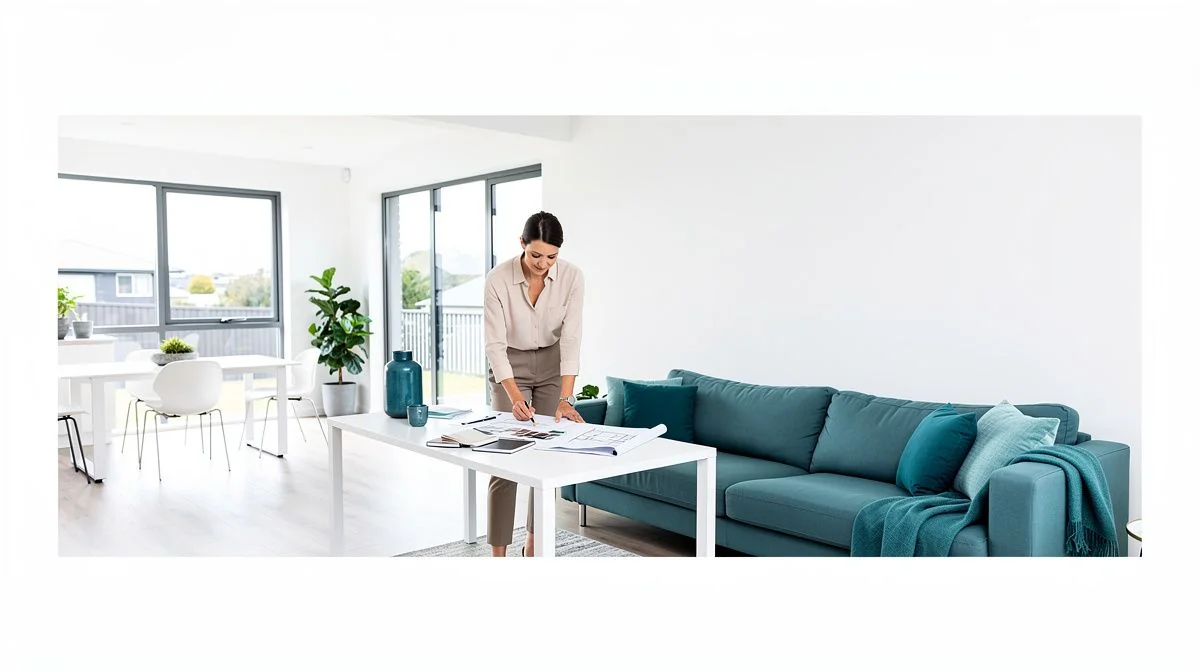
Best Interior Designers in Hamilton
A city of two housing eras, and both of them need help
Hamilton is really two housing markets sitting side by side. In the north and northeast the newer subdivisions went up quickly, and the interiors that came with them are competent but repetitive — the same kitchen, the same neutral walls, the same ceiling plan, house after house down the same street. Three doors along, someone is fixing exactly that.
Then there is the older city: the villas around Hamilton East and Claudelands, the brick and tile of the 1970s and 1980s through Chartwell and Glenview, and the state housing of the same era that has been renovated one owner at a time. Those homes have good bones and awkward layouts, and they are where a designer earns their fee, because the problem is rarely the colour. It is working out where a wall can actually come out.
Waikato weather matters more than people expect. Hamilton is humid by New Zealand standards, and summer heat sits in west-facing living rooms from mid-afternoon onwards. That shapes genuine decisions about window treatments, airflow and which way a lounge should face.
Most of the work here lands in three buckets: a single room that has never worked, a kitchen or bathroom that is being replaced anyway, and a new build where the owners want the finishing decisions taken off their hands before the builder needs answers.
How We Researched This Guide
We started with published fee schedules, because interior design is one of the few trades where the price is often written down and still almost impossible to compare. Designers bill hourly, by room package, by whole home, or as a percentage of the project, and two quotes for what sounds like the same job can differ by a factor of three simply because one includes project management and the other does not. We collected the structures and ranges from New Zealand designers who publish both.
What surprised us was how consistent the room packages were and how wildly the hourly rates varied, which is the opposite of what we expected going in. We also read the official guidance on building work that needs consent, since so much of what a designer proposes — taking out a wall, moving a bathroom, adding a window — runs straight into it. Every number here came from a live source, and where a figure looked like an outlier we said so instead of averaging it away.
The 60-Second Version
If you are reading this on your phone in a showroom, here is the short version.
- Hourly design work generally runs $100–$250 an hour plus GST in Hamilton.
- A bathroom design package commonly starts around $2,400 plus GST; a kitchen design $4,000–$6,000.
- A full-home scheme typically lands between $10,000 and $50,000+ in fees, depending on detail.
- Most designers offer a paid one to two hour consultation before you commit to anything larger.
- Check whether project management and trade coordination are included — that is where quotes part company.
- The mistake to avoid is engaging hourly for a whole renovation and being startled by the hours.
What an Interior Designer Actually Does
The job is not choosing cushions. Most of the value sits in spatial decisions and the documents that follow them: layouts, joinery drawings, lighting plans, finishes schedules, and the specification a builder or cabinetmaker works from. A designer who turns up with a mood board and nothing else has done half the job.
Most practices sell three tiers. A consultation is a fixed few hours of advice on a specific question, and it is frequently credited back if you go on to book a package. A room package covers one space end to end — concept, layout, finishes, joinery, and a set number of revision rounds. Whole-home service covers everything, and usually runs into sourcing and site coordination, which is where the hours disappear.
One thing worth knowing before you sign: interior design is not a licensed occupation in New Zealand. Anyone can call themselves an interior designer, and there is no public register to check. That makes the questions in the choosing section more important rather than less.
What Interior Design Costs in Hamilton
The figures below are published prices from New Zealand designers, plus the ranges that appear repeatedly across the market.
| Service | Typical price |
|---|---|
| Hourly design rate | $100–$250 + GST |
| Initial consultation, one to two hours | $165–$350 + GST |
| Bathroom design package, from | $2,400 + GST |
| Kitchen design package | $4,000–$6,000 |
| Full-home design scheme | $10,000–$50,000+ |
| Percentage-of-project model | 10–20% of project value |
| Furniture sourcing and styling | Hourly, often plus a margin |
| Project management during the build | Extra — hourly or a percentage |
| 3D visualisation | Sometimes included, sometimes extra |
| Trade coordination and site visits | Usually charged by the hour |
Fee ranges verified from published New Zealand interior design price lists as of September 2026. Quotes commonly exclude GST, and furniture, products, trades and installation are charged on top.

What Pushes a Hamilton Quote Up or Down
Layout changes are the biggest swing. A scheme that keeps the kitchen where it is and refreshes the surfaces sits at the bottom of the range. The moment a wall moves, plumbing shifts or a bathroom is reconfigured, you are paying for more design time and for a builder, and the design fee itself usually rises because the drawings become technical.
Detail level is the second lever. Some clients want a finishes schedule, a lighting plan and joinery drawings a cabinetmaker can build from. Others want three concepts, one revision round and a shopping list. Both are legitimate requests. The second is much cheaper, and designers will usually tell you so if you ask directly.
Where the furniture comes from changes the arithmetic as well. A designer with trade accounts may pass on discounts that offset part of the fee, while others apply a margin to anything they source. Ask which model applies before you assume the fee is your total cost.
How to Choose an Interior Designer in Hamilton
Because there is no register, the intake questions do the work a licence check would normally do. Ask for two recent local projects, and ask specifically what the designer decided versus what the client or the builder decided. The answer tells you far more than the photographs.
Then get the scope in writing: what is included, how many revision rounds, whether 3D images are part of it, who coordinates the trades, and what happens when the scope grows. Work that needs consent should be handled properly, and the guidance on building work that needs consent sets out where the line falls. It is also worth reading what Consumer Protection says about your rights when you buy a service, before you pay a deposit.
The red flags we see most often: a proposal with no written scope; a percentage fee with no explanation of how it is calculated; a designer who cannot tell you who their last three clients were; a quote that never mentions GST; and a whole-house scheme sold on open-ended hourly billing.
Local Factors That Show Up in Hamilton Projects
A housing stock with two very different problems
Newer homes in Rototuna and Flagstaff tend to need cosmetic and spatial work: better storage, a kitchen that opens to the living area, lighting that is not four downlights in a grid. The older villas and 1970s brick homes need structural thinking first, because the awkward part is the plan, not the palette. Designers who work across both will usually say the older homes take longer and cost more to design, even when the budget is smaller.
Humidity, sun and west-facing rooms
Hamilton summers are humid and the sun is unforgiving on a west wall from mid-afternoon. That has real design consequences: window treatments that can take the heat, airflow through the plan rather than a single heat pump unit in the hallway, and materials that will not cup or fade. It is also why so many Hamilton renovations end up adding a covered outdoor room to the west or north.
Consents and the walls that cannot simply come out
Open-plan living is the most common request and the most common surprise. Removing a wall is easy until it is load-bearing or bracing, and then you are paying for a structural assessment, a beam and a consent. Bringing a bathroom or kitchen up to the current standard on moisture and ventilation can also be triggered by the work itself. A good designer will raise this in the first conversation rather than after the drawings are done.
Questions You Might Have
Do I need a designer for one room?
If the room is a kitchen or bathroom, usually yes, because the joinery drawings are the deliverable. For a bedroom or lounge, a two-hour consultation plus a spec sheet is often enough to get you moving, and it costs a fraction of a full package.
Can an interior designer save me money?
Sometimes, indirectly. Trade accounts, better sequencing and fewer expensive mistakes are all real. But a designer is a cost, not a saving, and the honest reason to hire one is a better result rather than a cheaper one.
What if I already have a builder?
That is normal and workable. The important thing is that the designer and builder agree early on who is drawing what, because duplicated drawings and unclear responsibility are how renovation budgets blow out.
How long does a full-home scheme take?
Most designers quote in weeks rather than days for the design phase, with the build running on its own timetable. Ask for a schedule with dates on it, not an estimate in your head.
What Matters Most
A designer is being paid for decisions, and the decisions that matter most are the ones made early: the layout, the light, and where the money goes. Get those right and the finishes are the easy part. Get them wrong and no tile selection will rescue the room.
In Hamilton the two-era housing stock means the first question is always which kind of house you have, because an early villa and a new subdivision build need almost opposite advice. Ask about that before you ask about colour, get the scope in writing, and treat a consultation fee as money well spent rather than a hurdle.

The ValueHub Team built this site because finding clear, unbiased financial information in New Zealand was harder than it should be. Every guide is based on real research — we compare the actual fees, terms, and fine print so you don't have to. Our tip: shop around every year, read the policy docs, and never assume loyalty gets you the best deal.— The ValueHub Team
Try our Calculators
Use these free tools to crunch the numbers:
KiwiSaver Fund Comparison
Compare fees, returns, and risk levels across every KiwiSaver fund — the most up to date data in New Zealand.
Currency Converter — USD to NZD
Convert US Dollars to New Zealand Dollars instantly. See the latest exchange rate and 30-day trend.
Mortgage Repayment Calculator
Calculate your weekly, fortnightly, or monthly mortgage repayments. Free NZ mortgage calculator — try different rates, terms, and repayment frequencies.
Compound Interest Calculator
See how your savings grow with compound interest over time. Free NZ compound interest calculator with yearly, monthly, and weekly compounding options.
Term Deposit Calculator
Calculate your term deposit returns before you lock in. Compare interest earned across different terms and rates with ValueHub's free calculator.
Savings Goal Calculator
Calculate how long it will take to reach your savings goal — and what monthly deposit you need to get there. Free NZ savings planner.
Interior Designers in Other Cities
Latest Guides & Reviews
Kōura KiwiSaver Scheme Review
Kōura KiwiSaver review: 13 open funds, fund charges from 0.63 to 1.10 per cent, and net returns to 30 June 2026.
reviewMaritime KiwiSaver Scheme Review
Maritime KiwiSaver review: 3 open funds, fund charges from 0.61 to 0.76 per cent, and net returns to 31 March 2026.
reviewMAS KiwiSaver Scheme Review
MAS KiwiSaver review: 7 open funds, fund charges from 0.25 to 0.98 per cent, and net returns to 30 June 2026.
reviewArotahi KiwiSaver Scheme Review
Arotahi KiwiSaver review: 1 open fund, a 0.77 per cent fund charge, and net returns to 31 March 2026. What the Government register shows you pay and get back.