Best Interior Designers in Hastings
Published 05 March 2025 · Updated 18 August 2026 · Written by the ValueHub team · Reviewed by Steve Baron

Best Interior Designers in Hastings
High ceilings, hot summers and a lot of houses worth keeping
Hastings has a housing stock that designers actually enjoy working with, which is not something every New Zealand city can claim. The art deco buildings on the main streets get the attention, but the residential stock is just as distinctive: generous villas, early twentieth century homes with high stud and deep verandahs, and a run of 1960s and 1970s houses that have been left largely alone.
The practical consequence is that a lot of the work here is about catching up rather than starting over. High ceilings mean a room can absorb colour and a pendant light that would overwhelm a modern ceiling, but they also mean heating and lighting a bigger volume of air. Deep verandahs keep the summer sun off the north wall, which is a genuine asset, and it also means the interior can be surprisingly dark without a deliberate lighting plan.
Hawke’s Bay summers are hot and dry, and the light is strong. A room that faces west here gets more afternoon heat than the same room would in Wellington or Palmerston North, and interior schemes in the region lean towards materials and window treatments that can take it.
Add in a steady flow of homes being renovated for rental or short-stay use, and you get a market where the designer is often asked two questions at once: how do we make this lovely, and how do we make it survive a decade of tenants and guests?
How We Researched This Guide
We collected published fee schedules from New Zealand design studios rather than estimating from scratch, because design is sold in at least four different ways and the structure matters as much as the number. Hourly, per-room, whole-home and percentage-of-project are all common, and a designer will often mix them — a fixed fee for a bathroom package, then hourly for anything beyond it. Those published price lists are the backbone of the table further down.
The thing we could not verify to our own satisfaction was how often the percentage model is actually used on residential jobs, so we have flagged it as a model you may be offered rather than a market norm. We also read the official line on building work that needs consent, because altering an old villa almost always touches something that needs approval. Where a figure came from a single source we have said so in the note under the table.
The 60-Second Version
For the impatient, and we do not blame you.
- Design work in Hastings broadly tracks the national range: $100–$250 an hour plus GST.
- Room packages are the most common way to buy here — a bathroom from about $2,400 plus GST, a kitchen $4,000–$6,000.
- Whole-home schemes run from roughly $10,000 into the tens of thousands, depending on detail.
- Older Hawke’s Bay homes usually need a lighting plan, because high stud and deep verandahs leave rooms darker than owners expect.
- If the work is for rental or short-stay use, ask the designer about durable finishes first, not last.
- Avoid engaging someone who will not put a scope and a fee in writing.
What You Are Actually Buying
The deliverable is a set of decisions and the documents that carry them: floor plans, joinery details, finish schedules, and a lighting layout an electrician can price. That is what separates a designer from a decorator with good taste, and it is what a builder will ask you for on day one.
The three tiers are worth understanding before you make a call. A consultation buys a couple of hours of professional opinion, usually on one specific problem, and many designers credit it against a package if you continue. A room package buys a complete scheme for one space with a defined number of revision rounds. Full service buys the house, and usually includes procurement and site time, which is why it costs what it costs.
There is no licence for interior design in New Zealand, so no register to check. What you can check is work: ask to see drawings from a recent project and ask what the client changed along the way. A designer who can talk you through a decision they got wrong is more useful than one with a perfect portfolio and no stories.
What Interior Design Costs in Hastings
Published New Zealand fee ranges, which apply across Hawke’s Bay with the usual local variation.
| Service | Typical price |
|---|---|
| Hourly design rate | $100–$250 + GST |
| Consultation, one to two hours | $165–$350 + GST |
| Bathroom package, from | $2,400 + GST |
| Kitchen design package | $4,000–$6,000 |
| Whole-home scheme | $10,000–$50,000+ |
| Percentage-of-project model | 10–20% of project value |
| Furniture sourcing | Hourly, often plus a margin |
| Site visits during the build | Hourly |
| 3D renders | Included by some studios, extra from others |
Fee ranges verified from published New Zealand interior design price lists as of September 2026. Quotes commonly exclude GST and rarely include furniture, products or installation.
Where the Money Goes on an Older Hawke’s Bay Home
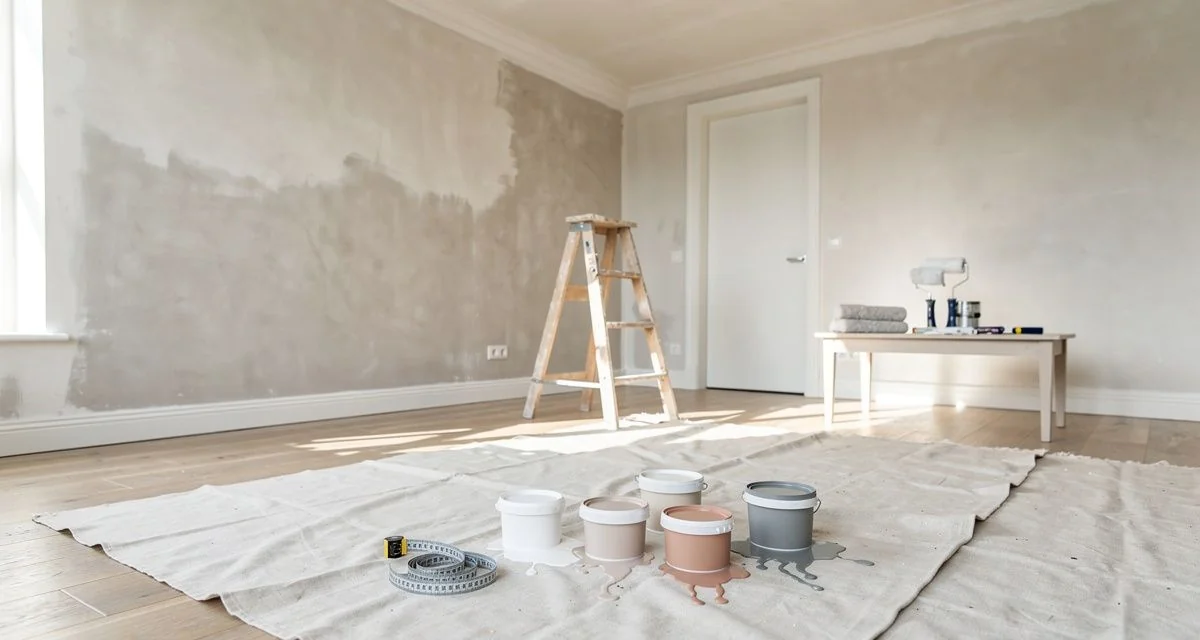
The first place it goes is the plan. Villas and early homes were built for a different way of living, and the most valuable design work is often working out how to get a modern kitchen, a second bathroom and a laundry into a footprint that was never designed for them. That is thinking time, and it is billed.
The second place is light and warmth. A high-stud room with a deep verandah needs a lighting plan; without one, owners spend their first winter adding lamps. Insulation and heating decisions sit with a builder, but the designer should be flagging them, particularly where a renovation is opening up a ceiling anyway.
The third is durability, and this is where rental and short-stay owners get value. A fabric that looks beautiful and marks easily is a poor choice for a home with weekly turnover. The cheapest-looking option is rarely the one that lasts.
Choosing Someone in Hastings
Ask what proportion of their work has been in this region, and specifically on older homes. Hawke’s Bay villas have their own quirks — generous hallways, add-on lean-tos, verandahs that have been enclosed — and a designer who has met them before will spot the problem faster.
Ask for the scope, the number of revision rounds, and what happens if you change your mind halfway through. Then ask about consent, because the work itself may need it: MBIE’s guidance on building work that needs consent is the place to start, and your council is the place to finish. If a designer shrugs at the word consent, take that as your answer.
Red flags worth naming plainly: no written scope, no GST statement, a portfolio of renders with no completed photographs, a fee quoted as a percentage of a budget you have not agreed yet, and a designer who will not name a single client you can talk to.
Things That Come Up Here More Than Elsewhere
High stud and the lighting problem
Ceilings around three metres change how lighting works. A single pendant in the centre of a room that size throws light down and leaves the corners dark, so a proper scheme uses layers — wall lights, a pair of pendants over a bench, and task lighting where you actually work. It is one of the cheapest improvements in a heritage home and one of the most frequently skipped.
Strong summer light and west-facing rooms
Hawke’s Bay gets real heat through the warmer months, and it lands hardest on west and north-west walls. Window treatments, external shade and material choice all matter more here than the regional brochures suggest. Ask specifically what the designer proposes for the hottest room in the house, and be wary of an answer that is purely about colour.
Rentals, short stays and the durability question
A meaningful share of Hastings homes are rented or let short-term, and landlords repaint and refit between tenancies. That changes the brief. The questions that matter are how a surface handles cleaning, how a floor handles grit, and whether the furniture can be replaced one piece at a time. Ask those up front and the scheme will still look good in five years.
Questions You Might Have
Can I use a designer if I am only painting and furnishing?
Yes, and a consultation is usually the right size of purchase. Two hours of advice on colour, lighting and layout costs far less than a mistake you repaint around.
Do designers work with builders they have not used before?
Most do. What matters is a clear split of who draws and who builds, agreed before anyone orders materials.
Should I design a kitchen before getting joinery quotes?
Get the design and the two or three joinery quotes in parallel if you can. A design that is not priced by anyone is a nice drawing, not a plan.
What about furniture?
You can buy it yourself from a specified schedule, or have the designer source it. Sourcing saves time and often money through trade pricing, but a margin usually applies.
What Matters Most
In a housing stock this good, the risk is not a bad house. It is a good house with a 1990s kitchen in the middle of it, and a renovation that spends its budget on surfaces instead of light and layout. The order of operations matters more than the styling.
Hastings rewards a designer who understands high ceilings, strong summer sun and the age of the home they are working in. Ask about all three before you talk about tile, insist on a written scope, and remember that consent is not an inconvenience — it is the part that keeps the value in the house.

The ValueHub Team built this site because finding clear, unbiased financial information in New Zealand was harder than it should be. Every guide is based on real research — we compare the actual fees, terms, and fine print so you don't have to. Our tip: shop around every year, read the policy docs, and never assume loyalty gets you the best deal.— The ValueHub Team
Try our Calculators
Use these free tools to crunch the numbers:
KiwiSaver Fund Comparison
Compare fees, returns, and risk levels across every KiwiSaver fund — the most up to date data in New Zealand.
Currency Converter — USD to NZD
Convert US Dollars to New Zealand Dollars instantly. See the latest exchange rate and 30-day trend.
Mortgage Repayment Calculator
Calculate your weekly, fortnightly, or monthly mortgage repayments. Free NZ mortgage calculator — try different rates, terms, and repayment frequencies.
Compound Interest Calculator
See how your savings grow with compound interest over time. Free NZ compound interest calculator with yearly, monthly, and weekly compounding options.
Term Deposit Calculator
Calculate your term deposit returns before you lock in. Compare interest earned across different terms and rates with ValueHub's free calculator.
Savings Goal Calculator
Calculate how long it will take to reach your savings goal — and what monthly deposit you need to get there. Free NZ savings planner.
Interior Designers in Other Cities
Latest Guides & Reviews
Tax Bracket Creep in New Zealand
Bracket creep explained with New Zealand's actual thresholds, what the recent adjustment changed, and why a wider band is not the same as a rate cut.
reviewHive KiwiSaver Scheme Review
Hive KiwiSaver review: 13 open funds, fund charges from 0.40 to 1.60 per cent, and net returns to 30 June 2026.
guideKiwiSaver and Tax — PIR, ESCT and What You Actually Pay
KiwiSaver is taxed twice — ESCT on your employer's contribution and your PIR on the fund's returns. How each rate is set, and the two most members never check.
reviewInvestNow KiwiSaver Scheme Review
InvestNow KiwiSaver review: 45 open funds, fund charges from 0.03 to 1.38 per cent, and net returns to 30 June 2026.