Best Interior Designers in Taupo
Published 04 March 2025 · Updated 18 August 2026
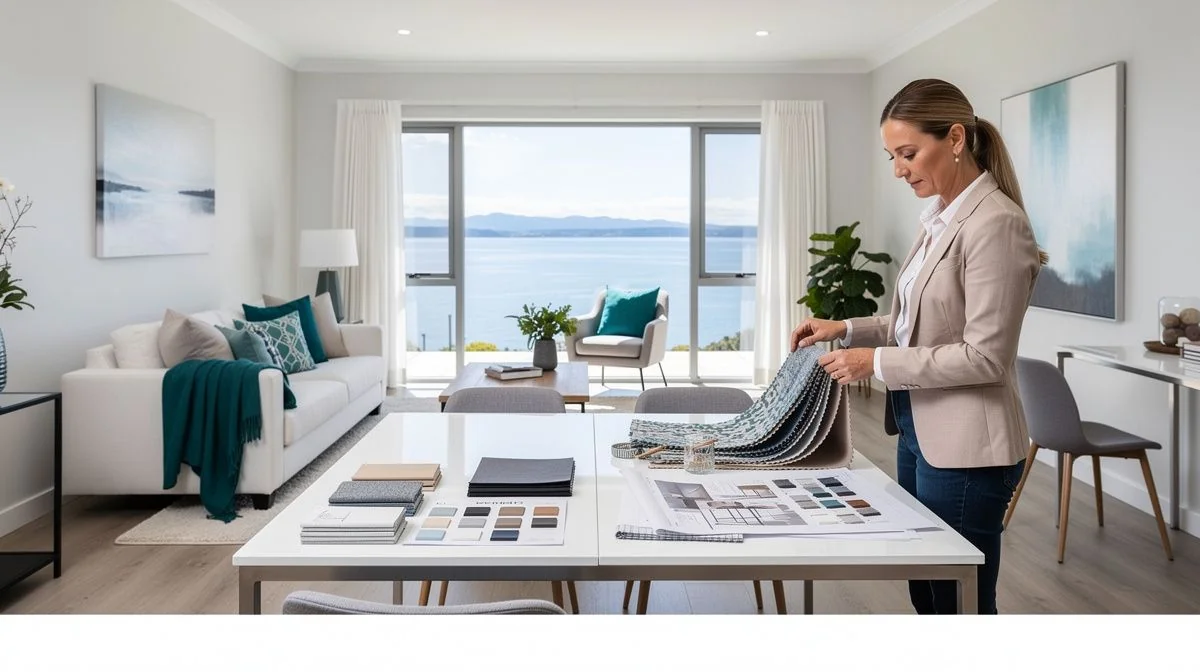
Finding an Interior Designer in Taupo
Taupo’s interior design scene has its own flavour. Whether you’re styling a lakeside holiday home, a modern townhouse in the CBD, or a rural lifestyle block near Acacia Bay, the right designer can transform your space. With the lake, mountains, and geothermal character all around, many homeowners want an interior that reflects that natural beauty, while staying practical for the Waikato climate.
But finding a designer who understands your taste, your budget, and the local market isn’t always straightforward. This page will help you know what to look for, what to ask, and how to get the best results from your project.
What to look for when hiring an Interior Designer in Taupo
Not every designer is the same. Some specialise in residential homes, others in commercial fit‑outs. Some focus on coastal or alpine aesthetics; others lean toward minimalist or boho. Before you pick up the phone, think about what matters most for your project.
Portfolio and style
Ask to see a portfolio of recent work. Look for projects that are similar in size and scope to yours. If you’re renovating a small apartment, a designer who mainly does large luxury homes might not be the best fit. Pay attention to the finishes, colours, and materials they’ve chosen – do they match your vision?
Local knowledge
A designer based in Taupo (or the greater Waikato) will know which tradespeople are reliable, which suppliers stock the best local timbers or tiles, and how to work with the region’s building consent rules. They’ll also understand things like sun angles, prevailing winds, and insulation needs that are unique to the area.
Professional qualifications
While interior design isn’t a regulated profession in New Zealand, many designers hold qualifications from institutions like the Design Institute of New Zealand (DINZ) or NZ Diploma in Interior Design. Membership in a professional body often means they follow a code of ethics and ongoing training. It’s always worth asking.
Communication style
You’ll be collaborating closely with your designer over weeks or months. Do they listen carefully? Do they explain their decisions clearly? A good designer will make you feel heard, not just told what to do.
References
Always ask for at least two recent references – ideally from clients whose projects were similar to yours. Call them. Ask about deadlines, budget management, and how the designer handled surprises (because there are always surprises).
Key questions to ask before hiring
Once you’ve shortlisted a few designers, it’s time for a deeper conversation. Here are the questions that matter most:
- How do you charge? – Some designers charge an hourly rate, others a flat fee per room or project. A few take a percentage of the overall budget. Ask for a clear breakdown.
- What’s included in your fee? – Is it just the design concept, or does it cover sourcing, ordering, project management, and installation? Know exactly what you’re paying for.
- How do you handle sourcing and purchasing? – Do they work with trade‑only suppliers, or will you need to buy retail? Some designers mark up products – make sure you understand their policy.
- How long will the project take? – Get a realistic timeline. Delays happen, but a good designer will give you a schedule and keep you updated.
- Who will I be dealing with day‑to‑day? – If it’s a larger firm, you might speak with a junior designer rather than the principal. Make sure you’re comfortable with that.
- Can you work within my budget? – Honest designers will tell you if your budget is too low for what you want. They should also be able to suggest cost‑effective alternatives without compromising the overall look.
- What happens if something goes wrong? – Ask about their policy on damaged goods, incorrect orders, or changes you want to make mid‑project.
Tips for getting the best results
Once you’ve chosen a designer, the way you work together will make a huge difference. Here are some practical tips:
Be clear about your vision – but stay open
Collect photos, colour swatches, fabric samples, or even Pinterest boards before your first meeting. The more you share, the easier it is for the designer to understand your style. But don’t dictate every detail – a good designer will bring ideas you hadn’t considered, and those can be the best bits.
Set a realistic budget – and stick to it
Interior design projects often have hidden costs: building consent fees, unexpected structural work, freight charges. Add a 10–15% contingency to your budget. Tell your designer exactly what your upper limit is, so they can prioritise where the money goes.
Trust the process
Design takes time. There might be weeks of waiting for samples, or a sudden change in supplier stock. A professional designer will navigate these hiccups, but they need your trust (and patience) to do it well.
Communicate early and often
If something doesn’t feel right – whether it’s a colour, a layout, or a product – speak up sooner rather than later. Changing a plan on paper is cheap; changing it after the paint’s on the wall is expensive.
Respect the trades
The painter, builder, electrician, and curtain maker are the ones who bring the design to life. If your designer has recommended specific tradespeople, take their advice – these professionals have a working relationship and know the designer’s standards.
A note about costs and getting quotes
Interior design costs in Taupo vary widely depending on the scope of the project and the designer’s experience. As a guide:
- Hourly rates typically range from $80 to $180 per hour. Junior designers or those just starting out charge less; established designers with a strong portfolio charge more.
- Flat fees are common for smaller projects (e.g., a single living room or a kitchen design). These can be anywhere from $1,500 to $8,000 depending on complexity. <

The ValueHub Team built this site because finding clear, unbiased financial information in New Zealand was harder than it should be. Every guide is based on real research — we compare the actual fees, terms, and fine print so you don't have to. Our tip: shop around every year, read the policy docs, and never assume loyalty gets you the best deal.— The ValueHub Team
Try our Calculators
Use these free tools to crunch the numbers:
KiwiSaver Fund Comparison
Compare fees, returns, and risk levels across every KiwiSaver fund from all 31 NZ providers.
Currency Converter — USD to NZD
Convert US Dollars to New Zealand Dollars instantly. See the latest exchange rate and 30-day trend.
Mortgage Repayment Calculator
Calculate your weekly, fortnightly, or monthly mortgage repayments. Free NZ mortgage calculator — try different rates, terms, and repayment frequencies.
Compound Interest Calculator
See how your savings grow with compound interest over time. Free NZ compound interest calculator with yearly, monthly, and weekly compounding options.
Term Deposit Calculator
Calculate your term deposit returns before you lock in. Compare interest earned across different terms and rates with ValueHub's free calculator.
Savings Goal Calculator
Calculate how long it will take to reach your savings goal — and what monthly deposit you need to get there. Free NZ savings planner.
Interior Designers in Other Cities
Latest Guides & Reviews
New Zealand Financial Markets Authority Guide: Investor Protection in NZ
Protect your investments with this practical guide to the FMA — how to check licences, spot scams, and what to do if a provider fails. Verified against...
comparisonEV Home Charger NZ: Costs & Buying Guide
Compare EV home charger costs in NZ — verified prices from $1,299, installation fees, smart features, and what actually matters for your home's power supply.
guideThe Most Popular EVs in New Zealand
The best-selling electric cars in New Zealand, ranked by official registration data. Top BEV and PHEV models and brands, updated monthly.
guideEV Market Stats
New Zealand's EV market in numbers — market share, fleet size, top-selling models and used imports, updated with the latest NZTA and MIA data.