Best Interior Designers in Whanganui
Published 04 March 2025 · Updated 18 August 2026
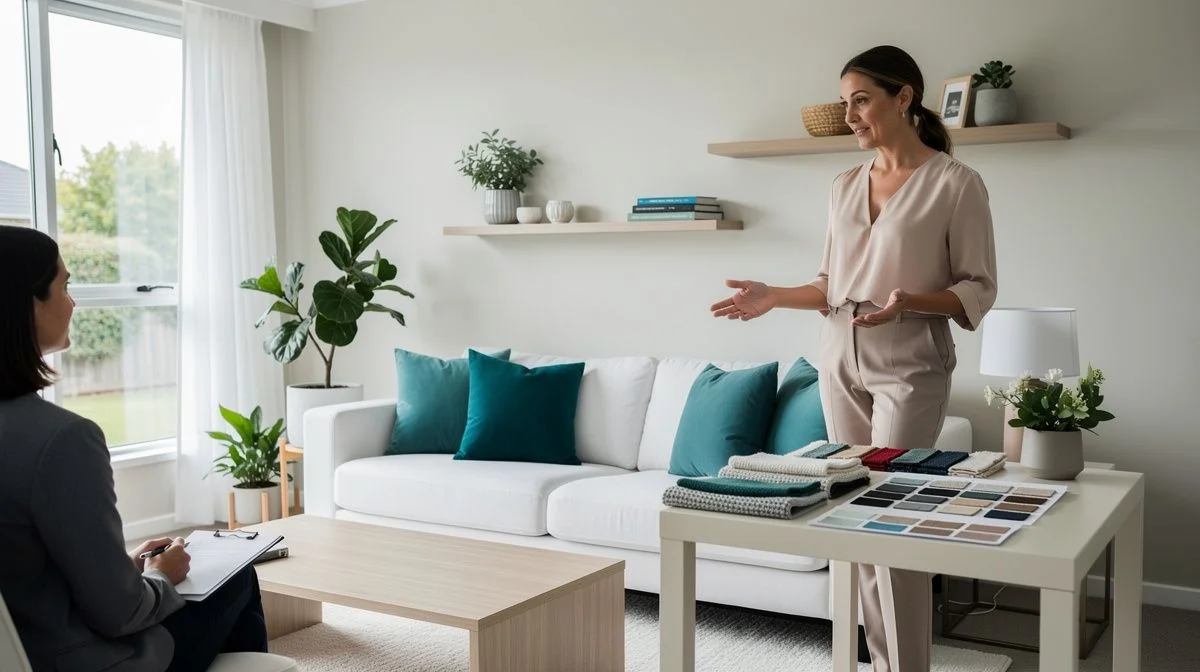
Best Interior Designers in Whanganui
Whether you're renovating a character villa on the river, styling a new build in St Johns Hill, or just refreshing your living room in Castlecliff, finding the right interior designer in Whanganui can make all the difference. The right professional brings not just an eye for colour and texture, but a deep understanding of how to work with Whanganui's unique architecture, climate, and local materials.
Interior design isn't a one-size-fits-all service. Some designers specialise in residential spaces, others in commercial fit-outs. Some focus on period homes, while others excel in modern, minimalist interiors. The key is matching their expertise to your project's needs. This guide will help you find a talented interior designer in Whanganui who suits your style, budget, and practical requirements.
What to look for when hiring an interior designer in Whanganui
Choosing the right designer goes beyond liking their Instagram feed. Here are the key qualities to focus on:
Our Trusted Interior Designers
We feature businesses that demonstrate strong performance, proven experience, and consistently positive customer feedback. Some of the providers listed may have commercial relationships with us, but all are selected based on quality and reliability.
To begin, reach out to them and speak with them directly — this helps you explain your job, ask questions, and confirm whether they're the right fit.
Kitchen and Interior Designer. Boutique kitchen design. Stella Design Co was born out of wanting to create a design experience for clients that was not only about creating excellent design and spaces that will look beautiful now and well into the future but also making the design process a positive one. The design of
Portfolio and style fit
Look at previous projects – ideally homes or spaces in the Whanganui region. Do they have experience with the same era of house or type of commercial project? A designer who regularly works with historic properties will understand the quirks of old villas, bungalows, and cottages. Likewise, a designer who favours clean, contemporary lines may be a better fit for a modern build.
Local knowledge
An interior designer who knows Whanganui will be familiar with local suppliers, tradespeople, and council regulations. They'll know which paint brands hold up best in our humid winters, and where to source quality curtains or flooring from Manawatū-Whanganui businesses. Local connections can also streamline the project and keep costs down.
Qualifications and membership
While not mandatory, many reputable designers are members of the New Zealand Institute of Interior Designers (NZIID) or have completed recognised qualifications. This indicates a commitment to professional standards and ongoing learning. Ask about their training and whether they carry professional indemnity insurance – that protects both of you if something goes wrong.
Communication style
You'll be working closely with the designer for weeks or months. Choose someone who listens carefully, explains ideas clearly, and respects your preferences. A good designer should challenge you thoughtfully, not bulldoze your taste.
Key questions to ask before hiring
Before you sign any agreement, sit down with the designer – either in person or over a video call – and ask these questions:
- What experience do you have with projects like mine? Get specific examples: "Have you worked on a 1920s bungalow in Whanganui's heritage area?"
- Who will be my main point of contact, and how often will we communicate? Some designers work solo, others have a team. Know who to call when you have a question.
- Can you provide a detailed scope of work and timeline? A clear brief prevents misunderstandings later. Ask for milestones and expected completion dates.
- What is your fee structure? Is it a fixed project fee, an hourly rate, a percentage of project costs, or a combination? Get it in writing.
- What happens if the project goes over budget or over time? Understand how changes are handled and any additional charges that may apply.
- Do you have references from previous Whanganui clients? A reputable designer will happily share a couple of past client contacts you can call.
- How do you handle sourcing and purchasing? Do they mark up products? Do they order trade-only items on your behalf? Clarify the process to avoid surprise costs.
Tips for getting the best results
Once you've hired the right designer, these strategies will help you get the most out of the relationship:
Prepare a brief before the first meeting
Collect photos from magazines, Pinterest, or real estate listings that show the look you love. Also write down what doesn't appeal. Be clear about how you want the space to feel – cosy, open, dramatic, calm. The more direction you give, the better the designer can tailor their proposals.
Set a realistic budget – and stick to it
Interior design can quickly escalate if you keep swapping to pricier finishes. Agree on a budget with your designer early, including a contingency of 10–15% for unexpected costs (like fixing existing plumbing or ordering more tiles). Tell the designer early if you have a hard limit.
Trust the process (but speak up)
Designers may suggest choices that seem unusual at first – a darker paint colour, an unexpected furniture placement. Give them a chance to explain the reasoning. But if something genuinely doesn't feel right, say so. A good designer will adjust.
Keep all decisions in writing
Emails, quotes, purchase orders, and change requests should be documented. This protects both parties and avoids disputes over who said what.
Plan for the whole project, not just the finish
Think about how you'll use the space day to day. Do you need durable family furniture? Home office lighting that reduces glare? A layout that works for entertaining? Your designer will consider these, but you know your lifestyle best.
A note about costs and getting quotes
Interior designer fees in Whanganui vary widely depending on the designer's experience, the project scope, and the level of service. Common fee structures include:
- Hourly rate: Typically ranges from $80 to $200 per hour. Good for small consultations or advice-only projects.
- Fixed project fee: A set price for a defined scope of work, such as a full room design. This gives certainty but may need adjustments if the scope changes.
- Percentage of project costs: Often 10–20% of the total spend on furniture, finishes, and trades. Common for large renovations.
- Designer discount model: Some designers charge a lower fee but earn a margin on products they source. Ask exactly how this works so you understand the total cost.
To get an accurate picture, request quotes from at least three interior designers in Whanganui. Provide each with the same brief – room dimensions, your style preferences, and a rough budget. Compare not just the price but what's included: design concepts, colour schemes, sourcing lists, project management, and site visits.
Remember that the cheapest quote isn't always the best value. A designer who charges more may save you money in the long run by avoiding costly mistakes and sourcing items at trade prices. Ask each candidate to break down their quote into design fees, product costs, and any markup.
Also check whether the designer has relationships with local Whanganui tradespeople like painters, plasterers, and curtain installers. This can streamline the project and reduce your stress. However, don't assume a recommendation is the only option – you're always free to source your own contractors.
Once you have two or three quotes that feel fair, arrange a follow-up chat with your top choice. Go with the designer who understands your vision, communicates clearly, and offers a transparent fee structure. That combination is the foundation of a successful interior design project in Whanganui.

The ValueHub Team built this site because finding clear, unbiased financial information in New Zealand was harder than it should be. Every guide is based on real research — we compare the actual fees, terms, and fine print so you don't have to. Our tip: shop around every year, read the policy docs, and never assume loyalty gets you the best deal.— The ValueHub Team
Try our Calculators
Use these free tools to crunch the numbers:
KiwiSaver Fund Comparison
Compare fees, returns, and risk levels across every KiwiSaver fund from all 31 NZ providers.
Currency Converter — USD to NZD
Convert US Dollars to New Zealand Dollars instantly. See the latest exchange rate and 30-day trend.
Mortgage Repayment Calculator
Calculate your weekly, fortnightly, or monthly mortgage repayments. Free NZ mortgage calculator — try different rates, terms, and repayment frequencies.
Compound Interest Calculator
See how your savings grow with compound interest over time. Free NZ compound interest calculator with yearly, monthly, and weekly compounding options.
Term Deposit Calculator
Calculate your term deposit returns before you lock in. Compare interest earned across different terms and rates with ValueHub's free calculator.
Savings Goal Calculator
Calculate how long it will take to reach your savings goal — and what monthly deposit you need to get there. Free NZ savings planner.
Interior Designers in Other Cities
Latest Guides & Reviews
New Zealand Financial Markets Authority Guide: Investor Protection in NZ
Protect your investments with this practical guide to the FMA — how to check licences, spot scams, and what to do if a provider fails. Verified against...
comparisonEV Home Charger NZ: Costs & Buying Guide
Compare EV home charger costs in NZ — verified prices from $1,299, installation fees, smart features, and what actually matters for your home's power supply.
guideThe Most Popular EVs in New Zealand
The best-selling electric cars in New Zealand, ranked by official registration data. Top BEV and PHEV models and brands, updated monthly.
guideEV Market Stats
New Zealand's EV market in numbers — market share, fleet size, top-selling models and used imports, updated with the latest NZTA and MIA data.