Best Landscapers in Kapiti
Published 7 March 2025 · Updated 30 June 2026
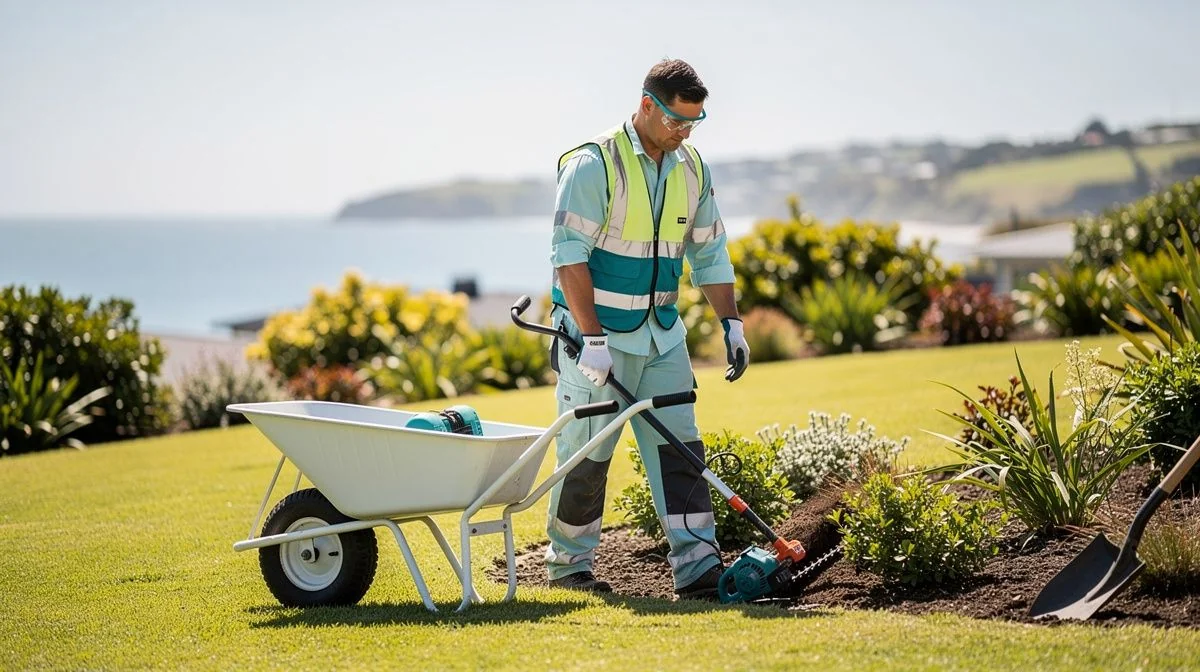
Best Landscapers in Kapiti
Finding a reliable landscaper in Kapiti can feel like looking for a needle in a haystack. Whether you’re in Paraparaumu, Waikanae, Raumati South, or Ōtaki, the right person can transform your outdoor space from a blank patch of grass into something you’ll love coming home to. But with so many options out there, how do you pick the one who’ll actually deliver?
Kapiti’s coastal climate and sandy soils bring their own challenges and opportunities. A good landscaper will understand local conditions – things like salt spray, prevailing winds, and how plants behave near the beach. They’ll also know which council rules apply to retaining walls, decks, or garden structures. This page walks you through what matters most when hiring a landscaper in Kapiti, so you can make a confident choice.
What to look for when hiring a Landscaper in Kapiti
Local knowledge matters
Kapiti is unique. The soil varies from sand dunes near the coast to heavier clay further inland. A landscaper who works regularly in the region will know which plants thrive here without constant fussing. They’ll also be familiar with the microclimates – gardens on the Kapiti Coast can be noticeably cooler and windier than spots sheltered by the Tararua foothills.
Check their portfolio
Ask to see recent projects, ideally in Kapiti or similar coastal areas. Look for evidence of:
- Good drainage solutions – sandy soil drains fast, but clay areas can get waterlogged
- Wind-tolerant planting – think flax, hebes, and coastal natives
- Hardscaping work – patios, paths, retaining walls that suit the local landscape
A portfolio tells you if their style matches your taste. If they only show formal English gardens and you want a low-maintenance native garden, they might not be the right fit.
Licensing and insurance
In New Zealand, landscapers don’t need a single national licence. But if they’re doing structural work (like retaining walls over a certain height or decks), they should be a Licensed Building Practitioner (LBP) or use one. For electrical or plumbing work, they must use certified tradespeople. Always ask about public liability insurance – at least $1 million cover is standard. This protects you if something goes wrong.
References and reviews
Don’t just read Google reviews. Ask for contact details of three recent clients in Kapiti. A quick phone call can reveal a lot – were they on time? Did they stick to the quote? Did they clean up afterwards? Local word-of-mouth is gold in a community like Kapiti.
Communication style
You’ll be working with this person for weeks or months. Pay attention to how they communicate early on. Do they return calls and emails promptly? Do they explain things clearly? A good landscaper will take time to understand your vision and be honest about what’s realistic for your budget and site.
Key questions to ask before hiring
Write these down and take them to your first meeting. The answers will tell you a lot about how they operate.
- Have you worked in Kapiti before? – This checks their local experience. Follow up with specific examples of coastal or sandy soil projects.
- Can you provide a detailed written quote? – Look for itemised costs: labour, materials, plants, disposal, and any subcontracted work. A vague quote often leads to surprises.
- Who will be on site every day? – Some companies send a salesperson to win the job, then a different crew does the work. Ask if you’ll meet the team leader beforehand.
- What’s your estimated timeline? – Weather and supply delays happen. A realistic timeline includes buffer days. Get the start and finish dates in writing.
- How do you handle variations? – If you decide halfway through to add a garden bed or change the path, how is that priced and communicated? Get agreement on a process upfront.
- Do you subcontract any work? – Many landscapers use specialists for paving, irrigation, or large retaining walls. That’s fine, but you should know who they are and whether they’re insured.
- What’s your policy on site cleanup? – Will they remove all waste? Do they leave the place tidy each day? A messy worksite can be dangerous and frustrating.
Tips for getting the best results
You’ve chosen a landscaper – now how do you make sure the project runs smoothly?
Be clear about your priorities
Before work starts, list your non-negotiables. Is privacy screening most important? Or low maintenance? Or creating a kids’ play area? Share this list with your landscaper so they can focus on what matters to you.
Plan for Kapiti’s weather
Landscaping in Kapiti means dealing with wind and occasional heavy rain. Good contractors will schedule work to minimise disruption – for example, planting on calmer days and doing hardscaping when the ground is firm. Ask how they manage weather delays.
Invest in the ground preparation
Skimping on soil preparation is a common mistake. In Kapiti’s sandy areas, amending soil with compost and organic matter makes a huge difference to plant health. On clay sites, proper drainage is essential. Don’t let anyone rush this step – it’s the foundation of a garden that lasts.
Choose plants that suit the site
A landscaper with local knowledge will recommend plants that handle salt, wind, and dry summers without constant watering. Native options like mānuka, kōwhai, and ngaio are classics for a reason. But non-natives can work too – just make sure they’re not potential weeds that could spread into neighbouring reserves.
Get everything in writing
Contracts aren’t just for big projects. Even a small garden makeover should have a written agreement covering scope, timeline, payment schedule, and warranty on plants and workmanship. A one-year warranty on plants and a two-year warranty on hardscaping is typical – but confirm this with your contractor.
A note about costs and getting quotes
Landscaping costs in Kapiti vary widely depending on the size and complexity of your project. A simple lawn and garden tidy-up might be a few hundred dollars, while a full design and build with retaining walls, paving, and planting could run into tens of thousands.
When you ask for quotes, aim to get at least three from different landscapers. Be wary of quotes that are significantly lower than others – they might cut corners on materials or skip important steps like soil preparation. Equally, a very high quote doesn’t guarantee the best quality.
Most landscapers in Kapiti charge by the hour or by the project. Hourly rates typically cover labour, and materials are added on top. Project quotes give you a fixed price, which is easier to budget for. Ask whether GST is included and whether there are any costs for travel or

The ValueHub Team built this site because finding clear, unbiased financial information in New Zealand was harder than it should be. Every guide is based on real research — we compare the actual fees, terms, and fine print so you don't have to. Our tip: shop around every year, read the policy docs, and never assume loyalty gets you the best deal.— The ValueHub Team
Try our Calculators
Use these free tools to crunch the numbers:
PAYE Calculator
Calculate your take-home pay after PAYE tax, ACC, KiwiSaver, and student loan deductions.
Compound Interest Calculator
See how your savings grow with compound interest over time. Free NZ compound interest calculator with yearly, monthly, and weekly compounding options.
Mortgage Repayment Calculator
Calculate your weekly, fortnightly, or monthly mortgage repayments. Free NZ mortgage calculator — try different rates, terms, and repayment frequencies.
Term Deposit Calculator
Calculate your term deposit returns before you lock in. Compare interest earned across different terms and rates with ValueHub's free calculator.
Savings Goal Calculator
Calculate how long it will take to reach your savings goal — and what monthly deposit you need to get there. Free NZ savings planner.
Credit Card Repayment Calculator
See how long it really takes to pay off your credit card — and how much interest you could save by paying more each month. Free NZ calculator.
Landscapers in Other Cities
Best Landscapers in Auckland
Best Landscapers in Wellington
Best Landscapers in Christchurch
Best Landscapers in Hamilton
Best Landscapers in Tauranga
Best Landscapers in Dunedin
Latest Guides & Reviews
US Dollar to NZD: A Practical Guide for Kiwis
Compare the true cost of buying USD in NZ. We reveal the fees, margins, and hidden charges banks, Wise, and airport desks add to every US dollar transfer.
reviewUnderstanding NZ Council Rates
Follow a single rates dollar from your bank account to see where it really goes and how councils set your bill.
comparisonBest Gold and Platinum Credit Cards in New Zealand
Best gold and platinum credit cards in NZ compared: when a $150 annual fee pays for itself through travel insurance and perks.
guideBest Investment Managers in New Zealand
Compare Fisher Funds, Milford, and Pie Funds in this practical guide to vetting NZ investment managers before you trust them with your money.