Best Lawn Mowing Services in Lower Hutt
Published 29 January 2025 · Updated 08 October 2026 · Written by the ValueHub team · Reviewed by Steve Baron

Best Lawn Mowing Services in Lower Hutt
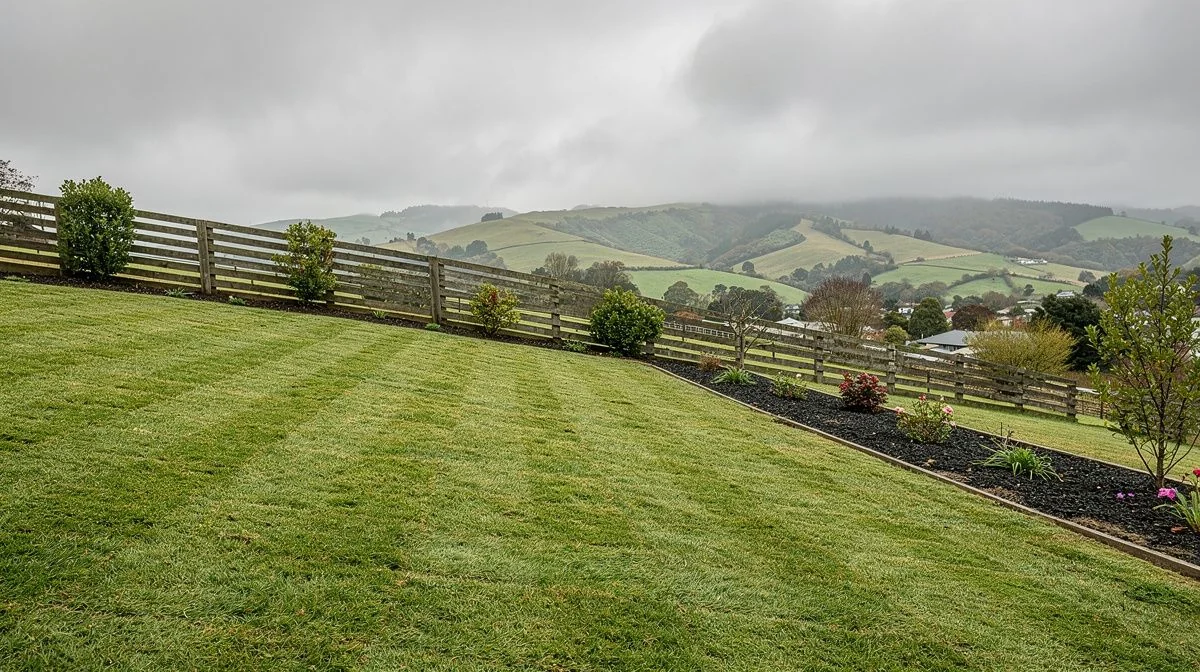
The valley gives you a narrower mowing window than most places. Wind funnels through the Hutt regularly, rain arrives off the hills, and the ground on the valley floor stays soft longer than its rainfall alone would suggest. A contractor working here spends part of the year fitting visits around the weather rather than sticking to a fixed timetable, and that is worth knowing when you compare quotes.
We've set out what a mow costs across the valley, what a proper visit includes, and the local questions that matter on soft ground and older sections.
How We Researched This Guide
We started with the price guides the mowing networks publish for themselves, because a published rate card is the only figure you can hold a company to. The bands agree closely on small and medium lawns and spread on larger sections, where a ride-on becomes necessary. Lower Hutt sits mid-range nationally, with the valley's older and smaller sections keeping most jobs in the middle of their band.
We also looked at what the credentials in this trade consist of, because they are not what homeowners instinctively ask about. Training, public liability cover and the certification required to apply agrichemicals commercially are what distinguish a contractor from someone with a weekend business. In a valley where the ground is soft for much of the year, how a contractor handles that is as important as what they charge for it.
Our Trusted Lawn Mowing Services
We feature businesses that demonstrate strong performance, proven experience, and consistently positive customer feedback. Some of the providers listed may have commercial relationships with us, but all are selected based on quality and reliability.
To begin, reach out to them and speak with them directly — this helps you explain your job, ask questions, and confirm whether they're the right fit.
Jim's Mowing NZ is your go-to local expert for lawn care and maintenance for homes and commercial spaces. We offer everything from gardening to rubbish removal. We offer a complete range of services to maintain and enhance your outdoor spaces.
The Quick Summary (60-Second Version)
If you want the short version before ringing anyone, here it is.
- A small Lower Hutt lawn typically runs $30 to $55 per mow, a medium section $45 to $80, and larger sections $90 to $250.
- Fortnightly through the growing season suits most sections, and a flexible day is worth more here than a fixed one.
- Best value is a contractor already working your side of the valley rather than one travelling through from the city.
- Ask about public liability insurance, and ask what they do when the ground is too soft to mow.
- The single most important factor is timing, because cutting wet ground does damage that lasts for months.
- The mistake to avoid is holding a contractor to a day when the weather says otherwise.
What a Lawn Mowing Visit Actually Covers
A standard visit is mow, edge and blow. That means cutting at a height suited to the season, trimming along paths, drives and garden beds, and clearing clippings off hard surfaces so they do not stain concrete or wash into a drain.
In this valley the seasonal judgement matters most. Grass should be left longer through the wetter months because longer blades shade the soil and stand up better to foot traffic when the ground is soft. Cutting short before a wet spell is a reliable way to leave a lawn marked by footprints and mower tracks.
If the lawn is being fed or sprayed for weeds as well, ask who is applying it. Commercial agrichemical application in New Zealand is governed by the NZS 8409 standard, and Growsafe certification is the industry norm for anyone applying chemicals on commercial terms.
Lower Hutt Pricing — What You Can Expect to Pay
Lower Hutt sits mid-range nationally. The valley does not carry central Wellington's cost base, and its sections are modest by national standards, keeping most jobs in the middle of their bands. What pushes a job up here is not usually size but access, since a good number of properties are reached by steps or via a shared right-of-way.
| Job | Typical Lower Hutt price |
|---|---|
| Small lawn, under 200m² | $30-$55 per mow |
| Medium lawn, 200-500m² | $45-$80 per mow |
| Large lawn, 500m² and over | $90-$250 per mow |
| Overgrown first cut | $70-$250, quoted on site |
| Sloping or terraced section | Adds roughly 20-50% to the visit |
| Edging, if priced separately | $1-$3 per metre |
| Hedge trimming | $90-$350 |
| Lawn feed and weed spray | $50-$160 per application |
Two things move a quote. Access is the first, because steps and narrow paths slow a visit down. The second is the rescheduling that soft ground forces, which is not a cost a contractor can pass on but is the reason a flexible arrangement works better here than a rigid one.
How to Choose a Lawn Mowing Service — What Actually Matters
Whether they will wait for the ground
Ask what happens after a spell of rain. A contractor who postpones and explains why understands the valley, and the alternative is a lawn-carrying wheelbarrow for the rest of the season.
How they reach the section
Ask what equipment they will use and whether it fits the access. A machine that will not go through the gate or up the steps is a problem discovered on the day, not in the quote.
Whether the price is per visit or per hour
A fixed price per visit tells you the fortnightly cost. An hourly rate leaves the total open, and in a valley where visits get moved for weather, that is the wrong way around.
Red flags
Be wary of a cash rate with no invoice, of anyone who cannot say what their insurance covers, and of a contractor willing to mow obviously saturated ground to keep a schedule.
What Happens on the Day
A professional visit follows a set order, and knowing it tells you whether the job was done completely.
- They walk the section and check for obstacles, steps, irrigation heads and anything left on the lawn before starting.
- The ground is checked for softness, and the cut is made at a height suited to the season rather than to a fixed setting.
- Edges are trimmed along paths, drives, and beds, and clippings are cleared from hard surfaces and steps.
- Clippings are mulched back in or removed, and any damage to a bed or fence is reported rather than left for you to find.
Lower Hutt-Specific Risks — What Your Lawn Mowing Service Should Know
The valley tests a lawn in ways that a flatter or drier city does not, and local experience shows in the details.
Valley wind and drying
The wind that funnels through the Hutt dries the surface quickly after rain and batters new growth in spring. Lawns on exposed streets can be drier than the rainfall suggests, and grass left longer copes better than grass cut close.
Soft ground and slow drainage
Ground on the valley floor and along the river holds moisture for a long time. Mowing it while it is saturated tears the surface and compacts the soil beneath, and the tracks left by a mower can persist for months afterwards.
Smaller, older sections and narrow access
A large share of the valley's housing dates from the middle of last century, on sections that are smaller than the national average and frequently accessed by steps or a right-of-way. That makes access, rather than area, the factor that determines how long a visit takes.
Fewer dry days and the mowing window
Rain off the western hills reduces the number of days the ground is fit to cut. That is why a contractor who can be flexible about the day is worth more here than one who offers a fixed appointment, and why a lawn occasionally takes a little longer than planned.
Questions You Might Have
How often should a Lower Hutt lawn be mown?
Fortnightly during the growing season suits most sections, with the understanding that weather may occasionally move a visit. Through winter, monthly is usually enough.
Is it a problem to mow when the ground is wet?
It can be. Cutting saturated soil tears the grass, compacts the ground underneath and leaves mower tracks that take a long time to disappear. Waiting a few days is nearly always the better decision.
Should the clippings be removed?
Mulching a thin layer back into the lawn is good practice. If the grass was long, the clippings need catching and removing or they will smother the grass underneath.
What does lawn spraying cost?
A feed and broadleaf weed treatment typically costs $50 to $160 per application and is usually cheaper when bundled with a mowing visit than when booked on its own.
What Matters Most
In a valley that stays damp and windy, the difference between a good contractor and a cheap one is judgement about timing rather than any difference in equipment.
So choose someone already working your side of the valley, give them room to move a visit when the ground says so, and ask them to leave the grass longer through the wet months. That is what keeps a lawn here looking after itself.

The ValueHub Team built this site because finding clear, unbiased financial information in New Zealand was harder than it should be. Every guide is based on real research — we compare the actual fees, terms, and fine print so you don't have to. Our tip: shop around every year, read the policy docs, and never assume loyalty gets you the best deal.— The ValueHub Team
Try our Calculators
Use these free tools to crunch the numbers:
KiwiSaver Fund Comparison
Compare fees, returns, and risk levels across every KiwiSaver fund — the most up to date data in New Zealand.
Currency Converter — USD to NZD
Convert US Dollars to New Zealand Dollars instantly. See the latest exchange rate and 30-day trend.
Mortgage Repayment Calculator
Calculate your weekly, fortnightly, or monthly mortgage repayments. Free NZ mortgage calculator — try different rates, terms, and repayment frequencies.
Compound Interest Calculator
See how your savings grow with compound interest over time. Free NZ compound interest calculator with yearly, monthly, and weekly compounding options.
Term Deposit Calculator
Calculate your term deposit returns before you lock in. Compare interest earned across different terms and rates with ValueHub's free calculator.
Savings Goal Calculator
Calculate how long it will take to reach your savings goal — and what monthly deposit you need to get there. Free NZ savings planner.
Lawn Mowing Services in Other Cities
Latest Guides & Reviews
Kōura KiwiSaver Scheme Review
Kōura KiwiSaver review: 13 open funds, fund charges from 0.63 to 1.10 per cent, and net returns to 30 June 2026.
reviewMaritime KiwiSaver Scheme Review
Maritime KiwiSaver review: 3 open funds, fund charges from 0.61 to 0.76 per cent, and net returns to 31 March 2026.
reviewMAS KiwiSaver Scheme Review
MAS KiwiSaver review: 7 open funds, fund charges from 0.25 to 0.98 per cent, and net returns to 30 June 2026.
reviewArotahi KiwiSaver Scheme Review
Arotahi KiwiSaver review: 1 open fund, a 0.77 per cent fund charge, and net returns to 31 March 2026. What the Government register shows you pay and get back.