Best Mechanics in Wellington
Published 21 August 2026 · Updated 11 September 2026 · Written by the ValueHub team · Reviewed by Steve Baron
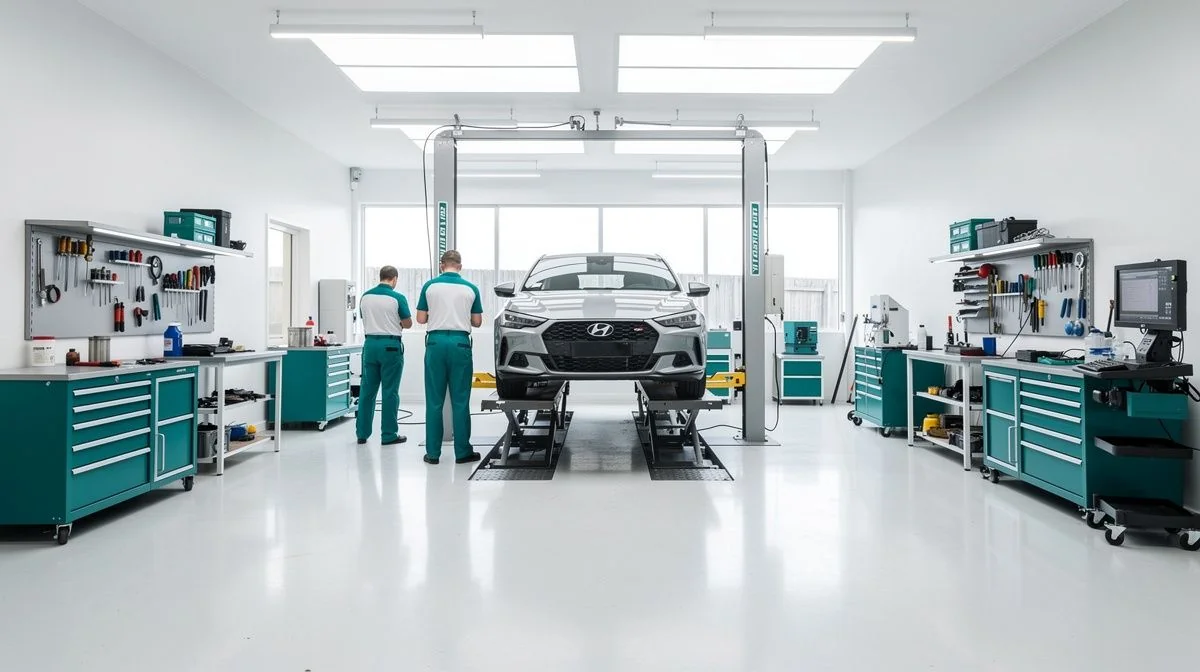
Why a Good Mechanic Matters in Wellington
Wellington's hills are quietly expensive for your car. The constant climbing wears brakes and clutches faster than flat cities, so a workshop that knows Wellington's conditions — and checks those wear items before they fail — is genuinely valuable. Add strong demand and limited workshop space, and prices sit at the higher end of the national range: $95 to $130 an hour at an independent.
A good mechanic catches problems early, uses quality parts, and stands behind the work, while a cheap one may miss a failing component that leads to a costly breakdown later. For most cars, an independent workshop is the better value than a dealership.
Anyone can set up as a mechanic in New Zealand, so MTA membership and a strong reputation are the checks that matter. They are the difference between a workshop you trust and the cheapest quote.
How We Researched This Guide
We read what the Motor Trade Association requires of its members, and checked how the labour-rate data breaks down by workshop type. For pricing, we looked at what Wellington workshops publish on their own sites alongside current rate guides. Where a number wasn't published, we didn't guess at it.
Our Trusted Mechanics
We feature businesses that demonstrate strong performance, proven experience, and consistently positive customer feedback. Some of the providers listed may have commercial relationships with us, but all are selected based on quality and reliability.
To begin, reach out to them and speak with them directly — this helps you explain your job, ask questions, and confirm whether they're the right fit.
Opening in 2017, our team at 313 Motors has quickly made a name for itself with quality repairs, professional workmanship, friendly approachable customer service and quick turn around times. Owner Rudy has been in the trade for over 20 years, specialising in electric vehicles and all models of Toyota vehicles.
The Quick Summary (60-Second Version)
In short:
- Typical cost: Wellington workshop labour runs $95–$130 an hour; a full service $300–$420.
- How long: a basic service takes an hour or two; a full service two to four hours.
- Best value for most cars: a good independent workshop over a dealership.
- What to check: MTA membership and a workshop with a real track record.
- The biggest factor: Wellington's hills — they wear brakes and clutches faster.
- The mistake to avoid: skipping services to save money, only to pay for a major repair.
Mechanic Licensing & Regulation — What Actually Matters
There is no mechanic licence in New Zealand. Unlike electricians or plumbers, mechanics are not a regulated trade, and there is no government register to check. That means the quality of a workshop depends on its people and its standards, not on a licence.
The closest thing to a credential is the Motor Trade Association (MTA). Membership is voluntary, but it signals a workshop has signed up to industry standards, consumer protection and a code of conduct. It is not a regulator, but it is the clearest signal of a competent, accountable workshop.
| Who | What they have |
|---|---|
| MTA member workshop | Voluntary membership, industry standards, consumer protection |
| Independent workshop | No mandatory credential — check reputation and reviews |
| Dealership | Manufacturer-trained, but higher labour rates |
Beyond membership, the practical checks are about the work itself. A good workshop explains what needs to be done and why, quotes a clear price, and stands behind the work with a warranty. They use quality parts, and they tell you what can wait versus what is urgent.
For routine servicing, you are not locked into a dealership. Under New Zealand consumer law, you can use any qualified mechanic without voiding your warranty, as long as they use appropriate parts and follow the manufacturer's specifications. That is a genuine money-saver worth knowing.
Wellington Pricing — What You Can Expect to Pay
Wellington sits at the higher end of the national range for car servicing, driven by strong demand and limited workshop space. The labour rate is the headline number, and the type of car you drive changes it a lot.
| Service | Typical cost |
|---|---|
| WOF inspection | $60–$90 |
| Basic service | $150–$250 |
| Full service (Japanese/Korean) | $280–$420 |
| Full service (European) | $400–$650 |
| Labour rate (independent) | $95–$130 per hour |
| Labour rate (dealership) | $140–$200+ per hour |
| Brake pad replacement (front) | $200–$400 |
Price ranges verified from multiple Wellington workshop rate guides as of August 2026. Final quotes depend on the car, the workshop type, and what needs to be done.
The single biggest driver is your car. A Japanese or Korean car is the cheapest to service, because parts are plentiful and labour is straightforward. European cars cost more because they require specific oils, parts, and often specialist knowledge. Utes and SUVs sit in between.
The other big driver is workshop type. An independent workshop charges $95 to $130 an hour, while a dealership charges $140 to $200 or more — for often the same routine work. For most cars, the independent is the better value.
Ask whether the quote is GST-inclusive and exactly what the service covers. A "full service" is not standardised — one workshop's full service may be another's basic — so ask what is included, and get it in writing.
How to Choose a Mechanic — What Actually Matters
Check the reputation and membership first. An MMTA-memberworkshop has signed up to industry standards, and a workshop with a strong track record of positive reviews is a safer bet than the cheapest option. In a trade with no licence, reputation is everything.
Ask what the service includes. A basic service is not the same as a full service, and the difference matters. A good workshop explains exactly what they check and replace, and tells you what can wait versus what is urgent.
Ask about the parts they use. Quality parts last longer and are covered by warranty. A workshop that uses cheap no-name parts to hit a low price is not doing you a favour — and a good one will tell you the difference.
Ask about the warranty on the work. A good workshop stands behind their labour and parts with a clear warranty. If they are vague about it, that is a warning sign.
These are the signs to look elsewhere:
- No MTA membership and a patchy reputation. In an unlicensed trade, reputation is everything.
- A quote that is dramatically cheaper than the others. Usually means cheap parts or skipped checks.
- Won't explain what the service includes. A "service" should be clearly defined.
- Pushes work you did not ask for without explaining why. That is upselling, not advice.
- No warranty on the work. A good workshop stands behind what they do.
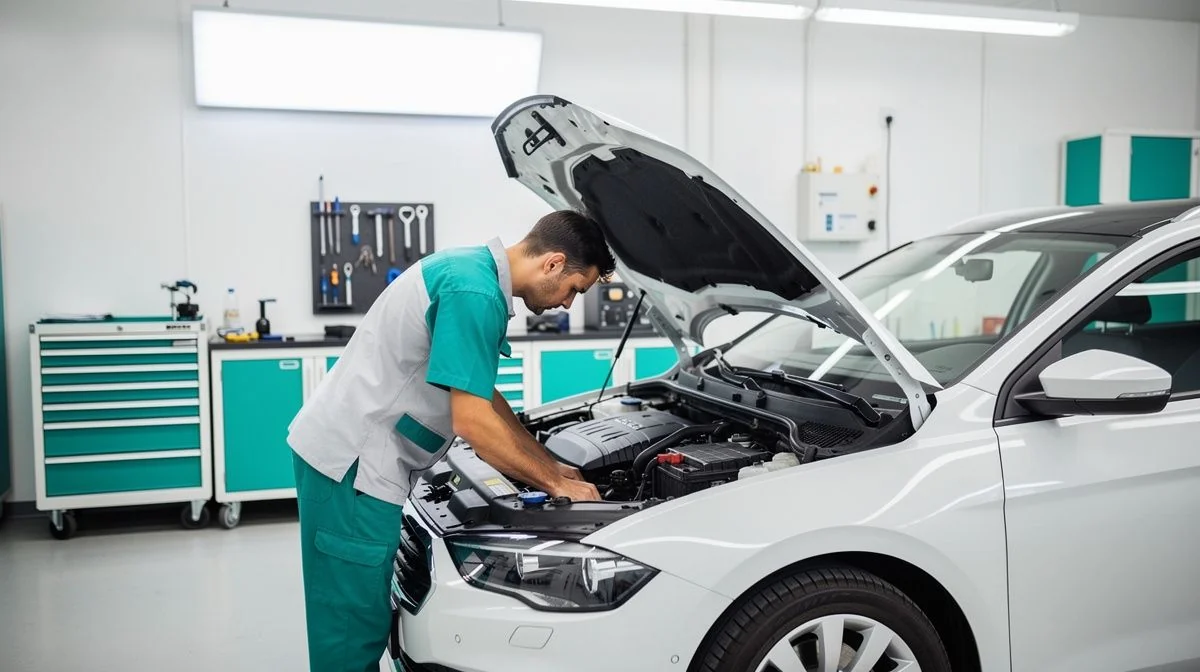
What to Expect When You Take Your Car In
Expect a clear explanation of what needs to be done, not a vague "your car needs a service". A good workshop tells you what they have found, what is urgent, what can wait, and what it will cost. Bring up anything you have noticed — a noise, a warning light, or a change in how the car drives — because it helps them diagnose the issue.
For a routine service, expect the workshop to check the essentials — oil, filters, fluids, brakes, tyres and lights — and to report back on anything that needs attention. A good workshop gives you a clear rundown, not a confusing list of jargon.
How long common jobs roughly take:
- WOF inspection: 30 to 45 minutes.
- Basic service: one to two hours.
- Full service: two to four hours.
- Brake pad replacement: one to two hours.
- Diagnostic work: depends on the fault.
After the work is completed, expect a clear invoice and any warranty documentation. Keep the service records — they matter if you sell the car, and a full service history is a genuine selling point.
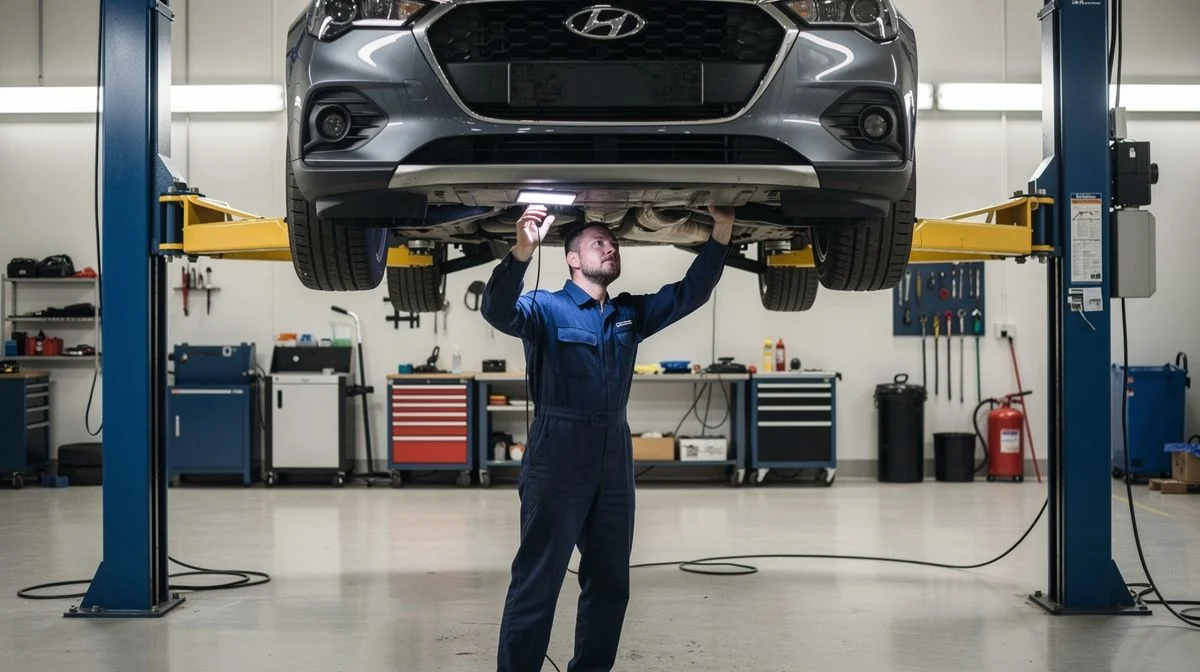
Wellington-Specific Risks & Local Factors
Car servicing in Wellington is shaped by the city's hills and its limited workshop space. These are the factors that matter locally.
The hills and brake wear
Wellington's hilly terrain is hard on brakes and clutches, and cars here wear those components faster than in flat cities. A good local mechanic knows this and checks the wear items that Wellington driving stresses, rather than treating every car the same.
The demand-and-space premium
Wellington has strong demand for car servicing and limited workshop space, which keeps prices at the higher end of the national range. That is a reason to shop around — the price gap between workshops is genuine, and a good independent is usually cheaper than a dealership for the same work.
The independent-versus-dealership gap
For most cars, an independent workshop is the better value than a dealership — the same routine work at a meaningfully lower labour rate, and you are not locked into a dealership under consumer law. A dealership makes more sense for complex warranty work or specialist marques.
The European-car premium
Wellington has a good number of European cars, and they cost more to service — specific oils, parts and specialist knowledge all add up. A good European specialist is worth more than a generalist for these cars, because they know the marque and the common issues.
Questions You Might Have
Do I need a licensed mechanic in NZ?
No. There is no government register to check — anyone can set up as a mechanic. The meaningful signals are MTA membership and a strong reputation, which is why checking reviews and asking the right questions matters more than checking a register.
Is it cheaper to use an independent instead of a dealership?
Usually, yes, for routine servicing. An independent charges $95 to $130 per hour, while a dealership often charges $140 to $200 or more for the same work. Under consumer law, you are not locked into a dealership for servicing — any qualified mechanic using appropriate parts is fine.
How often should I service my car?
Follow the manufacturer's schedule, which is usually every 10,000 to 15,000 kilometres or every 12 months, whichever comes first. Regular servicing is how you catch small problems before they become expensive ones — a skipped service can lead to a much bigger repair bill down the track.
What is the difference between a basic and full service?
A basic service covers the essentials — oil, filter and a safety check. A full service is more comprehensive, checking filters, fluids, brakes and wear items, and replacing more components. Ask exactly what each includes, because the definition varies between workshops.
Should I worry if a quote seems cheap?
Yes, a little. A dramatically cheaper quote usually means cheap parts or skipped checks, and both cost you later. The cheapest oil change is not a bargain if it misses a failing component. A good workshop quotes honestly and explains what is included.
What Matters Most
Wellington's hills wear a car out faster than the owner usually realises, which makes a workshop that knows the city's conditions worth more than the rate on the wall. In a trade with no licence, reputation is the whole game — and a cheap quote can cost you far more when a missed component fails.
Check the MTA membership, get a clear quote, and choose a workshop you trust over the cheapest option. Do that, and your car will stay reliable, and your repair bills will stay under control.

The ValueHub Team built this site because finding clear, unbiased financial information in New Zealand was harder than it should be. Every guide is based on real research — we compare the actual fees, terms, and fine print so you don't have to. Our tip: shop around every year, read the policy docs, and never assume loyalty gets you the best deal.— The ValueHub Team
More Mechanics in Wellington
These businesses also operate in this area.
Trusted car workshops in Wellington CBD for repairs, WOF, servicing, detailing, and diagnostics. Book expert care for your vehicle today. Independent Automotive Repairs And Servicing By Experienced Mechanics 04 472 8279. Car Therapy Centre makes car servicing in Wellington CBD easier, faster, and more reliable for you.
Welcome to Midas Newtown. We can provide all your car service needs, including, brakes, exhaust, diagnostics, mechanical repairs, servicing, tyres, WOF and more.
Try our Calculators
Use these free tools to crunch the numbers:
KiwiSaver Fund Comparison
Compare fees, returns, and risk levels across every KiwiSaver fund — the most up to date data in New Zealand.
Currency Converter — USD to NZD
Convert US Dollars to New Zealand Dollars instantly. See the latest exchange rate and 30-day trend.
Mortgage Repayment Calculator
Calculate your weekly, fortnightly, or monthly mortgage repayments. Free NZ mortgage calculator — try different rates, terms, and repayment frequencies.
Compound Interest Calculator
See how your savings grow with compound interest over time. Free NZ compound interest calculator with yearly, monthly, and weekly compounding options.
Term Deposit Calculator
Calculate your term deposit returns before you lock in. Compare interest earned across different terms and rates with ValueHub's free calculator.
Savings Goal Calculator
Calculate how long it will take to reach your savings goal — and what monthly deposit you need to get there. Free NZ savings planner.
Mechanics in Other Cities
Latest Guides & Reviews
KiwiSaver and Tax — PIR, ESCT and What You Actually Pay
KiwiSaver is taxed twice — ESCT on your employer's contribution and your PIR on the fund's returns. How each rate is set, and the two most members never check.
reviewInvestNow KiwiSaver Scheme Review
InvestNow KiwiSaver review: 45 open funds, fund charges from 0.03 to 1.38 per cent, and net returns to 30 June 2026.
reviewKernel KiwiSaver Scheme Review
Kernel KiwiSaver review: 25 open funds, fund charges from 0.25 to 0.45 per cent, and net returns to 30 June 2026.
guideTax Debt in New Zealand — The Numbers
Official figures on New Zealand's overdue tax debt: the total, the collectable share, which customer groups hold it, and how much is repaid or written off.