Best Mechanics in Upper Hutt
Published 11 September 2026 · Written by the ValueHub team · Reviewed by Steve Baron
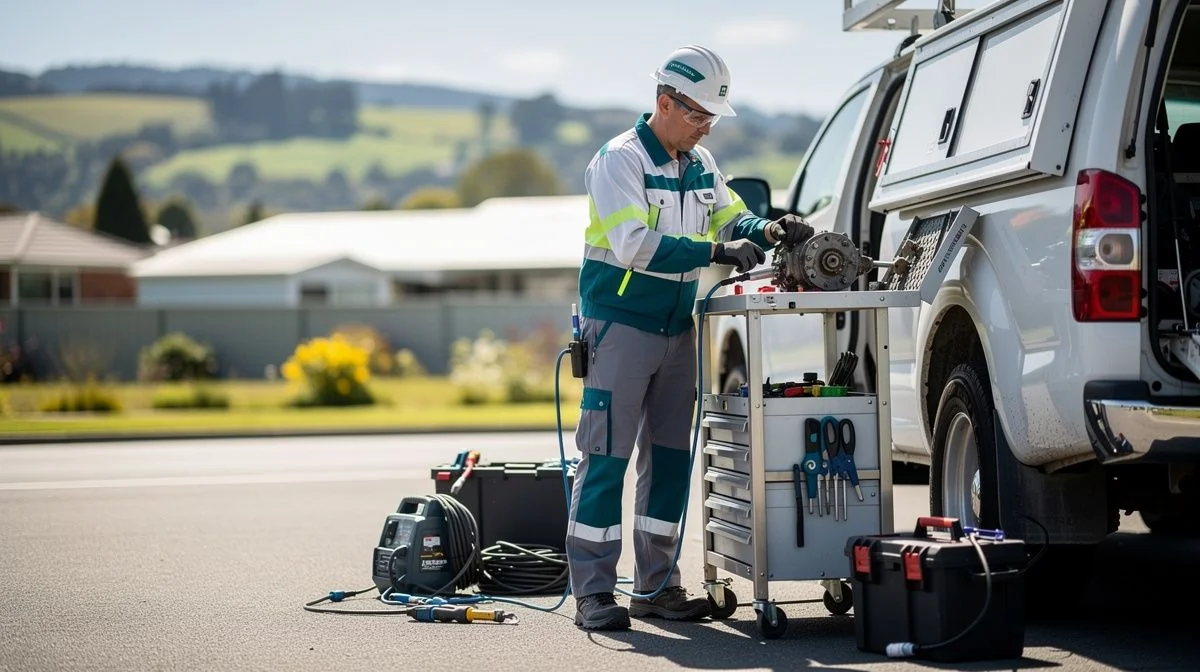
The Upper Hutt Second Car That Barely Moves
Upper Hutt sits at the northern end of the valley, and the rail link into Wellington shapes how households here use their cars. The usual pattern is one vehicle doing steady motorway kilometres into the city and a second that sits in the driveway for days at a time. The commuter car wears with distance; the second car wears with inactivity, and the failures it develops are different. Low kilometres do not mean low maintenance.
A car doing a few thousand kilometres a year rarely reaches operating temperature, and the damage shows up where owners do not expect it. Batteries sulphate and fail early, brake discs corrode, tyres harden and flat-spot, and belts and hoses crack with age rather than use. Fuel left sitting in the tank also degrades. On a vehicle used this lightly, the calendar drives the maintenance schedule far more than the odometer does.
Wider inspection intervals make that easier to get wrong, because the yearly warrant was often the only event that put an idle car in front of a technician. A battery test before winter, a trickle charger for long idle periods and servicing on the manufacturer's time interval are the cheap protections. The local street network also mixes short suburban trips with steeper valley roads, which is harder on brakes, clutches and fluids than flat running. Tell the workshop how little you drive the car.
How We Researched This Guide
We pulled published workshop labour rates from New Zealand pricing sources and checked the Wellington region band against the national average, so the Upper Hutt figures reflect genuine local invoicing.
We then traced what actually drives a repair bill: the hourly rate, the diagnosis, parts pricing and the inspection regime. Those four factors account for most of the gap between two quotes for the same work.
Our Trusted Mechanics
We feature businesses that demonstrate strong performance, proven experience, and consistently positive customer feedback. Some of the providers listed may have commercial relationships with us, but all are selected based on quality and reliability.
To begin, reach out to them and speak with them directly — this helps you explain your job, ask questions, and confirm whether they're the right fit.
Affordable new websites built using your existing content. Select a country below to accesss the relevent services for your location:. The look and feel of your website can be a touchy subject. You built a shiny new site a few years ago, at a pretty penny.
The 60-Second Version
- Upper Hutt sits in the Wellington band of $95–$120 an hour for servicing and repairs, excluding GST.
- A franchise dealership charges around $160 an hour, ranging from $140 to $200 or more. European specialists run $120–$180.
- A standard WoF inspection is $70–$90, with some independents starting at $60. A diagnostic scan is $70–$130.
- A basic service runs $160–$240; a full service runs $350–$550.
- Parts are roughly 40 per cent of a service invoice and labour roughly 60 per cent.
- Newer light vehicles are moving to a two-yearly inspection interval — which is bad news for a second car that already sits idle between warrants.
What Mechanics Charge in Upper Hutt
The Wellington region band sits at $95–$120 an hour excluding GST for servicing and repairs. That is above Hamilton and Tauranga ($85–$110) and below Auckland ($100–$130). Upper Hutt workshops price within the regional band, and local demand is shaped by commuter and second-car work rather than heavy industry.
| Work | Typical cost |
|---|---|
| Independent workshop (Wellington region) | $95–$120 per hour |
| Franchise dealership | around $160 per hour, ranging from $140–$200+ |
| European specialist | $120–$180 per hour |
| WoF inspection | $70–$90 |
| Basic service | $160–$240 |
| Full service | $350–$550 |
| Electronic diagnostic scan | $70–$130 |
Rates from published New Zealand workshop pricing. Servicing and repair rates exclude GST. Figures are indicative; every vehicle and every job differs.

The national average workshop labour rate sits around $110 an hour including GST, up from roughly $95–$100 two years earlier. Parts costs, technician wages and diagnostic equipment have all contributed to that rise.
Why a Dealership Costs More Than a Local Garage
A franchise dealership at around $160 an hour against an independent at $95–$120 is a substantial gap. Part of it is genuine capability: factory diagnostic software, manufacturer training, brand-specific tools and the warranty obligation that accompanies approved repairs.
Part of it is the cost of the building and the brand. For a second car doing very few kilometres, routine servicing at a local independent is usually the sensible choice. Keep the dealer for warranty work and faults that need factory software, where the higher rate buys something you cannot get elsewhere.
What a WoF Covers — and What It Doesn't
A warrant of fitness is a safety inspection covering brakes, tyres, lights, steering, suspension, seatbelts, structural rust, glazing and exhaust. It does not inspect the clutch, the cambelt, the water pump, worn shocks or an engine using oil, because none of those is warrant items.
For a low-use car, this distinction is sharper than most owners realise. A vehicle can pass cleanly while its battery is fading, its brake discs are corroding, and its tyres are hardening with age. The warrant confirms the car was safe on the day, and says nothing about the month ahead.
The Interval Change Hurts Idle Cars Most
Newer light vehicles are moving from annual to two-yearly inspection. For a second car doing a few thousand kilometres a year, the annual warrant was often the only time it saw a technician.
A $70–$90 inspection worked as a yearly check on a car that otherwise saw very little attention. Take that away and a barely-driven vehicle can go two years without anyone looking at it — long enough for a battery to fail, brakes to seize and fluids to absorb moisture. Low kilometres do not mean low maintenance.
Book a service on the calendar regardless of the odometer. On a car used this lightly, time causes more damage than distance.
A Cheap WoF at a Workshop That Sells Repairs
Some garages advertise warranties below the $70–$90 norm, sometimes as low as $60. It can be a legitimate way to keep bays busy. It can also be a way to get a car onto a hoist at a business that makes its margin on the repairs that follow, and that incentive is worth recognising.
Ask for failed items in writing and ask which are safety failures rather than recommendations. On a car that sits idle, there will often be something that could be done, but not everything needs doing at once. Get a second opinion on anything costly.
Basic Service or Full Service?
A basic service runs $160–$240 and covers oil and filter, a fluid and tyre-pressure check, and an inspection of the brakes and suspension. That is the sensible default for a low-use car on a normal schedule.
A full service runs $350–$550 and adds the longer-cycle items: air and cabin filters, spark plugs where fitted, brake fluid, coolant and a closer look at the driveline. On a car that covers few kilometres, the time-based items matter more than the distance-based ones. Roughly 40 per cent of the invoice is parts and 60 per cent labour, so ask what is actually being replaced.
Upper Hutt Factors That Change the Bill
Rail Commuter Households
The train link into Wellington means many households run two vehicles with very different workloads. The commuter car wears with distance; the second car wears with inactivity. A single servicing regime will not suit both, and the local workshop should be told how each car is used.
Very Low Annual Kilometres
A car doing a few thousand kilometres a year rarely reaches operating temperature on short local runs. Batteries sulphate and fail early, brake discs corrode, tyres harden and flat-spot, belts and hoses crack with age and petrol in the tank degrades. These are the failures Upper Hutt owners meet most often.
Valley Access and Roading
Improved road access around the valley has changed how people travel, but the local street network still mixes short suburban trips with steeper valley roads. Stop-start running and hill climbing are both harder on brakes, clutches and fluids than flat open-road driving.
Seismic and Flood Considerations
Hutt Valley properties carry seismic and river-flood considerations, and a car left standing through a damp winter under a carport can suffer the same slow corrosion as one near water. If a vehicle has been anywhere near floodwater, have the underbody and electrical connectors checked before problems set in.
How to Choose a Mechanic in Upper Hutt
Tell the workshop how little you drive the car. A good one will adjust the service to time rather than distance, check the battery and suggest a trickle charger. Ask for a written estimate, and ask them to call you before they do anything beyond that.
Warning Signs
- A quote well below the field with nothing said about what is excluded.
- A cheap warrant followed by a long list of urgent repairs.
- No written estimate before work begins.
- Reluctance to show you the failed part or the fault code.
- Pressure to approve additional work the same day.
- No itemised invoice at collection.
Questions You Might Have
My car only does 3,000 kilometres a year — does it still need servicing?
Yes, on the manufacturer's time interval rather than the distance. Oil, brake fluid and coolant degrade with age and short-trip use, and moisture builds in systems that never get hot enough to clear it.
Why does my battery keep going flat?
Low use is the usual cause. Short runs don't replace the charge a start takes, and a battery left partially charged sulfates and loses capacity. A trickle charger or a longer run now and then helps, and a battery test is inexpensive.
Can I skip the warrant if the car is barely used?
No. A warrant is a legal requirement on the inspection schedule regardless of mileage, and a low-use car is exactly the kind that develops rust, hardened tyres and seized brakes without anyone noticing.
Is a diagnostic scan worth $70–$130?
On a warning light or an intermittent fault, usually yes. Ask for the fault code and the workshop's interpretation, not just the conclusion, so you can be confident that the diagnosis is sound.
What Matters Most
Upper Hutt's most common problem isn't a worn-out car; it is a neglected one. The commuter vehicle gets attention because it is used daily; the second car gets overlooked because it is not, and the two-year inspection interval makes that easier.
Schedule service for the idle car, test the battery before winter, and use a local independent for routine work. To compare how the trade operates across the country, look at mechanics across New Zealand.

The ValueHub Team built this site because finding clear, unbiased financial information in New Zealand was harder than it should be. Every guide is based on real research — we compare the actual fees, terms, and fine print so you don't have to. Our tip: shop around every year, read the policy docs, and never assume loyalty gets you the best deal.— The ValueHub Team
More Mechanics in Upper Hutt
These businesses also operate in this area.
Mechanical repairs, WOF checks, and car servicing in Upper Hutt & Wellington. Trusted local mechanics for all vehicle types. Book your service today. If your car breaks down or is unable to drive to our workshop we can offer a tow or pick up service. As long as the required repairs to the vehicle are carried out by us
Try our Calculators
Use these free tools to crunch the numbers:
KiwiSaver Fund Comparison
Compare fees, returns, and risk levels across every KiwiSaver fund — the most up to date data in New Zealand.
Currency Converter — USD to NZD
Convert US Dollars to New Zealand Dollars instantly. See the latest exchange rate and 30-day trend.
Mortgage Repayment Calculator
Calculate your weekly, fortnightly, or monthly mortgage repayments. Free NZ mortgage calculator — try different rates, terms, and repayment frequencies.
Compound Interest Calculator
See how your savings grow with compound interest over time. Free NZ compound interest calculator with yearly, monthly, and weekly compounding options.
Term Deposit Calculator
Calculate your term deposit returns before you lock in. Compare interest earned across different terms and rates with ValueHub's free calculator.
Savings Goal Calculator
Calculate how long it will take to reach your savings goal — and what monthly deposit you need to get there. Free NZ savings planner.
Mechanics in Other Cities
Latest Guides & Reviews
Kōura KiwiSaver Scheme Review
Kōura KiwiSaver review: 13 open funds, fund charges from 0.63 to 1.10 per cent, and net returns to 30 June 2026.
reviewMaritime KiwiSaver Scheme Review
Maritime KiwiSaver review: 3 open funds, fund charges from 0.61 to 0.76 per cent, and net returns to 31 March 2026.
reviewMAS KiwiSaver Scheme Review
MAS KiwiSaver review: 7 open funds, fund charges from 0.25 to 0.98 per cent, and net returns to 30 June 2026.
reviewArotahi KiwiSaver Scheme Review
Arotahi KiwiSaver review: 1 open fund, a 0.77 per cent fund charge, and net returns to 31 March 2026. What the Government register shows you pay and get back.