Best Optometrists in Masterton
Published 21 March 2025 · Updated 18 August 2026
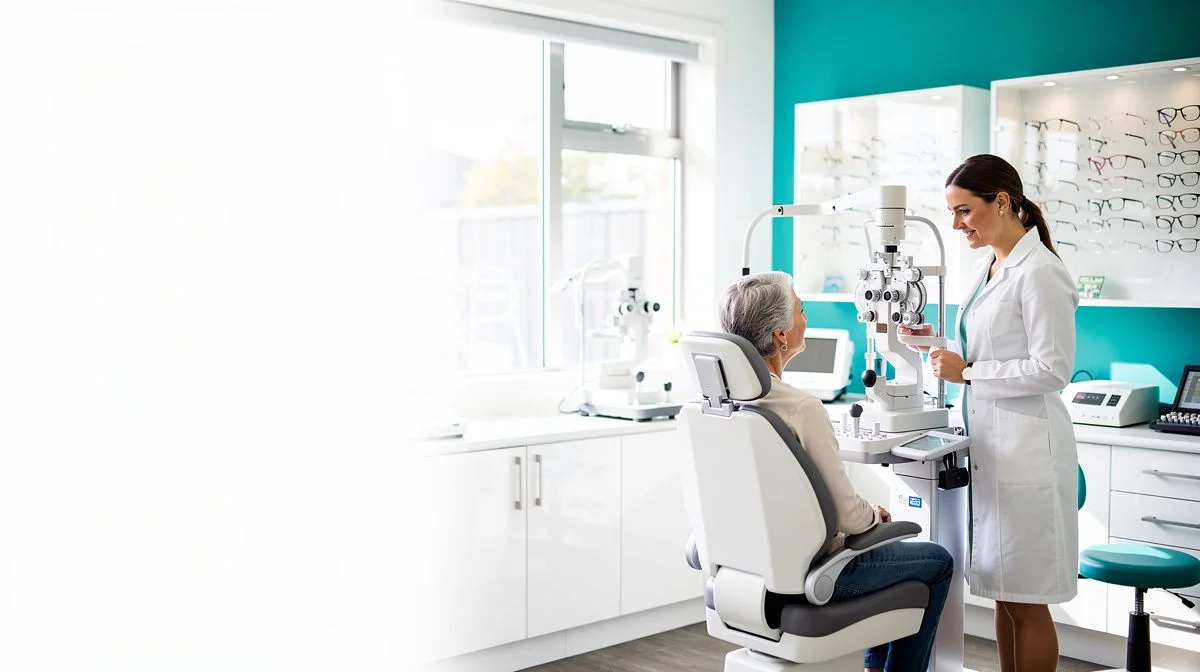
Finding the Right Optometrist in Masterton
Your eyesight is something you don't want to take chances with. Whether you're due for a routine check, experiencing changes in your vision, or need a new pair of specs, finding a good optometrist in Masterton is the first step.
Masterton is the main hub of the Wairarapa, so you have several practices to choose from. Many offer full eye health exams, contact lens fittings, and can help with everything from dry eye to managing conditions like glaucoma or diabetes-related eye issues.
The key is finding someone you can trust and who takes the time to understand your needs. We've put together some practical pointers to help you make the right choice.
What to Look for When Hiring an Optometrist in Masterton
Our Trusted Optometrists
We feature businesses that demonstrate strong performance, proven experience, and consistently positive customer feedback. Some of the providers listed may have commercial relationships with us, but all are selected based on quality and reliability.
To begin, reach out to them and speak with them directly — this helps you explain your job, ask questions, and confirm whether they're the right fit.
Stuart Henderson Optometrist | Masterton, Wairarapa: A Masterton Optometrist offering eye exams, eye tests, contact lenses & more. 190 Queen St Wairarapa. Boutique Optometrist providing the best products and the best service Throughout Wairarapa. Get boutique eye care and eyewear with the only independent optometrist i
Professional qualifications and registration
Every optometrist in New Zealand must be registered with the Optometrists and Dispensing Opticians Board (ODOB) and hold a current practising certificate. It's worth checking if they are also a member of the New Zealand Association of Optometrists (NZAO), as this indicates they follow professional standards and ongoing training.
Range of services offered
Not all optometry practices are the same. Some focus purely on basic eye exams, while others offer a wider scope. Look for a practice that provides:
- Comprehensive eye health examinations (including retinal imaging or OCT scanning)
- Contact lens fitting and follow-up
- Management of eye conditions such as glaucoma, macular degeneration, or diabetic retinopathy
- Children's vision assessments
- In-house dispensing of glasses and contact lenses
Modern equipment
Technology makes a real difference to the accuracy of an eye exam. Practices with optical coherence tomography (OCT) scanners can see deeper into your eye's structures, catching early signs of disease that a standard check might miss. If you have a family history of eye problems, it's worth asking whether the practice uses this or similar advanced equipment.
Location and availability
Masterton is not huge, but you still want a practice that's convenient for you. Consider their opening hours – some offer late nights or Saturday appointments. Travel time from work or home can make or break your routine check-up.
Patient feedback
Word of mouth is valuable in a town like Masterton. Ask friends, family, or your GP for recommendations. You can also read online reviews, but take them with a grain of salt – look for consistent themes about thoroughness, communication, and friendliness.
Key Questions to Ask Before Hiring
Before you book, it's smart to ask a few questions over the phone or check their website. Here are the ones that matter most:
- What does your standard eye exam include? – Some practices give a basic vision check; others include a full health assessment and retinal imaging. Know what you're paying for.
- Do you bulk bill or charge a fee? – Most optometrists charge a consultation fee. If you have private health insurance, check if the practice does direct claiming.
- How much does a contact lens fitting cost? – This is often separate from your standard exam and includes follow-up checks.
- What happens if I need prescription glasses? – Do they have an in-house optical dispensary? Can you try frames on the spot? Do they offer warranty or adjustments?
- Can you help with children or elderly family members? – Specialised training or experience can make a big difference.
- What's your policy on referrals? – If they find something concerning, do they refer promptly to an ophthalmologist or GP?
Tips for Getting the Best Results
Once you've chosen an optometrist, you can do a few things to make sure you get the most out of your visit.
Come prepared
- Bring your current glasses or contact lenses (even if you haven't worn them in a while).
- Take a list of any medications you use – some drugs affect your eyesight.
- Know your family history of eye disease (glaucoma, macular degeneration, etc.).
- Tell the optometrist about any symptoms – blurring, headaches, dry eyes, or flashes of light.
Be honest about your lifestyle
If you spend long hours on screens, drive a lot, or play sport, let them know. The right prescription or lens design can make a huge difference. Similarly, if you've had trouble with contact lens comfort in the past, say so.
Ask about follow-up
Some conditions require ongoing monitoring. Find out if the practice offers a recall system so you don't forget your next check. For children or older adults, regular checks are especially important.
Consider timing
If you need glasses for work or school, try to book your exam a couple of weeks ahead. Custom lenses take time to make. Also, morning appointments can be easier if your

The ValueHub Team built this site because finding clear, unbiased financial information in New Zealand was harder than it should be. Every guide is based on real research — we compare the actual fees, terms, and fine print so you don't have to. Our tip: shop around every year, read the policy docs, and never assume loyalty gets you the best deal.— The ValueHub Team
Try our Calculators
Use these free tools to crunch the numbers:
KiwiSaver Fund Comparison
Compare fees, returns, and risk levels across every KiwiSaver fund from all 31 NZ providers.
Currency Converter — USD to NZD
Convert US Dollars to New Zealand Dollars instantly. See the latest exchange rate and 30-day trend.
Mortgage Repayment Calculator
Calculate your weekly, fortnightly, or monthly mortgage repayments. Free NZ mortgage calculator — try different rates, terms, and repayment frequencies.
Compound Interest Calculator
See how your savings grow with compound interest over time. Free NZ compound interest calculator with yearly, monthly, and weekly compounding options.
Term Deposit Calculator
Calculate your term deposit returns before you lock in. Compare interest earned across different terms and rates with ValueHub's free calculator.
Savings Goal Calculator
Calculate how long it will take to reach your savings goal — and what monthly deposit you need to get there. Free NZ savings planner.
Optometrists in Other Cities
Latest Guides & Reviews
New Zealand Financial Markets Authority Guide: Investor Protection in NZ
Protect your investments with this practical guide to the FMA — how to check licences, spot scams, and what to do if a provider fails. Verified against...
comparisonEV Home Charger NZ: Costs & Buying Guide
Compare EV home charger costs in NZ — verified prices from $1,299, installation fees, smart features, and what actually matters for your home's power supply.
guideThe Most Popular EVs in New Zealand
The best-selling electric cars in New Zealand, ranked by official registration data. Top BEV and PHEV models and brands, updated monthly.
guideEV Market Stats
New Zealand's EV market in numbers — market share, fleet size, top-selling models and used imports, updated with the latest NZTA and MIA data.