Best Optometrists in Paraparaumu
Published 21 March 2025 · Updated 18 August 2026
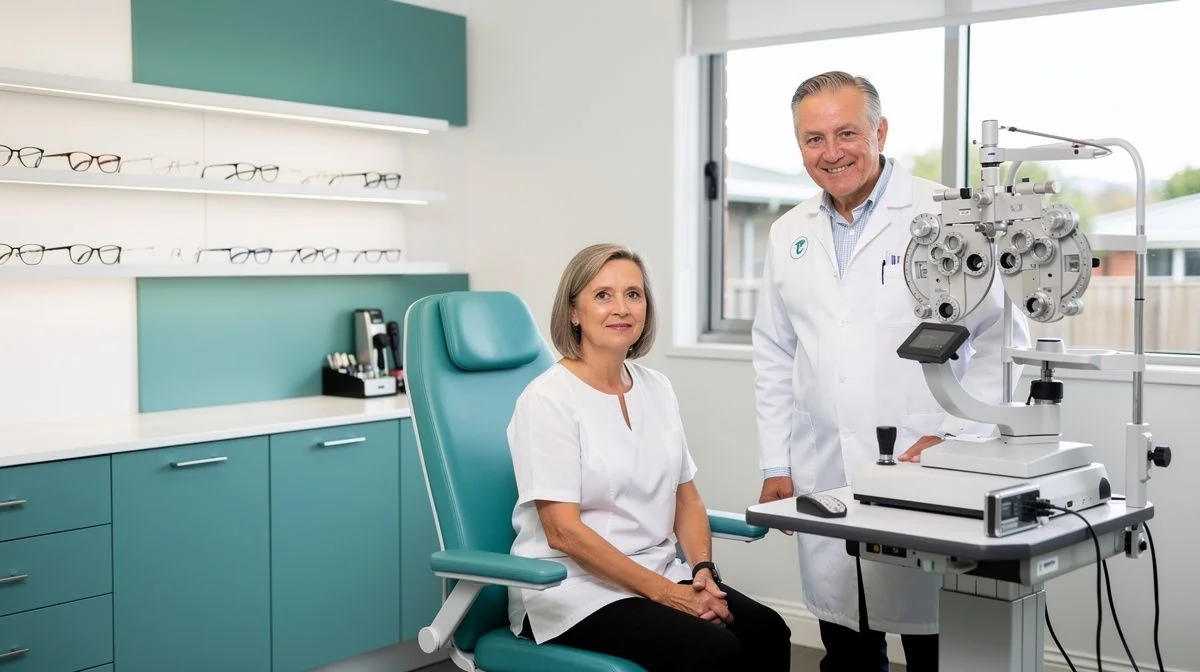
Best Optometrists in Paraparaumu
Looking after your eyes is one of the most important things you can do for your overall health. Whether you need a routine check-up, new glasses, or help with contact lenses, finding the right optometrist in Paraparaumu makes all the difference. Paraparaumu is well-served with several optometry practices ranging from independent clinics to well-known chains, so you have plenty of choice.
This guide will walk you through what to look for, the questions to ask before you book, and how to get the best results from your appointment. We’ll also touch on costs and getting quotes so you can make an informed decision without any surprises.
What to Look for When Hiring an Optometrist in Paraparaumu
Not all optometrists are the same, and the right fit depends on your specific needs. Here are the main things to check when choosing a practice in Paraparaumu.
Registration and qualifications
Every optometrist in New Zealand must be registered with the Optometrists and Dispensing Opticians Board (ODOB) and hold a current Annual Practising Certificate. You can verify this on the ODOB website. It’s a non-negotiable – always check.
Range of services
Some practices offer only standard eye exams and glasses dispensing. Others provide more advanced services like:
- Contact lens fitting and follow-up care
- Dry eye assessment and treatment
- Ocular health screening for conditions like glaucoma, cataracts, and macular degeneration
- Children’s vision assessments
- Low vision aids and support
If you have a specific concern, ensure the practice you choose has the equipment and expertise to handle it.
Location and opening hours
Paraparaumu’s main shopping areas – like Coastlands Shopping Centre and the Kapiti Road strip – house several optometry clinics. Consider whether you need weekend or evening appointments, and how easy it is to get there by car or bus.
Reputation and patient reviews
Ask friends, family, or your GP for recommendations. Online reviews on Google, Facebook, or local community groups can give you a sense of how a practice treats its patients. Look for comments about wait times, thoroughness, and how well the optometrist explains things.
Technology and equipment
Modern practices use digital retinal cameras, optical coherence tomography (OCT) scanners, and automated refraction tools. While not every practice has the newest gear, having access to advanced diagnostics can pick up issues earlier. Ask what equipment they use for a standard exam.
Key Questions to Ask Before Hiring
Before booking an appointment, it pays to ask a few straightforward questions. This helps you avoid surprises and ensures the optometrist is right for your needs.
- Are you registered with the ODOB? – It’s the first thing to confirm. If they hesitate, walk away.
- What does a standard eye exam include? – Some exams only check your prescription, while others include a full health check of the front and back of the eye. Know what you’re paying for.
- How long does the appointment take? – A thorough exam usually takes 30–45 minutes. Quick 15-minute slots may not cover everything.
- Do you offer bulk billing or subsidies? – Some optometrists accept WINZ vouchers, or you might be eligible for a subsidy through your health insurance. Ask upfront.
- What happens if I need glasses or contacts – do they have a range on site? – You may want to try frames and see prices before committing.
- What aftercare do you provide? – For contact lens wearers especially, follow-up appointments are important.
- How do you handle urgent issues? – If you get a sudden red or painful eye, can they fit you in quickly?
Tips for Getting the Best Results
Once you’ve chosen an optometrist, a little preparation goes a long way. Here’s how to make the most of your appointment and avoid common pitfalls.
Bring your current glasses or prescription
Even if you’re booking a new test, having your old specs or a copy of your last prescription helps the optometrist compare changes over time.
Know your family history
Many eye conditions run in families. If your parents or siblings have glaucoma, macular degeneration, or diabetes, tell your optometrist. This can change what they look for during the exam.
List your symptoms and concerns
Write down any issues you’ve noticed – whether it’s blurry vision, headaches, eye strain after screen use, or dry eyes. The more specific you are, the better advice you’ll get.
Ask about contact lens options if needed
If you want to try contacts for the first time, some practices offer a trial. Make sure they explain the correct cleaning and wearing schedule to avoid infections.
Don’t skip the health check part of the exam
Many people think an eye exam is just about reading letters on a chart. But optometrists also check the health of your retina, optic nerve, and blood vessels – which can reveal early signs of diabetes, high blood pressure, and other conditions. Let them do a full workup.
Compare quotes for glasses and contacts
Prices for frames and lenses vary widely between practices. You are not obligated to buy glasses from the same place you had your exam. Ask for a copy of your prescription and shop around if you want the best deal.
A Note About Costs and Getting Quotes
The cost of an eye exam in New Zealand typically ranges from around $50 to $100 for a standard consultation, though prices can vary depending on the practice and whether you need additional tests. In Paraparaumu, you’ll find prices at both ends of that range.
Many optometrists offer a reduced

The ValueHub Team built this site because finding clear, unbiased financial information in New Zealand was harder than it should be. Every guide is based on real research — we compare the actual fees, terms, and fine print so you don't have to. Our tip: shop around every year, read the policy docs, and never assume loyalty gets you the best deal.— The ValueHub Team
Try our Calculators
Use these free tools to crunch the numbers:
KiwiSaver Fund Comparison
Compare fees, returns, and risk levels across every KiwiSaver fund from all 31 NZ providers.
Currency Converter — USD to NZD
Convert US Dollars to New Zealand Dollars instantly. See the latest exchange rate and 30-day trend.
Mortgage Repayment Calculator
Calculate your weekly, fortnightly, or monthly mortgage repayments. Free NZ mortgage calculator — try different rates, terms, and repayment frequencies.
Compound Interest Calculator
See how your savings grow with compound interest over time. Free NZ compound interest calculator with yearly, monthly, and weekly compounding options.
Term Deposit Calculator
Calculate your term deposit returns before you lock in. Compare interest earned across different terms and rates with ValueHub's free calculator.
Savings Goal Calculator
Calculate how long it will take to reach your savings goal — and what monthly deposit you need to get there. Free NZ savings planner.
Optometrists in Other Cities
Latest Guides & Reviews
New Zealand Financial Markets Authority Guide: Investor Protection in NZ
Protect your investments with this practical guide to the FMA — how to check licences, spot scams, and what to do if a provider fails. Verified against...
comparisonEV Home Charger NZ: Costs & Buying Guide
Compare EV home charger costs in NZ — verified prices from $1,299, installation fees, smart features, and what actually matters for your home's power supply.
guideThe Most Popular EVs in New Zealand
The best-selling electric cars in New Zealand, ranked by official registration data. Top BEV and PHEV models and brands, updated monthly.
guideEV Market Stats
New Zealand's EV market in numbers — market share, fleet size, top-selling models and used imports, updated with the latest NZTA and MIA data.