Best Panel Beaters in Blenheim
Published 25 March 2025 · Updated 30 June 2026
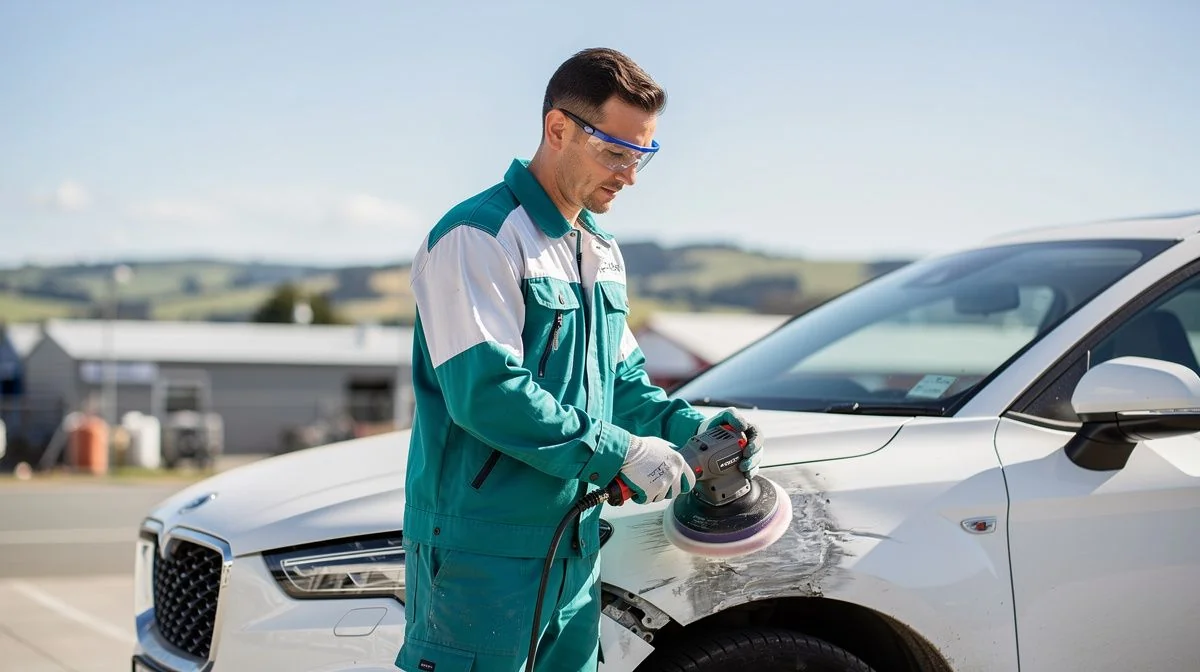
Best Panel Beaters in Blenheim
If you’ve had a prang, a scrape, or a bit of hail damage on your car, finding a reliable panel beater in Blenheim is top of the list. Between the winding roads around the Wither Hills and the occasional loose chip on State Highway 1, it’s not uncommon for Marlborough drivers to need a little metalwork TLC.
Panel beaters (sometimes called smash repairers) don’t just knock out dents — they restore your vehicle’s safety, structure, and look. In Blenheim, you’ve got a mix of family-run workshops and larger chains. But how do you know who to trust with your car?
This guide covers what to look for, questions to ask, and how to get the best result — without the headache.
What to Look for When Hiring a Panel Beater in Blenheim
Not every workshop is the same. Here’s what separates the good ones from the average ones in the Marlborough region.
Experience and Specialisation
- Years in business: A workshop that’s been around for a while in Blenheim has local knowledge and a proven track record.
- Type of work: Some panel beaters focus on classic cars, others on modern aluminium-bodied vehicles. Make sure they’re used to your car’s make and model.
- Certifications: Many reputable shops hold I-CAR or NZ Collision Repair Association (NZCRA) certifications. Ask if they do.
Reputation and Reviews
- Check online reviews on Google and local Marlborough Facebook groups. Look for repeat mentions of good communication, on-time delivery, and finish quality.
- Ask around — neighbours, workmates, or the local mechanic often know who does honest work.
Warranty on Work
- Most quality panel beaters back their repairs with a written warranty (typically 12 months on paint and workmanship). If they don’t offer one, that’s a red flag.
Insurance Approvals
- If you’re claiming through insurance, many Blenheim panel beaters are approved repairers for specific insurers (like AA Insurance, State, or AMI). Using an approved shop often makes the process smoother — but you’re not locked into using one.
Cleanliness and Equipment
- A tidy workshop says a lot about attention to detail. If you visit, see if the work bays are organised and the paint booth looks well-maintained.
Key Questions to Ask Before Hiring
Before you hand over the keys, ask these questions directly. A good panel beater will answer clearly and confidently.
- “Can you give me a written estimate before any work starts?” — Verbal quotes can change fast. Get it in writing.
- “Will you use genuine or aftermarket parts?” — This affects fit, durability, and insurance coverage. Know what you’re paying for.
- “Do you offer a warranty on paint and labour?” — If yes, get the details in writing (length and what’s covered).
- “How long will the repair take?” — They should give you a realistic timeframe factoring in parts availability and drying times.
- “Will you handle the insurance paperwork?” — Many workshops deal directly with the insurer, which saves you hassle.
- “What happens if I find an issue after the repair?” — A clear process for rectifying faults shows they stand behind their work.
- “Can you match the factory finish?” — Paint blending and colour matching are tricky. Ask about their process — especially for metallic or pearlescent paints.
Tips for Getting the Best Results
You can help the repair go smoothly and end up with a better result by following a few simple tips.
Get Multiple Quotes
Even in a smaller town like Blenheim, prices vary. Aim for at least three written quotes. But don’t choose on price alone — look at reputation, warranty, and communication too.
Ask About Paint Matching
Marlborough’s sun can be harsh. Faded paint on old panels can make a perfect colour match difficult. A good shop will blend the new paint into adjacent panels so the difference isn’t noticeable. Ask them to explain their colour-matching process — a spectrophotometer reading is standard nowadays.
Communicate Clearly
Describe the damage in detail. If you’ve tried a DIY dent pull or used touch-up paint, tell them — it can affect how they prep the surface.
Keep Records
Photograph the damage before the car goes in. Keep copies of the quote, invoice, and any warranty documents. It protects you if there’s a dispute later.
Check the Work Before You Pay
When you pick the car up, inspect the repaired area in good light — ideally outdoors. Look for:
- Consistent paint colour and texture
- No runs, drips, or orange peel in the clear coat
- Panel gaps that match the other side of the car
- Clean edges at mouldings and trims (no overspray)
If something doesn’t look right, point it out before you pay the final bill.
Drive Carefully Immediately After Repair
Fresh paint needs time to fully cure — even after it feels dry. Avoid car washes, heavy rain, or parking under trees for at least a week if possible. Your panel beater will advise on exactly how long to wait.
A Note About Costs and Getting Quotes
Panel beating costs in Blenheim vary depending on the severity of damage, the type of vehicle, and the workshop’s hourly rate. Typical rates for labour in Marlborough can range from around $80 to $120 per hour, but that’s only part of the picture.
Small jobs like a dent removal and touch-up paint might be a few hundred dollars. More extensive work — replacing a door or panel, repainting a whole quarter, or structural repairs — can easily run into the thousands. If your car is newer or has advanced safety sensors behind the bumpers, expect higher costs due to recalibration needs.
Always ask for a detailed written breakdown of parts, labour, and paint. If it’s an insurance job, the insurer will typically negotiate the price with the workshop, but you should still check that the quote matches what’s agreed.
Getting quotes from at least three panel beaters in Blenheim is a smart move. You’ll get a feel for the local market and avoid overpaying. But remember — the cheapest quote isn’t always the best value. Quality workmanship and a solid warranty are worth paying a bit more for.
If you’re paying out of pocket, ask about discounts for cash payment or if they offer a price match on a competitor’s written quote. Some smaller shops are open to negotiation, especially if you’re not using insurance.
Finally, check your vehicle’s insurance policy. If the damage is minor, you might be better off paying a small repair bill yourself rather than making a claim — especially if it would affect your no-claims bonus or premium next

The ValueHub Team built this site because finding clear, unbiased financial information in New Zealand was harder than it should be. Every guide is based on real research — we compare the actual fees, terms, and fine print so you don't have to. Our tip: shop around every year, read the policy docs, and never assume loyalty gets you the best deal.— The ValueHub Team
Try our Calculators
Use these free tools to crunch the numbers:
PAYE Calculator
Calculate your take-home pay after PAYE tax, ACC, KiwiSaver, and student loan deductions.
Compound Interest Calculator
See how your savings grow with compound interest over time. Free NZ compound interest calculator with yearly, monthly, and weekly compounding options.
Mortgage Repayment Calculator
Calculate your weekly, fortnightly, or monthly mortgage repayments. Free NZ mortgage calculator — try different rates, terms, and repayment frequencies.
Term Deposit Calculator
Calculate your term deposit returns before you lock in. Compare interest earned across different terms and rates with ValueHub's free calculator.
Savings Goal Calculator
Calculate how long it will take to reach your savings goal — and what monthly deposit you need to get there. Free NZ savings planner.
Credit Card Repayment Calculator
See how long it really takes to pay off your credit card — and how much interest you could save by paying more each month. Free NZ calculator.
Panel Beaters in Other Cities
Best Panel Beaters in Auckland
Best Panel Beaters in Wellington
Best Panel Beaters in Christchurch
Best Panel Beaters in Hamilton
Best Panel Beaters in Tauranga
Best Panel Beaters in Dunedin
Latest Guides & Reviews
US Dollar to NZD: A Practical Guide for Kiwis
Compare the true cost of buying USD in NZ. We reveal the fees, margins, and hidden charges banks, Wise, and airport desks add to every US dollar transfer.
reviewUnderstanding NZ Council Rates
Follow a single rates dollar from your bank account to see where it really goes and how councils set your bill.
comparisonBest Gold and Platinum Credit Cards in New Zealand
Best gold and platinum credit cards in NZ compared: when a $150 annual fee pays for itself through travel insurance and perks.
guideBest Investment Managers in New Zealand
Compare Fisher Funds, Milford, and Pie Funds in this practical guide to vetting NZ investment managers before you trust them with your money.