Best Panel Beaters in Queenstown
Published 25 March 2025 · Updated 18 August 2026
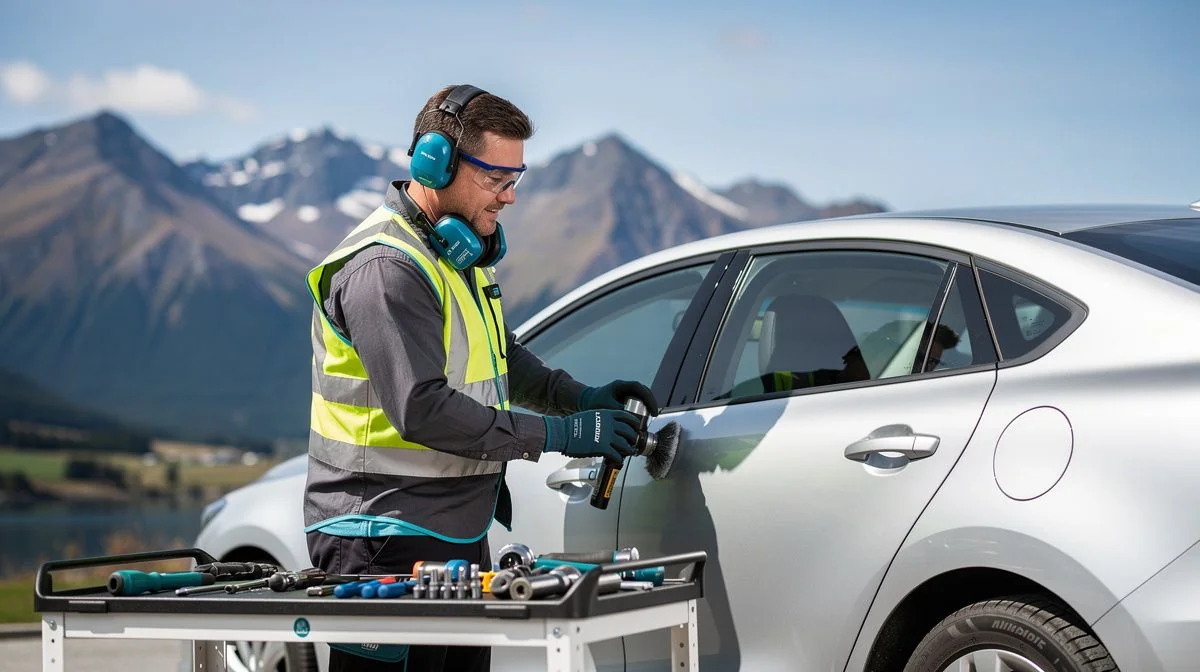
Finding the Right Panel Beater in Queenstown
Queenstown’s roads are some of the most scenic in the country — but they’re also some of the most challenging. Tight corners, unpredictable weather, and the occasional wandering sheep mean dents, scrapes and more serious damage happen more often than most of us would like.
When you need a panel beater, you want someone who knows how to get your car back to looking and driving like new. The good news is Queenstown has a solid number of experienced panel beaters. The trick is finding the one that’s right for your specific repair.
This guide will walk you through what to look for, what to ask, and how to get the best result without unnecessary stress. Whether it’s a small parking-lot ding or a major accident repair, these tips will help you choose with confidence.
What to Look For When Hiring a Panel Beater in Queenstown
Not all panel beaters are the same. Some specialise in classic cars, others focus on modern vehicles with advanced safety systems. Here’s what to check before you book in.
Accreditations and certifications
Look for panel beaters who are members of the New Zealand Collision Repair Association (NZCRA) or hold I-CAR (Industry Council for Automotive Repair) certifications. These indicate they follow industry best practices. Many reputable shops also have manufacturer approvals — for example, Honda, Toyota, or BMW certified repairs. If you’re driving a European car, ask specifically whether they have experience and approvals for that brand.
Local reputation
Queenstown is a tight-knit community. Word of mouth carries weight. Ask friends, neighbours, or your local mechanic who they’d recommend. Online reviews on Google and Facebook can also give you a feel for a shop’s reliability, though take a handful of negative reviews with a grain of salt. Look for consistent praise about communication, quality of finish, and on-time delivery.
Warranty on work
Most reputable panel beaters offer a warranty on their repairs — typically 12 months or longer. This covers things like paint adhesion, rust prevention, and structural integrity. Always ask upfront what warranty they provide and get it in writing.
Insurance approved or not?
If you’re claiming through insurance, check whether the shop is an approved repairer for your insurer. Many insurance companies have a network of preferred providers. Going outside that network might mean you have to pay upfront and claim back, or you could face delays. If you’re paying out of pocket, you have more freedom, but still worth asking if they regularly work with your insurer.
Equipment and facilities
Modern cars require modern equipment. Look for shops with spray booths that meet New Zealand’s environmental standards. Ask about their alignment and welding gear. A well-equipped shop is more likely to produce a quality result that lasts.
Communication and turnaround time
Good panel beaters will clearly explain the repair process, give you a realistic timeline, and keep you updated if things change. Avoid shops that seem vague or rushed when you first contact them. Ask for a written estimate of the time needed — but remember, parts availability in Queenstown can sometimes cause delays, especially for uncommon vehicles.
Key Questions to Ask Before Hiring
Before you hand over your keys, ask these questions to make sure you’re making the right choice.
- “What does your quote include?” — Get a detailed breakdown: labour, parts, painting, and any consumables. A vague quote often leads to surprise charges.
- “Will you use genuine, OEM, or aftermarket parts?” — Genuine parts from the manufacturer are often more expensive but guarantee a perfect fit. Aftermarket parts can be cheaper but may vary in quality. Your insurance policy may dictate which type is used.
- “How long will the repair take?” — Ask for a realistic timeline, including drying time for paint. Rushed jobs sometimes mean corners are cut.
- “Do you offer a courtesy car or loan vehicle?” — Queenstown is hard to get around without wheels. Some shops have loan cars, others don’t. Knowing this early helps you plan.
- “Can you provide references or examples of similar work?” — A good panel beater should be happy to show you before-and-after photos or connect you with past customers.
- “What’s your policy on additional damage found during repairs?” — Sometimes hidden rust or structural issues only become apparent once the car is stripped. Ask how they handle that situation and whether you’ll be notified before extra work begins.
Writing down their answers and comparing them across two or three shops can save you headaches later.
Tips for Getting the Best Results
Getting your car repaired isn’t just about the panel beater’s skill — there are things you can do to help the process go smoothly.
Be clear about your expectations
When you drop off your car, walk around it with the shop manager and point out every dent, scratch, or imperfection — even ones you don’t want fixed. That way there’s no confusion about what’s pre-existing damage. Take photos yourself before you hand over the keys.
Understand the paint process
Paint colour matching can be tricky, especially on older cars where the original colour has faded. Reputable shops will use a spectrophotometer to read the exact colour. Ask them to show you how they plan to match it. If you care about a perfect blend, ask them to “blend into adjacent panels” — this creates a seamless finish but costs more.
Check the colour match in natural light
When you pick up your car, inspect the repair in daylight, not under fluorescent workshop lights. Different lighting can hide imperfections. Walk around the car, look from different angles, and run your hand over the repaired area to feel for smoothness.
Keep records
Save all paperwork — quotes, invoices, warranty documents, and any photos. If something goes wrong later, you’ll have evidence to support your case. This is especially important if the repair was paid for by insurance.
Don’t rush the drying time
Even after you pick up the car, fresh paint needs time to fully cure. Avoid washing the car for at least a week or two (ask the shop for their specific recommendation). Don’t wax the area for at least a month — new paint is still off-gassing solvents and wax can trap them, causing cloudiness or peeling.
A Note About Costs and Getting Quotes
Panel beating costs in Queenstown can vary widely depending on the severity of the damage, the type of vehicle, and the shop’s hourly rate. For small dents and minor scratches, you might pay anywhere from $300 to $800. For major repairs involving structural work or needing multiple panels painted, quotes can run into the thousands. A full respray of a car? That can be $5,000 or more.
The best approach is to get quotes from at least three reputable shops. Make sure each quote covers the same scope of work — not just the same damage, but the same quality of parts and finish. Cheapest isn’t always best. A very low quote might mean they’re cutting corners on materials, paint quality, or labour time. On the other hand, an extremely high quote doesn’t guarantee superior work.
Be aware that Queenstown’s remote location can add to costs compared to Christchurch or Dunedin. Parts may need to be freighted in, and specialised skills are in shorter supply. If you’re willing to wait a bit longer or drive the car to a bigger centre, you might pay less. But for most people, the convenience of a local repair is worth the premium.
If you’re claiming on insurance, your excess will typically range from $300 to $1,000 depending on your policy. Some panel beaters will handle the insurance claim directly — meaning you only pay your excess and they sort the rest. This can simplify things, but always check the quality of the repair is still to your standards even when insurance is involved.
Always get the final quote in

The ValueHub Team built this site because finding clear, unbiased financial information in New Zealand was harder than it should be. Every guide is based on real research — we compare the actual fees, terms, and fine print so you don't have to. Our tip: shop around every year, read the policy docs, and never assume loyalty gets you the best deal.— The ValueHub Team
Try our Calculators
Use these free tools to crunch the numbers:
KiwiSaver Fund Comparison
Compare fees, returns, and risk levels across every KiwiSaver fund from all 31 NZ providers.
Currency Converter — USD to NZD
Convert US Dollars to New Zealand Dollars instantly. See the latest exchange rate and 30-day trend.
Mortgage Repayment Calculator
Calculate your weekly, fortnightly, or monthly mortgage repayments. Free NZ mortgage calculator — try different rates, terms, and repayment frequencies.
Compound Interest Calculator
See how your savings grow with compound interest over time. Free NZ compound interest calculator with yearly, monthly, and weekly compounding options.
Term Deposit Calculator
Calculate your term deposit returns before you lock in. Compare interest earned across different terms and rates with ValueHub's free calculator.
Savings Goal Calculator
Calculate how long it will take to reach your savings goal — and what monthly deposit you need to get there. Free NZ savings planner.
Panel Beaters in Other Cities
Latest Guides & Reviews
New Zealand Financial Markets Authority Guide: Investor Protection in NZ
Protect your investments with this practical guide to the FMA — how to check licences, spot scams, and what to do if a provider fails. Verified against...
comparisonEV Home Charger NZ: Costs & Buying Guide
Compare EV home charger costs in NZ — verified prices from $1,299, installation fees, smart features, and what actually matters for your home's power supply.
guideThe Most Popular EVs in New Zealand
The best-selling electric cars in New Zealand, ranked by official registration data. Top BEV and PHEV models and brands, updated monthly.
guideEV Market Stats
New Zealand's EV market in numbers — market share, fleet size, top-selling models and used imports, updated with the latest NZTA and MIA data.