Best Panel Beaters in Whanganui
Published 25 March 2025 · Updated 30 June 2026
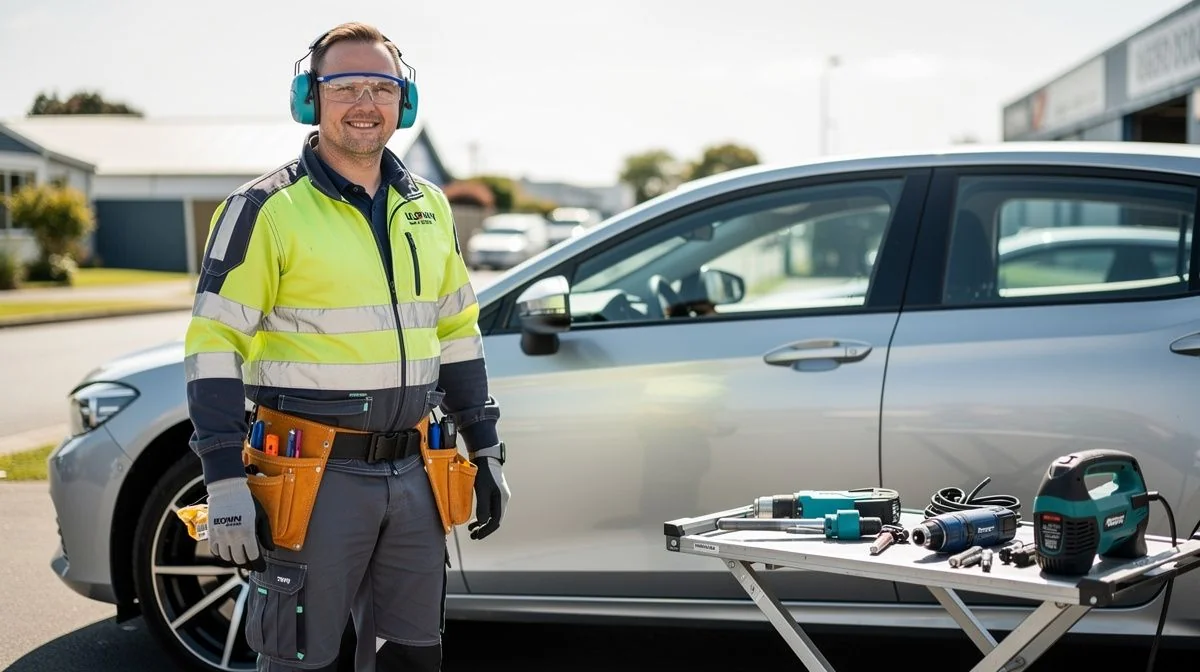
Best Panel Beaters in Whanganui
Finding a reliable panel beater in Whanganui can feel like a hassle when your car's been dinged, scratched, or worse. Whether it's a small parking dent or more significant collision damage, you want someone who'll do the job right the first time. Whanganui has a solid mix of workshops, from family-run garages to larger repair centres, and choosing the right one makes all the difference in how your vehicle comes out.
This guide walks you through what to look for, the key questions to ask, and a few insider tips to make sure you get the best result. We'll also cover what to expect in terms of costs and quotes, so you're never caught off guard.
What to Look for When Hiring a Panel Beater in Whanganui
Not every repair shop is the same, and your choice can affect both the quality of the repair and the overall value of your car. Here's what matters most when you're weighing up your options.
- Certifications and training – Look for panel beaters who are I-CAR trained or hold qualifications from the NZ Motor Trade Association (MTA). These indicate they stay up to date with modern repair methods and materials.
- Experience with your vehicle make – Some shops specialise in European cars, others focus on Japanese or domestic models. Ask directly if they frequently work on your vehicle brand.
- Equipment and facilities – A good panel beater should have proper spray booths, chassis straightening equipment, and the latest welding gear. You don't want repairs done in a makeshift backyard setup.
- Warranty on repairs – Reputable workshops offer a guarantee on their work, usually 12 months or more. This covers paint peeling or body issues that show up later.
- Local reputation – Word of mouth matters in Whanganui. Ask friends, family, or check community social media pages for honest feedback. Consistently positive reviews over several years are a strong sign.
- Insurance-approved status – If you're claiming through insurance, check whether the shop is on your insurer's approved list. This can simplify the process and ensure the work meets insurance standards.
Key Questions to Ask Before Hiring
Don't be shy about asking questions. A good panel beater will be happy to explain their process and give you confidence in their work. Here are the questions worth asking before you decide.
- "Can you provide a written, itemised quote?" – A detailed breakdown helps you see exactly what you're paying for—labour, parts, paint, and any extras.
- "What type of parts will you use—genuine, OEM, or aftermarket?" – Genuine parts come from the car manufacturer, aftermarket may be cheaper but could affect fit and durability. Know what you're getting.
- "How long will the repair take?" – Timelines vary depending on damage and parts availability. A realistic estimate helps you plan, especially if you need a hire car.
- "Do you offer a loan car while mine is being repaired?" – Some Whanganui workshops have courtesy vehicles available. Even if not, they may recommend a local hire place.
- "What warranty do you provide on the repair and paintwork?" – A standard warranty covers defects for a set period. Make sure it's in writing.
- "Are you MTA accredited or I-CAR certified?" – This confirms they meet recognised industry standards. Many reputable panel beaters in New Zealand hold these credentials.
- "Can I see examples of similar work you've done?" – Photos of past repairs, especially colour matching or structural jobs, give you a sense of the shop's standard.
Tips for Getting the Best Results
A great outcome depends on more than just the panel beater's skill. How you approach the process also matters. Follow these tips to make sure everything goes smoothly.
- Get at least three quotes – This gives you a feel for the market rate and flags any quotes that seem too low (which may mean corners are being cut) or too high (without justification).
- Check if your insurance covers the repair fully – If you have comprehensive insurance, your policy may cover panel beating and respraying. Confirm your excess and whether the shop is on your insurer's network.
- Ask about colour matching – A visible paint mismatch ruins the look. Reputable shops use digital colour matching systems and blend paint into adjacent panels for seamless results.
- Inspect the work before you pay – Don't accept the car until you're satisfied. Look along body lines, check the gaps between panels, and examine the paint in different lighting.
- Keep a record of everything – Save your written quote, any emails, photos of the damage, and the final invoice. These help if you need to go back with a complaint or claim.
- Be upfront about any previous repairs – Tell the panel beater about old body work, different paint layers, or hidden damage. This prevents surprises during the repair and helps them plan properly.
A Note About Costs and Getting Quotes
Panel beating costs in Whanganui vary significantly based on the extent of damage, the vehicle model, and the shop's labour rates. Minor dents and paintless dent removal might cost a few hundred dollars, while major structural repairs involving new panels and a full respray can run into the thousands.
Most panel beaters charge an hourly labour rate, typically between $80 and $130 per hour, plus parts, paint, and consumables. Some shops provide a fixed price per job after a visual inspection. Remember that a cheap quote doesn't always mean a bargain—it could reflect lower quality materials or rushed work.
Always request a written quote before any work begins. Make sure it includes a detailed description of the repairs, the parts to be used, and the timeline. If the damage is extensive, some shops will offer a free estimate after they've stripped the car down to inspect hidden damage. A verbal "guesstimate" over the phone is

The ValueHub Team built this site because finding clear, unbiased financial information in New Zealand was harder than it should be. Every guide is based on real research — we compare the actual fees, terms, and fine print so you don't have to. Our tip: shop around every year, read the policy docs, and never assume loyalty gets you the best deal.— The ValueHub Team
Try our Calculators
Use these free tools to crunch the numbers:
PAYE Calculator
Calculate your take-home pay after PAYE tax, ACC, KiwiSaver, and student loan deductions.
Compound Interest Calculator
See how your savings grow with compound interest over time. Free NZ compound interest calculator with yearly, monthly, and weekly compounding options.
Mortgage Repayment Calculator
Calculate your weekly, fortnightly, or monthly mortgage repayments. Free NZ mortgage calculator — try different rates, terms, and repayment frequencies.
Term Deposit Calculator
Calculate your term deposit returns before you lock in. Compare interest earned across different terms and rates with ValueHub's free calculator.
Savings Goal Calculator
Calculate how long it will take to reach your savings goal — and what monthly deposit you need to get there. Free NZ savings planner.
Credit Card Repayment Calculator
See how long it really takes to pay off your credit card — and how much interest you could save by paying more each month. Free NZ calculator.
Panel Beaters in Other Cities
Best Panel Beaters in Auckland
Best Panel Beaters in Wellington
Best Panel Beaters in Christchurch
Best Panel Beaters in Hamilton
Best Panel Beaters in Tauranga
Best Panel Beaters in Dunedin
Latest Guides & Reviews
US Dollar to NZD: A Practical Guide for Kiwis
Compare the true cost of buying USD in NZ. We reveal the fees, margins, and hidden charges banks, Wise, and airport desks add to every US dollar transfer.
reviewUnderstanding NZ Council Rates
Follow a single rates dollar from your bank account to see where it really goes and how councils set your bill.
comparisonBest Gold and Platinum Credit Cards in New Zealand
Best gold and platinum credit cards in NZ compared: when a $150 annual fee pays for itself through travel insurance and perks.
guideBest Investment Managers in New Zealand
Compare Fisher Funds, Milford, and Pie Funds in this practical guide to vetting NZ investment managers before you trust them with your money.