Best Plumbers in Kapiti
Published 28 March 2025 · Updated 18 August 2026
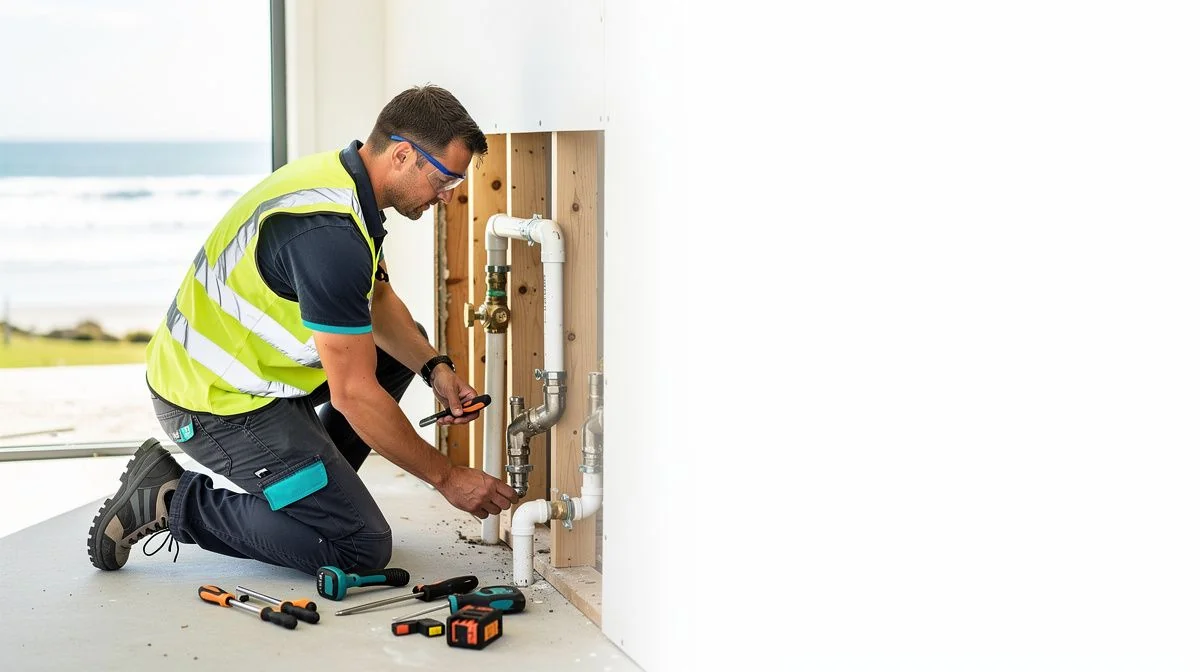
Finding a Reliable Plumber in Kapiti
Whether you’re dealing with a burst pipe, a leaking hot water cylinder, or planning a bathroom renovation, finding a trusted plumber in Kapiti makes all the difference. From Paraparaumu to Waikanae, Ōtaki and the surrounding coastal settlements, Kapiti homeowners and businesses rely on skilled tradespeople who know the local area and its unique challenges — like coastal corrosion and older housing stock.
But with so many plumbers advertising their services, how do you separate the pros from the cowboys? This guide walks you through exactly what to look for, what to ask, and how to get the best results for your budget. No fluffy advice — just practical, Kiwi know-how.
What to Look for When Hiring a Plumber in Kapiti
Not all plumbers are created equal. Here are the key things to check before you book anyone in.
Licensing and registration
In New Zealand, any person carrying out plumbing work must be either a registered plumber or working under the supervision of one. The Plumbers, Gasfitters and Drainlayers Board (PGDB) issues licenses. Always ask for their registration number and verify it online. If they hesitate, walk away.
For gasfitting or drainlaying — common add-on services — separate endorsements are required. Don’t assume a plumber can legally do gas work. Check with your local council for current requirements if you’re unsure.
Local experience
Kapiti’s coastal environment means pipes and fittings can corrode faster than inland. A plumber who regularly works in the region will know which materials last and which council inspection processes apply in Kāpiti Coast District. They’ll also be familiar with the local water pressure quirks and soil types that affect drainage.
Insurance and guarantees
Never hire a plumber who can’t provide proof of public liability insurance. You also want a written guarantee on parts and labour — typically one to five years. Without it, you’re taking a risk if something fails soon after the job is done.
Clear communication
A good plumber explains the problem in plain English, outlines the repair options, and gives you a timeframe. If they’re vague or dismissive over the phone, that’s a red flag. You want someone who listens to your concerns, especially if you’re dealing with an ongoing issue like low pressure or recurring blockages.
Key Questions to Ask Before Hiring
Asking the right questions saves you time, money, and headaches. Here are five to put to any plumber you’re considering.
- Are you a registered plumber, and can I see your current practising license? They should show it without delay. If they say “it’s with the boss” or “I left it in the van,” ask them to email you a copy.
- Do you have public liability insurance and do you offer a warranty on your work? Get the details in writing before any work starts. A verbal promise is hard to enforce.
- Can you provide references from Kapiti customers? Local references are gold — they confirm the plumber has happy clients in your area and knows the local council’s quirks.
- Will you provide a fixed-price quote or a time-and-materials estimate? Fixed price gives you certainty. If they insist on time and materials, ask for an upper cap so you’re not left with a surprise bill.
- How far out are you booked, and what’s your availability for emergencies? A busy plumber is usually a good sign, but you also need to know what happens when a pipe bursts at 2am on Sunday.
Tips for Getting the Best Results
Even the best plumber can’t work miracles if you aren’t prepared. Here’s how to set your job up for success.
Be clear about the problem
Write down what’s happening, when it started, and any steps you’ve already taken. Photos or videos of the issue (e.g., a leak stain on the ceiling or a tap that won’t stop dripping) help the plumber diagnose before they arrive. That means they bring the right parts and spend less time scratching their head.
Get multiple quotes
For anything beyond a simple tap repair, get at least three quotes. That doesn’t mean you should automatically pick the cheapest — compare the scope of work, materials specified, and any exclusions. A low quote might miss important steps like obtaining council consent or waterproofing correctly.
Agree on a timeline in writing
Plumbing jobs can stretch out if parts need ordering or if unforeseen issues pop up (like rotten pipework behind a wall). Agree on a start date, estimated completion date, and what happens if delays occur. Having it in writing keeps everyone honest.
Plan for disruption
If your plumber needs to turn off the water or dig up a section of the garden, plan accordingly. Let them

The ValueHub Team built this site because finding clear, unbiased financial information in New Zealand was harder than it should be. Every guide is based on real research — we compare the actual fees, terms, and fine print so you don't have to. Our tip: shop around every year, read the policy docs, and never assume loyalty gets you the best deal.— The ValueHub Team
Try our Calculators
Use these free tools to crunch the numbers:
KiwiSaver Fund Comparison
Compare fees, returns, and risk levels across every KiwiSaver fund from all 31 NZ providers.
Currency Converter — USD to NZD
Convert US Dollars to New Zealand Dollars instantly. See the latest exchange rate and 30-day trend.
Mortgage Repayment Calculator
Calculate your weekly, fortnightly, or monthly mortgage repayments. Free NZ mortgage calculator — try different rates, terms, and repayment frequencies.
Compound Interest Calculator
See how your savings grow with compound interest over time. Free NZ compound interest calculator with yearly, monthly, and weekly compounding options.
Term Deposit Calculator
Calculate your term deposit returns before you lock in. Compare interest earned across different terms and rates with ValueHub's free calculator.
Savings Goal Calculator
Calculate how long it will take to reach your savings goal — and what monthly deposit you need to get there. Free NZ savings planner.
Plumbers in Other Cities
Latest Guides & Reviews
New Zealand Financial Markets Authority Guide: Investor Protection in NZ
Protect your investments with this practical guide to the FMA — how to check licences, spot scams, and what to do if a provider fails. Verified against...
comparisonEV Home Charger NZ: Costs & Buying Guide
Compare EV home charger costs in NZ — verified prices from $1,299, installation fees, smart features, and what actually matters for your home's power supply.
guideThe Most Popular EVs in New Zealand
The best-selling electric cars in New Zealand, ranked by official registration data. Top BEV and PHEV models and brands, updated monthly.
guideEV Market Stats
New Zealand's EV market in numbers — market share, fleet size, top-selling models and used imports, updated with the latest NZTA and MIA data.