Best Plumbers in Blenheim
Published 28 March 2025 · Updated 18 August 2026
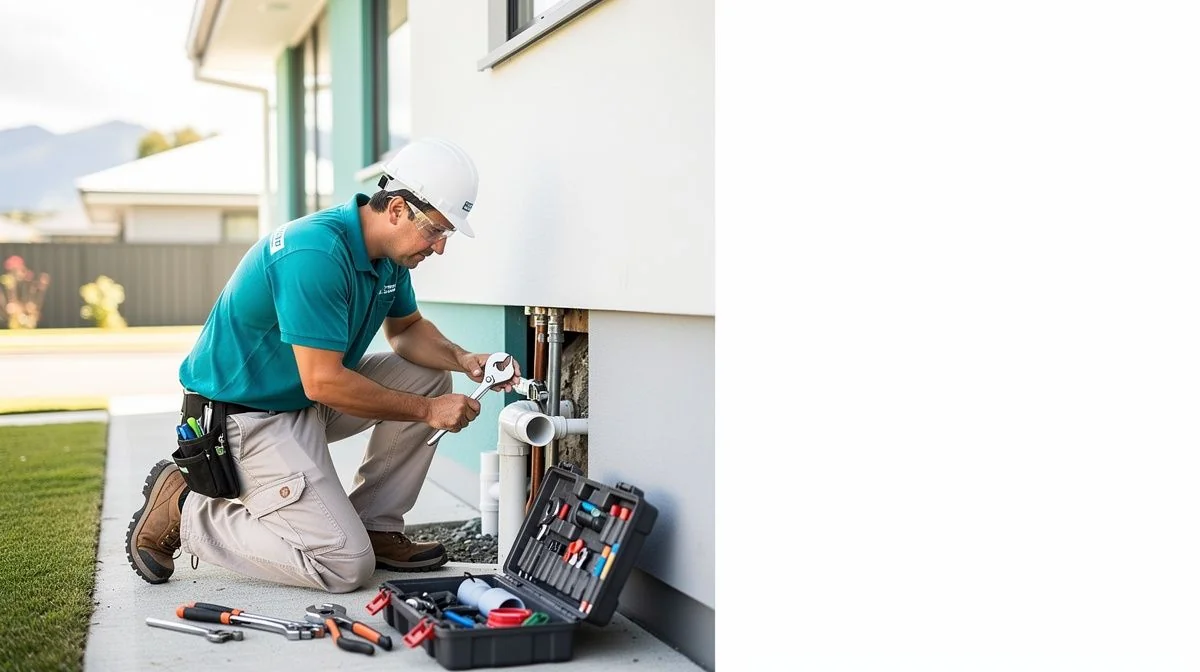
Finding a Plumber You Can Trust in Blenheim
Whether you're dealing with a burst pipe in Renwick, a blocked drain in Springlands, or planning a new bathroom renovation in the Witherlea area, finding a reliable plumber in Blenheim is essential. Marlborough's climate — with hot, dry summers and cool, wet winters — can put extra strain on your home's plumbing system. From leaking taps to hot water cylinder issues, having a skilled local tradesperson on speed-dial saves time, money, and stress.
Blenheim is served by a range of independent plumbers and larger Marlborough-based companies. Most offer residential, commercial, and emergency services. But not all plumbers are created equal. Knowing what to look for before you hire means you avoid the cowboys and get the job done right the first time.
This guide walks you through the key things to consider when hiring a plumber in Blenheim, the questions to ask, and how to get the best results for your project.
How to Choose a Reliable Plumber in Blenheim
Plumbing work in New Zealand is regulated, and for good reason. Faulty plumbing can cause water damage, health risks, and even legal headaches. Here's what to check when you're comparing plumbers in the Marlborough region.
Check Their Licence and Registration
In New Zealand, plumbers must be licensed by the Plumbers, Gasfitters, and Drainlayers Board (PGDB). Anyone carrying out sanitary plumbing, gasfitting, or drainlaying needs to hold the appropriate registration. Ask for their licence number and verify it on the PGDB public register. If they can't provide one, don't hire them.
Some small jobs, like changing a washer, can be done by an unregistered person, but any work that connects to your home's water supply or drainage system should be handled by a licensed professional.
Look for Local Experience
A plumber who knows Blenheim will understand the local water quality, soil conditions, and council requirements. For example, Marlborough's hard water can cause scale buildup in hot water cylinders and pipes. A local expert will have practical solutions for these regional quirks.
Ask how long they've been working in the Blenheim area. Plumbers who have served the community for years are more likely to have a solid reputation and reliable supply chains for parts.
Insurance and Guarantees
Always confirm that the plumber carries public liability insurance. This protects you if something goes wrong — like accidental damage to your property. Most reputable plumbers also offer a workmanship guarantee, usually 12 months or longer.
Read Reviews and Ask for References
Check Google reviews, Trade Me services, or the NoCowboys website for feedback from other Marlborough homeowners. Look for patterns in reviews: are they punctual, tidy, and fair with pricing? One bad review might be a one-off, but consistent complaints about quoting or communication are red flags.
Key Questions to Ask Before Hiring
Asking the right questions upfront can save you from expensive surprises. Here are the most important ones to put to any plumber you're considering.
- Are you licensed and registered with the PGDB? — They should answer yes and show you proof.
- Do you have public liability insurance? — If they hesitate, move on to the next candidate.
- Do you provide a fixed-price quote or an estimate? — A fixed quote locks in the cost, while an estimate can change. Always aim for a fixed quote on major jobs.
- What is your hourly rate and call-out fee? — Know the charges upfront, including after-hours or weekend rates if you need emergency service.
- How long have you been working in Blenheim? — Local experience often means faster service and a better understanding of council compliance.
- Can you provide references from recent jobs in the Marlborough area? — A good plumber will happily share contact details of past clients.
- Do you offer a guarantee on your work? — Most reputable plumbers back their work for at least 12 months.
- Will you handle council consent if needed? — Some projects (like moving pipes or installing new drainage) require a building consent. Ask who manages that process.
Jot down the answers and compare them across at least three different

The ValueHub Team built this site because finding clear, unbiased financial information in New Zealand was harder than it should be. Every guide is based on real research — we compare the actual fees, terms, and fine print so you don't have to. Our tip: shop around every year, read the policy docs, and never assume loyalty gets you the best deal.— The ValueHub Team
Try our Calculators
Use these free tools to crunch the numbers:
KiwiSaver Fund Comparison
Compare fees, returns, and risk levels across every KiwiSaver fund from all 31 NZ providers.
Currency Converter — USD to NZD
Convert US Dollars to New Zealand Dollars instantly. See the latest exchange rate and 30-day trend.
Mortgage Repayment Calculator
Calculate your weekly, fortnightly, or monthly mortgage repayments. Free NZ mortgage calculator — try different rates, terms, and repayment frequencies.
Compound Interest Calculator
See how your savings grow with compound interest over time. Free NZ compound interest calculator with yearly, monthly, and weekly compounding options.
Term Deposit Calculator
Calculate your term deposit returns before you lock in. Compare interest earned across different terms and rates with ValueHub's free calculator.
Savings Goal Calculator
Calculate how long it will take to reach your savings goal — and what monthly deposit you need to get there. Free NZ savings planner.
Plumbers in Other Cities
Latest Guides & Reviews
New Zealand Financial Markets Authority Guide: Investor Protection in NZ
Protect your investments with this practical guide to the FMA — how to check licences, spot scams, and what to do if a provider fails. Verified against...
comparisonEV Home Charger NZ: Costs & Buying Guide
Compare EV home charger costs in NZ — verified prices from $1,299, installation fees, smart features, and what actually matters for your home's power supply.
guideThe Most Popular EVs in New Zealand
The best-selling electric cars in New Zealand, ranked by official registration data. Top BEV and PHEV models and brands, updated monthly.
guideEV Market Stats
New Zealand's EV market in numbers — market share, fleet size, top-selling models and used imports, updated with the latest NZTA and MIA data.