Best Plumbers in Porirua
Published 11 September 2026 · Written by the ValueHub team · Reviewed by Steve Baron
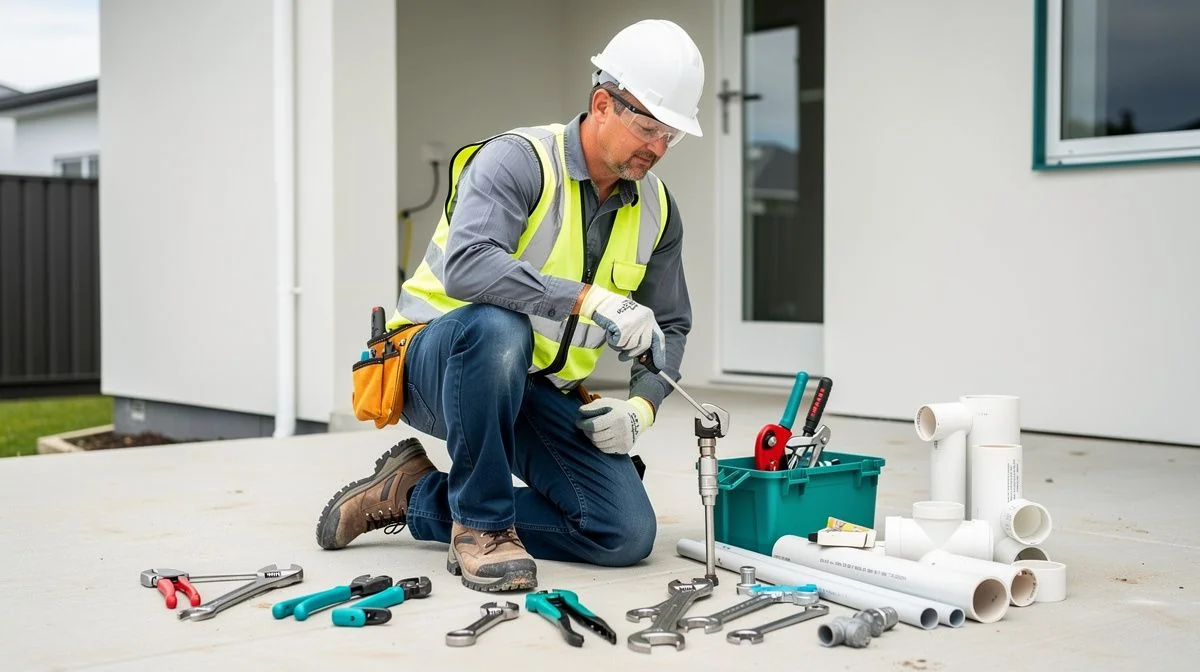
Post-War Pipework and Newer Subdivisions
Porirua's plumbing follows the lines the city was built along. Large parts of the older suburbs went up as state housing in the post-war decades, and much of that pipework has been in the ground ever since, well past its expected life. Original pipes narrow and corrode, and cylinders from that era have long outlived their service window. In these homes, failures tend to arrive in clusters rather than one at a time.
Newer subdivisions were built with modern materials, mains-pressure hot water, and cylinders that are still young, so they behave quite differently. Problems there are more likely to involve fittings, valves and pressure than corroded pipe, and repairs are usually quicker because access is better and parts are current. Asking a plumber which side of the city they normally work tells you which of those two jobs they are best set up for.
Household size shapes hot water demand here too. Porirua is younger and more diverse than the capital, with substantial Māori and Pasifika communities and a strong tradition of multi-generational households, so a cylinder sized for a smaller family empties quickly when the whole house is drawing on it. Motorway and city-centre traffic can add travel time, and that time ends up on your invoice, so ask which part of Porirua a firm covers before you book.
How We Researched This Guide
We began with the licensing rules, because plumbing is a restricted trade and certification is not optional. That means the classes administered by the Plumbers, Gasfitters and Drainlayers Board, and what separates a registered plumber from a certified one.
Price bands come from published New Zealand trade pricing guides compared against each other, so the ranges describe the trade rather than one firm's rate card. We verified every figure against a live source.
Our Trusted Plumbers
We feature businesses that demonstrate strong performance, proven experience, and consistently positive customer feedback. Some of the providers listed may have commercial relationships with us, but all are selected based on quality and reliability.
To begin, reach out to them and speak with them directly — this helps you explain your job, ask questions, and confirm whether they're the right fit.
The experts in Plumbing & Electrical. When you hire a Laser Plumber or Electrician, you'll receive our 'Totally Dependable' service! Timely delivery, a promise of care and skill; appropriate work for customers' needs; well-presented, professional employees; responsibility for supplied materials, honouring manufacturer guarantees; and meeting and frequently exceeding our customers' expectations.
The 60-Second Version
If you read nothing else, read this.
- Plumbers here charge roughly $90–$160 an hour excluding GST, with $90–$140 the common band and the Wellington region at the upper end.
- A standard-hours call-out runs $70–$150 and usually includes travel plus the first 30 minutes.
- After-hours call-outs are $150–$250, with labour at $160–$300 an hour and basic repairs reaching $400–$600.
- Only a certifying plumber can sign off compliance paperwork for regulated work.
- Older homes are most likely to have ageing pipework and failing cylinders.
- Turn off the water at the mains and wait until morning unless the situation is genuinely unsafe.
What Plumbers Charge in Porirua
Porirua sits inside the Wellington region, which is priced at the top of the national range alongside Auckland and Queenstown. Expect the upper half of the bands below, particularly on older homes with limited subfloor access.
| Job | Typical cost (excl. GST) |
|---|---|
| Standard hourly rate | $90–$160, commonly $90–$140 |
| Call-out, standard hours | $70–$150, usually includes travel and the first 30 minutes |
| After-hours call-out | $150–$250, plus $160–$300 an hour |
| Drain unblocking | $150–$300 |
| Leaking pipe repair | $120–$250 |
| Hot water cylinder repair | $250–$450 |
| Toilet or tap repair | $120–$200 |
| Full bathroom plumbing installation | $2,000–$5,000 or more |
Ranges verified from published New Zealand trade pricing guides and provider quotes as at September 2026. Many plumbers charge a minimum that includes the first hour of work.
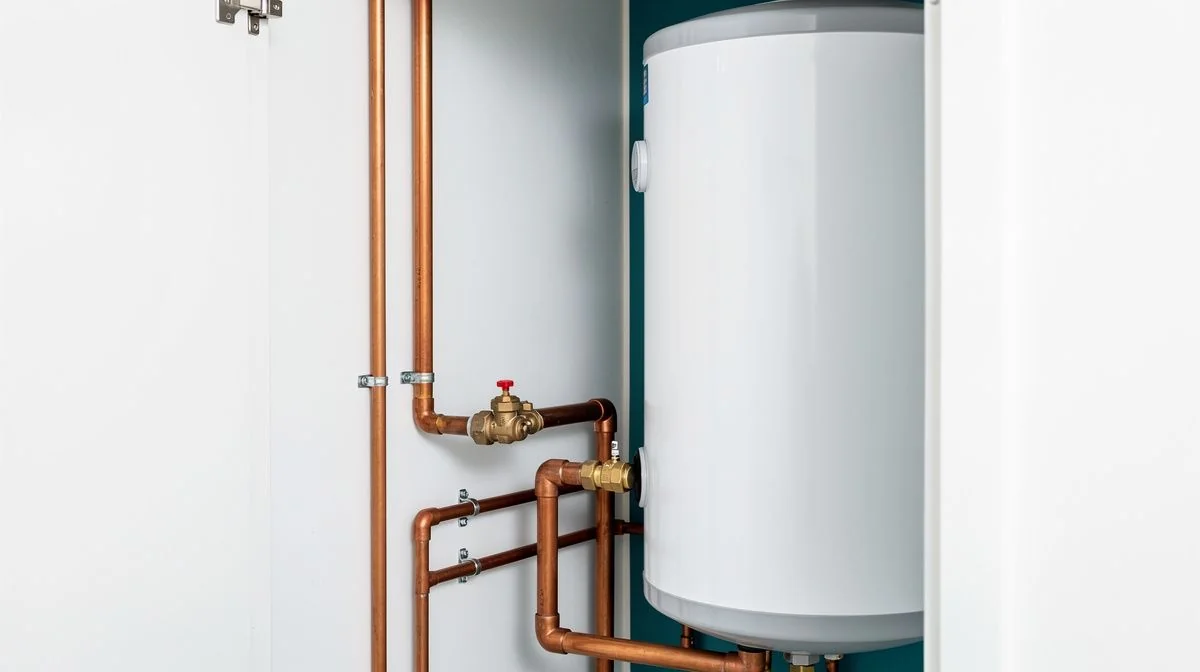
The After-Hours Call-Out Is Where Money Disappears
Night call-outs are the most expensive plumbing a household can buy. The fee alone is $150–$250, labour behind it runs $160–$300 an hour, and an ordinary repair reaches $400–$600. Public holidays and weekends sit at the top of every one of those bands.
Nearly all of that surcharge is avoidable. Find your stopcock, the valve where water enters the property, and close it. Once you isolate the supply, an active leak becomes a contained problem that causes no further damage while everyone sleeps.
Then ring in the morning. Unless water is reaching electrical fittings, a ceiling is sagging, or sewage is rising through a waste, there is no reason to pay emergency rates. Isolating the leak is the whole job at that hour.
What a Call-Out Fee Includes — and What It Does Not
A call-out fee covers the plumber arriving, not the repair. Typically it includes travel and the first 30 minutes on site. Beyond that window, the hourly rate applies, and after-hours bookings start at the higher rate.
Usually excluded: parts, extra labour past the included time, and a second visit when something has to be ordered. Most firms also have a minimum charge covering the first full hour, so ask about it on the phone rather than on the doorstep.
Local Factors That Shape the Job
Post-War State Housing and Ageing Pipework
A large share of Porirua's older housing went up in the post-war decades, and much of its plumbing has been in place ever since. Original pipework narrows, corrodes and eventually leaks, and cylinders of that era have long passed their expected service life. In these homes, failures come in clusters rather than one at a time.
Newer Subdivisions with Modern Systems
The newer parts of the city were built with modern materials and mains-pressure hot water, and they behave quite differently. Problems there are more likely to involve fittings, valves and pressure than corroded pipe, and repairs are usually quicker because access is better and parts are current.
A Rental Market and Larger Households
A substantial rental market runs alongside owner-occupied housing. Porirua is also younger and more diverse than the capital, with substantial Māori and Pasifika communities and a strong tradition of multi-generational households, so hot water demand per property is often higher than the national norm.
Who Can Sign Off Regulated Work
Plumbing authorisation is divided into classes. A registered plumber can carry out plumbing work; a certifying plumber can also certify it. Only a certifier's sign-off meets the compliance requirements attached to regulated work.
That has practical consequences. Sanitary plumbing, drainage and water supply work requiring certification cannot be legally completed by someone who is registered but not certifying. Where paperwork is required, the person doing the work must be able to produce it.
Ask before booking, not afterwards: are you a certifying plumber, and will you certify this? Certification also protects you when you sell the property, because a buyer's inspector will ask for the record.
Repair or Replace: The Cylinder Decision
A hot water cylinder rarely fails at once. A repair usually costs $250–$450. Replacement costs more, but renews the entire unit rather than one component, and it is the only option once the tank itself has failed.
Repair is the right choice when the fault sits in a serviceable part: an element, a thermostat, a relief valve, a tempering valve, or a leaking fitting at the top. In those cases, the tank itself is still sound.
Replacement is the right choice when the shell is leaking, rust is visible on the body, the base is weeping, or the cylinder is already old. A leaking shell cannot be reliably patched, and in the older housing stock here that scenario is common.
The decision becomes obvious when the numbers converge. If a repair sits near the top of the $250–$450 band and the unit is near the end of its life, the money buys only a short extension. Put it toward a newer cylinder sized for your household instead.
Choosing a Plumber in Porirua
Start with the licence class if your job needs certification, then ask which side of the city the firm covers. Traffic around the motorway and the Porirua CBD can add travel time, and travel time ends up on your invoice.
Ask for the call-out fee and the hourly rate separately, and ask whether the first visit is diagnosis only. In older homes, the fault isn't always where the symptom appears, so knowing which visit you are paying for avoids an awkward conversation later.
Warning Signs
- No licence class offered. A plumber should be able to say immediately whether they are registered or certified
- A firm price for an unseen fault. On ageing pipework, anyone quoting precisely without looking is guessing.
- Pressure to replace rather than repair. Ask exactly where the leak is and get a plain answer first.
- No paperwork. Invoices and certificates matter for warranties, tenancy records and insurance.
- Vague answers on the minimum charge. If they bill the first hour regardless, they should say so upfront.
Questions You Might Have
How do I tell if my cylinder is near the end of its life?
Age, visible rust on the tank body and dampness at the base are the practical signs. If a repair is quoted near the top of the $250–$450 band, ask directly whether the unit is worth keeping.
Should a landlord or tenant arrange the plumber?
The landlord is normally responsible for repairs and maintenance, so they usually arrange the tradesperson. Tenants should report the fault promptly in writing, because delay causes most tenancy disputes rather than cost.
Is a night call-out ever justified?
Yes, for a lost water supply, unstoppable flooding, a gas smell, or a cylinder leaking from the shell. If you can isolate the water, the job can wait until morning at a much lower rate.
Why does hot water run out faster in a full house?
Cylinder size and recovery rate match household needs. A full house drawing on a cylinder sized for a smaller family will empty it quickly, and the fix is often capacity, not repair.
What Matters Most
Porirua rewards knowing which house you are in. Older post-war stock needs an honest conversation about ageing pipes and cylinders nearing the end of their life. Newer subdivisions usually need a straightforward repair and a fair call-out fee.
Either way, you save money the same way: isolate the water, avoid the after-hours rate, and confirm your plumber can certify the work they are doing. For a wider look at the trade and what jobs cost, see our main guide to plumbers in New Zealand.

The ValueHub Team built this site because finding clear, unbiased financial information in New Zealand was harder than it should be. Every guide is based on real research — we compare the actual fees, terms, and fine print so you don't have to. Our tip: shop around every year, read the policy docs, and never assume loyalty gets you the best deal.— The ValueHub Team
Try our Calculators
Use these free tools to crunch the numbers:
KiwiSaver Fund Comparison
Compare fees, returns, and risk levels across every KiwiSaver fund — the most up to date data in New Zealand.
Currency Converter — USD to NZD
Convert US Dollars to New Zealand Dollars instantly. See the latest exchange rate and 30-day trend.
Mortgage Repayment Calculator
Calculate your weekly, fortnightly, or monthly mortgage repayments. Free NZ mortgage calculator — try different rates, terms, and repayment frequencies.
Compound Interest Calculator
See how your savings grow with compound interest over time. Free NZ compound interest calculator with yearly, monthly, and weekly compounding options.
Term Deposit Calculator
Calculate your term deposit returns before you lock in. Compare interest earned across different terms and rates with ValueHub's free calculator.
Savings Goal Calculator
Calculate how long it will take to reach your savings goal — and what monthly deposit you need to get there. Free NZ savings planner.
Plumbers in Other Cities
Latest Guides & Reviews
KiwiSaver and Tax — PIR, ESCT and What You Actually Pay
KiwiSaver is taxed twice — ESCT on your employer's contribution and your PIR on the fund's returns. How each rate is set, and the two most members never check.
reviewInvestNow KiwiSaver Scheme Review
InvestNow KiwiSaver review: 45 open funds, fund charges from 0.03 to 1.38 per cent, and net returns to 30 June 2026.
reviewKernel KiwiSaver Scheme Review
Kernel KiwiSaver review: 25 open funds, fund charges from 0.25 to 0.45 per cent, and net returns to 30 June 2026.
guideTax Debt in New Zealand — The Numbers
Official figures on New Zealand's overdue tax debt: the total, the collectable share, which customer groups hold it, and how much is repaid or written off.