Best Podiatrists in Masterton
Published 31 March 2025 · Updated 18 August 2026
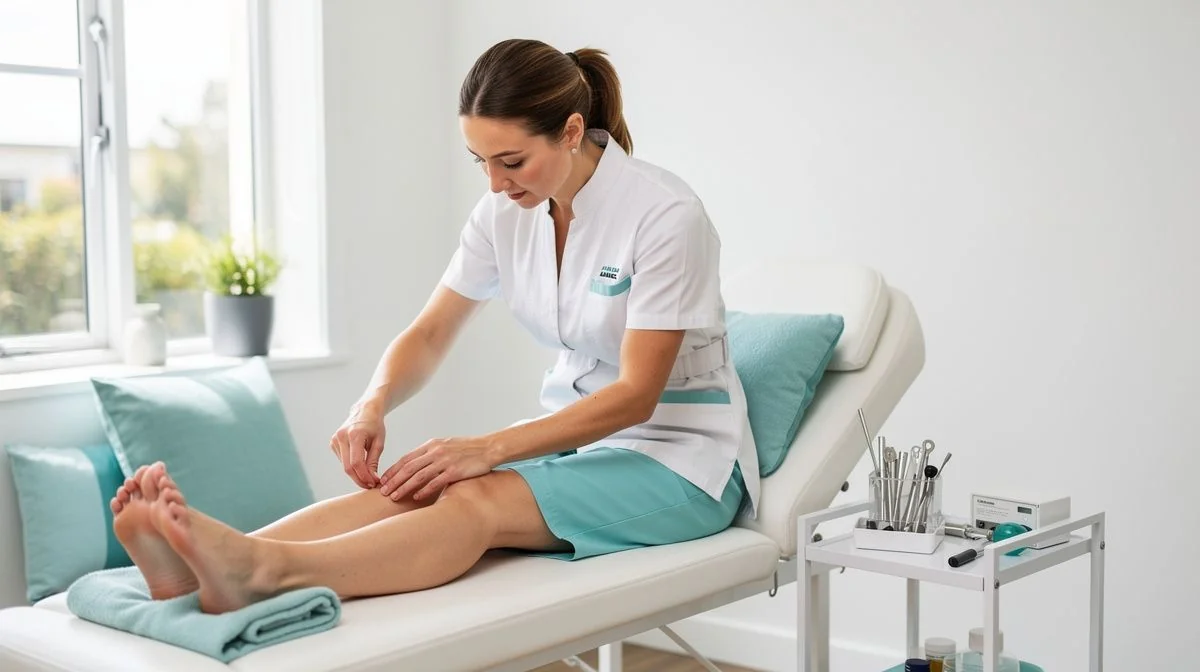
Best Podiatrists in Masterton
Finding the right podiatrist in Masterton can make a real difference to your foot health. Whether you're dealing with ongoing heel pain, ingrown toenails, diabetic foot care, or just need a routine check-up, it pays to choose someone with the right skills and experience.
Masterton is home to several podiatry clinics, but not every practitioner will be the best fit for your specific needs. This guide will help you sort through the options, ask the right questions, and get the best results from your treatment.
What to look for when hiring a Podiatrist in Masterton
When you're searching for a podiatrist, start with the basics. In New Zealand, all podiatrists must be registered with the Podiatrists Board of New Zealand and hold a current annual practising certificate. You can check a practitioner's registration status on the board's website — that's a simple first step.
Beyond registration, look for someone who has experience with your particular issue. Podiatrists often develop special interests, such as sports injuries, paediatric care, or biomechanical assessments. If you're a runner with recurrent plantar fasciitis, a podiatrist who works regularly with athletes will understand your needs better.
Consider the clinic's location and hours. Masterton's podiatry services are spread across the town, from the central area to outlying suburbs. Think about whether you need weekend appointments or early morning slots to fit around work. Some clinics also offer home visits for elderly or less mobile patients — worth asking about if that applies to you.
Another factor is the range of services offered. Some Masterton podiatrists provide nail surgery, custom orthotics, and diabetic foot assessments in-house, while others may refer you elsewhere for specialised treatments. A clinic that can handle multiple issues under one roof can save you time and hassle.
- Check registration with the Podiatrists Board of New Zealand
- Look for experience with your specific foot problem
- Consider clinic location, hours, and home visit options
- Ask about the range of services available on-site
- Read online reviews but take them with a grain of salt
Key questions to ask before hiring
Before you book an appointment, it pays to ask a few questions over the phone or during an initial consultation. This helps you understand what to expect and whether the podiatrist is a good match for you.
Start with qualifications and experience. Ask how long they've been practising and whether they've dealt with cases like yours before. For example, if you have diabetes, you want someone who regularly manages diabetic foot health and understands the risks involved.
Find out about the treatment approach. Will they recommend a short course of treatment or a long-term plan? Do they focus on conservative methods first, or are they quick to suggest surgery? A good podiatrist will explain their reasoning clearly and offer options.
Ask about orthotics if you think you might need them. Some podiatrists provide custom-made orthotics, while others may prescribe off-the-shelf supports. Understand the cost and process for getting them, including whether follow-up adjustments are included.
It's also wise to ask about cancellation policies and appointment lengths. Some clinics run 20-minute slots, others are 30 minutes or more. Knowing this upfront helps you plan your time and budget.
- How many years have you been practising?
- Have you treated patients with my condition before?
- What does your typical treatment plan look like?
- Do you provide custom orthotics? What's the cost?
- How long are appointments, and what's the cancellation policy?
- Can I claim through ACC or my private health insurance?
Tips for getting the best results
Once you've chosen a podiatrist, there are things you can do to make the most of your appointments. First, be honest about your symptoms and lifestyle. If you're in pain after walking the dog each morning, or you've been ignoring a sore spot for months, tell your podiatrist. The more they know, the better they can help.
Wear the shoes you normally use day-to-day, or bring them along. Your everyday footwear tells a podiatrist a lot about your foot mechanics and pressure points. Wearing thongs or jandals all year might explain that heel pain, for example.
Follow through on the home care advice. Whether it's stretching exercises, ice therapy, or new insoles, consistency is key. Podiatrists can't fix everything in one session — much of the progress depends on what you do between appointments.
If you're given orthotics or exercises, give them a fair trial. Some treatments take weeks to show improvement. Don't give up after a few days if you don't feel an instant change. That said, if something hurts more or feels wrong, let your podiatrist know. They may need to adjust the plan.
Keep a record of your progress. Note down when your pain flares up or eases, what activities help or hinder, and any changes in your feet. Sharing these notes at follow-up visits helps your podiatrist fine-tune your treatment.
A note about costs and getting quotes
Podiatry costs in Masterton vary depending on the clinic, the type of consultation, and any additional treatments like orthotics or nail surgery. As a general guide, a standard initial consultation might range from $60 to $90, with follow-ups costing less. However, prices change, so it's always best to ask the clinic directly.
If your foot problem is the result of an accident, you may be eligible for ACC cover. In that case, the cost of treatment may be partially or fully covered. Check with the clinic before your appointment — they can advise on whether you need a doctor's referral and what ACC subsidy applies.
Private health insurance may also cover podiatry visits, depending on your policy. Contact your insurer to find out what's included and whether you need a referral from your GP.
When getting quotes, ask for a breakdown of costs. Some clinics charge a single fee for the consultation and any initial treatment. Others may add on extra charges for custom orthotics, follow-up adjustments, or specialised assessments like gait analysis. Knowing the total picture helps you avoid surprises.
It's worth contacting two or three clinics to compare prices and services. Don't automatically choose the cheapest option — the most experienced podiatrist with a strong track record may charge more but could save you time and discomfort in the long run. Balance cost with the quality of care and the practitioner's expertise.
Also ask about payment options. Some clinics accept EFTPOS and credit cards, while others may offer payment plans for larger expenses like orthotics. If you're on a tight budget, mention this upfront — some practitioners can suggest lower-cost alternatives or phased treatment plans.

The ValueHub Team built this site because finding clear, unbiased financial information in New Zealand was harder than it should be. Every guide is based on real research — we compare the actual fees, terms, and fine print so you don't have to. Our tip: shop around every year, read the policy docs, and never assume loyalty gets you the best deal.— The ValueHub Team
Try our Calculators
Use these free tools to crunch the numbers:
KiwiSaver Fund Comparison
Compare fees, returns, and risk levels across every KiwiSaver fund from all 31 NZ providers.
Currency Converter — USD to NZD
Convert US Dollars to New Zealand Dollars instantly. See the latest exchange rate and 30-day trend.
Mortgage Repayment Calculator
Calculate your weekly, fortnightly, or monthly mortgage repayments. Free NZ mortgage calculator — try different rates, terms, and repayment frequencies.
Compound Interest Calculator
See how your savings grow with compound interest over time. Free NZ compound interest calculator with yearly, monthly, and weekly compounding options.
Term Deposit Calculator
Calculate your term deposit returns before you lock in. Compare interest earned across different terms and rates with ValueHub's free calculator.
Savings Goal Calculator
Calculate how long it will take to reach your savings goal — and what monthly deposit you need to get there. Free NZ savings planner.
Podiatrists in Other Cities
Latest Guides & Reviews
New Zealand Financial Markets Authority Guide: Investor Protection in NZ
Protect your investments with this practical guide to the FMA — how to check licences, spot scams, and what to do if a provider fails. Verified against...
comparisonEV Home Charger NZ: Costs & Buying Guide
Compare EV home charger costs in NZ — verified prices from $1,299, installation fees, smart features, and what actually matters for your home's power supply.
guideThe Most Popular EVs in New Zealand
The best-selling electric cars in New Zealand, ranked by official registration data. Top BEV and PHEV models and brands, updated monthly.
guideEV Market Stats
New Zealand's EV market in numbers — market share, fleet size, top-selling models and used imports, updated with the latest NZTA and MIA data.