Best Podiatrists in Paraparaumu
Published 31 March 2025 · Updated 18 August 2026
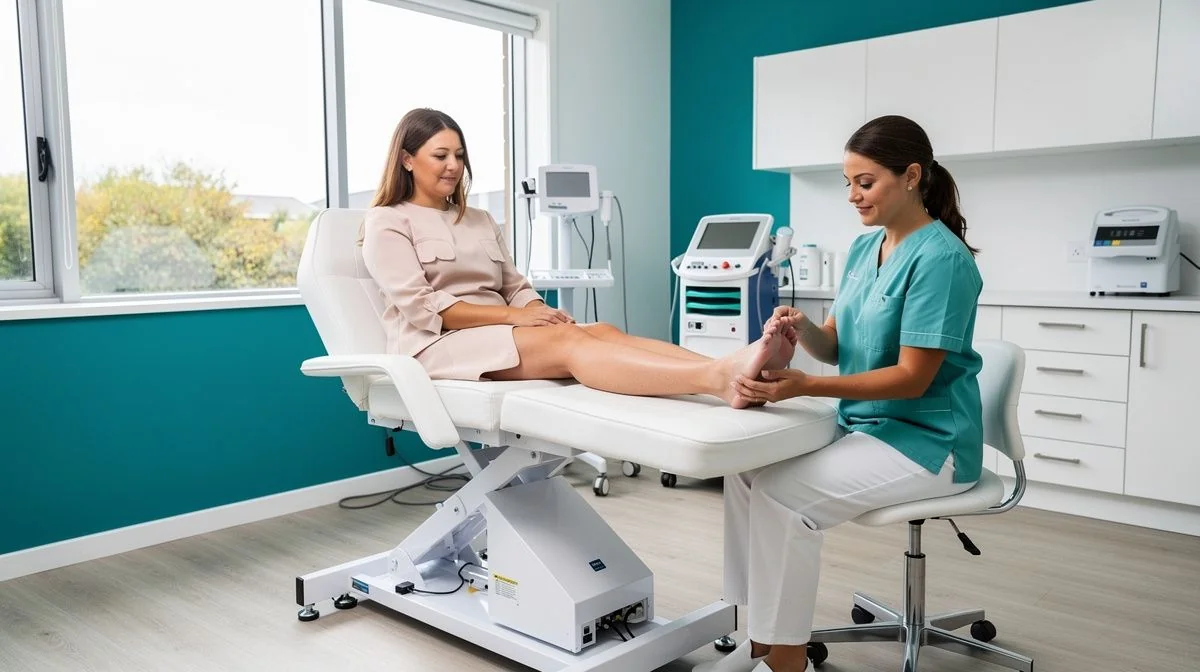
Best Podiatrists in Pararaumu – Finding the Right Foot Care Specialist
Your feet carry you through every day, so when something’s not right, it’s worth seeing a podiatrist. Whether you’re dealing with heel pain, ingrown toenails, sports injuries, or just need a regular check‑up, finding the right podiatrist in Paraparaumu can make all the difference.
Paraparaumu has a handful of experienced podiatrists, but choosing the best one for your needs takes a bit of thought. This guide will help you understand what to look for, what questions to ask, and how to get the best results from your appointment.
What to Look for When Hiring a Podiatrist in Paraparaumu
Not all podiatrists are the same, and your choice should depend on what you need. Here are the key factors to consider:
- Qualifications and registration – Look for a podiatrist registered with the Podiatrists Board of New Zealand. This ensures they meet the required training and ethical standards.
- Experience with your condition – Some podiatrists specialise in sports injuries, diabetic foot care, or paediatric issues. If you have a specific problem, check they’ve treated it before.
- Location and clinic hours – Paraparaumu clinics are spread along the Kapiti Coast. Choose one that’s easy to get to, especially if you need regular appointments. Some offer evening or Saturday hours.
- Range of services – Do they offer biomechanical assessments, orthotics, nail surgery, or shockwave therapy? A full‑service clinic can save you from referrals.
- Patient reviews – Check Google reviews or local Facebook groups. Look for consistent praise about clear communication, gentle treatment, and good results.
- Communication style – A good podiatrist explains things in plain language and listens to your concerns. If you leave an initial chat feeling confused, that’s a warning sign.
Don’t be shy about asking the clinic about any of these points when you first call.
Key Questions to Ask Before Hiring a Podiatrist
Asking the right questions can save you time, money, and discomfort. Here are ones that matter:
- “What is your experience with my specific foot problem?” – A general answer is fine, but you want reassurance they’ve seen cases like yours before.
- “Do you accept ACC, and how do you handle claims?” – Many podiatrists are ACC‑registered providers. Ask if they do the paperwork for you, or if you need to go through your GP first.
- “What will the first appointment involve?” – Some clinics do a full biomechanical assessment, others a focused exam. Knowing the process helps you prepare.
- “How much will it cost, and what does that cover?” – Get a clear price for the initial consultation and follow‑ups. Ask if orthotics, X‑rays, or extra treatments are extra.
- “How many appointments do you typically recommend for my condition?” – This gives you a rough idea of the treatment journey and total cost.
- “Do you offer a clear treatment plan with goals?” – A good podiatrist will outline what they aim to achieve and how you’ll know it’s working.
Write down the answers so you can compare clinics later.
Tips for Getting the Best Results from Your Podiatrist
Your podiatrist can only work with what you tell them. Follow these tips to make the most of your appointments:
- Be honest about your symptoms and habits – Describe your pain in detail, including when it started and what makes it worse. Mention your job, exercise routine, and what shoes you wear most.
- Bring your usual footwear – Podiatrists often assess your shoes to check for wear patterns and support. This helps them give better advice.
- Stick with the recommended treatment plan – If you’re given exercises, orthotics, or follow‑up visits, try to follow them consistently. Results often take weeks, not days.
- Ask about home care – Simple things like icing, stretching, or changing your lacing technique can speed up recovery. Don’t wait for the podiatrist to suggest them – ask.
- Keep a diary of your foot health – Note down pain levels, activities, and any changes. This can help your podiatrist adjust your plan over time.
- Give feedback – If something doesn’t feel right or isn’t working, say so. Your podiatrist can tweak the approach, but only if you speak up.
Remember, you’re a partner in your own care. The more you engage, the better the outcome.
A Note About Costs and Getting Quotes
Podiatry costs in Paraparaumu vary depending on the clinic, the type of treatment, and whether you’re an ACC claimant. As a general pattern, expect to pay:
- Initial consultation – typically between $60 and $100 for a standard appointment, more if it includes a full biomechanical assessment.
- Follow‑up appointments – usually $40 to $80 per session.
- Custom orthotics – can range from $200 to $600, depending on the type and materials.
- Nail surgery or other procedures – often billed separately, so ask upfront.
Many podiatrists are ACC‑registered, which can cover some or all of the cost if your foot problem is injury‑related. You’ll need a referral from your GP or a claim number first – check with the clinic about their process.
Some private health insurance plans also cover podiatry. Ring your insurer to confirm what’s covered and whether you need a referral.
It’s a good idea to get quotes from a couple of clinics before booking. Ask for the total cost of the first visit (including any extras like X‑rays or assessments), and whether they offer any packages or discounts for ongoing care. Most clinics are happy to quote over the phone.
By comparing costs and services, you can find a podiatrist in Paraparaumu who fits both your feet and your budget.

The ValueHub Team built this site because finding clear, unbiased financial information in New Zealand was harder than it should be. Every guide is based on real research — we compare the actual fees, terms, and fine print so you don't have to. Our tip: shop around every year, read the policy docs, and never assume loyalty gets you the best deal.— The ValueHub Team
Try our Calculators
Use these free tools to crunch the numbers:
KiwiSaver Fund Comparison
Compare fees, returns, and risk levels across every KiwiSaver fund from all 31 NZ providers.
Currency Converter — USD to NZD
Convert US Dollars to New Zealand Dollars instantly. See the latest exchange rate and 30-day trend.
Mortgage Repayment Calculator
Calculate your weekly, fortnightly, or monthly mortgage repayments. Free NZ mortgage calculator — try different rates, terms, and repayment frequencies.
Compound Interest Calculator
See how your savings grow with compound interest over time. Free NZ compound interest calculator with yearly, monthly, and weekly compounding options.
Term Deposit Calculator
Calculate your term deposit returns before you lock in. Compare interest earned across different terms and rates with ValueHub's free calculator.
Savings Goal Calculator
Calculate how long it will take to reach your savings goal — and what monthly deposit you need to get there. Free NZ savings planner.
Podiatrists in Other Cities
Latest Guides & Reviews
New Zealand Financial Markets Authority Guide: Investor Protection in NZ
Protect your investments with this practical guide to the FMA — how to check licences, spot scams, and what to do if a provider fails. Verified against...
comparisonEV Home Charger NZ: Costs & Buying Guide
Compare EV home charger costs in NZ — verified prices from $1,299, installation fees, smart features, and what actually matters for your home's power supply.
guideThe Most Popular EVs in New Zealand
The best-selling electric cars in New Zealand, ranked by official registration data. Top BEV and PHEV models and brands, updated monthly.
guideEV Market Stats
New Zealand's EV market in numbers — market share, fleet size, top-selling models and used imports, updated with the latest NZTA and MIA data.