Best Podiatrists in Taupo
Published 31 March 2025 · Updated 18 August 2026
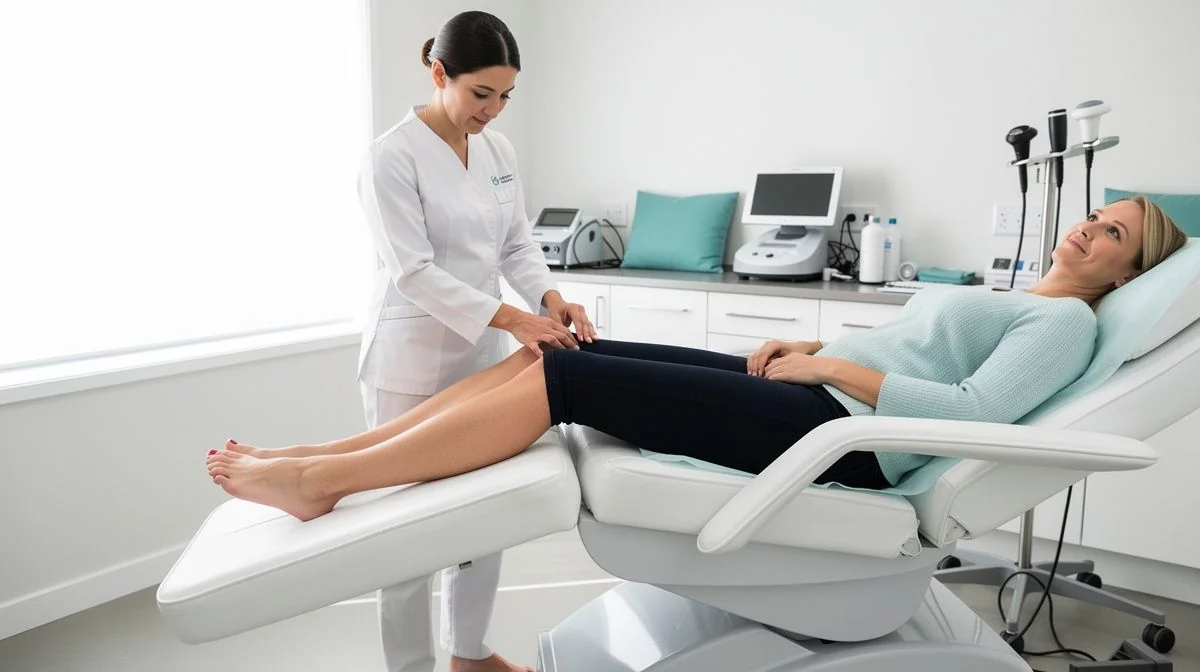
Best Podiatrists in Taupo
If you live in or around Taupo, your feet probably get a fair workout. Between weekend tramps around the lake, mountain biking in the forest, and the daily grind on hard surfaces, it's no surprise that many locals end up needing a podiatrist. Whether you're dealing with a stubborn case of plantar fasciitis, ingrown toenails, or diabetic foot care, finding the right podiatrist in Taupo makes all the difference.
Taupo is a regional hub with a handful of podiatry clinics that serve the wider Waikato area. The good news is that most podiatrists in New Zealand are highly trained professionals registered with the Podiatry Board of New Zealand. But not every practitioner is the best fit for your specific needs. This guide walks you through what to look for, what to ask, and how to get the most out of your appointment.
What to look for when hiring a Podiatrist in Taupo
1. Registration and qualifications
All podiatrists in New Zealand must be registered with the Podiatry Board of New Zealand and hold an Annual Practising Certificate. This is non-negotiable. You can check their registration status on the Board's website. A registered podiatrist has completed a recognised four-year degree and meets ongoing professional development requirements.
2. ACC registration
If you're claiming for an injury – a twisted ankle, a stress fracture, or a sports-related foot problem – you'll want a podiatrist who is an ACC-registered treatment provider. Most Taupo podiatrists hold this status, but it pays to confirm when you book. This means you can claim part of the cost back from ACC.
3. Special interests and experience
Podiatrists often develop areas of expertise. Some focus on sports injuries and biomechanics, others on elderly foot care or diabetic foot health. If you're a runner, look for someone with a background in gait analysis and custom orthotics. If you have a condition like diabetes, find a podiatrist experienced in high-risk foot care and wound management.
4. Range of services offered
A good podiatry clinic in Taupo should offer a broad set of treatments. Common services include:
- General nail and skin care (corn removal, ingrown toenails)
- Custom orthotics and shoe inserts
- Gait analysis and biomechanical assessment
- Shockwave therapy for chronic conditions
- Diabetic foot screening and care
- Sports injury management
More options give you flexibility if your condition changes or if you need a second opinion from the same clinic.
5. Location and accessibility
Taupo's main podiatry clinics are located near the town centre, which is convenient if you live in or near the CBD. If you're coming from farther out – say Turangi, Tokoroa, or Mangakino – check the clinic's parking availability and whether they have wheelchair access. Some podiatrists also offer home visits for elderly or housebound patients; ask when you call.
6. Communication and bedside manner
A podiatrist who explains things clearly and listens to your concerns is worth their weight in gold. You should feel comfortable describing your symptoms and asking questions. Read online reviews or ask for recommendations from your GP or physio to get a sense of a podiatrist's communication style.
Key questions to ask before hiring
Before you commit to a course of treatment, it's smart to ask a few straightforward questions. Here are the most important ones to fire away:
- Are you registered with the Podiatry Board of New Zealand and do you have a current Annual Practising Certificate?
You can verify this yourself, but asking shows you're informed. - Are you an ACC accredited treatment provider?
This is vital if your issue is injury-related. - What experience do you have with my particular foot condition?
For example, if you have flat feet or heel spurs, you want someone who treats those regularly. - What treatment options do you recommend, and what are the likely costs?
A transparent answer helps you budget and compare providers. - How many sessions will I likely need?
Some conditions resolve in one or two visits; others require ongoing management. - Do you offer a free initial consultation or a phone chat?
Not all do, but it's worth asking about – especially if you're unsure whether podiatry is the right path. - Can you provide a written treatment plan and cost estimate?
This is standard practice, but always request it in writing before starting expensive treatments like custom orthotics. - Do you take referrals from GPs or physiotherapists, and should I have one before booking?
While you can usually self-refer, a referral may help with ACC claims or private health insurance.
Tips for getting the best results
Seeing a podiatrist is a two-way street. The more you prepare, the more you'll get out of each appointment.
- Bring your regular shoes and any orthotics you already use.
Your podiatrist needs to see what you're walking in every day – worn-out soles tell a story. - Write down your symptoms before you arrive.
Note when the pain started, what makes it worse, and what helps. The more specific you are, the quicker the diagnosis. - Arrive with clean, uncovered feet.
This seems obvious, but podiatrists often see people who've come straight from work or the gym. Fresh feet make the examination easier. - Follow the home-care instructions.
Stretches, icing routines, and offloading exercises are often as important as the in-clinic treatment. Skimping on these can delay healing. - Give your treatment time to work.
Some conditions like plantar fasciitis can take weeks to improve. Trust your podiatrist's timeline and only change course if you're not seeing any progress after the expected period. - Ask about footwear advice.
A good podiatrist won't just treat your feet – they'll also give you guidance on appropriate shoes for work, sport, and daily life. This alone can prevent recurrence. - Keep a simple journal of your progress between visits.
Note any changes in pain levels or mobility. This helps your podiatrist fine-tune the treatment plan.
A note about costs and getting quotes
Podiatry fees in Taupo vary depending on the practitioner's experience, the complexity of your condition, and the specific treatments required. Standard consultation fees typically range from around $60 to $100 for an initial appointment, with follow-up visits slightly less. Custom orthotics are a larger investment, often costing between $200 and $600 depending on the type and material.
If you have an ACC claim, you may qualify for a subsidy on the consultation fee. Your podiatrist will need to lodge the claim electronically, so bring your ACC claim number if you have one. It's also worth checking whether your private health insurance covers podiatry – many policies do, especially if you have a referral from your GP.
<p

The ValueHub Team built this site because finding clear, unbiased financial information in New Zealand was harder than it should be. Every guide is based on real research — we compare the actual fees, terms, and fine print so you don't have to. Our tip: shop around every year, read the policy docs, and never assume loyalty gets you the best deal.— The ValueHub Team
Try our Calculators
Use these free tools to crunch the numbers:
KiwiSaver Fund Comparison
Compare fees, returns, and risk levels across every KiwiSaver fund from all 31 NZ providers.
Currency Converter — USD to NZD
Convert US Dollars to New Zealand Dollars instantly. See the latest exchange rate and 30-day trend.
Mortgage Repayment Calculator
Calculate your weekly, fortnightly, or monthly mortgage repayments. Free NZ mortgage calculator — try different rates, terms, and repayment frequencies.
Compound Interest Calculator
See how your savings grow with compound interest over time. Free NZ compound interest calculator with yearly, monthly, and weekly compounding options.
Term Deposit Calculator
Calculate your term deposit returns before you lock in. Compare interest earned across different terms and rates with ValueHub's free calculator.
Savings Goal Calculator
Calculate how long it will take to reach your savings goal — and what monthly deposit you need to get there. Free NZ savings planner.
Podiatrists in Other Cities
Latest Guides & Reviews
New Zealand Financial Markets Authority Guide: Investor Protection in NZ
Protect your investments with this practical guide to the FMA — how to check licences, spot scams, and what to do if a provider fails. Verified against...
comparisonEV Home Charger NZ: Costs & Buying Guide
Compare EV home charger costs in NZ — verified prices from $1,299, installation fees, smart features, and what actually matters for your home's power supply.
guideThe Most Popular EVs in New Zealand
The best-selling electric cars in New Zealand, ranked by official registration data. Top BEV and PHEV models and brands, updated monthly.
guideEV Market Stats
New Zealand's EV market in numbers — market share, fleet size, top-selling models and used imports, updated with the latest NZTA and MIA data.