Best Roofers in Hamilton
Published 25 August 2026 · Updated 24 August 2026
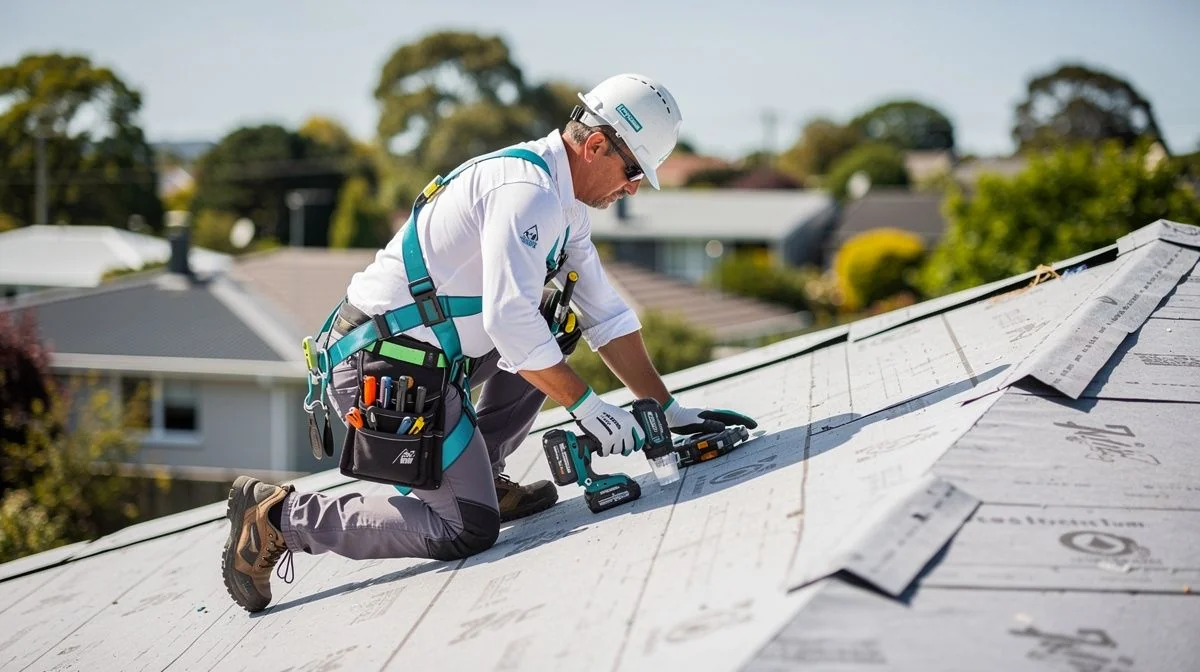
Why a Good Roofer Matters in Hamilton
Drive around Hamilton, and you will notice most roofs are long-run Colorsteel, and there is a reason: it sheds Waikato rain well and withstands the strong summer UV better than almost anything else. That dominance means local roofers know steel inside out. Which is useful, but it also means the roofer you pick still needs to know your specific home, because the new subdivisions and the older suburbs have very different roofing needs.
The city's growth keeps a steady pipeline of new builds moving, while the established suburbs have homes with aging roofs that need real attention. A good local roofer works across both.
A standard full re-roof in Hamilton typically costs $14,000 to $45,000; a small repair might be a few hundred dollars. Roofing is restricted building work, so a Roofing licence under the LBP scheme is the first thing to check.
How We Researched This Guide
We put this guide together by working through the actual rules and real-world pricing, not by guessing. We read the Licensed Building Practitioners scheme requirements and the Roofing licence class competencies to explain exactly what a licence covers, and we checked the LBP public register to show you how to verify a roofer in about 30 seconds.
For pricing, we dug into what Hamilton roofing companies publish on their own websites, as well as current cost guides. We read local material on how the Waikato climate affects roofing so we could explain the rain and UV factors properly. Anything we couldn't confirm, we dropped.
Our Trusted Roofers
We feature businesses that demonstrate strong performance, proven experience, and consistently positive customer feedback. Some of the providers listed may have commercial relationships with us, but all are selected based on quality and reliability.
To begin, reach out to them and speak with them directly — this helps you explain your job, ask questions, and confirm whether they're the right fit.

Roofing Industries | NZ's Metal Roofing & Cladding Manufacturer New Zealand's leading metal roofing & cladding manufacturer Locally designed and manufactured metal roofing, cladding, fencing and rainwater products for residential and commercial application.
The Quick Summary (60-Second Version)
The essentials, quickly:
- Typical cost: a standard Hamilton re-roof runs $14,000–$45,000; a repair is a few hundred dollars.
- How long: a full re-roof takes three to seven days on-site; a repair usually takes a day.
- Best value for most homes: long-run Colorsteel — it suits the Waikato's rain and sun.
- What to check: the roofer's LBP Roofing licence number on the public register.
- The biggest factor: material choice — Colorsteel is the sensible default here.
- The mistake to avoid: letting a small leak sit through a wet Waikato winter.
Roofer Licensing & Regulation — What Actually Matters
In New Zealand, roofing is restricted building work. The person who carries out or supervises the installation of a roof on a home must be licensed in the Roofing class under the LBP scheme, or be supervised by someone who is. It is the law under the Building Act, and it exists because a badly done roof is both dangerous and expensive to put right.
The Roofing licence is not one catch-all. It is split into seven areas of practice, and a roofer is only licensed for the ones they have actually been assessed in. If your roof is tile and the roofer is only licensed in profiled metal, that is the wrong roofer for the job.
| Roofing area of practice | What it covers |
|---|---|
| Profiled metal roof and wall cladding | Long-run steel, corrugated iron, standing seam |
| Concrete or clay tile roof | Tile roofs on character and modern homes |
| Metal tile roof | Decramastic-style stone-coated steel tiles |
| Roof membrane | Flat and low-pitch membrane roofs |
| Torch-on roof membrane | Torch-on membrane systems |
| Liquid membrane roof | Liquid-applied membrane coatings |
| Shingle or slate roof | Shingle and slate roofing |
The Roofing Association of New Zealand (RANZ) is the trade body — an incorporated society that has represented roofing businesses for decades and now counts more than 300 member companies. It is not a regulator, but membership means the business has been vetted against standards for workmanship and conduct. Think of it as a useful second signal, not a substitute for an LBP licence.
Checking is free and takes about 30 seconds. Ask for the roofer's full name and LBP number, then search the public register to confirm they are licensed, which areas of practice they hold, and whether they have been disciplined in the last three years.
Hamilton Pricing — What You Can Expect to Pay
Hamilton roofing prices sit close to the national average, helped by a growing pool of local roofers. What you pay depends most on the material, the roof shape, and the condition of what is underneath.
| Job | Typical cost |
|---|---|
| Small repair or patch | A few hundred to $1,500 |
| Roof inspection | $150–$300 |
| Ridge cap repointing | $800–$2,500 |
| Spouting or gutter replacement | $1,500–$4,000 |
| Long-run Colorsteel (per m²) | $90–$350, most $150–$350 installed |
| Metal tile system (per m²) | $220–$400 installed |
| Small home re-roof (under 100 m²) | $11,640–$21,340 |
| Average home re-roof (100–180 m²) | $21,340–$38,800 |
| Large home re-roof (180 m²+) | $38,800–$72,750 |
Price ranges verified from multiple Hamilton roofing cost guides as of August 2026. Final quotes depend on the roof size, pitch, material, access, and the condition of what is underneath.
The biggest driver is material. Long-run Colorsteel is the most common and most cost-effective choice in Hamilton, and it handles the Waikato's rain and sun well. Metal tiles cost more, and concrete or clay tiles cost more again — and heavier tiles may require structural work if the framing cannot support the load.
Then there is what the roofer finds underneath. Older homes in the established suburbs often have rotten timber, failed underlay or rusted fixings that only show up once the old cladding is off. A good roofer quotes a realistic contingency for this rather than pretending it will not happen.
Ask whether the quote is GST-inclusive and whether removal and disposal of the old roof is included. An itemised written quote covering materials, labour, disposal and scaffolding is what you want.
How to Choose a Roofer — What Actually Matters
Check the licence before anything else. Get the roofer's full name, look them up on the LBP register, and confirm their areas of practice match the job. A roofer licensed in profiled metal should not be quoting a tile roof.
Ask whether they are an approved installer for the material they are recommending. Many manufacturers only honour their warranty if an approved installer installs the roof. A good roofer knows this and can confirm it.
Ask about experience with both new builds and existing homes. Hamilton's market is split between the new subdivisions and the older, established suburbs, and the roofing work differs between them. A roofer who works across both is more useful than one who only does one of them.
Ask about the warranty on both materials and artistry, and who signs off the LBP record of work. That paperwork matters when you sell, and it is your proof the job was done properly.
Walk away if you hear any of this:
- No LBP number, or one that does not appear on the register. That is an instant fail, full stop.
- A quote that is dramatically cheaper than the others. Cheap roofs usually skip underlay, fixings or disposal.
- Pressure to sign today with a big deposit. Reputable roofers provide a written quote and give you time to think.
- No contingency for the timber damage they might find. Every honest roofer allows for it.
- Vague about what happens if they find rotten timber. Every honest roofer has a clear answer.
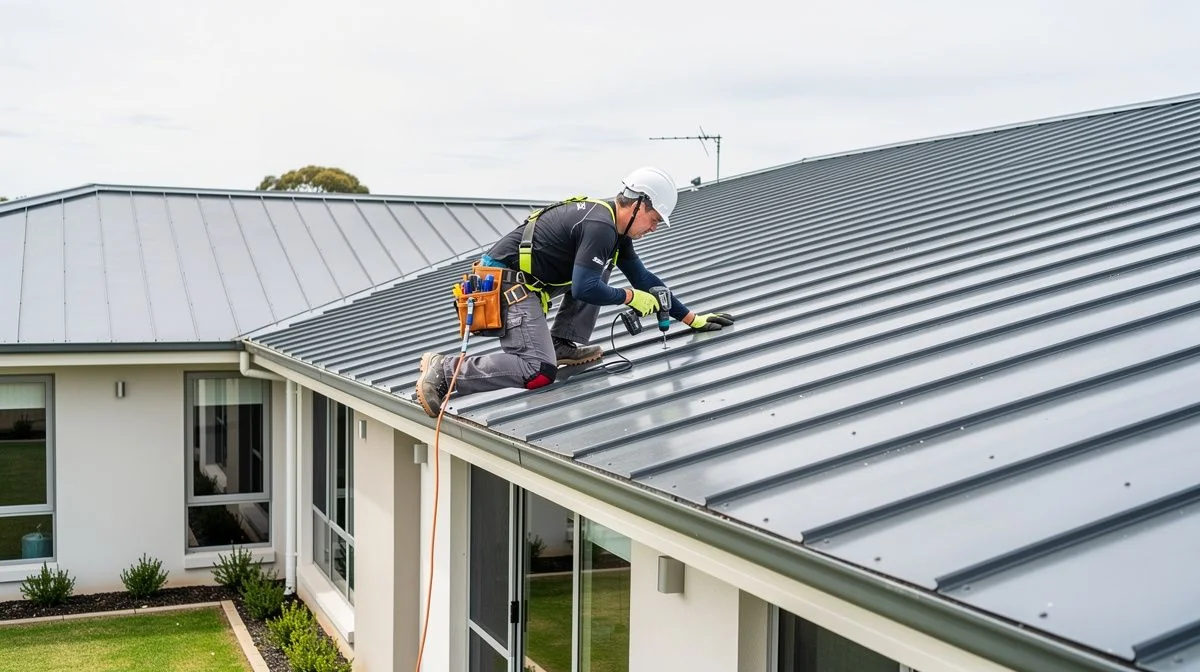
What to Expect When You Call a Roofer
When you call, be ready to describe the problem in plain terms — where the leak is showing up inside, what the roof is made of, roughly when it started, and whether you have had work done on it before. A few photos from the ground help the roofer bring the right gear and the right parts.
Expect the roofer to inspect first, not just start patching. They will look at the roof covering, the flashings around chimneys and penetrations, and often the ceiling space below to trace where water is actually getting in. From there you should get a clear explanation of what is wrong, what it will cost, and what is urgent versus what can wait.
How long common jobs take, as a rough guide:
- Simple leak or flashing repair: half a day to a day.
- Ridge cap repointing: one to two days.
- Spouting or gutter replacement: about a day for a standard single-storey home.
- Partial re-roof of a section: one to three days.
- Full re-roof on a standard home: three to seven days on site, weather permitting.
At the end, the roofer should hand over a record of work for restricted building work, any product warranties, and a clear list of what was done. Keep these — the record of work matters if you ever sell, and the warranty is only useful if you can prove who did the work and when. Do a final walk-around and check for leftover debris.
Hamilton-Specific Risks & Local Factors
Roofing in Hamilton is shaped by the city's growth and the Waikato climate. These are the factors a local roofer should recognise immediately.
Rain and the wet Waikato winters
The Waikato gets plenty of rain, and a leaking roof in a wet winter does damage quickly. The material that sheds water best — long-run Colorsteel — is the sensible default here, and a roof properly detailed for local rainfall will last for decades. Letting a small leak sit through winter is the classic mistake that turns a cheap fix into an expensive one.
UV and summer sun
Hamilton's summers are humid with strong UV, and the sun is hard on roofing coatings. Over time, intense UV breaks down the surface and fades the colour, and it is one of the reasons regular inspection matters. A good-quality coating — the kind the trade ranges carry — stands up to the Waikato sun far better than a cheap one.
The new-build boom
Hamilton's new subdivisions are growing fast, which means a large share of local roofing work is new-build. That is a different job from a re-roof — it is done to spec alongside builders and architects, and the roofer is one part of a bigger team. If you are building, you want a roofer who works well in that context and can deliver on schedule.
Older homes and timber repairs
The established suburbs of Hamilton have a large stock of older homes, and their roofs often hide rotten timber, failed underlay or rusted fixings that only show up once the cladding is off. A roofer who knows older Hamilton homes will quote a realistic contingency for this, rather than pretending the timber is all sound and hitting you with extras mid-job.
Questions You Might Have
Do I need a building consent to re-roof?
Usually not, if it is a like-for-like replacement. Replacing an existing roof with a similar material is generally exempt under Schedule 1 of the Building Act. But significant changes — a heavier material, structural alterations — do need a building consent. A good roofer confirms this with you up front rather than assuming.
Can a roofer work in Hamilton's winter?
It depends on the weather. Installation generally needs a dry roof so that a wet spell can push a job out. Repairs and inspections can often go ahead. A good roofer plans around the forecast and does not pretend otherwise — and booking ahead for the drier summer months is sensible if you can.
How long should a Hamilton roof last?
Properly installed Colorsteel typically lasts 30 to 50 years, and the Waikato's rain and sun are the main things that wear it down. Regular inspection and keeping gutters clear so water does not back up are what keep a roof alive here. Coastal exposure can shorten the lifespan due to salt air.
Is it worth repairing, or should I replace?
If the roof covering is sound and the problem is localised — a failed flashing, a few cracked tiles — repair usually makes sense. If the roof is old, the damage is widespread, or you are chasing a new leak every winter, replacement often costs less over the next decade than repeated patching. A roofing LBP can give you an honest read.
Should I upgrade insulation while the roof is off?
Yes, and it is one of the smartest things you can do. The roof is already off, so adding insulation and upgrading the underlay cost far less than doing them separately and improve the home's warmth and energy efficiency. A good roofer will raise this option, not wait for you to ask.
What Matters Most
Hamilton's wet winters and strong summer sun mean a small, cheap roof fix and a total disaster sit only a few millimetres apart. A $300 flashing reseal now is the difference between a dry ceiling and a $3,000 repair with rotted timber behind it.
Check the licence, get written itemised quotes, and ask about the material and climate factors that matter for your home. Do that, and a roof that is properly done will quietly outlast everything else you own.

The ValueHub Team built this site because finding clear, unbiased financial information in New Zealand was harder than it should be. Every guide is based on real research — we compare the actual fees, terms, and fine print so you don't have to. Our tip: shop around every year, read the policy docs, and never assume loyalty gets you the best deal.— The ValueHub Team
More Roofers in Hamilton
These businesses also operate in this area.
The Roofing Specialists are professional roofers in Hamilton. We handle all your roofing needs for houses, stores, shops & other commercial buildings. Our professional team have years of dedicated roofing experience, supplying and installing roofing systems all around Hamilton and beyond.
Try our Calculators
Use these free tools to crunch the numbers:
KiwiSaver Fund Comparison
Compare fees, returns, and risk levels across every KiwiSaver fund from all 31 NZ providers.
Currency Converter — USD to NZD
Convert US Dollars to New Zealand Dollars instantly. See the latest exchange rate and 30-day trend.
Mortgage Repayment Calculator
Calculate your weekly, fortnightly, or monthly mortgage repayments. Free NZ mortgage calculator — try different rates, terms, and repayment frequencies.
Compound Interest Calculator
See how your savings grow with compound interest over time. Free NZ compound interest calculator with yearly, monthly, and weekly compounding options.
Term Deposit Calculator
Calculate your term deposit returns before you lock in. Compare interest earned across different terms and rates with ValueHub's free calculator.
Savings Goal Calculator
Calculate how long it will take to reach your savings goal — and what monthly deposit you need to get there. Free NZ savings planner.
Roofers in Other Cities
Latest Guides & Reviews
New Zealand Financial Markets Authority Guide: Investor Protection in NZ
Protect your investments with this practical guide to the FMA — how to check licences, spot scams, and what to do if a provider fails. Verified against...
comparisonEV Home Charger NZ: Costs & Buying Guide
Compare EV home charger costs in NZ — verified prices from $1,299, installation fees, smart features, and what actually matters for your home's power supply.
guideThe Most Popular EVs in New Zealand
The best-selling electric cars in New Zealand, ranked by official registration data. Top BEV and PHEV models and brands, updated monthly.
guideEV Market Stats
New Zealand's EV market in numbers — market share, fleet size, top-selling models and used imports, updated with the latest NZTA and MIA data.