Best Roofers in Whanganui
Published 03 April 2025 · Updated 18 August 2026
Best Roofers in Whanganui
Finding a reliable roofer in Whanganui can feel like a big task, especially when your home is your biggest asset. Whether you need a repair after a storm, a full replacement, or just routine maintenance, getting the right person on the job matters. Whanganui’s weather—wind off the Tasman, plenty of rain, and the occasional scorching summer day—puts roofs to the test. A quality roof keeps your family dry and warm, so it pays to choose carefully.
This guide covers what to look for when hiring a roofer in Whanganui, the questions you should ask before any work starts, and tips to get the best result for your home. We’ll also talk about costs and how to compare quotes so you can make an informed decision.
What to look for when hiring a roofer in Whanganui
Not every roofer is the same, so take time to check a few key things before you commit. Here’s what matters most:
- Licensing and qualifications – In New Zealand, roofers should hold a current Licensed Building Practitioner (LBP) designation if they’re doing restricted building work, like structural roof replacements. For smaller repairs, a skilled tradesperson with relevant experience is fine, but always ask. Check with the Ministry of Business, Innovation and Employment (MBIE) or your local council for current requirements.
- Insurance – A reputable roofer will have public liability insurance and cover for their team. Ask for proof. This protects you if something goes wrong or someone gets hurt on your property.
- Local experience – A roofer who has worked in Whanganui for years knows the area’s common roof issues – like wind damage, moss growth in shady spots, and corrosion near the coast. They’ll also understand council consent processes for larger jobs.
- Written quotes and contracts – Always get at least three written quotes. A good contract outlines the scope of work, materials, timeline, payment schedule, and any warranties. Avoid anyone who only gives a verbal estimate.
- References and reviews – Ask for recent references from Whanganui homeowners. Also check online reviews on platforms like Google or Neighbourly. Look for patterns – a few negative comments among many positive ones is normal, but consistent complaints about poor work or communication are red flags.
- Warranty and guarantees – Reputable roofers offer a workmanship warranty (typically 5–10 years). Manufacturers also provide product warranties on materials like steel or tiles. Make sure you understand what’s covered and for how long.
Key questions to ask before hiring
Asking the right questions upfront helps you compare roofers fairly and avoid surprises later. Here are the essentials:
- Are you licensed and insured for this type of work? – If the job requires a building consent, the roofer should be an LBP. For minor repairs, a general insurance check is still wise.
- How long have you been working in Whanganui? – Local experience means they know the climate, common problem materials, and council rules.
- Can you provide a detailed written quote? – A proper quote lists materials, labour, disposal costs, and any extra charges (like scaffolding or skip bins).
- What happens if you find unexpected damage during the job? – A good roofer will discuss how they handle surprises (like rotten timber beneath the roofing) and whether they’ll get your approval before proceeding.
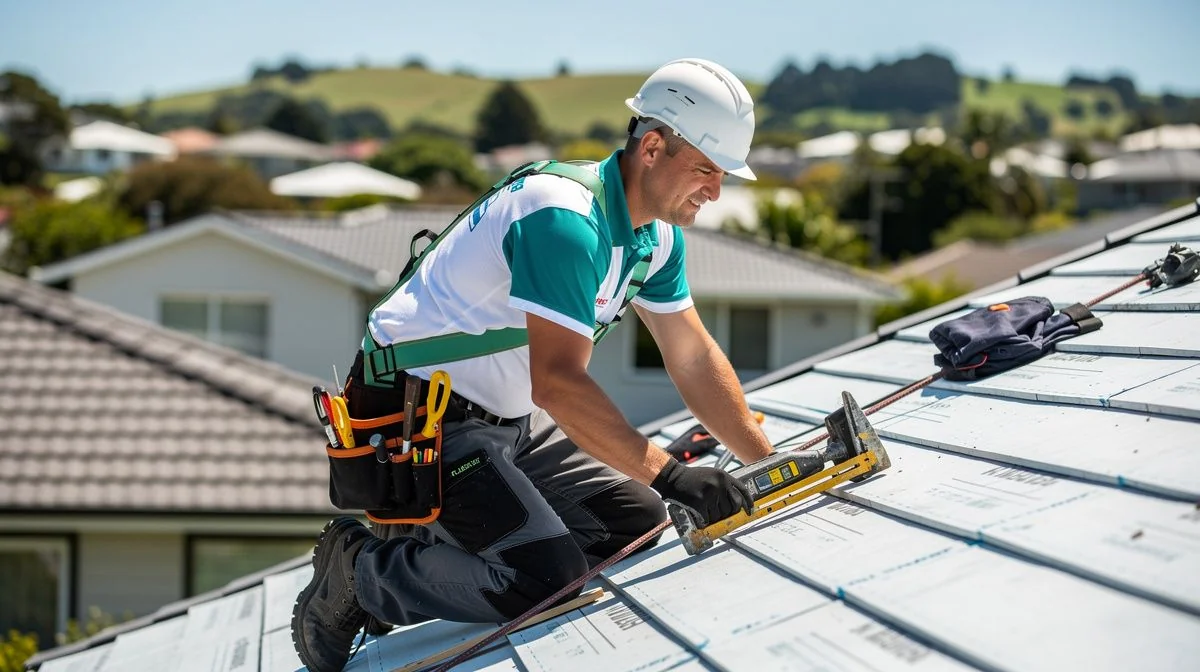
- What safety measures do you take? – Roof work is high-risk. Ask about safety harnesses, edge protection, and site safety plans.
- Do you offer a workmanship warranty? – And who do you call if anything goes wrong after the job?
Tips for getting the best results
Once you’ve chosen a roofer, these steps will help ensure the job goes smoothly and the result lasts:
- Plan ahead – Roof work can be noisy and messy. Let your neighbours know what’s happening and when. If you have solar panels, aerials, or skylights, tell the roofer exactly where they are.
- Check the weather – Whanganui’s weather can change quickly. Good roofers schedule work around dry spells, but ask about their policy if bad weather delays the job.
- Get the consent sorted – For major work (like replacing the entire roof structure), your roofer should help you apply for a building consent from the Whanganui District Council. Don’t skip this – unconsented work can cause problems if you sell your home later.
- Keep a record – Take photos before, during, and after the work. Keep all contracts, invoices, and warranty documents in a safe place.
- Agree on a payment schedule – Avoid paying the full amount upfront. A common approach is a deposit (maybe 10–20%) at the start, then milestone payments, with the final payment after the job is complete and you’re satisfied.
- Inspect the finished work – Walk around your property after the job. Check for leaks (ask the roofer to run a hose over the roof), loose flashings, and tidy gutters. Don’t sign off until everything looks good.
A note about costs and getting quotes
Roofing costs vary widely depending on the size of your roof, the material (steel, tile, asphalt shingles, etc.), the pitch, and how accessible your property is. In Whanganui, a typical replacement for a standard three-bedroom home might cost anywhere from $8,000 to $20,000 or more, but these numbers are rough guides only – actual prices depend on many factors.
The best way to know what you’ll pay is to get three or four quotes from different roofers. When comparing, don’t just look at the total – check what’s included. A cheaper quote might leave out scaffolding, disposal, or GST. A more expensive one could include a longer warranty or better materials.
Be wary of quotes that seem too low. Quality roofers charge a fair price for skilled labour, quality materials, and proper insurance. If a quote is significantly less than others, it might cut corners – or the roofer might not be properly covered if something goes wrong.
Finally, remember that a good roof is an investment. Spending a bit more upfront on a trusted Whanganui roofer often saves you money in the long run by avoiding leaks, premature wear, and costly repairs. Take your time, ask the right questions, and you’ll have a roof that protects your home for decades.

The ValueHub Team built this site because finding clear, unbiased financial information in New Zealand was harder than it should be. Every guide is based on real research — we compare the actual fees, terms, and fine print so you don't have to. Our tip: shop around every year, read the policy docs, and never assume loyalty gets you the best deal.— The ValueHub Team
Try our Calculators
Use these free tools to crunch the numbers:
KiwiSaver Fund Comparison
Compare fees, returns, and risk levels across every KiwiSaver fund from all 31 NZ providers.
Currency Converter — USD to NZD
Convert US Dollars to New Zealand Dollars instantly. See the latest exchange rate and 30-day trend.
Mortgage Repayment Calculator
Calculate your weekly, fortnightly, or monthly mortgage repayments. Free NZ mortgage calculator — try different rates, terms, and repayment frequencies.
Compound Interest Calculator
See how your savings grow with compound interest over time. Free NZ compound interest calculator with yearly, monthly, and weekly compounding options.
Term Deposit Calculator
Calculate your term deposit returns before you lock in. Compare interest earned across different terms and rates with ValueHub's free calculator.
Savings Goal Calculator
Calculate how long it will take to reach your savings goal — and what monthly deposit you need to get there. Free NZ savings planner.
Roofers in Other Cities
Latest Guides & Reviews
New Zealand Financial Markets Authority Guide: Investor Protection in NZ
Protect your investments with this practical guide to the FMA — how to check licences, spot scams, and what to do if a provider fails. Verified against...
comparisonEV Home Charger NZ: Costs & Buying Guide
Compare EV home charger costs in NZ — verified prices from $1,299, installation fees, smart features, and what actually matters for your home's power supply.
guideThe Most Popular EVs in New Zealand
The best-selling electric cars in New Zealand, ranked by official registration data. Top BEV and PHEV models and brands, updated monthly.
guideEV Market Stats
New Zealand's EV market in numbers — market share, fleet size, top-selling models and used imports, updated with the latest NZTA and MIA data.