Best Roofers in Taupo
Published 03 April 2025 · Updated 18 August 2026
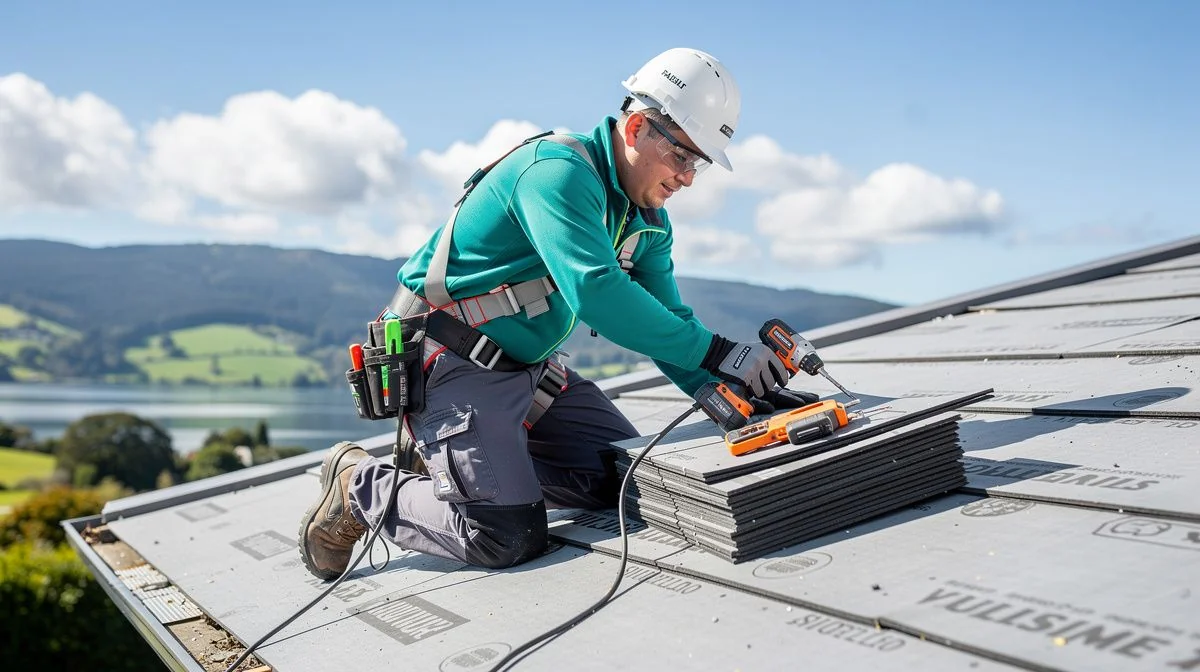
Finding a reliable roofer in Taupo
Whether you need a new roof, a repair after a storm, or routine maintenance, finding the right roofer in Taupo makes a big difference. The local climate – hot summers, frosty winters, and strong winds off the lake – puts particular demands on roofing materials and workmanship. A skilled roofer will know which products suit the area and how to install them properly.
Because most roofing work is structural, it's important to hire someone who meets New Zealand's building standards. A good roofer will also understand Taupō District Council requirements around building consents and stormwater management. Below we've outlined what to look for, what to ask, and how to get the best outcome for your project.
What matters most when hiring a roofer in Taupo
Not all roofers are the same, and a little extra care in vetting can save you headaches down the track. Here are the key things to check before you commit.
Our Trusted Roofers
We feature businesses that demonstrate strong performance, proven experience, and consistently positive customer feedback. Some of the providers listed may have commercial relationships with us, but all are selected based on quality and reliability.
To begin, reach out to them and speak with them directly — this helps you explain your job, ask questions, and confirm whether they're the right fit.

Roofing Industries | NZ's Metal Roofing & Cladding Manufacturer New Zealand's leading metal roofing & cladding manufacturer Locally designed and manufactured metal roofing, cladding, fencing and rainwater products for residential and commercial application.
Licensing and qualifications
In New Zealand, any roofing work that is considered restricted building work must be carried out or supervised by a Licensed Building Practitioner (LBP) with the relevant licence class – either Roofing or External Plastering. While basic repairs under a certain value may not require an LBP, it's still wise to choose someone who holds one. You can verify an LBP's status on the Building Performance website. If the roofer isn't an LBP, ask why and check whether your project requires one.
Insurance and safety
Roofing is a high-risk trade. Make sure your roofer has current public liability insurance (at least $1 million cover) and that their workers are covered by ACC. Ask for a copy of their certificate of insurance and confirm it's still valid. A reputable roofer will have no problem providing this.
Experience with Taupo conditions
Taupo's weather can be hard on roofs – UV from strong sun, frost, and occasional hail can affect materials like metal and concrete tiles. Ask your roofer what roofing products they recommend for the local microclimate and why. Someone who's worked in the region for years will have practical knowledge about what lasts and what doesn't.
References and past work
Ask for three recent references from jobs similar to yours, and follow them up. If possible, have a look at a completed project nearby. Photos on a website are fine, but nothing beats seeing the finish in person. Also check whether the roofer has worked on your specific roof type – long-run steel, concrete tiles, shingles, or flat membrane roofs all require different skills.
Written contract and warranties
Always get a detailed written contract that includes the scope of work, materials to be used, timeline, payment schedule, and warranty details. In New Zealand, there is often a statutory implied warranty for work done on residential properties (under the Building Act), but many roofers also offer their own workmanship warranty – typically 5 to 10 years. Make sure you know what's covered and what's not.
Key questions to ask before hiring
Asking the right questions helps you compare roofers fairly and avoids surprises. Here are some worth covering in your initial conversations.
- Are you a Licensed Building Practitioner? – If yes, note their licence number. If not, ask why and check whether your job requires one.
- What insurance do you carry? – Ask for proof of public liability insurance and confirm it covers the duration of your project.
- How long have you been roofing in Taupo? – Local experience often means they know the council requirements, common issues, and best materials for the area.
- Can you supply recent references from similar jobs? – Follow up with those references to ask about quality, timeliness, and communication.
- What roofing materials do you recommend for my home and why? – A good roofer should be able to explain the pros and cons of different options (e.g. steel vs tile vs membrane) without pushing a single product.
- Will you handle the building consent if one is needed? – Not all roofing work requires consent, but if it does (e.g. full replacement or structural changes), the roofer should be familiar with the process. Contact Taupō District Council to confirm consent requirements for your specific job.
- What's the payment schedule? – Avoid paying the full amount upfront. A typical arrangement is a deposit (10-25%) with the balance on completion, or progress payments for larger jobs.
- What warranty do you offer on workmanship and materials? – Clarify who covers what in case of a defect. Manufacturer warranties usually cover materials; the roofer's warranty covers installation.
- What happens if the weather delays the job? – Roofing is weather-dependent. Ask how they manage delays and whether they guarantee a completion date or just an estimate.
- Do you sub-contract any of the work? – If so, who is responsible for the quality of that work? Make sure the subcontractors are also appropriately qualified and insured.
Tips for getting the best results
Once you've chosen a roofer, these practical steps can help the project run smoothly and leave you with a roof you're happy with.
Get at least three written quotes
Comparing quotes gives you a sense of the market rate and helps you spot anything unusual. Make sure each quote is for the same scope of work – if one roofer includes extra items like new flashings or underlay and another doesn't, the comparison won't be fair. Ask each roofer to itemise their quote so you can see what's included.
Check the contract before signing
Read the contract carefully. Confirm the start and finish dates (or a reasonable timeframe if exact dates aren't possible), payment details, and exactly what happens if there are variations (e.g. extra work discovered during the job). Many problems come from verbal agreements that later get disputed.
Prepare your property
Before work begins, move vehicles, outdoor furniture, and anything fragile away from the area around the house. Roofing can send debris down and scaffolding may take up space. Clear gutters and downpipes if possible so the team can get straight to work

The ValueHub Team built this site because finding clear, unbiased financial information in New Zealand was harder than it should be. Every guide is based on real research — we compare the actual fees, terms, and fine print so you don't have to. Our tip: shop around every year, read the policy docs, and never assume loyalty gets you the best deal.— The ValueHub Team
Try our Calculators
Use these free tools to crunch the numbers:
KiwiSaver Fund Comparison
Compare fees, returns, and risk levels across every KiwiSaver fund from all 31 NZ providers.
Currency Converter — USD to NZD
Convert US Dollars to New Zealand Dollars instantly. See the latest exchange rate and 30-day trend.
Mortgage Repayment Calculator
Calculate your weekly, fortnightly, or monthly mortgage repayments. Free NZ mortgage calculator — try different rates, terms, and repayment frequencies.
Compound Interest Calculator
See how your savings grow with compound interest over time. Free NZ compound interest calculator with yearly, monthly, and weekly compounding options.
Term Deposit Calculator
Calculate your term deposit returns before you lock in. Compare interest earned across different terms and rates with ValueHub's free calculator.
Savings Goal Calculator
Calculate how long it will take to reach your savings goal — and what monthly deposit you need to get there. Free NZ savings planner.
Roofers in Other Cities
Latest Guides & Reviews
New Zealand Financial Markets Authority Guide: Investor Protection in NZ
Protect your investments with this practical guide to the FMA — how to check licences, spot scams, and what to do if a provider fails. Verified against...
comparisonEV Home Charger NZ: Costs & Buying Guide
Compare EV home charger costs in NZ — verified prices from $1,299, installation fees, smart features, and what actually matters for your home's power supply.
guideThe Most Popular EVs in New Zealand
The best-selling electric cars in New Zealand, ranked by official registration data. Top BEV and PHEV models and brands, updated monthly.
guideEV Market Stats
New Zealand's EV market in numbers — market share, fleet size, top-selling models and used imports, updated with the latest NZTA and MIA data.