Best Solar Panel Installers in Hamilton
Published 11 September 2026 · Written by the ValueHub team · Reviewed by Steve Baron
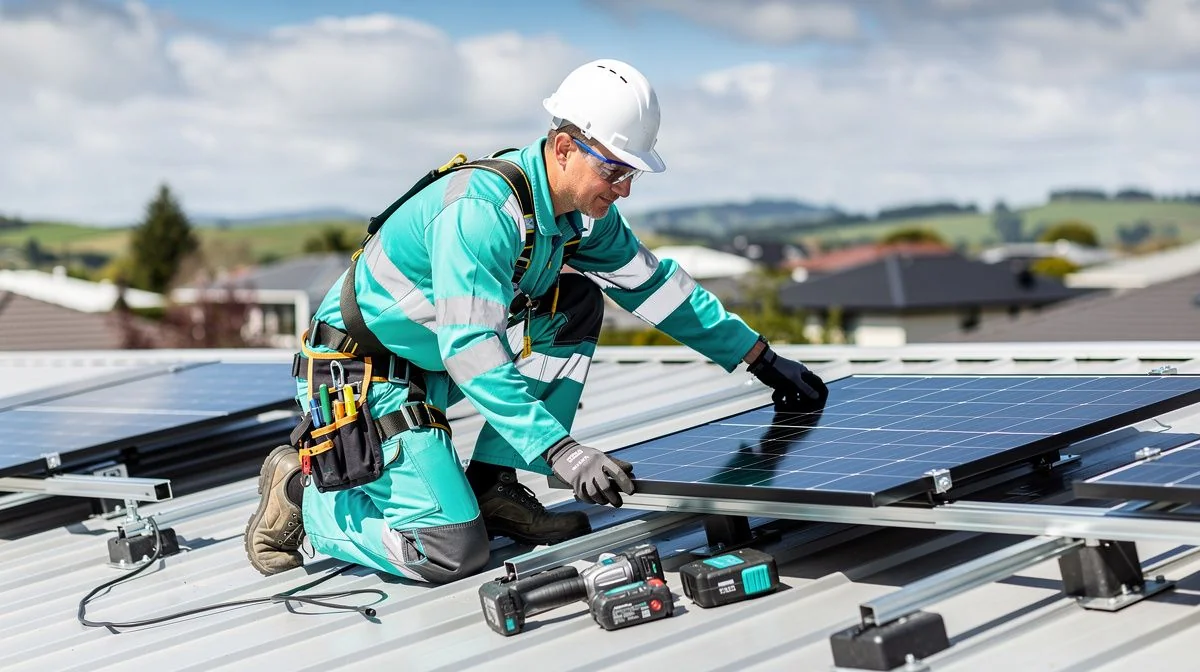
Hamilton Has Both the Sun and the Loads to Use It
Hamilton sits in one of the sunnier corners of the North Island, so panels here produce well through the year. What matters just as much is what happens underneath them. The Waikato economy runs on daylight — dairy and food processing, rural services, workshops around Te Rapa — and a growing share of households have someone working from home. That overlap is what turns a solar array from a modest export earner into a genuine offset against the power bill.
Because daytime demand is real, Hamilton households can often justify a larger system than the national median. Generation used on site offsets power bought at retail rates; generation exported earns a fraction of that, so what you consume while the sun is up determines the return. The limiting factor is usually the roof and its condition, not the household's power appetite. A site assessment and shading check should come before discussing size.
New Zealand has no residential solar subsidy, so nothing comes off the price. A fair installed figure is $1.70–$2.00 per watt including GST, and a 6.6 kW system typically lands between $13,000 and $15,000. Payback generally runs six to eight years without a battery. The exception locally is rental housing. Hamilton's student population supports a large rental market, and where the landlord pays for the system while the tenant gets the savings, the incentive is split.
How We Researched This Guide
We began with published installer pricing guides and worked through how price per watt changes with system size. Then we looked at what makes the Waikato different — the share of the local economy that runs during daylight hours, and how that affects the value a household can actually capture.
We also reviewed the consumer protections covering installation work and supplied products. Where sources disagree, we give the range rather than a single figure.
Our Trusted Solar Panel Installers
We feature businesses that demonstrate strong performance, proven experience, and consistently positive customer feedback. Some of the providers listed may have commercial relationships with us, but all are selected based on quality and reliability.
To begin, reach out to them and speak with them directly — this helps you explain your job, ask questions, and confirm whether they're the right fit.
Solar Partners NZ are the only authorised distributor of Enphase products in NZ. We're a premier solar system wholesaler, trainer & business support hub.
The 60-Second Version
If you read only one section, read this.
- A fair installed price is $1.70–$2.00 per watt including GST.
- A 6.6 kW system, the most popular size, typically lands between $13,000 and $15,000.
- New Zealand has no solar subsidy or rebate, so nothing comes off the price.
- Payback is typically six to eight years without a battery.
- A battery adds $9,000–$15,000 for 10–13 kWh usable and rarely shortens payback.
- Self-consumption matters more than total generation, and Hamilton has the daytime load to use it.
What Solar Costs in Hamilton
Pricing here sits near the national middle, without the premium Auckland labour commands or the exposure costs of coastal Wellington. A straightforward roof on a standard section should land inside these bands.
| System size | Typical installed cost |
|---|---|
| 3 kW | $8,000–$10,000 |
| 5 kW | $11,000–$13,000 |
| 6.6 kW | $13,000–$15,000 |
| 8–10 kW | $15,000–$18,000 |
| 13 kW and above | $20,000–$30,000 |
| Battery, 10–13 kWh usable | $9,000–$15,000 |
Installed prices including GST, based on published New Zealand installer pricing guides. Scaffolding, switchboard upgrades and non-standard mounting are additional.
Price per watt falls as the system grows. A 3–4 kW system averages around $2.31 per watt, while a 13–14 kW system averages around $1.42 per watt. The median system installed in New Zealand homes is around 7–8 kW, and in Hamilton a household with real daytime load can sensibly go above that.
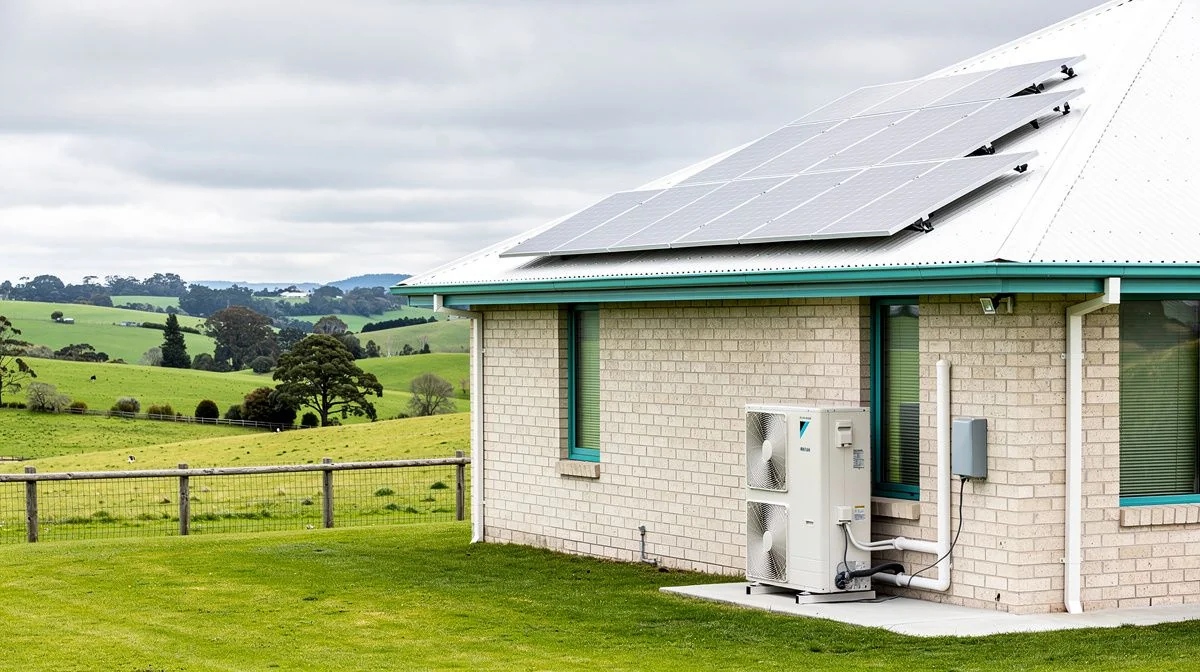
Why Daytime Load Beats Roof Size
Every kilowatt-hour you use on site offsets a retail rate of roughly $0.28–$0.36 per kWh, among the highest in the OECD outside Europe. Every unit you export earns a fraction of that. So a system's value is set by what is running in the house while the sun is up, not by how many panels fit on the roof.
Hamilton households tend to have more daytime load than the national average, because a larger share of the workforce is either based at home, working shifts, or running a business from the property. A heat pump, a cylinder, a workshop or an electric vehicle all turn generation into savings.
The Waikato Economy and Who Gains Most
The region's economy leans on dairy, food processing, rural services and the industrial base around Te Rapa. Alongside those sit the university and the Waikato-Tainui tribal authority as major regional institutions. What these have in common is that much of the work happens during daylight.
For a household, the practical Version of that is simple. If someone is home during the day, if there is a home business, or if pumps, freezers, or machinery are running, solar has more to offset. On a rural or lifestyle property, the daytime load is often substantial, which improves payback.
Auckland Spillover and the Home Office Household
Hamilton has absorbed a steady flow of households priced out of Auckland, and many of those arrivals work remotely at least part of the week. A household with two people at home through the day is close to the ideal solar profile, because generation and consumption overlap.
That matters more than the headline system size. A modest array on a house that uses its own power will outperform a large array on a house that is empty until six in the evening. If your working pattern has changed in the last few years, it is worth revisiting what you actually draw during the day.
No Subsidy, and Buying the Right Size
New Zealand has no government rebate or subsidy for residential solar. Nothing is deducted at the point of sale, and there is no scheme to apply for, unlike Australia, where support makes headline prices look lower. Any quote claiming a subsidy here is describing something that does not exist.
The practical consequence is about sizing. With nothing coming off the price, the money saved by buying a system matched to your daytime consumption is worth more than the lower per-watt rate on an array larger than the house can use. A bigger system earns its keep only when there is load to absorb the output.
Hamilton Factors That Change the Numbers
Strong Sunshine Through Summer
The Waikato is one of the sunnier parts of the North Island, so panel production is healthy. A household with steady daytime use can often meet most of its needs without oversizing the array, which keeps the upfront cost and payback period down.
Rural, Lifestyle and Dairy-Support Properties
Properties outside the city often carry substantial daytime loads: pumps, chillers, workshop equipment and irrigation. Solar suits that pattern well, and the roof space on a shed or outbuilding can host a larger array without touching the house.
Industrial and Commercial Rooftops
The Te Rapa industrial base and the surrounding commercial buildings have large, unshaded roofs and daytime demand that matches generation almost perfectly. For a business owner, that overlap is the strongest solar case.
A University City With Rental Stock
Hamilton's student population supports a large rental market, and rental properties remain one of the cases where solar rarely stacks up. The person paying for the system isn't the person receiving the savings, so the split of benefits is the obstacle rather than the technology.
Choosing an Installer in Hamilton
Ask for a site assessment and a shading check, then ask how the installer has sized the system against your daytime use. A quote based on roof area alone isn't really designed for your household, and it is the most common weakness in Hamilton proposals.
Get three written quotes for the same system size and compare the components, not the totals. Inverter quality, mounting specifications, and warranty length vary widely, and the cheapest quote is often cheapest because something has been left out.
Warning Signs
- Any reference to a government rebate or subsidy, because there is none.
- Savings estimates based on total generation rather than on-site use.
- No site visit, or a roof assessment done from the driveway.
- A system sized to fill the roof rather than to match your consumption.
- Unclear answers about who does the electrical work and who certifies it.
- A workmanship warranty shorter than the product warranties.
Questions Hamilton Homeowners Ask
Is solar worth it in Hamilton without a subsidy?
For an owner-occupier with daytime load, yes. Payback typically runs six to eight years, and the system should last more than twenty. The strong local sun and the region's working patterns both help the case.
Should I size up because the per-watt price falls?
Only if you can use the extra output; a larger system costs less per watt, but power exported at a low buy-back rate earns very little. Size to your daytime consumption and treat the per-watt discount as a bonus, not a reason.
Do I need a battery?
Usually not initially. A battery adds $9,000–$15,000 for 10–13 kWh of usable capacity and mainly moves your own generation into the evening. It raises self-consumption but rarely shortens payback, so decide on it separately.
Can I put panels on a farm shed?
Often that is the best place, particularly where the shed carries the pumps, chillers or workshop load. Check roof condition and structural capacity first, but a large, unshaded shed roof suits a bigger array.
What Matters Most
Hamilton is one of the better places in the country to go solar, because the sun is strong and the region's daytime load is real. That makes sizing the system to your consumption — rather than to your roof — the decision that determines whether the investment pays off.
Ignore any talk of a rebate, be sceptical of payback figures that assume every unit is used at retail rates, and make sure the quote is built on a site visit. To compare the numbers around the country, start with our solar panel installers hub.

The ValueHub Team built this site because finding clear, unbiased financial information in New Zealand was harder than it should be. Every guide is based on real research — we compare the actual fees, terms, and fine print so you don't have to. Our tip: shop around every year, read the policy docs, and never assume loyalty gets you the best deal.— The ValueHub Team
More Solar Panel Installers in Hamilton
These businesses also operate in this area.
Ecosmart is a New Zealand solar installer and wholesale electricity retailer. Grid-connected solar from $5,995, home batteries, and half-hourly wholesale power from 2c/unit with no lock-in. Ecosmart is a New Zealand electricity retailer and solar installation company. By combining wholesale energy with solar, we make y
Try our Calculators
Use these free tools to crunch the numbers:
KiwiSaver Fund Comparison
Compare fees, returns, and risk levels across every KiwiSaver fund — the most up to date data in New Zealand.
Currency Converter — USD to NZD
Convert US Dollars to New Zealand Dollars instantly. See the latest exchange rate and 30-day trend.
Mortgage Repayment Calculator
Calculate your weekly, fortnightly, or monthly mortgage repayments. Free NZ mortgage calculator — try different rates, terms, and repayment frequencies.
Compound Interest Calculator
See how your savings grow with compound interest over time. Free NZ compound interest calculator with yearly, monthly, and weekly compounding options.
Term Deposit Calculator
Calculate your term deposit returns before you lock in. Compare interest earned across different terms and rates with ValueHub's free calculator.
Savings Goal Calculator
Calculate how long it will take to reach your savings goal — and what monthly deposit you need to get there. Free NZ savings planner.
Solar Panel Installers in Other Cities
Latest Guides & Reviews
SuperLife KiwiSaver Scheme Review
SuperLife KiwiSaver review: 65 open funds, fund charges from 0.20 to 1.30 per cent, and net returns to 30 June 2026.
reviewSuperEasy KiwiSaver Scheme Review
SuperEasy KiwiSaver review: 8 open funds, a 0.32 per cent fund charge, and net returns to 31 March 2026.
reviewWestpac KiwiSaver Scheme Review
Westpac KiwiSaver review: 8 open funds, fund charges from 0.25 to 0.70 per cent, and net returns to 30 June 2026.
reviewANZ KiwiSaver Scheme Review
Review of ANZ KiwiSaver. Three schemes, fees from 0.22 per cent, the closed Default scheme, OneAnswer and the Lifetimes option.