Best Sports Massage Therapists in Gisborne
Published 14 April 2025 · Updated 18 August 2026
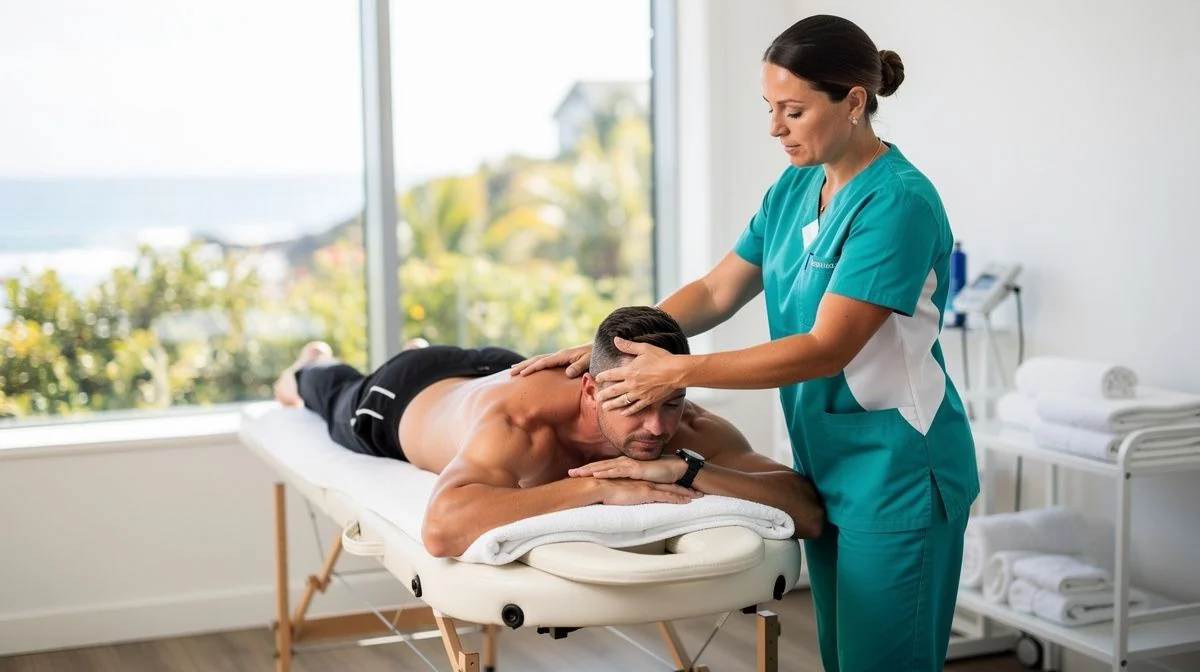
Finding a Sports Massage Therapist in Gisborne
Whether you’re training for a marathon, recovering from a weekend rugby injury, or just trying to keep your body moving well, a good sports massage therapist can make a real difference. Gisborne has a solid number of skilled therapists who understand the demands of active lifestyles in our region — from surfers and runners to tradies who work hard every day.
But not every therapist is the same. Some specialise in deep tissue work, others in myofascial release or trigger point therapy. The key is finding someone who matches your specific needs, whether that’s pre-event preparation, post-event recovery, or ongoing maintenance. Let’s walk through what to look for, what to ask, and how to get the best results from your sports massage in Gisborne.
What to Look for When Hiring a Sports Massage Therapist in Gisborne
When you’re choosing a therapist, you’re essentially trusting them with your body’s recovery and performance. Here are the key things to check before you book:
- Qualifications and insurance – Look for someone who holds a diploma or degree in sports massage or a related field (e.g. NZ Certificate in Sport Massage). They should also have professional indemnity insurance and be a member of a recognised body such as Massage New Zealand or Soft Tissue Therapy NZ. This gives you recourse if something goes wrong.
- Experience with your sport or issue – A therapist who regularly works with runners may not be the best fit if you’re a cyclist or a contact sport athlete. Ask about their typical clientele. Gisborne has a strong surfing and multisport community — some therapists are especially experienced in those areas.
- Communication style – A good therapist listens to your concerns, explains what they’re doing, and adjusts pressure and technique based on your feedback. If you feel rushed or dismissed, keep looking.
- Clean and professional environment – The treatment space should be tidy, private, and hygienic. Mobile therapists who come to your home should carry clean equipment and follow basic infection control.
- ACC registration – If you’ve had an accident and need treatment under ACC, check whether the therapist is ACC registered. Many sports massage therapists are, but not all. Ask upfront.
Key Questions to Ask Before Hiring
You don’t need to be an expert to ask good questions. These will help you gauge whether a therapist is right for you:
- “What qualifications do you hold, and are you a member of a professional body?” – This confirms they take their profession seriously.
- “Do you have experience working with [your sport or condition]?” – Be specific. For example, “Do you often treat people with hamstring strains from sprinting?”
- “What kind of techniques do you use?” – Some therapists lean heavily on deep tissue, others on effleurage and stretching. Know what you’re in for.
- “Do you do pre-event or post-event treatments?” – If you’re prepping for an event, you need someone who understands the difference between a pre-race flush and a recovery session.
- “What is your cancellation policy?” – Life happens. Know whether you’ll be charged if you need to cancel at short notice.
- “Are you available around my training schedule?” – Evening and weekend availability can be crucial for working athletes.
Tips for Getting the Best Results
A sports massage is a two-way partnership. You’ll get far more out of it if you follow these simple guidelines:
- Arrive hydrated – Drink water before and after your session. It helps flush out metabolic waste released during the massage and reduces soreness.
- Be honest about pain and discomfort – It’s normal for sports massage to feel intense, but it shouldn’t be unbearable. Tell your therapist if something is too sharp or if you need a break.
- Communicate your goals – Are you trying to release a tight knot, improve flexibility, or prepare for a race tomorrow? Let your therapist know so they can tailor the session.
- Follow aftercare advice – Many therapists will suggest gentle stretching, heat or ice, or rest. Follow it — they know your body’s current state better than anyone.
- Schedule regular sessions – One-off massages can help, but consistent treatment (every 1–4 weeks depending on your load) is what really shifts chronic tightness and injury risk.
- Consider combining with other care – Sports massage works well alongside physiotherapy, osteopathy, or chiropractic care. If you have a complex injury, you may need a team approach.
A Note About Costs and Getting Quotes
Sports massage pricing in Gisborne typically follows a similar pattern to other NZ towns. You can expect to pay somewhere in the range of $80 to $120 for a 60-minute session, though shorter sessions (30–45 minutes) are often available for targeted work. Some therapists offer discounts for block bookings or for students, seniors, or community sports club members.
It’s always wise to ask for a quote upfront, especially if you need a longer session or a specific technique like cupping or dry needling, which may attract an additional fee. Many therapists list their prices on their website or social media, but if they don’t, a quick phone call or email is all it takes.
If you’re on ACC, the cost may be subsidised — ask about the current ACC treatment rates before booking. Some therapists also offer a free 10-minute phone consultation so you can discuss your needs before committing to an appointment.
Finally, don’t be afraid to shop around. A therapist who’s a great fit for one person may not be for another. Trust your gut, check the credentials, and prioritise someone who communicates clearly and treats you with respect. Your body will thank you.

The ValueHub Team built this site because finding clear, unbiased financial information in New Zealand was harder than it should be. Every guide is based on real research — we compare the actual fees, terms, and fine print so you don't have to. Our tip: shop around every year, read the policy docs, and never assume loyalty gets you the best deal.— The ValueHub Team
Try our Calculators
Use these free tools to crunch the numbers:
KiwiSaver Fund Comparison
Compare fees, returns, and risk levels across every KiwiSaver fund from all 31 NZ providers.
Currency Converter — USD to NZD
Convert US Dollars to New Zealand Dollars instantly. See the latest exchange rate and 30-day trend.
Mortgage Repayment Calculator
Calculate your weekly, fortnightly, or monthly mortgage repayments. Free NZ mortgage calculator — try different rates, terms, and repayment frequencies.
Compound Interest Calculator
See how your savings grow with compound interest over time. Free NZ compound interest calculator with yearly, monthly, and weekly compounding options.
Term Deposit Calculator
Calculate your term deposit returns before you lock in. Compare interest earned across different terms and rates with ValueHub's free calculator.
Savings Goal Calculator
Calculate how long it will take to reach your savings goal — and what monthly deposit you need to get there. Free NZ savings planner.
Sports Massage Therapists in Other Cities
Latest Guides & Reviews
New Zealand Financial Markets Authority Guide: Investor Protection in NZ
Protect your investments with this practical guide to the FMA — how to check licences, spot scams, and what to do if a provider fails. Verified against...
comparisonEV Home Charger NZ: Costs & Buying Guide
Compare EV home charger costs in NZ — verified prices from $1,299, installation fees, smart features, and what actually matters for your home's power supply.
guideThe Most Popular EVs in New Zealand
The best-selling electric cars in New Zealand, ranked by official registration data. Top BEV and PHEV models and brands, updated monthly.
guideEV Market Stats
New Zealand's EV market in numbers — market share, fleet size, top-selling models and used imports, updated with the latest NZTA and MIA data.