Best Builders in Blenheim
Published 05 August 2026 · Updated 18 August 2026

Choosing a Builder in Blenheim: Why It Pays to Do This Properly
Choosing a builder is one of the biggest decisions you'll make for your home, and in Blenheim, it deserves more thought than a quick Google search and a friendly chat over a coffee. The right builder can turn a stressful renovation into a smooth, enjoyable experience. The wrong one can leave you with half-finished work, budget blowouts, and a legal headache that drags on for years. It's not just about finding someone who can swing a hammer; it's about finding a partner who understands the local landscape, the council quirks, and the unique challenges of building in this part of the country.
Blenheim has its own particular set of circumstances that make choosing a builder a bit more nuanced than in other centres. For starters, the town is booming, driven largely by the wine industry and a steady stream of people moving to Marlborough for the lifestyle. This means there's a lot of construction happening, from new subdivisions on the outskirts to heritage renovations in the older parts of town. The flip side of that boom is that builders are in high demand, and the good ones are often booked out months, sometimes over a year, in advance. That scarcity can make it tempting to jump at the first available builder, but that's exactly when you need to slow down and do your homework.
The local council consent process is another factor that adds a layer of complexity. Marlborough District Council has its own timelines and requirements, and a builder who knows the local planning rules, the building inspectors, and the common pitfalls can save you weeks of frustration. A builder from out of town might be excellent at their craft, but if they don't know the local soil conditions or the specific requirements for earthquake-prone buildings in the region, you could be in for a rough ride. You need someone who has navigated these waters before and knows exactly what the council expects.
Weather patterns in Blenheim are another consideration that might surprise people. While the region is known for its sunshine and relatively dry climate, that doesn't mean the building process is immune to delays. The summer months can bring intense heat that makes working on roofs or in attics unpleasant, and the winter can bring heavy frosts that slow down concrete curing and plastering. A local builder knows how to plan around these seasonal quirks, scheduling interior work during the colder months and exterior work when the weather is more forgiving. They also know the local subcontractors who are reliable and those who tend to disappear when the weather turns.
Soil conditions in Blenheim are another factor that can catch out the unprepared. The Wairau Plain has a mix of soil types, from free-draining gravels to heavy clays, and some areas are prone to liquefaction in an earthquake. A good local builder will know which areas need deeper foundations, which require specific engineering reports, and how to build in a way that's appropriate for the ground you're on. This isn't something you can just leave to chance; it's the kind of knowledge that comes from years of building in the same region and learning from past projects, both the successes and the failures.
Subcontractor availability is a constant headache in Blenheim. Because the town is relatively small, there's a finite pool of electricians, plumbers, plasterers, and roofers. The best ones are in high demand, and a builder with strong relationships with these trades can make all the difference to your project's timeline and quality. A builder who has to scramble for subcontractors at the last minute is a red flag; you want someone who has a trusted team they work with regularly. These relationships take years to build, and they're a sign that the builder is established in the community and respected by their peers.
The local building styles in Blenheim are another consideration. There's a mix of classic villa and bungalow homes in the older suburbs, more modern builds in the newer subdivisions, and a growing number of contemporary architectural homes, particularly in the rural and coastal areas. You want a builder who has experience with your specific style of home. A builder who specialises in new modern builds might not have the patience or the skills for a heritage renovation, and vice versa. Ask to see examples of their work that are similar to your project, and don't be afraid to ask for references from those specific types of projects.
Renovation quirks are also something to think about. Many of the older homes in Blenheim have been added onto over the years, sometimes with questionable workmanship. A builder who has experience with these older homes will know where to look for hidden problems, like dodgy wiring, unconsented additions, or failing foundations. They'll also know how to work with the existing structure rather than against it, which can save you a significant amount of money in the long run. Choosing a builder who treats your home with respect, even if it's a bit rough around the edges, is essential.
Ultimately, choosing a builder in Blenheim is about finding someone who is not just a tradesperson but a problem-solver, a communicator, and a local expert. It's about building a relationship based on trust and transparency. Take your time, do your research, and don't be afraid to ask the hard questions. The effort you put in at the start will pay off tenfold when you're living in a home that's been built or renovated to a standard you can be proud of. This guide is here to help you navigate that process with confidence, giving you the knowledge you need to make the right choice for your home and your budget.
How Builder Pricing Actually Works in Blenheim
Understanding how builders price their work is one of the most important steps in any project, and in Blenheim, there are some local factors that can influence the numbers you see on a quote. It's not just about the cost of timber and nails; it's about labour rates, market demand, the complexity of the project, and the builder's own overheads. Getting your head around these factors will help you interpret quotes with a critical eye and avoid being blindsided by costs that appear later down the track.
The first thing to understand is the split between labour and materials. In a typical building project, materials can account for anywhere from 40% to 60% of the total cost, depending on the type of project and the quality of the finishes you choose. Labour makes up the rest. In Blenheim, labour rates are influenced by the high demand for builders. Because the region is busy, builders can charge a premium for their time, and you'll often find that hourly rates are comparable to, or even slightly higher than, what you'd pay in larger centres like Nelson or Christchurch. This is simply supply and demand; there's more work than there are builders to do it.
When it comes to new builds in Blenheim, you're generally looking at a cost per square metre that ranges from around $2,500 to $4,000 or more, depending on the level of specification. A basic, straightforward new home with standard fixtures and fittings might come in at the lower end of that range. A more architecturally designed home with high-end finishes, custom joinery, and energy-efficient features will easily push you towards the higher end. It's important to remember that these are just ballpark figures; the actual cost will depend on the site, the design, and the choices you make along the way.
Renovations are a slightly different beast. The cost per square metre for a renovation in Blenheim can be highly variable, often ranging from $1,500 to $3,500 per square metre or more. This variability is because renovations come with a lot of unknowns. You might open up a wall and discover that the wiring is outdated, the framing is rotten, or the floor is unlevel. These hidden issues can add significantly to the cost, which is why it's so important to have a contingency fund built into your budget. A good builder will factor in a reasonable allowance for the unexpected, but even they can't predict everything.
Extensions and reclads have their own pricing structures. An extension is essentially a small new build attached to an existing structure, so the same per-square-metre pricing logic applies, but with the added complexity of tying into the existing building. Recladding is a more specific job, and the cost will depend heavily on the size of the home, the type of cladding you choose, and the condition of the existing structure underneath. In Blenheim, where we get plenty of sun but also some significant weather events, the choice of cladding is crucial, and you'll want a builder who can advise you on the best options for our climate.
Local demand plays a huge role in how pricing works. When builders are busy, they can afford to be more selective about the projects they take on, and they'll often price their work at a premium. This means that quotes can vary significantly between builders, even for the same project. One builder might quote you $200,000 for a job, while another quotes $250,000. That's not necessarily a sign that one is ripping you off; it could just be that one builder is busier and less keen to take on the work, so they've priced it higher to make it worth their while. This is a crucial thing to understand when you're comparing quotes.
You'll also encounter different pricing models. The most common are estimates, fixed-price quotes, and cost-plus contracts. An estimate is just that; a rough idea of what the project might cost, with the understanding that the final number could be higher. A fixed-price quote is a binding agreement where the builder agrees to complete the work for a set amount, provided the scope of work doesn't change. A cost-plus contract is where you pay for the actual cost of materials and labour, plus a percentage on top for the builder's profit and overheads. Each model has its pros and cons, and the right one for you will depend on the nature of your project and your own risk tolerance.
For a renovation with lots of unknowns, a cost-plus contract might be more attractive to a builder because it protects them from unexpected costs. However, it also puts more risk on you, as the final price is less predictable. For a new build with a well-defined plan, a fixed-price quote is more common and gives you greater certainty. It's essential to understand which model you're being offered and to get the terms in writing. Don't be afraid to ask your builder to explain exactly how they've arrived at their price and what assumptions they've made.
In Blenheim, you'll also find that the cost of materials can fluctuate, particularly for things like timber and steel. Supply chain issues have been a problem in recent years, and a builder who has good relationships with local suppliers might be able to get better prices or secure materials faster than one who doesn't. This is another reason why it's worth choosing a builder who is well-established in the local community. They'll know where to source materials, and they'll have the buying power to get a better deal. When you're comparing quotes, ask each builder about their approach to materials and whether they have any concerns about supply or pricing.
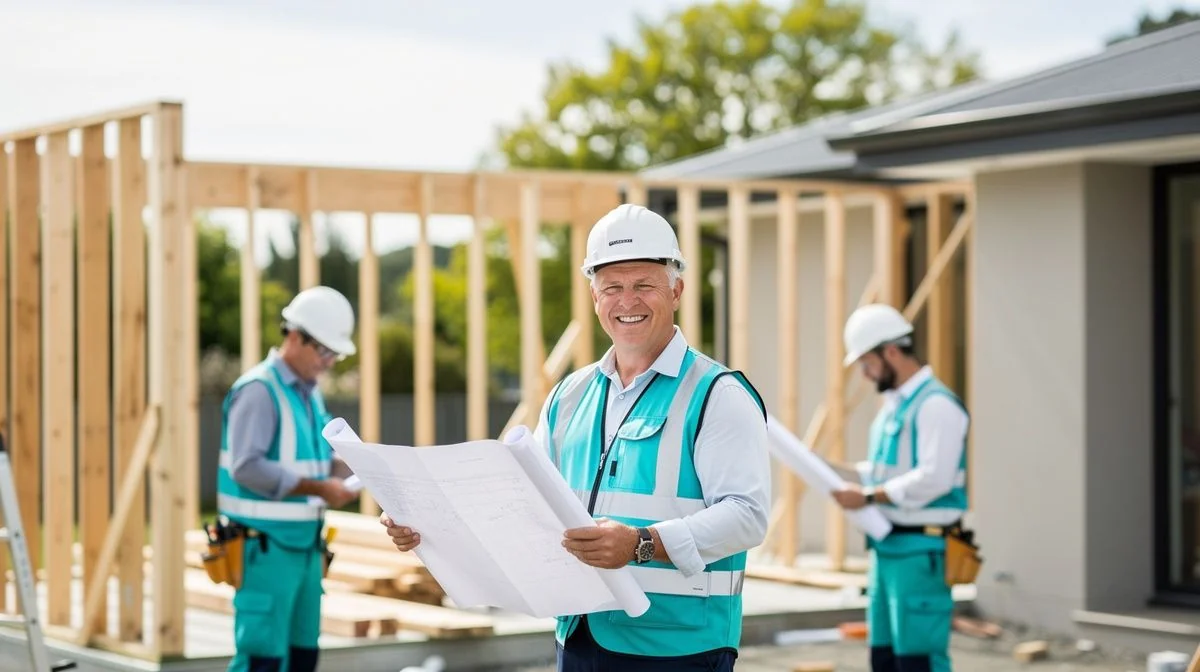
Our Trusted Builders
We feature businesses that demonstrate strong performance, proven experience, and consistently positive customer feedback. Some of the providers listed may have commercial relationships with us, but all are selected based on quality and reliability.
To begin, reach out to them and speak with them directly — this helps you explain your job, ask questions, and confirm whether they're the right fit.
Stonewood Homes Marlborough has been building homes since 1987 and proudly to be one of the highly trusted builders offering quality house & land packages across Marlborough and Kaikoura regions . Nelson and Marlborough are two of New Zealand’s most desirable regions to live, offering a lifestyle that blends coastal be
How to Compare Quotes Properly (Without Losing Your Mind)
Comparing quotes from different builders is a bit like comparing apples with oranges if you're not careful. You might receive three quotes for the same project, and they could all be wildly different in terms of price, scope, and detail. The key to comparing them effectively is to make sure you're comparing like with like. This requires a bit of preparation on your part, but it will save you a huge amount of stress and confusion down the line. The first step is to create a detailed scope of work that you can give to each builder.
A detailed scope of work is essentially a document that outlines exactly what you want done. It should include things like the size and layout of the new space, the types of materials you want to use, the quality of finishes, and any specific requirements you have. The more detail you can provide, the more accurate the quotes will be. If you leave the scope vague, builders will make their own assumptions, and you'll end up with quotes that are impossible to compare. Take the time to write down everything you can think of, and don't be afraid to include sketches or photos to help illustrate your vision.
Once you have your scope of work, you can send it to several builders and ask them to quote on it. When the quotes come back, resist the urge to just look at the bottom line. Instead, take the time to go through each one line by line. Look at how each builder has priced the different components of the job. Is one builder charging significantly more for labour but less for materials? Is another builder including items in their quote that a third builder has left out? These differences can tell you a lot about how each builder works and what they're thinking.
One of the biggest red flags to watch out for is a quote that is significantly lower than the others. While it might be tempting to go with the cheapest option, it's often a sign that the builder has missed something or is planning to cut corners. They might be using cheaper materials, or they might have underestimated the amount of labour required. In some cases, they might be planning to hit you with extras later on, once you're committed and it's too late to back out. A quote that is suspiciously low is a warning sign, not a gift.
Another common tactic to be aware of is bait-and-upgrade pricing. This is where a builder gives you a low quote to win the job, but then, once the project is underway, they start suggesting upgrades or variations that push the price up. They might say things like, "You wouldn't want to use the standard tapware, would you?" or "For just a few thousand more, you could have a much better quality floor." While some of these suggestions might be genuinely good ideas, it's important to be aware that they're also a way for the builder to increase their profit margin. Stick to your scope of work, and be wary of builders who are constantly trying to upsell you.
Avoiding budget blowouts is all about being clear about what is and isn't included in the quote. Make sure you ask each builder to list any exclusions explicitly. For example, does the quote include painting, flooring, and light fittings? Does it include the cost of the building consent and inspections? Does it include site cleanup and waste disposal? These are all things that can add up quickly, and if they're not included in the initial quote, you'll be hit with them as extras later. A good builder will be upfront about what's included and what's not, but it's your job to ask.
Negotiating with builders is a delicate art. You don't want to come across as cheap or difficult, but you also don't want to pay more than you need to. The best approach is to be respectful and transparent. If you have a quote from another builder that's lower, you can mention it to the builder you prefer and ask if they can match it or explain the difference. Often, builders will be willing to adjust their price or offer a discount to win the work, especially if they're not currently at full capacity. However, don't expect them to slash their prices dramatically; they have overheads to cover, and they need to make a profit to stay in business.
Finally, remember that the cheapest quote is not always the best value. A higher quote might reflect a builder who is more experienced, uses better materials, or has a more thorough approach to project management. Think about what you're getting for your money. A builder who communicates well, turns up on time, and delivers a high-quality finish is worth paying a bit more for. The goal is to find the builder who offers the best overall value, not just the lowest price. Take your time, ask questions, and trust your instincts. Comparing quotes is a process, but it will pay off in the long run.
How to Choose the Right Builder in Blenheim: A Practical Checklist
Choosing a builder is a big decision, and it's easy to feel overwhelmed by all the factors you need to consider. To make the process a bit easier, we've put together a practical checklist you can take to meetings and use to evaluate potential builders. This isn't an exhaustive list, but it covers the key things you should be looking for. Print it out, take it with you, and don't be afraid to ask the tough questions. A good builder will be happy to answer them.
Check their LBP status. In New Zealand, all builders who carry out restricted building work must be Licensed Building Practitioners (LBPs). This is a legal requirement, and it's your first line of defence against shoddy workmanship. Ask to see their LBP card and verify their licence number online. If they're not an LBP, or if they're evasive about it, that's a huge red flag. You should also ask about the other tradespeople they work with; are their electricians and plumbers also licensed and registered?
View their past work. A reputable builder will be proud to show you examples of their previous projects. Ask to see a portfolio of their work, and if possible, visit some of their completed projects in person. This will give you a sense of the quality of their workmanship and the style of homes they typically build. If they specialise in renovations, ask to see examples of renovations. If they build new homes, ask to see some of their recent builds. Seeing their work in person is far more valuable than just looking at photos on a website.
Get references. Don't just take the builder's word for it; talk to their previous clients. Ask for a list of references and then actually call them. Ask about their experience working with the builder. Were they happy with the quality of the work? Did the builder communicate well? Did the project come in on budget and on time? Would they use the builder again? These conversations can give you invaluable insights that you won't get anywhere else.
Check their insurance. A professional builder should have public liability insurance to protect you and your property in case of an accident. They should also have workers' compensation insurance for their employees. Ask to see their insurance certificates and make sure they're up to date. If a builder doesn't have adequate insurance, you could be liable for any accidents or damage that occurs on your property. This is non-negotiable.
Read the contract carefully. Before you sign anything, make sure you read the contract thoroughly. It should clearly outline the scope of work, the timeline, the payment schedule, and the process for handling variations. It should also include details about warranties and guarantees. If there's anything you don't understand, ask for clarification. If the contract is vague or missing key details, that's a red flag. A good contract protects both you and the builder.
Trust your gut. Finally, trust your instincts. After you've met with a builder, ask yourself how you felt about the interaction. Did they listen to your ideas? Did they seem genuinely interested in your project? Did they answer your questions clearly and honestly? Did you feel comfortable with them? Building a home is a personal process, and you'll be working closely with your builder for months. It's important that you have a good rapport and that you feel you can trust them. If something feels off, it probably is.
Builder Availability in Blenheim: The Brutal Truth
Let's be honest about the situation in Blenheim: good builders are hard to find, and they're even harder to book. The town is experiencing a construction boom, driven by the wine industry, lifestyle migration, and a general shortage of housing across New Zealand. This means that demand for building services far outstrips supply, and the best builders in the region are often booked out for months, sometimes over a year, in advance. If you're thinking about starting a project, the time to start looking for a builder is now, not when you're ready to break ground.
Seasonal demand is a big factor in the local market. The summer months are typically the busiest time for construction, as the weather is more predictable and people want to finish their projects before winter. This means that if you're planning a build or a renovation for the summer, you need to be booking your builder well in advance, ideally in the autumn or winter of the previous year. The flip side is that builders might be more available during the quieter winter months, and you might be able to negotiate a better price or a faster start date if you're flexible with your timing.
Council bottlenecks are another issue that affects availability. The Marlborough District Council processes building consents, and like many councils around the country, they can be slow. The time it takes to get a consent approved can vary significantly depending on the complexity of the project and the council's current workload. A builder who is familiar with the local council processes can help you navigate the system and avoid delays, but ultimately, the timeline is out of their hands. This means that even if you've booked your builder, you might be waiting for consent approval before they can start work.
Subcontractor shortages are a constant headache for builders in Blenheim. There's a finite pool of electricians, plumbers, plasterers, and roofers in the region, and they're all in high demand. A builder might have a great team of their own, but they still rely on subcontractors for specialist work. If the local electrician is booked out for three months, your project is going to be delayed, no matter how efficient your builder is. This is another reason it's important to choose a builder with strong relationships with local subcontractors; they'll be able to pull strings and get your project prioritised.
So, what can you do about it? The first and most important step is to start early. Don't wait until you have your plans finalised and your consent approved to start looking for a builder. Start having conversations with builders as soon as you start thinking about your project. Let them know what you're planning and ask about their availability. Even if they can't give you a firm quote yet, you can get a sense of their timeline and whether they'd be a good fit. This will put you at the front of the queue when they're ready to take on new work.
Be flexible with your timeline. If you're willing to be flexible about when your project starts, you'll have a much better chance of securing a good builder. Maybe you can start in the winter instead of the summer, or do the project in stages. A builder might be more willing to take on your project if you can work around their schedule. The more flexible you are, the more options you'll have.
Finally, be prepared to pay a premium. In a market where demand outstrips supply, prices go up. The best builders in Blenheim know their worth, and they're not going to discount their services just to win your business. If you want a good builder, you need to be prepared to pay for them. That doesn't mean you should accept an outrageously high quote, but it does mean you shouldn't be surprised if the quotes you receive are higher than you expected. The brutal truth is that in Blenheim right now, the power is firmly in the hands of the builders.
Common Mistakes Homeowners Make When Hiring a Builder
Hiring a builder is a minefield, and even the most careful homeowners can make mistakes that cost them time, money, and peace of mind. The good news is that many of these mistakes are avoidable if you know what to look out for. In this section, we'll explore some of the most common pitfalls that homeowners fall into when hiring a builder, so you can steer clear of them and ensure your project runs as smoothly as possible.
One of the most common mistakes is choosing the cheapest quote without doing any further research. It's a natural instinct to want to save money, but when it comes to building, the cheapest option is often the most expensive in the long run. A low quote might mean the builder has cut corners on materials, underestimated the amount of work involved, or plans to hit you with unexpected extras later on. The cheapest quote is a red flag, not a bargain. Instead of automatically going with the lowest price, take the time to understand why the quote is low and whether it represents good value or just a lack of thoroughness.
Another common mistake is not checking references. A builder might have a great website and a winning smile, but that doesn't mean they're good at their job. The only way to know for sure is to talk to their previous clients. Ask for references and actually call them. Ask about the builder's communication, their workmanship, their adherence to timelines, and their handling of problems. A few phone calls can save you from a world of pain. If a builder is reluctant to provide references, that's a huge red flag.
A vague scope of work is another recipe for disaster. If you don't have a clear, detailed document outlining exactly what you want done, you're leaving the door open for misunderstandings, disagreements, and costly variations. A builder can't quote accurately on a vague brief, and you can't hold them accountable for work that was never clearly defined. Take the time to write down every detail, from the types of materials to the quality of finishes. The more specific you are, the better the outcome will be. This is one of the most important steps in the entire process.
Paying too much money upfront is a classic mistake that can leave you exposed. While it's normal to pay a deposit to secure a builder's services, you should never pay a large sum of money before any work has been done. A reputable builder will typically ask for a small deposit, with the bulk of the payment tied to milestones or progress claims. If a builder asks for a significant percentage of the total cost upfront, that's a major red flag. It could be a sign that they're in financial trouble or planning to take the money and run.
Making assumptions is another common pitfall. Don't assume that the builder knows what you want; tell them explicitly. Don't assume that something is included in the quote; ask. Don't assume that a variation will be cheap; get a price before you agree to it. The more you communicate, the fewer surprises there will be. A good builder will appreciate your attention to detail, and they'll be happy to answer your questions. It's much better to ask a stupid question than to make a costly assumption.
Changing your mind mid-project is a surefire way to blow your budget and delay your timeline. While some changes are inevitable, constant changes are a sign of poor planning. Every time you change your mind, it costs money. You might have to pay for materials that have already been ordered, or for labour that has already been done. You might also have to wait for new materials to arrive, which can delay the entire project. Try to make as many decisions as possible before the project starts, and stick to them. If you do need to make a change, be prepared for the cost and the delay.
Finally, skipping a contingency fund is a mistake that can leave you in a difficult position. Building projects almost never go exactly to plan. There will be unexpected costs, whether it's a hidden structural issue, a price increase on materials, or a change you decide to make. If you don't have a contingency fund, you'll have to find the extra money from somewhere, which could mean going into debt or cutting corners on other parts of the project. A good rule of thumb is to set aside at least 10% of your total budget for contingencies. It might feel like a waste of money if you don't end up using it, but it's a safety net that will give you peace of mind.
Payment Stages and Financial Protections
Understanding how payments work in a building project is essential for protecting yourself financially. You need to know what's normal, what's risky, and how to structure your payments so that you're not left out of pocket if something goes wrong. The key is to have a clear payment schedule in your contract that ties payments to specific milestones or stages of work. This protects you by ensuring you only pay for work that has actually been completed.
Milestone payments are the most common and safest way to structure payments. Instead of paying a large lump sum upfront, you agree to pay a certain amount at each stage of the project. For example, you might pay a deposit to secure the builder, then a payment once the foundations are poured, another once the framing is up, another once the roof is on, and so on. The final payment is typically made once the project is complete and you've had a chance to inspect the work. The key is to make sure the milestones are clearly defined and that they correspond to tangible, verifiable progress.
Progress claims are similar to milestone payments, but they're usually made at regular intervals, such as monthly, rather than at specific stages. The builder will submit a claim for the work completed during that period, and you'll pay it, minus any retention. This is a common approach for larger projects. The advantage is that it provides a steady cash flow for the builder, which can help keep the project moving. The disadvantage is that it can be harder to verify that the work claimed for has actually been completed. You might need to rely on the builder's word, or you might need to inspect the work yourself.
Retentions are a crucial financial protection for homeowners. This is a percentage of each payment that you hold back, typically around 5% to 10%, until the project is fully complete and any defects have been rectified. The retention acts as an incentive for the builder to finish the job properly and to fix any issues that arise. Without a retention, you have very little leverage if the builder walks off the job or leaves you with a list of unfinished items. Make sure your contract includes a retention clause.
Variations are changes to the scope of work, and they can significantly impact the final cost. It's essential to have a clear process for handling variations in your contract. Any variation, no matter how small, should be documented in writing, with a clear description of the change and an agreed price. You should never agree to a verbal variation, as it's impossible to enforce. A good builder will be upfront about the cost of variations and will get your approval before proceeding with any changes. If a builder starts doing work without your approval and then presents you with a bill, that's a red flag.
So, what is normal versus risky? A small deposit, say 5% to 10%, is normal and acceptable. A large deposit, say 30% or more, is risky and should be avoided. Payments tied to clear milestones are normal. Payments tied to vague progress claims are riskier. A retention clause is normal and protects you. No retention clause is risky. A clear process for variations is normal. A vague or informal process is risky. If you're ever unsure about a payment request, don't be afraid to question it. A reputable builder will be happy to explain their payment structure and provide evidence of the work completed.
Reputable builders in Blenheim will typically follow the payment structures we've described. They'll have a clear contract with a defined payment schedule, they'll be transparent about costs, and they'll be happy to answer your questions. They understand that a fair payment structure builds trust and leads to a better working relationship. If a builder is pushing for an unusual payment structure or is evasive about the details, it's a warning sign. Trust your instincts and don't be afraid to walk away if something doesn't feel right. Your financial protection is too important to leave to chance.
Guarantees, Insurance and Compliance: The Legal Stuff
The legal side of building can be confusing, but it's essential to understand the basics to protect yourself and your investment. This section covers the key legal requirements, guarantees, and insurance policies you need to be aware of when hiring a builder. It's not the most exciting topic, but it could save you a lot of money and stress if things go wrong. The golden rule is to get everything in writing and to never rely on verbal promises.
First up is the Licensed Building Practitioner (LBP) requirement. In New Zealand, anyone carrying out restricted building work, which includes most structural work on a home, must be a licensed building practitioner. This is a legal requirement, and it's your first line of defence against poor workmanship. An LBP has demonstrated their competence and is accountable to the Building Practitioners Board. You can verify a builder's licence online, and you should always ask to see their LBP card. If a builder is not an LBP, they are not legally allowed to carry out restricted building work, and you should not hire them.
Membership in industry associations like Master Builders or Certified Builders is not a legal requirement, but it's a good sign. These organisations have their own codes of conduct and quality standards, and they offer guarantees on their members' work. For example, the Master Builders Guarantee provides protection for homeowners if their builder goes out of business or fails to complete the work to a satisfactory standard. These guarantees are valuable, but they're not a substitute for a good contract. Make sure you understand the terms and conditions of any guarantee before you rely on it.
Public liability insurance is a must-have for any builder. This insurance protects you and your property in case of an accident. For example, if a builder accidentally damages your property or injures someone while working on your site, public liability insurance will cover the costs. You should ask to see the builder's insurance certificate and make sure it's current. If a builder doesn't have public liability insurance, you could be held liable for any accidents or damage that occurs on your property. This is non-negotiable.
Workmanship warranties are another important protection. In New Zealand, the Building Act 2004 implies a warranty that building work will be carried out professionally and will be fit for purpose. This means that if the work is defective, you have the right to have it fixed. The warranty period is typically 12 months for minor defects and up to 10 years for more significant issues. However, this implied warranty only applies to work covered by a building consent. For work that doesn't require a consent, you'll need to rely on the terms of your contract.
Building consent obligations are a critical part of the process. Most building work in New Zealand requires a building consent from your local council. This is a formal approval process that ensures the work meets the Building Code. The consent process involves submitting plans and specifications to the council, which will review them and, if they're satisfied, issue a consent. Once the work is complete, you'll need to get a Code Compliance Certificate (CCC) to confirm that the work complies with the consent and the Building Code. A reputable builder will handle the consent process on your behalf, but you should understand the basics.
When you're hiring a builder, make sure you ask about their approach to guarantees, insurance, and compliance. A good builder will be transparent about these things and will be happy to provide you with the relevant documentation. They'll also be upfront about any limitations or exclusions. If a builder is vague or evasive about the legal aspects of the project, that's a red flag. You want a builder who is confident and knowledgeable about the legal requirements and who is committed to doing things properly. The legal stuff might be boring, but it's there to protect you.
Timeline Expectations: How Long Things Actually Take
One of the most common sources of frustration in any building project is the timeline. Homeowners often have unrealistic expectations about how long things will take, and builders are often too optimistic about their own schedules. The result is a lot of stress and disappointment. The key to avoiding this is to have a realistic understanding of the typical timelines for different types of projects and the factors that can cause delays. Let's break it down.
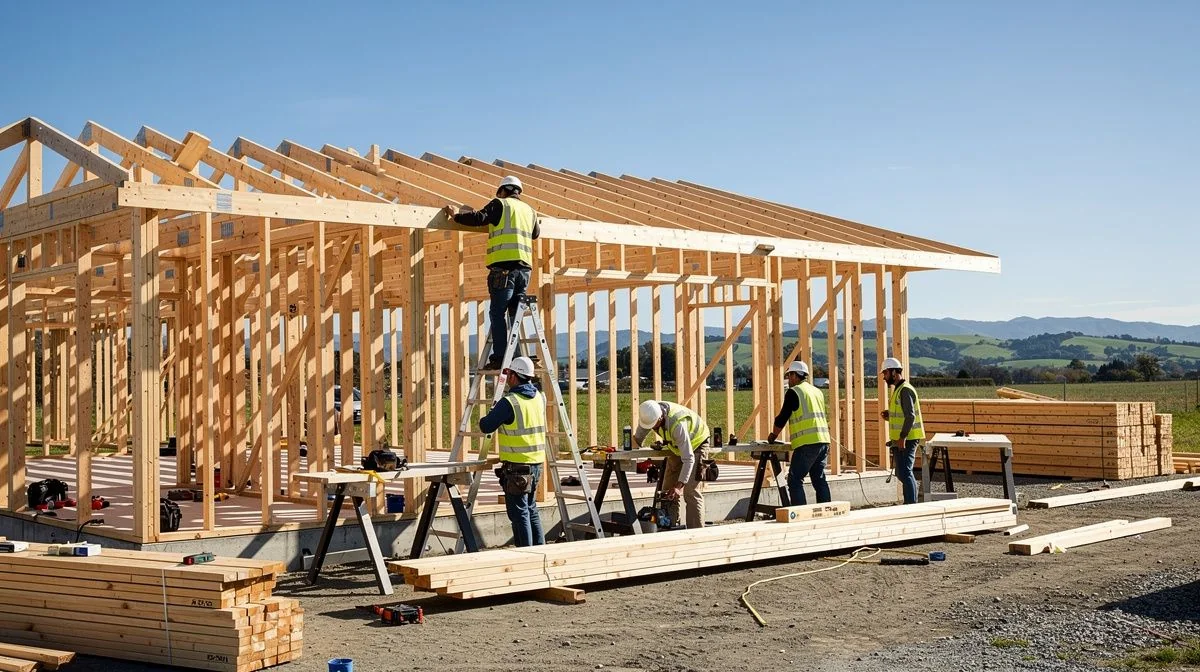
For a new build in Blenheim, you're generally looking at a timeline of 8 to 12 months from breaking ground to moving in, and sometimes longer. This assumes that you have a well-defined plan, a building consent, and a builder who is ready to start. The first few months are typically spent on foundations, framing, and the roof. After that, the work becomes more detailed, with plumbing, electrical, insulation, plastering, and finishing. The final few months are often the slowest, as the builder is dealing with a lot of different trades and the finishing touches can be time-consuming. It's not uncommon for a new build to take over a year.
Renovations are a different story. The timeline can vary enormously depending on the scope of the work. A simple bathroom or kitchen renovation might take 4 to 8 weeks. A larger renovation, such as adding an extension or recladding a whole house, could take 3 to 6 months or more. The key factor is the complexity of the work. If you're moving walls, changing the layout, or dealing with structural issues, the timeline will be longer. If you're just updating finishes, it will be shorter. Always ask your builder for a realistic timeline and be prepared for it to be longer than you'd like.
What causes delays? There are several common culprits. Weather is a big one, especially in Blenheim. While the region is known for its sunshine, it also gets its fair share of rain and wind, and there are times of the year when exterior work is simply not possible. A good builder will plan for this, but even they can't control the weather. Council delays are another common issue. The building consent process can take weeks or even months, and if the council is backed up, there's nothing you or your builder can do except wait. Material supply issues are also a problem, particularly for specialised or imported materials. If a key material is on backorder, your project will be delayed.
Variations are another major cause of delays. Every time you change your mind about something, it takes time to implement the change. You might need to order new materials, or the builder might need to redo work that's already been done. This can add days or even weeks to your timeline. This is why it's so important to make as many decisions as possible before the project starts and to stick to them. The more changes you make, the longer the project will take.
Labour shortages are a persistent problem in Blenheim. As we've discussed, there's a finite pool of builders and subcontractors, and they're all in high demand. If your builder is juggling multiple projects, they might not be able to dedicate their full team to your project, which can slow things down. This is another reason why it's important to choose a builder who is established and has a reliable team. They'll be better placed to manage their workload and keep your project on track.
So, what can you do to keep your project on schedule? The most important thing is to be realistic. Understand that building projects take time, and there will be delays. Build some buffer into your timeline so that you're not stressed if things slip. Communicate with your builder regularly and ask for progress updates. If a delay occurs, ask what's being done to get things back on track. And most importantly, avoid making unnecessary changes. The more you can stick to the plan, the smoother the process will be. A good builder will do their best to meet your timeline, but they need your cooperation to make it happen.
Communication and Project Management: The Glue That Holds It Together
If you ask any experienced builder what separates a successful project from a nightmare, they'll almost certainly say communication. Building a home or renovating an existing one is a complex process involving dozens of decisions, multiple trades, and a lot of moving parts. Without clear, consistent communication, things can quickly go off the rails. This section is about how good builders communicate and how you can foster a positive working relationship that keeps your project on track.
A good builder will set up a clear communication plan from the start. This might include regular weekly meetings or updates, a shared project management app, or simply a commitment to responding to your questions promptly. The key is that you should never be left in the dark about what's happening with your project. You should know what work is being done, what's coming up next, and whether there are any issues or delays. A builder who keeps you informed is a builder who respects you and values your business.
Weekly updates are a common and effective way to keep communication flowing. This could be a simple email or a phone call at the end of each week, summarising what has been accomplished, what's planned for the following week, and any issues that need attention. This gives you a regular touchpoint and allows you to raise any concerns you might have. It also helps to avoid surprises; you'll know well in advance if something is going to be delayed or if there's a cost increase coming. A good builder will be proactive about communication, not reactive.
Managing expectations is another critical part of a builder's job. A good builder will be honest with you about what's realistic and what's not. They'll tell you if your budget is too tight for the scope of work you want, or if your timeline is unrealistic. They'll also be upfront about potential challenges, such as difficult soil conditions or hidden structural issues. This honesty might be uncomfortable at times, but it's far better than a builder who tells you what you want to hear and then fails to deliver. You want a builder who is on your side, not just someone who wants to win the contract.
Avoiding disputes is all about communication. Most disputes arise from misunderstandings or unmet expectations. If you have a clear contract, a well-defined scope of work, and regular communication, the risk of disputes is greatly reduced. If an issue does arise, a good builder will address it head-on, rather than avoiding it. They'll work with you to find a solution that's fair to both parties. They'll also document everything, so there's a clear record of what was agreed. This might seem bureaucratic, but it protects everyone.
Real-world examples can help illustrate the importance of communication. Imagine you're having a bathroom renovated, and the builder discovers that the plumbing is more complex than expected. A good builder will call you immediately, explain the issue, and give you options. They might say, "We can either spend an extra $500 to fix this properly, or we can take a shortcut that will cost less but might cause problems down the line. What would you prefer?" This kind of transparent communication allows you to make informed decisions. A bad builder would just fix it their way and present you with a surprise bill at the end.
Another example: you're building a new home, and there's a delay in the delivery of a key material. A good builder will let you know as soon as they're aware of the issue and will explain how it will affect the timeline. They'll also explore alternative options, such as sourcing the material from a different supplier. A bad builder might just let the delay happen without telling you, leaving you wondering why your project has stalled. Communication is the glue that holds a project together, and it's one of the most important qualities to look for in a builder.
The Consent Pathway: A Simple Overview
Building consent is a topic that confuses a lot of people, but it's a crucial part of any building project. In simple terms, a building consent is formal approval from your local council to carry out building work. It's a legal requirement for most projects and is designed to ensure the work meets the New Zealand Building Code, which sets out the minimum standards for safety, health, and accessibility. This section will give you a plain-English overview of the consent pathway, so you know what to expect.
The first question you need to ask is whether your project even needs a building consent. Not all building work requires a consent. There are a number of exemptions under the Building Act, covering things like small sheds, single-storey garages, and some minor repairs. However, most significant work, such as new builds, extensions, renovations that involve structural changes, and recladding, will require a consent. It's always best to check with your local council before you start any work. You don't want to find out you needed a consent after the work is done; it can be a very expensive mistake to rectify.
If your project does require a consent, the process starts with preparing the necessary documentation. This typically includes detailed plans and specifications, which are usually prepared by an architect or a building designer. The plans need to show exactly what you're planning to build and how it will meet the Building Code. You'll also need to provide supporting information, such as structural engineering reports, if required. The quality of your documentation is crucial; a poorly prepared application will likely be rejected or delayed.
Once your application is complete, you submit it to the Marlborough District Council. The council will review the application to ensure it complies with the Building Code and any relevant district plan rules. This process can take anywhere from a few weeks to a few months, depending on the complexity of the project and the council's current workload. During this time, the council might request further information or ask for changes. It's a bit of a back-and-forth process, and it can be frustrating, but it's an important part of ensuring the work is done properly.
In some cases, you might also need a resource consent. This is a separate approval that deals with the environmental effects of your project, such as its impact on neighbours, the local landscape, or the natural environment. Not all projects require a resource consent, but if you're building on a sloping site, near a river, or in a heritage area, you might need one. Resource consent applications can take longer and are more complex than building consent applications, so it's worth checking early on if you're likely to need one.
Once your building consent is approved, you can begin construction. During the construction process, the council will carry out inspections at key stages to ensure the work is being done in accordance with the approved plans. These inspections are typically required for things like the foundations, framing, insulation, and plumbing and electrical work. Your builder will be responsible for booking these inspections and ensuring they're passed. If an inspection fails, the issue will need to be fixed before the work can continue.
Once the construction is complete, you'll need to get a Code Compliance Certificate (CCC). This is a formal document from the council confirming that the work complies with the building consent and the Building Code. To get a CCC, your builder will need to provide the council with a record of the inspections that were carried out, along with any other required documentation. The council will then review everything and, if they're satisfied, issue the CCC. This is an important document; you'll need it if you ever decide to sell your home, and it provides evidence that the work was done properly.
Blenheim-Specific Building Challenges
Blenheim might look like a straightforward place to build, but it has its own unique set of challenges that can catch out builders and homeowners who aren't familiar with the area. From the soil beneath your feet to the weather above your head, there are local factors that can significantly impact your project. Understanding these challenges is the first step to overcoming them, and it's one of the reasons why choosing a builder with local knowledge is so important. Let's dive into the specifics.
Weather is perhaps the most obvious challenge. Blenheim is known for its sunny climate and relatively low rainfall, but that doesn't mean the weather is always on your side. The region can experience intense summer heat, which makes working on roofs or in confined spaces uncomfortable and can even affect concrete curing. The winter months bring heavy frosts, which can delay concrete pours and plastering. And while Blenheim isn't as exposed to wind as some coastal areas, there are still periods of strong nor'westers that can halt work on scaffolding. A local builder knows how to plan around these seasonal patterns, scheduling interior work during the cold months and exterior work when the weather is more cooperative.
Soil conditions in Blenheim are another major factor. The Wairau Plain is made up of a variety of soil types, from free-draining gravels to heavy, expansive clays. Some areas are more prone to liquefaction in an earthquake than others. This means that foundation design can vary significantly from one site to the next. A builder who is familiar with the local soils will know which areas need deeper piles, which need raft foundations, and which need specialised engineering. They'll also know when to bring in a geotechnical engineer to assess the site before any work begins. Building on the wrong foundation can lead to serious structural problems down the line.
Sloping sites are common in and around Blenheim, particularly in areas like the Wither Hills and the hills around the town. Building on a slope adds a layer of complexity to any project. You might need to excavate into the hillside, build retaining walls, or design a home that steps down the slope. These factors can add significantly to the cost and timeline of a project. A builder with experience on sloping sites can advise you on the best approach and be prepared for the challenges that come with this type of build.
Coastal exposure is a concern for properties in places like Rarangi, Whites Bay, and the other coastal settlements around the Marlborough region. Salt-laden air can be corrosive to building materials, particularly steel and some types of cladding. Builders need to specify materials that are suitable for coastal environments, such as stainless steel fixings and specially treated timber. They also need to pay attention to weatherproofing to protect the home from the elements. A builder who doesn't have experience with coastal builds might not know about these requirements, which could lead to premature deterioration of your home.
Heritage overlays are another consideration, particularly in the older parts of Blenheim. There are areas where buildings have heritage status, which means they have special protections under the district plan. If you're renovating a heritage-listed home, you'll need to comply with strict rules about what you can and can't change. This can be a complex process, and you'll need a builder who is experienced in working with heritage buildings and who understands the requirements of the local council. Getting this wrong can lead to significant delays and even legal action.
Local building style quirks are something that a local builder will instinctively understand. Blenheim has a mix of architectural styles, from classic villas and bungalows in the older suburbs to more modern, often Mediterranean-inspired, homes in the newer developments. There's also a growing number of contemporary architectural homes, particularly on the rural and coastal fringes. A builder who has worked on a variety of these styles can adapt their approach to suit your home. They'll know the common issues with older homes, such as unconsented additions or failing foundations, and they'll know how to work with the existing structure rather than against it.
Council processing times in Marlborough can also be a challenge. While the council is generally efficient, it can be slow at times, particularly during peak periods. A builder who has a good relationship with the council and who knows how to prepare a thorough application can help to streamline the process. They'll know what the council is looking for and can avoid the common mistakes that lead to delays. This local knowledge is invaluable and is one of the main reasons why you should choose a builder who is based in the region and has a track record of working with the Marlborough District Council.
Builder Types and Which One You Need
Not all builders are the same. They come in different shapes and sizes, with different specialities, different business models, and different ways of working. Choosing the right type of builder for your project is just as important as choosing the right individual. This section will break down the different types of builders you're likely to come across in Blenheim and help you figure out which one is the best fit for your needs.
First up are renovation specialists. As the name suggests, these builders focus specifically on renovations and alterations. They're experts at working within existing structures, dealing with the quirks of older homes, and managing the mess and disruption that comes with a renovation. If you're planning to renovate an older home in Blenheim, a renovation specialist is a great choice. They'll have experience with the common issues that arise in older properties, such as dodgy wiring, unconsented additions, and failing foundations. They'll also be skilled at working around you and your family, as you'll likely be living in the home during the renovation.
Next are new-build companies. These businesses focus on building new homes, typically in subdivisions or on vacant sections. They often have a streamlined process for new builds, with established relationships with suppliers and subcontractors. They might offer a range of standard plans, or they might build from custom designs. If you're building a new home from scratch, a new-build company is a logical choice. They'll be able to guide you through the entire process, from the initial design to the final handover. However, they might not be the best choice for a renovation, as they may not have the same level of experience with existing structures.
Recladding specialists are a more niche category. Recladding a home is a specific type of project that requires particular skills and knowledge. It involves removing the existing cladding and replacing it with new materials, which can be a complex and delicate process. There are also specific regulations and best practices around recladding, particularly for homes that were built with leaky building materials. If you're planning to re-clad your home, you should look for a builder who has specific experience in this area. They'll know how to manage the process, what materials to use, and how to avoid the common pitfalls.
Design-and-build firms are a popular option. These companies offer both the design and the construction services, so you have a single point of contact for the entire project. This can be a great way to streamline the process and avoid the communication issues that can arise when you have a separate architect and builder. The design-and-build firm will work with you to create a design that meets your needs and your budget, and then they'll build it. This can be a more efficient and cost-effective approach, as the design and construction teams are working together from the start.
Small independents are the backbone of the building industry in Blenheim. These are typically sole traders or small companies with just a few employees. They often have a personal approach and a strong reputation within the local community. They might specialise in a particular type of project, or they might take on a wide range of work. A small independent builder can be a great choice for a renovation or a smaller project, as they'll be personally invested in the outcome. However, they might not have the capacity to take on a large new build, and they might not have the same level of backup as a larger company.
Large companies are the other end of the spectrum. These are big building companies with a large team of employees and a significant turnover. They often have a more corporate approach, with dedicated project managers and a structured process. They can handle large, complex projects, and they have the resources to deal with any issues that arise. However, they can also be less personal, and you might feel like you're just another project to them. They might also have higher overheads, which could be reflected in their pricing. For a large new build, a large company might be the right choice, but for a smaller project, a small independent might be a better fit.
Project-management-led firms are a newer type of business model. These companies don't have their own building teams; instead, they manage the entire project for you, hiring and coordinating subcontractors on your behalf. This can be a good option if you want a hands-off approach. The project manager will handle everything, from the design to the consent to the construction. They'll also manage the budget and the timeline. This can be a more expensive option, as you're paying for the project management service on top of the actual construction costs. However, it can be worth it if you don't have the time or the expertise to manage the project yourself.
How to Prepare for Your First Meeting With a Builder
Your first meeting with a builder is an important opportunity to make a good impression and to gather the information you need to make a decision. It's also a chance for the builder to assess you and your project. To get the most out of this meeting, it's a good idea to come prepared. This section will give you a practical guide to what you should bring, what you should ask, and how to make the meeting a success. The more prepared you are, the more productive the meeting will be.
The first thing you should bring is a clear description of your project. This could be a written brief, a set of sketches, or even just a collection of photos from magazines or websites that show the style you're going for. The more visual information you can provide, the better. A builder can't read your mind, so you need to show them what you're thinking. If you have any architectural plans, bring those too. Even if they're just rough sketches, they'll give the builder a starting point for their quote.
You should also bring a list of questions to ask the builder. This shows that you're serious and that you've done your homework. Some good questions to ask include: Are you a licensed building practitioner? How long have you been building in Blenheim? Can you provide references from past clients? What is your approach to project management? How do you handle variations? What is your payment schedule? What kind of guarantee do you offer? These questions will help you assess the builder's experience, their professionalism, and their suitability for your project.
Describing your vision is about more than just showing pictures. You need to be able to articulate what you want to achieve with your project. Are you looking for more space? Are you looking to modernise an older home? Are you looking to create a more energy-efficient home? The builder needs to understand your goals so they can advise you on the best way to achieve them. Be honest about your budget and your timeline. Don't be vague or evasive; a good builder can't work with a budget that doesn't exist. The more transparent you are, the better the advice you'll get.
The budget conversation is often the most difficult part of the first meeting, but it's essential. You need to have a realistic idea of what you can afford, and you need to be upfront about it with the builder. If you're not sure what a project should cost, ask the builder for their opinion. They'll be able to give you a rough estimate based on the scope of your project. Don't be afraid to say, "I'm not sure what this should cost; what do you think?" A good builder will be happy to help you understand the numbers. They'll also be honest with you if they think your budget is unrealistic.
During the meeting, pay attention to the builder's communication style. Are they listening to you, or are they just talking at you? Are they asking thoughtful questions, or are they just trying to sell you their services? Do they seem genuinely interested in your project, or are they just going through the motions? These are all important indicators of how the builder will behave during the project. You want a builder who is a good listener, a clear communicator, and genuinely invested in delivering a great result.
Finally, be on the lookout for red flags. If the builder is evasive about their qualifications, or if they're reluctant to provide references, that's a warning sign. If they give you a quote on the spot without properly assessing the project, that's another red flag. If they pressure you to sign a contract immediately, that's a huge red flag. A good builder will take their time, ask questions, and provide a detailed, considered quote. They won't pressure you into making a decision. Trust your instincts. If something feels off, it probably is.

Best Builders for Different Project Types in Blenheim
Different projects require different skills, and the best builder for one job might not be the best builder for another. In Blenheim, you'll find builders who specialise in everything from heritage renovations to modern new builds. Understanding which type of builder is best suited to your specific project will help you narrow down your search and find the right person for the job. This section will guide you through the different project types and the qualities you should look for in a builder for each.
For a villa renovation in Blenheim, you want a builder who has a deep appreciation for older homes. Villas have their own unique character, with features like high ceilings, ornate plasterwork, and timber floors. A good villa renovation builder will know how to preserve these features while updating the home for modern living. They'll also be prepared for the challenges that come with older homes, such as unconsented additions, outdated wiring, and failing foundations. Look for a builder who has a portfolio of villa renovations and who can demonstrate a respect for the original architecture.
Extensions are a popular way to add space to a home in Blenheim, and they require a builder who is skilled at working with existing structures. The key challenge is tying the new extension into the old building seamlessly, both structurally and aesthetically. You need a builder who can manage the complexities of the connection, from the foundations to the roofline. They also need to be able to work around you and your family, as you'll likely be living in the home during the construction. Look for a builder who has experience with extensions and who can
Questions You Might Have
How do local builders handle Blenheim’s seismic risk and earthquake-prone building rules?
Blenheim sits on the Wairau Fault and felt significant shaking during the 2013 Seddon earthquakes and the 2016 Kaikoura quake. A reputable local builder will be well-versed in the latest NZS 1170.5 seismic design standards and will know exactly when to specify a reinforced concrete slab, a piled foundation, or a more flexible timber subfloor. They'll also be upfront about the Marlborough District Council’s requirements for any new build to keep you compliant from day one.
If you're renovating an older Character or Heritage-listed home in the central town area, earthquake-prone building regulations (under the Building Act 2004) are a real consideration. A Blenheim builder who works on pre-1976 buildings can tell you whether a simple strengthening retrofit is possible or if you'll need a full upgrade. This local knowledge helps you budget realistically before you commit to a purchase.
What should I know about building on vineyard or rural land around Marlborough?
Building on a vineyard block comes with quirks you won't hit in a suburban Blenheim section. Most winery blocks sit on the Wairau, Waihopai, or Awatere river plains, which means you'll almost certainly need deep pile foundations to handle the free-draining silt and gravels, and the high water table during Marlborough’s wetter winters. A local builder will know which soil reports to get and how to design a floor system that doesn't shift when the soil dries out in the hot summer months.
Rural properties also trigger Marlborough District Council subdivision and land-use rules — especially if you're also building a shed, installing a septic tank, or managing vineyard access for tractors. A builder with, say, 15–20 years of experience on local Marlborough blocks will already know the council's inspectors and engineers, which means fewer surprises and a smoother consent process. Be specific about your site; there's a big difference between building on the Wairau Plains and on the older sun-baked slopes east of town.
How do Marlborough District Council consents and inspections work in practice?
Marlborough District Council runs building consents a little differently from larger centres — it's a smaller team, and turnaround times can genuinely be faster, but the paperwork standards are still strict. A Blenheim builder will usually pre-lodge plans and get pre-application advice so that your design is assessed against the district plan early. This avoids the classic delay of a consent coming back with conditions about flood risk, fire safety distance from vineyards, or coastal erosion setbacks.
Inspections on site are done by council building officials, and a good local builder will have an existing professional relationship with them. You want a builder who invites the inspector to key milestones — foundations, pre-cladding, drainage, and final sign-off — and who sorts out any issues on the spot. Ask prospective builders how many consents they've taken through MDC this year; the best ones will be able to name the inspectors and walk you through the exact process without hesitation.
What should I watch out for with Blenheim’s climate — sun, wind, and frost?
Blenheim is famous for its high sunshine hours, but that also means severe UV exposure, drying Nor'west winds, and sharp overnight frosts in winter. A good local builder will specify materials that cope with those extremes: powder-coated aluminium windows instead of bare timber, heavier-grade roofing iron, and proper eave design to shade north-facing glass in summer while letting low-angled winter sun in. They'll also know to plan for wind-loading ratios specific to your street, not a generic national map.
The frost and dry soil cycles can also wreak havoc on concrete if the mix or the curing process is rushed. Local builders in Blenheim take time to pour footings correctly — using damp-curing or jointing compounds when a wet week isn't forecast. And for external cladding, they'll steer you away from timber products that are prone to splitting in the Canterbury-zoned UV and towards materials that hold a finish. You're not just buying a home here; you're buying something that needs to survive 2000+ hours of sunshine a year.
Are there local materials and suppliers that are better than the big box alternatives?
Blenheim is a small enough city that your builder's relationship with local suppliers genuinely matters. Builders will often use Winstone Wallboards, ITM Marlborough, or the local PlaceMakers for value, but the top local builders know where to source Marlborough-specific products — like local crushed river aggregate for fill or the right grade of macrocarpa or cedar from a nearby sawmill for your exterior feature wall. This can significantly cut freight costs from Nelson or Christchurch.
There's also the practical advantage of getting a builder who's on-site daily and can pivot to a local plasterer, roofer, or electrician when the weather changes. A Blenheim-based team isn't driving an hour home at 4 pm; they'll finish the job properly. Ask what local tradespeople they work alongside — a good answer will name names, not just generic subcontractors.
What Matters Most
Choosing a builder in Blenheim is about more than a price quote — it's about a team that already knows the local council, the seismic ground conditions, and the intense Marlborough climate. A reliable local builder will save you months of delays and thousands of dollars in remedial work because they've done it all before, right here in this region.
Take the time to visit at least two of their recently completed homes in Blenheim — not just photos — and speak to the owners about how the build handled the first winter frosts and the windy summer days. Check that their contracts are clear on foundation design, consent conditions, and what happens if your project uncovers a surprise on the site.
The right Blenheim builder will be happy to talk specifics, from the Wairau Fault line to the council's paperwork. If they are, you're likely in very good hands for your new home in Marlborough's sunniest town.

The ValueHub Team built this site because finding clear, unbiased financial information in New Zealand was harder than it should be. Every guide is based on real research — we compare the actual fees, terms, and fine print so you don't have to. Our tip: shop around every year, read the policy docs, and never assume loyalty gets you the best deal.— The ValueHub Team
Try our Calculators
Use these free tools to crunch the numbers:
KiwiSaver Fund Comparison
Compare fees, returns, and risk levels across every KiwiSaver fund from all 31 NZ providers.
Currency Converter — USD to NZD
Convert US Dollars to New Zealand Dollars instantly. See the latest exchange rate and 30-day trend.
Mortgage Repayment Calculator
Calculate your weekly, fortnightly, or monthly mortgage repayments. Free NZ mortgage calculator — try different rates, terms, and repayment frequencies.
Compound Interest Calculator
See how your savings grow with compound interest over time. Free NZ compound interest calculator with yearly, monthly, and weekly compounding options.
Term Deposit Calculator
Calculate your term deposit returns before you lock in. Compare interest earned across different terms and rates with ValueHub's free calculator.
Savings Goal Calculator
Calculate how long it will take to reach your savings goal — and what monthly deposit you need to get there. Free NZ savings planner.
Builders in Other Cities
Latest Guides & Reviews
New Zealand Financial Markets Authority Guide: Investor Protection in NZ
Protect your investments with this practical guide to the FMA — how to check licences, spot scams, and what to do if a provider fails. Verified against...
comparisonEV Home Charger NZ: Costs & Buying Guide
Compare EV home charger costs in NZ — verified prices from $1,299, installation fees, smart features, and what actually matters for your home's power supply.
guideThe Most Popular EVs in New Zealand
The best-selling electric cars in New Zealand, ranked by official registration data. Top BEV and PHEV models and brands, updated monthly.
guideEV Market Stats
New Zealand's EV market in numbers — market share, fleet size, top-selling models and used imports, updated with the latest NZTA and MIA data.