Best Builders in Dunedin
Published 07 August 2026 · Updated 18 August 2026 · Written by the ValueHub team · Reviewed by Steve Baron

Choosing a Builder in Dunedin: Why It Pays to Do This Properly
Let's be honest: picking a builder is one of the most stressful decisions you'll make as a homeowner. It's not like choosing a plumber to fix a leaky tap or a sparky to swap out a light fitting. A builder is going to be in your life for months, sometimes over a year, and they'll be responsible for what is likely your biggest asset. Get it wrong and you're looking at budget blowouts, delayed timelines, and a whole lot of sleepless nights. Get it right and you'll have a home that's been transformed, improved, or built from scratch with minimal drama. The stakes are genuinely high.
Dunedin adds its own particular flavour to this decision. We're not building on flat, forgiving sections like they do in parts of Christchurch or Auckland. Our city is famously hilly, with plenty of properties perched on slopes that would make a mountain goat nervous. That means retaining walls, complex foundations, and a whole lot of extra engineering input. It's not unusual for a Dunedin section to require significant earthworks before a single pile is even placed. You need a builder who has genuinely worked on sloping sites and understands the unique challenges they present.
Then there's the weather. Dunedin is beautiful, but it's also windy, wet, and unpredictable. We get rain that can halt a build for days on end, and the wind can be brutal, especially in the more exposed suburbs like St Clair, Waverley, or around the Peninsula. A builder who's used to working in these conditions knows how to plan around them, how to protect materials, and how to keep the project moving when the forecast looks grim. They'll also know which days are write-offs and which are salvageable, which is more valuable than you might think.
Council consent timelines in Dunedin are another factor that catches people out. The Dunedin City Council has been working through a backlog of building consent applications for years, and while things have improved, it's still not a quick process. You might be waiting several weeks just to get your consent approved, and that's before a single hammer swings. A good local builder knows the council's processes, knows what the inspectors are looking for, and can help you navigate the paperwork without pulling their hair out. They'll also have realistic expectations about how long the whole consent journey will take, which is crucial for planning.
Subcontractor availability is a real issue in Dunedin. There's a shortage of skilled tradespeople across the country, and Dunedin is no exception. Good electricians, plumbers, and plasterers are booked out weeks or even months in advance. A builder with established relationships with reliable subcontractors is worth their weight in gold. They can get your job scheduled in, rather than you being left waiting for a sparky who's fully booked until Christmas. It's one of those things you don't think about until you're in the middle of a build and the whole project is stalled because you can't get a roofer on site.
Our local building styles also matter. Dunedin is famous for its Victorian and Edwardian villas, and there are strict heritage overlays in many of the central suburbs. If you're renovating a villa in Roslyn, Mornington, or the city centre, you'll need a builder who respects the character of these homes and knows how to work with them. That might mean matching existing joinery, working with traditional materials, or navigating heritage consent requirements. A builder who's only ever worked on modern builds might not have the skills or the understanding to do justice to a 1905 villa.
Finally, there's the simple matter of labour shortages. Like the rest of the country, Dunedin is feeling the pinch when it comes to finding skilled builders. The good ones are booked out months in advance. That's both a blessing and a curse. It means you need to start your search early, but it also means the builders who are available when you need them might not be the ones you actually want. Doing your research, checking credentials, and being prepared to wait for the right person is far better than settling for whoever's free next week. This is a decision you'll live with for decades, so it genuinely pays to do it properly.
How Builder Pricing Actually Works in Dunedin
Let's talk money, because that's what everyone really wants to know. How much is this going to cost? The honest answer is that it depends on a whole range of factors, but we can give you some realistic ballpark figures to work with. In Dunedin, you're generally looking at somewhere between $2,500 and $4,000 per square metre for a new build, depending on the level of finish, the complexity of the design, and the site conditions. That's a wide range, but it reflects the reality that a simple, flat-site, single-storey home is a very different proposition to a complex, multi-level design on a sloping section.
Renovations are a different beast entirely. You could be looking at anywhere from $1,500 to $3,500 per square metre, depending on the scope of work. A simple kitchen and bathroom refresh might come in at the lower end, while a full renovation that involves moving walls, rewiring, and re-piling will push you towards the top of that range. The key thing to understand is that renovations often cost more per square metre than new builds. That's because you're working with existing structures, dealing with surprises that are hidden behind walls, and often having to work around a lived-in home. It's more complex, and complexity costs money.
Recladding is a big deal in Dunedin, particularly for homes built in the 1990s and 2000s that have monolithic cladding systems. The cost of recladding varies massively depending on the size of the home, the type of cladding you choose, and whether there's any underlying weathertightness damage. You could be looking at anywhere from $100,000 to $300,000 or more for a full reclad. It's not cheap, but it's often necessary to protect the structure of your home and maintain its value. A good builder will give you a detailed breakdown of what's involved and what it's going to cost before you commit.
Labour costs in Dunedin are broadly in line with the rest of the country, though you might find them slightly lower than in Auckland or Wellington. Builders are typically charging somewhere between $60 and $100 per hour, depending on their experience and the type of work they're doing. Materials costs, on the other hand, have been rising steadily and show no signs of coming down anytime soon. Timber, steel, insulation, and plasterboard have all gone up significantly in recent years, and that's reflected in the quotes you'll receive. It's worth keeping in mind that the cost of materials is largely outside your builder's control, so don't shoot the messenger when they tell you the price of timber has gone up again.
Local demand has a significant impact on pricing. When builders are busy, which they are in Dunedin at the moment, they can afford to be more selective about the jobs they take on. That means they're less likely to discount their prices to win work. You might find that you're paying a premium for a good builder simply because they're in demand. That's just the reality of the market. The flip side is that a busy builder is usually a good builder, because they're getting repeat work and referrals from satisfied clients. It's a sign of quality, even if it hurts your wallet.
Why do quotes vary so much between builders? There are a few reasons. First, different builders have different overheads. A large company with a big office and a full admin team is going to have higher costs than a sole trader working from a home office. Second, different builders interpret the scope of work differently. One might include things in their quote that another considers an extra. That's why it's so important to have a detailed, written scope of work before you start comparing quotes. Third, some builders simply price higher because they can, based on their reputation and the quality of their work. It's not always about being the cheapest; it's about getting value for money.
You'll also need to understand the difference between an estimate, a fixed-price quote, and a cost-plus arrangement. An estimate is exactly what it sounds like: a rough idea of what the project might cost, based on the information available at the time. It's not a binding commitment. A fixed-price quote is a binding commitment to complete the specified work for a set price, regardless of what it actually costs the builder. That's great for you, because it means you know exactly what you're paying, but it also means the builder has to price in a buffer for unexpected issues. A cost-plus arrangement is where you pay the actual cost of materials and labour, plus a percentage or fixed fee for the builder's overheads and profit. This is the most transparent option, but it also carries the most risk for you, because there's no upper limit on what you might end up paying.

Our Trusted Builders
We feature businesses that demonstrate strong performance, proven experience, and consistently positive customer feedback. Some of the providers listed may have commercial relationships with us, but all are selected based on quality and reliability.
To begin, reach out to them and speak with them directly — this helps you explain your job, ask questions, and confirm whether they're the right fit.
Brent Lucas Builders Limited is a locally owned and operated building and joinery company located in Dunedin. We are a trusted company that has been delivering the highest standard of workmanship in Otago for over 20 years. With a growing number of friendly staff we work within your budget and time constraints to fulfil beyond your expectations.
How to Compare Quotes Properly (Without Losing Your Mind)
Comparing quotes from different builders can feel like trying to compare apples with oranges, especially when they come back with wildly different figures. But it doesn't have to be a nightmare if you approach it methodically. The first step is to prepare a clear, detailed scope of work. This should be a written document that describes exactly what you want done, the materials you want used, and any specific requirements you have. The more detail you provide, the more accurate your quotes will be, and the easier they'll be to compare. Don't just say "renovate the kitchen"; specify the cabinetry, the benchtop material, the appliances, and the splashback. Every detail matters.
When you have your quotes, don't just look at the bottom line. That's a rookie mistake. Instead, go through them line by line and compare what's actually included. One builder might have included the cost of a skip for waste disposal; another might have left it out. One might have included painting; another might have assumed you're doing that yourself. These differences can add up to thousands of dollars, so it's essential to understand what you're actually getting for your money. If something isn't clear, ask. A reputable builder will be happy to explain their quote and walk you through what's included and what's not.
There are a few red flags to watch out for when you're comparing quotes. The first is a quote that's significantly lower than the others. If one builder is coming in at 30% less than everyone else, you need to ask why. Are they cutting corners? Are they using cheaper materials? Are they planning to hit you with a long list of extras once the job starts? It's possible they're just more efficient, but it's more likely that something's being left out. The second red flag is a quote that's vague or lacks detail. If a builder just gives you a single figure with no breakdown, that's a warning sign. You need to know what you're paying for. The third red flag is pressure to sign quickly. A good builder won't push you into a decision; they'll give you time to think it over and compare your options.
Bait-and-upgrade pricing is a real thing in the building industry, and you need to be aware of it. This is where a builder gives you a low quote to win the job, then hits you with a series of "extras" once work is underway. It might be a variation for something that was "not included in the original scope" or an upgrade that's "essential" for the project to meet building code. Some of these might be legitimate, but if the extras keep piling up, you could end up paying far more than you budgeted for. The best way to protect yourself is to have a detailed scope of work and a fixed-price contract that clearly states what's included. If a builder tries to add extras that weren't in the original scope, you can push back and refer to the contract.
Avoiding budget blowouts is all about planning and communication. Make sure you have a contingency fund of at least 10-15% of your total budget for unexpected issues. Renovations, in particular, are notorious for uncovering surprises once walls are opened up. It could be rotten timber, outdated wiring, or asbestos that needs to be removed. None of these are the builder's fault, but they will cost you money. A contingency fund gives you a buffer so you're not caught short. And when you're comparing quotes, make sure you're comparing like with like. If one builder includes a contingency in their price and another doesn't, that's a significant difference that will affect the bottom line.
Finally, don't be afraid to negotiate. Building quotes aren't set in stone, and many builders are open to a bit of back-and-forth, especially if it means securing a good job. But negotiate respectfully. Don't just ask for a discount; ask if there are ways to reduce the cost without compromising on quality. Maybe you can choose a cheaper flooring option or scale back the size of the deck. A good builder will work with you to find a solution that fits your budget. Remember, you're building a relationship here, not just buying a service. How you handle the negotiation process can set the tone for the entire project.
How to Choose the Right Builder in Dunedin: A Practical Checklist
Here's a practical checklist you can print out and take with you to meetings with potential builders. It's not exhaustive, but it covers the essentials and will help you make an informed decision. Trust your instincts as well as the checklist; if something feels off, it probably is.
Check their LBP status. In New Zealand, anyone doing restricted building work must be a Licensed Building Practitioner (LBP). That includes structural work, weathertightness, and fire safety. Ask to see their LBP card and verify it online. It's not just a piece of paper; it's a legal requirement and a sign that they've met national standards of competence.
View their past work. Don't just rely on photos on their website. Ask for addresses of recent projects and go and look at them in person. Better yet, ask to speak to the homeowners. A builder who's proud of their work will be happy to put you in touch with past clients. If they're hesitant or evasive, that's a red flag.
Get references. This goes hand in hand with viewing past work. Ask for at least three references and actually call them. Ask about the builder's communication, their adherence to timelines, their handling of issues, and whether they finished on budget. The answers will tell you a lot about what it's like to work with them.
Check their insurance. A reputable builder should have public liability insurance and be able to provide you with a certificate of currency. This protects you if someone is injured on your property or if damage is caused during the build. Don't skip this step; it could save you a world of pain down the track.
Read the contract carefully. Before you sign anything, read the contract thoroughly. Make sure you understand the payment schedule, the timeline, the scope of work, and the process for handling variations. If there's anything you don't understand, ask. A good builder will be happy to explain. If they're reluctant to put things in writing, walk away.
Trust your gut. At the end of the day, you're going to be working closely with this person for months. If you don't get a good feeling from them, if they're dismissive, or if they don't seem to be listening to you, that's a problem. You need a builder who communicates well and respects your input. Trust your instincts; they're usually right.
Ask about their team. Who will actually be doing the work? Is it the person you're meeting with, or will they be subcontracting the work out? If it's a team, try to meet them too. You want to know who's going to be on site every day and whether they're experienced and reliable.
Check their qualifications and affiliations. Are they a member of Master Builders or Certified Builders? These organisations have their own quality standards and dispute resolution processes, which can provide extra protection for you. It's not essential, but it's a good sign.
Builder Availability in Dunedin: The Brutal Truth
Here's the thing nobody tells you about hiring a builder in Dunedin: the good ones are booked out. Sometimes months in advance. It's not that there aren't builders in the city; it's that the really good ones are in high demand, and they can afford to be selective about the projects they take on. This is particularly true during the peak building season, which in Dunedin runs from roughly September through to May. If you're planning a build or renovation, you need to factor in the wait.
Seasonal demand plays a big role in builder availability. The warmer months are when everyone wants to build, which means builders are at their busiest. If you're trying to secure a builder for a spring start, you need to be approaching them in the middle of winter, or even earlier. The flip side is that starting a build in the winter months can be a challenge in Dunedin due to the weather, but it also means you might have an easier time getting a builder to take on your project. It's a trade-off between availability and weather conditions.
Council consent bottlenecks are another factor that affects availability. If you haven't got your building consent approved before you approach a builder, they might be hesitant to commit to a start date. They don't want to book you in and then have the consent take months to come through, leaving them with a gap in their schedule. That's why it's so important to get your consent process started early. In Dunedin, you should expect to wait at least a few weeks for a straightforward consent, and longer for more complex projects. Factor that into your timeline.
Subcontractor shortages are a real problem in Dunedin, and they affect builder availability indirectly. Even if a builder is ready to start your project, they might not be able to if they can't get a plumber or an electrician to do their part of the job. The shortage of skilled tradespeople is a nationwide issue, and Dunedin is feeling it. That means builders have to schedule their projects around the availability of subcontractors, which can push start dates out further. It's frustrating, but it's the reality of the current market.
So, what's the practical advice? Start your search early, and be prepared to wait. If you find a builder you like and they tell you they can't start for six months, that's not necessarily a bad thing. It means they're in demand, which is usually a sign of quality. Use the waiting time to get your plans finalised, your consent sorted, and your materials selected. When the builder is ready to start, you want to be ready to go. The more prepared you are, the smoother the process will be.
Another piece of advice: don't put all your eggs in one basket. Approach several builders and get a feel for their availability and their interest in your project. You might find that one is available sooner than another, or that one is more enthusiastic about your particular project. It's a competitive market, and you want to give yourself options. But don't string builders along either; they're busy people, and they'll appreciate it if you're upfront about your timeline and your intentions.
Common Mistakes Homeowners Make When Hiring a Builder
There's a lot of ways to get this wrong, and I've seen them all. The most common mistake is choosing the cheapest quote. It's understandable, of course. We all want to save money. But the cheapest quote is often the most expensive in the long run. A builder who's significantly cheaper than everyone else is probably cutting corners somewhere, whether it's in the materials they use, the quality of their workmanship, or the amount of detail they've included in their quote. You might save $20,000 upfront and then spend $50,000 fixing problems down the track. It's just not worth the risk.
Not checking references is another big one. It's amazing how many people skip this step. They see a nice website, have a good chat with the builder, and decide to go ahead without ever speaking to a past client. That's a huge mistake. References are your window into what it's actually like to work with a builder. You can find out about their communication, their reliability, their problem-solving skills, and their ability to stay on budget. It takes half an hour to make a few phone calls, and it could save you from a nightmare project.
A vague scope of work is a recipe for disaster. If you don't have a clear, detailed description of what you want done, you're leaving yourself open to all sorts of issues. The builder might interpret things differently than you do, leading to arguments and variations. Or they might quote on a minimal scope, then hit you with extras for everything that wasn't explicitly stated. The solution is to put in the time upfront to write a detailed scope of work. It's not glamorous, but it's essential.
Paying too much upfront is a common mistake that can leave you exposed. Most builders will ask for a deposit to secure materials and cover initial costs, which is reasonable. But be wary of anyone asking for a large percentage of the total cost upfront. That's a red flag. A reputable builder will structure payments around milestones, so you're paying for work as it's completed. If a builder demands a big upfront payment, ask why, and be prepared to walk away if the answer doesn't satisfy you.
Making assumptions is another trap. Assuming the builder knows what you want, assuming the quote includes certain things, assuming the timeline is realistic. None of these are safe assumptions. You need to be explicit about your expectations and make sure they're documented in the contract. If you're not sure about something, ask. Don't just assume. The more you communicate, the less room there is for misunderstandings.
Changing your mind mid-project is a costly habit. Every change, no matter how small, has an impact on the timeline and the budget. It might be a different tile, a different paint colour, or a complete layout change. Each one requires the builder to stop what they're doing, source new materials, and adjust their plans. That costs time and money. If you can, make all your decisions before the build starts, and stick to them. If you do need to change something, be prepared for the cost and the delay.
Finally, skipping the contingency fund is a mistake that far too many people make. They budget for the project, but they don't leave any room for the unexpected. And the unexpected always happens. It could be rotten timber behind a wall, a plumbing issue that wasn't visible until the floor was opened up, or a delay in materials that pushes everything out. Without a contingency fund, you're left scrambling for money in the middle of a build, which is stressful and can lead to bad decisions. Build a contingency of at least 10-15% into your budget, and don't touch it unless you absolutely have to.
Payment Stages and Financial Protections
Understanding how payments work in the building industry is crucial to protecting yourself financially. The days of paying a builder a lump sum upfront and hoping for the best are long gone, and for good reason. The standard approach in New Zealand is milestone payments, where you pay the builder as they complete significant stages of the work. This protects you because you're not paying for work that hasn't been done, and it protects the builder because they're not footing the bill for materials and labour out of their own pocket.
A typical payment schedule might look something like this: a deposit to secure the start date and cover initial material orders, then progress payments at key milestones such as completion of the foundations, completion of the framing, completion of the roof, and so on. The final payment is usually due on completion, which is when you receive your Code Compliance Certificate. The exact milestones will depend on the nature of your project, but the principle is the same: you pay for work as it's completed, not before.
Progress claims are how builders request payment for work completed. They should provide you with a detailed breakdown of what they've done, what materials they've used, and what they're claiming for. You have the right to question a progress claim if you're not satisfied that the work has been completed to the standard you expect. Don't be intimidated into paying a claim you're not happy with. A reputable builder will be happy to discuss any concerns you have.
Retentions are a form of financial protection that's common in commercial construction but less common in residential work. A retention is a portion of the contract price that's held back until the project is complete and any defects have been rectified. It's typically around 5% of the total contract value. While retentions aren't standard in residential building, you can ask for one if you're concerned about the builder completing the work to a high standard. Some builders will agree, while others won't, but it's worth asking.
Variations are changes to the scope of work that are agreed during the build. They can be initiated by you, the homeowner, or by the builder if they discover something unexpected. Variations need to be documented in writing, with a clear description of the change, the cost, and the impact on the timeline. Both parties should sign off on the variation before the work is done. This protects everyone. Without a written variation, you could be left with a bill for work you didn't authorise, or the builder could be left out of pocket for work they did in good faith.
What's normal and what's risky? A deposit of 10-15% is normal, as long as it's clearly linked to the cost of materials and initial setup. Anything more than that should be questioned. Progress payments that are linked to clearly defined milestones are normal. A demand for payment before a milestone is reached is not. A builder who wants all the money upfront, or who wants to be paid in cash, is a major red flag. Walk away.
Reputable builders understand that trust is a two-way street. They'll be transparent about their payment terms, they'll provide detailed invoices, and they'll be happy to answer any questions you have about the financial side of the project. If a builder is evasive or defensive when you raise the topic of payments, that's a warning sign. You should feel confident that your money is protected throughout the build, and that you're not going to be hit with unexpected costs or demands for payment.
Guarantees, Insurance and Compliance: The Legal Stuff
Let's talk about the legal side of things, because it's important, even if it's not the most exciting topic. In New Zealand, anyone doing restricted building work must be a Licensed Building Practitioner (LBP). Restricted building work includes structural work, weathertightness, and fire safety. This is a legal requirement, not just a nice-to-have. If your builder isn't an LBP, they're breaking the law, and you should not hire them. Not only are you risking the quality of the work, but you're also potentially invalidating your insurance and making it harder to sell your home down the track.
There are different classes of LBP, and you should make sure your builder has the right one for the work they're doing. A builder who's licensed for "Carpentry" can do most structural work, but they might not be licensed for "Design" or "Site" work. If your project involves significant design elements, you might need a designer who's also an LBP. It's worth checking the LBP register online to verify that your builder is licensed for the work they're proposing to do.
Master Builders and Certified Builders are industry organisations that have their own membership standards. If your builder is a member, it's a good sign, because it means they've met certain criteria for quality and professionalism. Both organisations also offer guarantees on work done by their members. The Master Builders Guarantee, for example, provides cover for up to 10 years on certain types of work. This can give you extra peace of mind, knowing that if something goes wrong, you have a recourse through the organisation.
Public liability insurance is another essential requirement. This covers you if someone is injured on your property during the build, or if the builder causes damage to your property or your neighbour's property. You should ask to see a certificate of currency before you sign a contract, and make sure the policy is current and adequate for the scope of work. Don't take the builder's word for it; ask to see the paperwork. It's a simple step that can save you from a financial disaster if something goes wrong.
Workmanship warranties are your protection against poor quality work. Under the Building Act 2004, builders are required to fix any defects in their work for a period of 12 months after the Code Compliance Certificate is issued. This is a legal requirement, but it's worth having it clearly stated in your contract as well. Some builders offer extended warranties beyond the legal minimum, which can be a sign of confidence in their work. Ask about warranties and get the details in writing.
Building consent obligations are something that both you and your builder need to be aware of. Most building work in New Zealand requires a building consent from your local council. This is a legal requirement, and it's there to protect you and future owners of your home. Your builder should be familiar with the consent process and should be able to guide you through it. They should also be aware of what work can be done under the "building consent exemptions" that were introduced in recent years, which allow some minor work to be done without a consent. But don't rely on your builder's word alone; check with the council if you're unsure.
Finally, there's the Code Compliance Certificate (CCC). This is the document that confirms your building work has been completed in accordance with the building consent. It's issued by the council after a final inspection. You should not make the final payment to your builder until you have your CCC in hand. This is your proof that the work is compliant and that you can legally occupy the building. Without a CCC, you could have trouble selling your home or getting insurance. It's a crucial document, so make sure you get it.
Timeline Expectations: How Long Things Actually Take
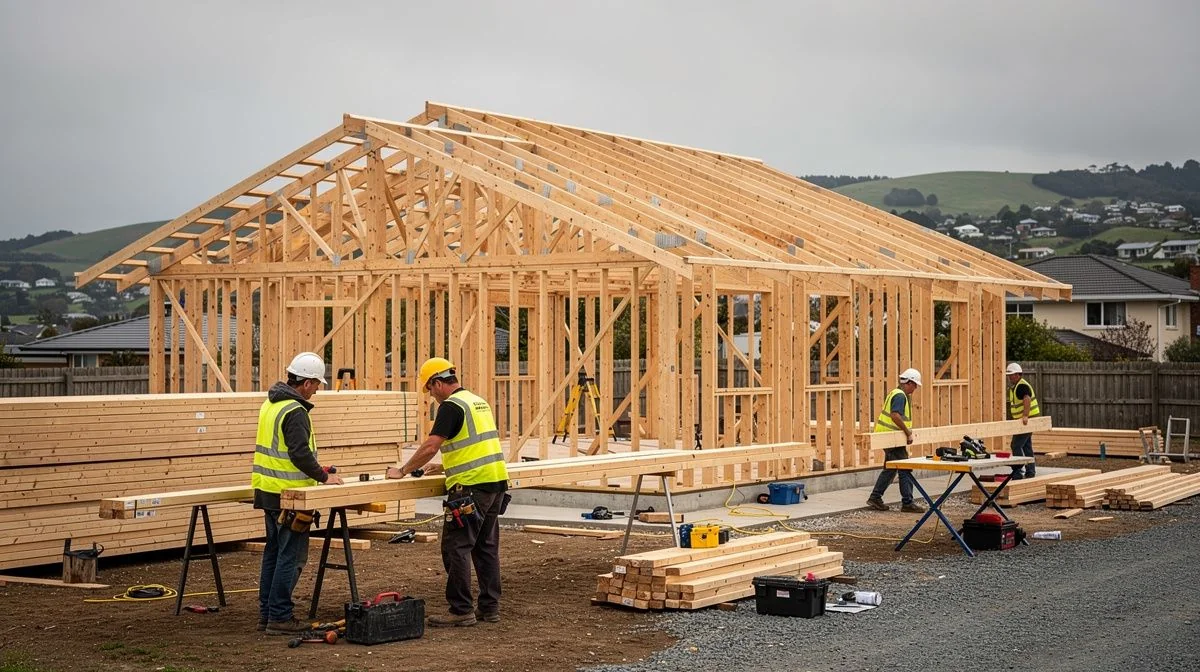
Everyone wants to know how long their build or renovation is going to take, and the honest answer is that it depends on a whole range of factors. But let's give you some realistic expectations. A simple renovation, like a kitchen or bathroom update, might take anywhere from four to eight weeks, assuming there are no major surprises. A larger renovation that involves structural changes could take three to six months. A new build, from breaking ground to moving in, is typically going to take at least six to nine months, and often longer. These are rough figures, but they give you an idea of what to expect.
The weather is a major factor in Dunedin. We get a lot of rain, and rain stops work. You can't pour concrete in the rain, you can't frame in a gale, and you can't lay roofing iron on a wet surface. A good builder will plan around the weather as much as possible, but there will be days when work simply has to stop. This is particularly true in the winter months, when Dunedin can be cold, wet, and windy for weeks on end. If you're planning a build, be realistic about the weather impact on your timeline.
Council processing times are another factor that can affect your timeline. The Dunedin City Council has been working through a backlog of building consents, and while things have improved, it's still not a fast process. You should expect to wait at least a few weeks for a straightforward consent, and longer for more complex projects. This is time that needs to be factored into your overall timeline. It's not unusual for the consent process to take longer than the actual build itself, so don't underestimate it.
Materials delays are a growing problem in New Zealand. Supply chain issues have been affecting the building industry for years now, and they show no signs of going away. Certain materials, like timber and steel, can have long lead times. Specialist items, like custom joinery or imported fixtures, can take even longer. A good builder will order materials well in advance and will have contingency plans for delays, but you should still be prepared for the possibility that your project could be held up by a materials shortage.
Variations are another common cause of delays. Every time you change something, whether it's a different tile or a different layout, it has an impact on the timeline. The builder has to stop what they're doing, source new materials, and adjust their plans. That takes time. If you make a lot of variations, your project is going to take longer. The best way to avoid this is to make all your decisions before the build starts, and to stick to them. If you do need to make a change, be prepared for the delay.
Finally, there's the simple fact that building takes time. There's a lot of work involved, and it can't be rushed without compromising on quality. A good builder will take the time to do things properly, even if it means the project takes a little longer. You should be wary of a builder who promises an unrealistically fast timeline, as this is often a sign that they're planning to cut corners. Be realistic about your timeline, and be prepared to be patient. The end result will be worth it.
Communication and Project Management: The Glue That Holds It Together
Building a home or undertaking a major renovation is a stressful experience, and good communication is what keeps it from becoming a nightmare. A builder who communicates well is worth their weight in gold. They'll keep you informed about progress, flag any issues early, and make sure you know what's happening and when. They'll also listen to your concerns and take them seriously. Communication is a two-way street, and both you and your builder need to be committed to it.
Weekly updates are a common practice among good builders. This might be a phone call, an email, or a face-to-face meeting on site. The idea is to keep you informed about what's been done, what's happening next, and any issues that have arisen. It's also an opportunity for you to ask questions and raise any concerns you have. Weekly updates might seem like a lot, but they're a small price to pay for peace of mind. If your builder isn't providing updates, ask for them. You have a right to know what's happening with your project.
Managing expectations is a key part of communication. A good builder will be upfront about what's realistic and what's not. If your timeline is too tight, they'll tell you. If your budget is unrealistic, they'll tell you. If a material you've chosen is going to cause problems, they'll tell you. This might not be what you want to hear, but it's better than discovering the problem later. A builder who tells you what you want to hear, rather than what you need to hear, is not doing you any favours.
Avoiding disputes is all about communication. Most disputes arise from misunderstandings, and most misunderstandings can be avoided with clear communication. If there's an issue, talk about it. Don't let it fester. A good builder will be open to discussing problems and finding solutions. They won't get defensive or dismissive. If you feel like your concerns aren't being taken seriously, that's a red flag. You need to be able to trust that your builder is on your side.
Here's a real example. A friend of mine was having their kitchen renovated in Dunedin. The builder found that the floor was rotten and needed to be replaced, which was going to add significant time and cost to the project. Instead of just going ahead and doing the work, the builder stopped, explained the situation, and gave my friend options. They could replace the floor properly, which would cost more and take longer, or they could patch it up, which would be cheaper but wouldn't be a permanent fix. My friend chose the proper fix, and because the builder had communicated clearly, there was no dispute. The project took longer than expected, but my friend knew why, and they were happy with the result.
Good communication also involves being responsive. If you email or call your builder, they should get back to you in a reasonable timeframe. They should be available to answer questions and address concerns. If your builder is consistently hard to reach, that's a problem. It shows a lack of respect for you and your project. You're paying them a lot of money, and you deserve to be kept in the loop.
Finally, remember that communication is a two-way street. You need to be clear about your expectations, and you need to be responsive when the builder asks for decisions or input. If you take weeks to choose a tile, that's going to delay the project. If you're not available to answer questions, that's going to cause problems. Be an active participant in the communication process, and you'll get much better results.
The Consent Pathway: A Simple Overview
Let's demystify the building consent process, because it's something that confuses a lot of people. In New Zealand, most building work requires a building consent from your local council. This is a legal requirement, and it's there to protect you and future owners of your home. The consent process ensures that building work meets the minimum standards set out in the Building Code, which covers things like structural stability, fire safety, weathertightness, and accessibility. It's not designed to make your life difficult; it's designed to keep you safe.
So, what needs a consent and what doesn't? The Building Act 2004 sets out what's considered "building work" and what's exempt. In recent years, the government has introduced a range of exemptions for minor work, such as small sheds, single-storey garages under a certain size, and some internal alterations. But the exemptions are limited, and a lot of work still requires a consent. If you're in doubt, check with the Dunedin City Council. It's better to ask than to assume, because building without a consent can result in fines and serious problems when you try to sell your home.
The consent process starts with you, or your builder or designer, submitting an application to the council. This application includes detailed plans and specifications for the proposed work. The council will review the application to make sure it complies with the Building Code and any relevant planning rules. This review can take anywhere from a few weeks to a few months, depending on the complexity of the project and the council's workload. In Dunedin, you should expect to wait at least a few weeks for a straightforward application, and longer for more complex ones.
Resource consent is a separate process that applies to projects that don't comply with the district plan. This could be anything from building too close to a boundary to exceeding height limits. Not all projects need a resource consent, but if yours does, it adds another layer of time and cost to the process. Your builder or designer should be able to advise you on whether you need a resource consent, and they should be able to help you navigate the application process.
Engineering reports are often required as part of the consent process. A geotechnical report might be needed to assess soil conditions on a sloping site. A structural engineering report might be needed for complex designs or for work on existing buildings. These reports add to the cost and time of the consent process, but they're essential. They ensure that the building is safe and stable, and they give the council confidence that the proposed work meets the Building Code.
Once your consent is approved, the work can begin. But that's not the end of the council's involvement. The council will carry out inspections at key stages of the build, such as when the foundations are poured, when the framing is up, and when the building is weathertight. These inspections ensure that the work is being done in accordance with the approved plans and the Building Code. Your builder is responsible for booking these inspections, and you should be notified when they're happening.
Finally, when the work is complete, the council will do a final inspection and, if everything is in order, issue a Code Compliance Certificate (CCC). This is the document that confirms your building work has been completed in accordance with the building consent. It's a crucial document, and you should not make your final payment to your builder until you have it in hand. Without a CCC, you could have trouble selling your home or getting insurance. It's the final piece of the puzzle, and it's worth waiting for.
Dunedin-Specific Building Challenges
Dunedin is a beautiful city, but it presents some unique challenges when it comes to building and renovating. Understanding these challenges is essential if you're planning a project here. Let's start with the weather. Dunedin is one of the windiest cities in New Zealand, and it gets a lot of rain. This combination can be brutal for building projects. High winds can damage materials, delay work, and create safety hazards. Heavy rain can turn a building site into a mud pit and halt work for days. Builders who work in Dunedin know how to plan around the weather, but it's still a major factor that can affect your timeline and your budget.
Soil conditions are another big challenge. Dunedin has a wide variety of soil types, from the volcanic soils of the Peninsula to the alluvial soils of the Taieri Plain. Some areas have expansive clays that swell and shrink with moisture, which can cause foundation movement. Others have soft, compressible soils that require deep piles to reach stable ground. A geotechnical report is often essential, particularly for new builds or major renovations. It will tell you what kind of foundation is needed, and it can save you from costly problems down the track.
Sloping sites are a defining feature of Dunedin. Many of the city's suburbs, like Roslyn, Mornington, and Pine Hill, are built on steep hillsides. Building on a slope is significantly more complex and expensive than building on a flat site. You're looking at retaining walls, stepped foundations, and complex access for materials and machinery. It can add tens of thousands of dollars to the cost of a build. But it also offers stunning views, which is why so many people are willing to take on the challenge. If you're building on a slope, make sure you hire a builder who has experience with this type of work.
Coastal exposure is a concern for properties in areas like St Clair, St Kilda, and the Otago Peninsula. Salt-laden air can be corrosive to building materials, particularly steel and untreated timber. Windows and doors need to be rated for coastal environments, and exterior cladding needs to be able to withstand the harsh conditions. A builder who's familiar with coastal building will know what materials to use and how to protect the structure from corrosion. It's a specialised skill, and it's worth paying for.
Heritage overlays are a unique challenge in Dunedin. The city is famous for its Victorian and Edwardian architecture, and many of the central suburbs have heritage protections in place. This means that any changes to the exterior of a heritage-listed building need to be approved by the council, and there are strict rules about what materials and styles can be used. Renovating a heritage villa is a specialised skill. You need a builder who understands the character of these homes and knows how to work with traditional materials and techniques. It's not something you want to leave to a builder who's only ever worked on modern builds.
Council processing times in Dunedin have been a source of frustration for many homeowners. The Dunedin City Council has had a backlog of building consent applications, and it's not uncommon for applications to take longer than the statutory timeframe. The council has been working to improve this, but it's still a factor to be aware of. If you're planning a build or renovation, factor in a longer wait for your consent. The best way to avoid delays is to make sure your application is complete and accurate before you submit it. A good builder or designer will know what the council is looking for and can help you get it right the first time.
Local building styles are another consideration. Dunedin has a distinct architectural character, from the grand Victorian villas of the inner suburbs to the mid-century modern homes of the post-war era. If you're renovating or building in Dunedin, it's worth thinking about how your project fits into the local context. A good builder will have a feel for the local style and will be able to advise you on what works and what doesn't. They'll also know which materials and techniques are best suited to the local climate and conditions.
Builder Types and Which One You Need
Not all builders are the same, and choosing the right type of builder for your project is important. Let's break down the different types you'll come across in Dunedin. First, there are renovation specialists. These are builders who focus specifically on renovations and alterations. They're experts at working with existing structures, dealing with the surprises that come with older homes, and managing the disruption of living in a house while it's being worked on. If you're renovating a villa or updating a tired 1970s home, a renovation specialist is often the best choice.
Then there are new-build companies. These are builders who focus on building new homes from scratch. They're experts at managing the entire process, from site preparation to final handover. They often have established relationships with architects, engineers, and subcontractors, and they know how to coordinate all the different trades involved in a new build. If you're building a new home, a new-build company is a good choice, particularly if they have experience with the type of home you want to build.
Recladding specialists are a specific type of builder who focus on exterior cladding replacement. This is a growing field in New Zealand, particularly in Dunedin, where many homes from the 1990s and 2000s have monolithic cladding that's reaching the end of its life. Recladding is a complex process that involves stripping the old cladding, assessing the underlying structure for damage, and installing new cladding. It requires specialised knowledge, and it's not something you want to leave to a general builder. A recladding specialist will know the common issues to look for and the best materials to use.
Design-and-build firms are an increasingly popular option. These are companies that offer both design and construction services under one roof. You work with their in-house designer to create your plans, and then their construction team builds it. The advantage is that there's a single point of contact, and the design and construction teams work closely together. This can streamline the process and reduce the risk of miscommunication. The disadvantage is that you're limited to the designers and builders that the firm employs, so you might not get the same level of choice as you would with a separate architect and builder.
Small independents are the backbone of the building industry in Dunedin. These are often sole traders or small teams of two or three people. They tend to be more flexible and personal than larger companies. You'll often deal directly with the builder themselves, rather than a project manager. They can be a great choice for smaller projects, like a bathroom renovation or a deck. The downside is that they might not have the capacity to take on large projects, and they might not have the same level of administrative support as a larger company.
Large companies are less common in Dunedin than in bigger cities, but they do exist. They tend to focus on larger projects, like multi-unit developments or high-end custom homes. They have more resources, including project managers, admin staff, and a larger pool of subcontractors. The advantage is that they can handle complex projects and are less likely to be affected by the illness or unavailability of a single tradesperson. The downside is that they can be less personal, and you might feel like you're dealing with a faceless corporation rather than a local builder.
Finally, there are project-management-led firms. These are companies that manage the entire project, from design through to completion, but subcontract the actual building work to other trades. They act as the client's representative, coordinating all the different contractors and ensuring the project stays on track. This can be a good option if you want a hands-off experience, but it's also the most expensive option, as you're paying for the project manager's expertise on top of the actual building costs.
How to Prepare for Your First Meeting With a Builder
First impressions matter, and that applies to your first meeting with a builder as much as it does to a job interview. You want to come across as organised, informed, and serious about your project. The more prepared you are, the more likely the builder is to take you seriously and give you an accurate quote. Here's how to get ready for that first meeting.
Bring your documents. This includes any plans, sketches, or drawings you have, even if they're rough. It also includes any reports you've had done, like a geotechnical report or a building inspection report. If you have photos of the existing space, bring those too. The more information you can give the builder, the better they'll be able to understand your project and give you a realistic quote. If you don't have a lot of documentation, that's okay, but be prepared to describe your project in as much detail as possible.
Have a list of questions ready. You want to ask about their experience, their availability, their process, and their pricing. Ask to see examples of their past work, and ask for references. Ask about their payment schedule and their policy on variations. Ask about how they handle communication and how often you can expect updates. Don't be afraid to ask tough questions. A good builder will welcome them. A builder who's evasive or defensive is a red flag.
Be clear about your vision. Describe what you want to achieve, not just the technical details. If you're renovating your kitchen, talk about how you want the space to feel and how you use it. If you're building a new home, talk about your lifestyle and what's important to you. The more the builder understands about your vision, the better they'll be able to advise you and deliver what you want. Don't just talk about the "what"; talk about the "why".
Have an honest conversation about budget. You don't need to tell the builder exactly how much you have to spend, but you should give them a realistic range. This helps them tailor their quote to your budget. If your budget is unrealistic for what you want, they can tell you upfront, rather than you discovering it later when the quotes come in. It's better to have the budget conversation early, even if it's uncomfortable. A good builder will respect your honesty and work with you to find a solution.
Pay attention to red flags. If the builder is dismissive of your ideas, that's a problem. If they're vague about their pricing or their timeline, that's a problem. If they're not interested in your project, that's a problem. You want a builder who's enthusiastic about your project and who takes your concerns seriously. If you get a bad feeling from the meeting, trust it. There are plenty of other builders out there, and you want to find the right one for you.
Finally, take notes. After the meeting, you're going to want to compare builders, and you won't remember everything that was said. Write down your impressions, the key points that were discussed, and any questions that came up. This will help you make an informed decision later. It also shows the builder that you're serious and organised, which can only help your case.

Best Builders for Different Project Types in Dunedin
Different projects require different skills, and finding a builder who's the right fit for your specific project is key to a successful outcome. Let's break down which types of builders are best suited to different project types in Dunedin. For villa renovations, you want a builder who has experience with heritage homes. They need to understand the character of these buildings, know how to work with traditional materials, and be comfortable navigating heritage consent requirements. A renovation specialist with a portfolio of villa projects is ideal. They'll know the common issues with these homes, like dampness, poor insulation, and old wiring, and they'll know how to address them while preserving the character of the home.
Extensions are a different beast. You're adding new space to an existing home, which requires careful planning to ensure the new work integrates seamlessly with the old. You want a builder who has experience with extensions, not just new builds. They'll understand the challenges of connecting new foundations to old ones, matching rooflines, and blending different materials. A design-and-build firm can be a good option for extensions, as they can handle both the design and the construction, ensuring a cohesive result.
Recladding is a specialised field, and you want a builder who has done it before. This is not the time to hire a general builder who's never tackled a reclad. You want someone who knows the common issues with different cladding systems, who can assess the underlying structure for damage, and who knows the best materials to use in Dunedin's climate. A recladding specialist is ideal, but a general builder with significant recladding experience can also work. Ask to see examples of their recladding work and speak to past clients.
New builds require a builder who can manage the entire process, from site preparation to final handover. A new-build company is often the best choice, as they have the resources and experience to handle the complexity of a new build. They'll have established relationships with architects, engineers, and subcontractors, and they'll know how to coordinate all the different trades. If you're building a custom home, you might want a design-and-build firm, as they can ensure the design is buildable and the construction is efficient.
Architectural projects are a special case. These are homes designed by architects, often with unique or complex features. You need a builder who's comfortable working with architectural plans and who has experience with high-end, custom builds. Not all builders are comfortable with this type of work. It requires a high level of skill and attention to detail. Look for a builder who has a portfolio of architectural projects and who has a good relationship with local architects. They'll be able to bring the architect's vision to life.
Small jobs, like a deck, a fence, or a bathroom renovation, can be handled by a small independent builder. These projects don't require the resources of a large company, and a small builder can often offer a more personal service. They're also often more flexible and can fit small jobs into their schedule more easily. Just make sure they have the appropriate skills and insurance for the work you're having done. Small jobs can still go wrong, so don't skimp on due diligence.
Coastal builds in areas like St Clair or the Peninsula require a builder who understands the challenges of building in a salt-laden environment. They'll know what materials to use, how to protect the structure from corrosion, and how to design for the wind. A builder with experience in coastal construction is essential. Ask about their experience with coastal builds and what materials they recommend. Rural builds, on the other hand, require a builder who's comfortable working in a more isolated environment. They'll need to be self-sufficient and able to manage logistics like delivering materials to a remote site. A builder with rural experience is ideal.
What Builders Wish Their Clients Knew
There's a lot that homeowners don't understand about the building process, and builders often wish they could share some of their frustrations without sounding like they're complaining. So, here's a bit of a reality check from the builder's perspective. First, good work costs money. It's that simple. A builder who does quality work, uses quality materials, and stands behind their work is going to charge more than someone who cuts corners. But you get what you pay for. The extra money you spend upfront is an investment in the longevity and safety of your home. It's not just about the cost; it's about the value.
Timelines slip, and it's not always the builder's fault. There are so many factors that can delay a project, from weather to materials shortages to subcontractor availability. The builder might have every intention of finishing on time, but things happen. Builders wish their clients understood that they're not being deliberately slow; they're dealing with realities on the ground. Patience and understanding go a long way. A builder who feels supported and respected is more likely to go the extra mile for you.
Indecision is costly. Every time you can't make a decision, it delays the project and costs money. The builder has to stop what they're doing, wait for you to make up your mind, and then adjust their plans. This is frustrating for everyone. Builders wish their clients would make all their decisions before the build starts and stick to them. If you're struggling to decide on something, make a call, even if it's not perfect. You can always change it later, but it will cost you.
Paying on time matters. Builders have bills to pay too, and they rely on progress payments to keep their businesses running. When clients pay late, it puts pressure on the builder's cash flow and can cause problems with subcontractors and suppliers. Builders wish their clients understood that the payment schedule is there for a reason, and that paying on time is part of the deal. If you have concerns about a payment, discuss them with the builder, but don't just withhold payment without communication.
Fixed price needs full design. If you want a fixed-price quote, you need to have a complete, detailed design before the builder can give you one. If you're still making decisions about layout, materials, and finishes, the builder can't provide an accurate fixed price. They'll have to build in a buffer to cover the unknowns, which means you'll pay more. Builders wish their clients would finalise their design before asking for a fixed price. It's not just about getting a lower price; it's about getting an accurate one.
Builders also wish their clients knew that they're not trying to rip them off. The building industry has a reputation for being full of cowboys, and while there are some bad apples, the vast majority of builders are honest, hardworking people who take pride in their work. They want to do a good job, and they want their clients to be happy. Treating your builder with respect and trust will get you much better results than treating them with suspicion and hostility. Building a good relationship with your builder is one of the best things you can do for your project.
How to Get the Best Results from Your Build
Getting the best results from your build isn't just about hiring the right builder; it's also about how you manage the process. There are several things you can do to ensure your project runs smoothly and you end up with a result you're happy with. First, prepare your brief. This is the document that describes what you want to achieve, your budget, and your timeline. The more detailed and clear your brief is, the better your builder will be able to deliver what you want. Don't just say "I want a new kitchen"; describe the layout, the materials, the appliances, and the style. The more specific you are, the better.
Choose materials early. This is one of the most common causes of delays and budget blowouts. If you haven't chosen your tiles, your benchtop, your fixtures, and your paint colours before the build starts, you're setting yourself up for problems. The builder needs to know what materials they're working with to give you an accurate quote and a realistic timeline. Take the time to choose your materials early, and stick to your choices. If you change your mind, you'll face delays and additional costs.
Avoid indecision. This is related to choosing materials early, but it's broader than that. Indecision can affect every aspect of your build, from the design to the finishes. Every time you're unsure about something, it delays the project and costs money. The best way to avoid indecision is to make decisions before the build starts and stick to them. If you're struggling to decide, get advice from your builder or designer. They've seen it all before and can help you make informed choices.
Manage variations carefully. Variations are changes to the scope of work, and they're a normal part of most builds. But they can also be a source of conflict and cost overruns. The key is to manage variations properly. Make sure every variation is documented in writing, with a clear description of the change, the cost, and the impact on the timeline. Both you and the builder should sign off on the variation before the work is done. This protects everyone and prevents misunderstandings.
Keep the project moving. This means being available to make decisions, answering questions promptly, and not holding up the work. If the builder needs to ask you something, respond quickly. If you need to choose a material, do it as soon as possible. The faster you make decisions, the faster the project will progress. A project that's held up by the homeowner is just as frustrating as one that's held up by the builder.
Avoid disputes. Disputes are stressful, time-consuming, and costly for everyone involved. The best way to avoid them is to communicate clearly and address issues as they arise. If you have a concern, raise it with your builder early, before it becomes a major problem. If you're unhappy with something, say so. Don't let resentment build. A good builder will be open to feedback and will work with you to resolve any issues. The goal is to get to the end of the project with a result you're happy with and a relationship that's still intact.
Finally, be realistic. Building takes time, it costs money, and it rarely goes exactly to plan. If you go into the process with realistic expectations, you'll be better equipped to handle the inevitable hiccups along the way. Celebrate the wins, don't stress about the small stuff, and keep your eye on the end goal: a beautiful, functional space that you'll enjoy for years to come.
Frequently Asked Questions
How much does a renovation cost in Dunedin?
Renovation costs in Dunedin can vary widely depending on the scope of work, the size of the space, and the quality of materials you choose. As a rough guide, you might expect to pay anywhere from $1,500 to $3,500 per square metre for a renovation. A simple kitchen or bathroom update might come in at the lower end of that range, while a full renovation with structural work and premium finishes sits toward the top. Ask two or three local builders to quote from the same plans for your own figure.

The ValueHub Team built this site because finding clear, unbiased financial information in New Zealand was harder than it should be. Every guide is based on real research — we compare the actual fees, terms, and fine print so you don't have to. Our tip: shop around every year, read the policy docs, and never assume loyalty gets you the best deal.— The ValueHub Team
More Builders in Dunedin
These businesses also operate in this area.
Quotes from RenoMasters, your local Dunedin Registered Master Builders. We specialise in home renovations, extensions, and new builds — managing every trade for you from start to finish. Expect quality craftsmanship, sharp communication, and results delivered on time and on budget. Need a hand with your next project? Get in touch for a free quote! 03 456 3280.
Our team at BuildSmart is professional and dedicated to materialising your vision for your next big building project. Whether it's your home or investment project BuildSmart is your Dunedin team. BuildSmart offer a friendly, honest approach and commitment to quality. BuildSmart is an established building company in Dunedin that offer services in renovations, new builds, and painting.
Try our Calculators
Use these free tools to crunch the numbers:
KiwiSaver Fund Comparison
Compare fees, returns, and risk levels across every KiwiSaver fund — the most up to date data in New Zealand.
Currency Converter — USD to NZD
Convert US Dollars to New Zealand Dollars instantly. See the latest exchange rate and 30-day trend.
Mortgage Repayment Calculator
Calculate your weekly, fortnightly, or monthly mortgage repayments. Free NZ mortgage calculator — try different rates, terms, and repayment frequencies.
Compound Interest Calculator
See how your savings grow with compound interest over time. Free NZ compound interest calculator with yearly, monthly, and weekly compounding options.
Term Deposit Calculator
Calculate your term deposit returns before you lock in. Compare interest earned across different terms and rates with ValueHub's free calculator.
Savings Goal Calculator
Calculate how long it will take to reach your savings goal — and what monthly deposit you need to get there. Free NZ savings planner.
Builders in Other Cities
Latest Guides & Reviews
Kōura KiwiSaver Scheme Review
Kōura KiwiSaver review: 13 open funds, fund charges from 0.63 to 1.10 per cent, and net returns to 30 June 2026.
reviewMaritime KiwiSaver Scheme Review
Maritime KiwiSaver review: 3 open funds, fund charges from 0.61 to 0.76 per cent, and net returns to 31 March 2026.
reviewMAS KiwiSaver Scheme Review
MAS KiwiSaver review: 7 open funds, fund charges from 0.25 to 0.98 per cent, and net returns to 30 June 2026.
reviewArotahi KiwiSaver Scheme Review
Arotahi KiwiSaver review: 1 open fund, a 0.77 per cent fund charge, and net returns to 31 March 2026. What the Government register shows you pay and get back.