Best Builders in Gisborne
Published 10 January 2025 · Updated 30 June 2026
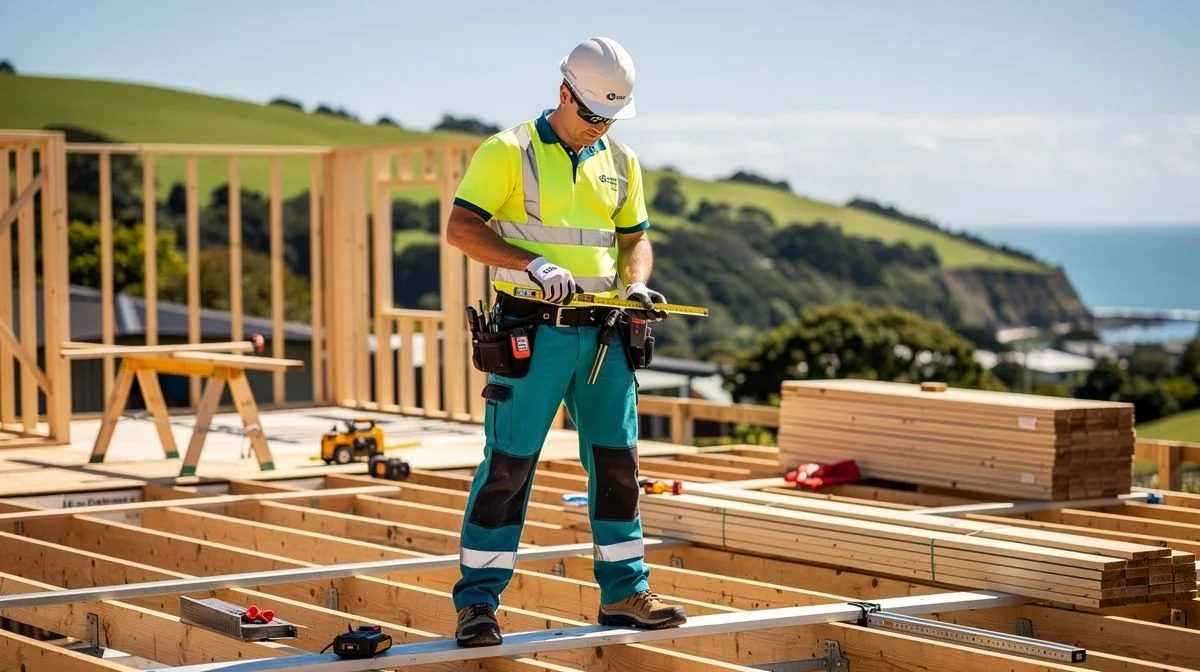
Finding the Right Builder in Gisborne
If you're planning a build or renovation in Gisborne, you’ll want a builder who knows the local conditions. The region’s climate – think warm summers, plenty of sun, and the occasional heavy rain – means materials and methods need to be chosen with care. Whether it's a new home, an extension, or a deck, finding someone reliable can save you stress and money.
Gisborne has a mix of experienced builders and newer tradespeople. The trick is sorting through your options to find a good fit for your project. This guide will help you know what to look for, what to ask, and how to get the best outcome.
What to Look for When Hiring a Builder in Gisborne
Local Experience Matters
A builder who has worked in Gisborne will understand local building consent requirements, soil conditions, and council rules. They’ll also know which suppliers and subcontractors are reliable in the area. Ask how long they’ve been operating locally – not just in the industry, but specifically in the Gisborne region.
Licensing and Qualifications
In New Zealand, builders who carry out residential building work valued over $30,000 must be licensed under the Licensed Building Practitioner (LBP) scheme. For smaller jobs, it’s still wise to hire someone with a trade qualification or an LBP licence. You can check a builder’s licence status on the LBP register online. Don’t be shy about asking for proof – a reputable builder will be happy to show it.
Insurance and Guarantees
Make sure the builder has current public liability insurance and, if required, workers’ compensation cover. For larger projects, ask about a guarantee or warranty on their work. The New Zealand Standard (NZS 3902) covers good practice for home building, and some builders offer a Master Build Guarantee or similar. Get the details in writing.
Portfolio and References
Ask to see examples of recent work, especially projects similar to yours. A good builder will have photos or even a show home you can visit. Speaking to past clients is key – ask for at least three references and actually call them. Questions to ask include: Was the builder easy to communicate with? Was the job finished on time? Were there any surprise costs?
Communication Style
You’ll be working closely with your builder for weeks or months, so a good rapport is important. Do they return calls promptly? Do they explain things clearly? If you feel rushed or dismissed during the quoting stage, that’s a red flag. Trust your gut.
Key Questions to Ask Before Hiring
Before you sign anything, put these questions to every builder you’re considering. Write down their answers so you can compare.
- Are you a Licensed Building Practitioner? And for which classes – design, site, carpentry?
- How many projects like mine have you completed in Gisborne? Ask for specifics, not just a number.
- Who will be on site day to day? Will it be you or a subcontractor? That makes a difference to consistency and accountability.
- What’s your process for handling variations or changes? Changes mid‑project are common. The builder should have a clear system for quoting and approving extra work before it happens.
- What warranty or guarantee do you provide on your work? Ask about the builder’s own guarantee, plus any product warranties from suppliers.
- Do you have recent references I can contact? And can you share a project that didn’t go perfectly – and how you fixed it? Honest builders will be open about challenges.
- What is your payment schedule? Typical stages might be a deposit, then progress payments after key milestones (foundation, framing, lock‑up, finishing). Never pay the full amount upfront.
Tips for Getting the Best Results
Get a Detailed Written Quote
A vague quote leads to surprises. Ask for a breakdown that includes materials, labour, project management, consent fees, and any subcontractor costs. The more detail, the easier it is to compare quotes and track spending.
Set Clear Expectations Early
Outline your priorities – budget, timeline, or a specific finish? Share your must‑haves and nice‑to‑haves. If you want a particular brand of tapware or a certain type of cladding, say so upfront. That way the quote will be accurate from the start.
Put Everything in Writing
From the quote and contract to variations and sign‑offs – keep a paper trail. The Ministry of Business, Innovation and Employment (MBIE) provides guidance on written contracts for building work. A proper contract should include scope of work, payment terms, start and finish dates, and dispute resolution steps.
Stay Involved, but Trust the Pro
Visit the site regularly, but avoid telling the builder how to do their job unless you’re also a qualified tradesperson. Ask questions if something doesn’t look right – a good builder will explain their methods. If you’re unsure, you can hire an independent project manager or building consultant to inspect key stages.
Plan for Contingencies
Even the best‑planned builds can uncover surprises – damp subfloor, rotten framing, or unexpected site conditions. A typical rule of thumb is to set aside 10–15% of your total budget for unforeseen costs. Your builder should advise you on realistic contingencies for your project.
A Note About Costs and Getting Quotes
Building costs in Gisborne vary widely depending on the project size, materials chosen, and site conditions. A simple deck might cost a few thousand dollars, while a new three‑bedroom home can easily exceed $300,000 – $400,000. Labour rates for a skilled builder in the region typically range from $60 to $90 per hour, but fixed‑price contracts are more common for larger projects.
To get a fair picture, ask for at least three quotes from different builders. Don’t automatically go with the cheapest – a very low quote may mean corners will be cut or the builder hasn’t accounted for everything. The middle quote is often the sweet spot, but check what’s included and what’s excluded.
Be wary of deposits that are more than 10% of the total project cost. In New Zealand, it’s standard to pay a small deposit to secure the builder’s time, then progress payments as work is completed. The New Zealand Building Code sets minimum standards, but your builder should also give you a clear timeline of when payments are due and what triggers each stage.
Finally, remember that a good builder is worth paying for. Quality workmanship, clear communication, and a solid guarantee can save you far more in the long run than any bargain price. Take your time, do your research, and choose someone who feels right for your project and your budget.

The ValueHub Team built this site because finding clear, unbiased financial information in New Zealand was harder than it should be. Every guide is based on real research — we compare the actual fees, terms, and fine print so you don't have to. Our tip: shop around every year, read the policy docs, and never assume loyalty gets you the best deal.— The ValueHub Team
Try our Calculators
Use these free tools to crunch the numbers:
PAYE Calculator
Calculate your take-home pay after PAYE tax, ACC, KiwiSaver, and student loan deductions.
Compound Interest Calculator
See how your savings grow with compound interest over time. Free NZ compound interest calculator with yearly, monthly, and weekly compounding options.
Mortgage Repayment Calculator
Calculate your weekly, fortnightly, or monthly mortgage repayments. Free NZ mortgage calculator — try different rates, terms, and repayment frequencies.
Term Deposit Calculator
Calculate your term deposit returns before you lock in. Compare interest earned across different terms and rates with ValueHub's free calculator.
Savings Goal Calculator
Calculate how long it will take to reach your savings goal — and what monthly deposit you need to get there. Free NZ savings planner.
Credit Card Repayment Calculator
See how long it really takes to pay off your credit card — and how much interest you could save by paying more each month. Free NZ calculator.
Builders in Other Cities
Best Builders in Auckland
Best Builders in Wellington
Best Builders in Christchurch
Best Builders in Hamilton
Best Builders in Tauranga
Best Builders in Dunedin
Latest Guides & Reviews
US Dollar to NZD: A Practical Guide for Kiwis
Compare the true cost of buying USD in NZ. We reveal the fees, margins, and hidden charges banks, Wise, and airport desks add to every US dollar transfer.
reviewUnderstanding NZ Council Rates
Follow a single rates dollar from your bank account to see where it really goes and how councils set your bill.
comparisonBest Gold and Platinum Credit Cards in New Zealand
Best gold and platinum credit cards in NZ compared: when a $150 annual fee pays for itself through travel insurance and perks.
guideBest Investment Managers in New Zealand
Compare Fisher Funds, Milford, and Pie Funds in this practical guide to vetting NZ investment managers before you trust them with your money.