Best Builders in Kapiti
Published 12 August 2026 · Updated 18 August 2026
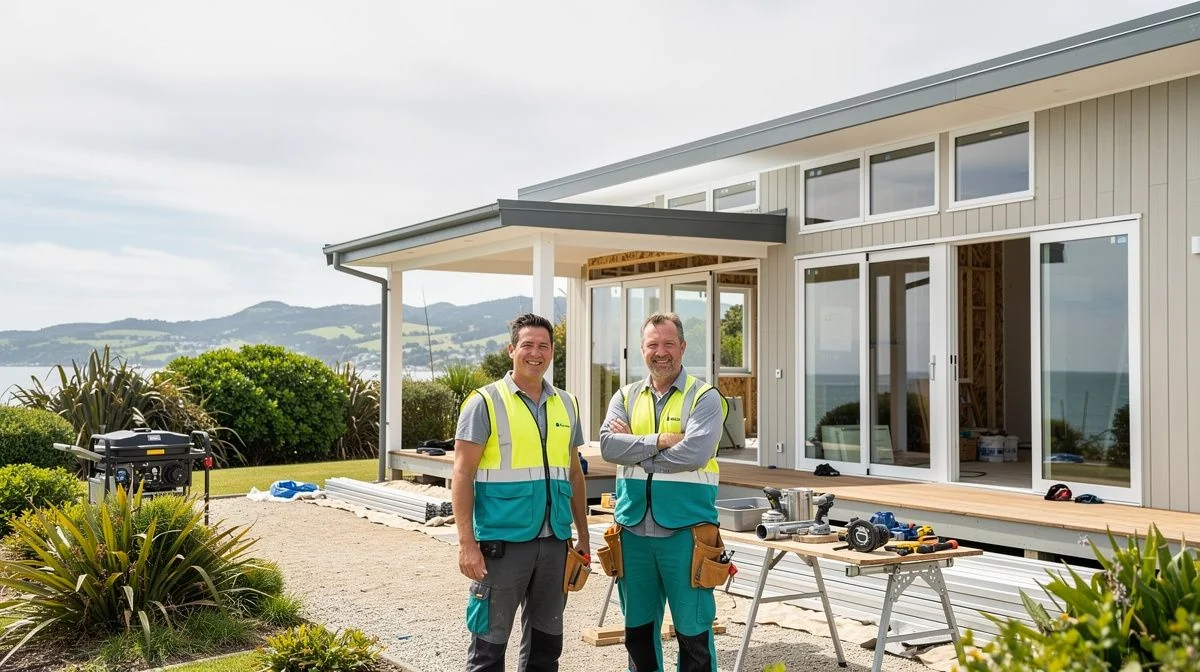
Choosing a Builder in Kapiti: Why It Pays to Do This Properly
Let’s be honest: finding the right builder in Kapiti can feel a bit like dating. You’re looking for someone who’s reliable, communicates well, doesn’t ghost you, and turns up when they say they will. But the stakes here are much higher than a few awkward dinners. You’re talking about your home, your savings, and your sanity over the next six to eighteen months.
Kapiti is a unique place to build. We’ve got the Kāpiti Coast District Council processing consents with their own particular timelines, which have been known to stretch out longer than anyone would like. We’ve got coastal weather that can shut down a site for days at a time. We’ve got soil conditions that range from sandy coastal dunes to heavy, reactive clay further inland, and plenty of sloping sections that need careful engineering. A builder who’s only ever worked on flat, stable sites in the Hutt might not know how to handle what your section throws at them.
The local building styles are another thing altogether. Kapiti has a real mix of classic weatherboard villas in places like Paraparaumu Beach, mid-century brick homes in Raumati, and modern plaster-over-timber builds popping up all over Waikanae. Renovating one of these older places is a completely different beast to building new from scratch. You need someone who understands the quirks of a 1920s villa that’s been added onto four different times, with dodgy wiring and no insulation to speak of.
Then there’s the labour shortage. It’s real and it’s biting hard across the whole region. Good subcontractors are booked out weeks or months in advance. If your builder doesn’t have strong relationships with local electricians, plumbers, and roofers, you’ll be waiting around with a half-finished shell while they try to squeeze you into someone’s schedule. That’s time and money down the drain.
Renovation quirks in Kapiti are also worth thinking about. Many of the older homes here have been modified over the decades, sometimes with questionable workmanship. You might think you’re getting a simple bathroom reno and then discover the wall is load-bearing, the pipes are asbestos, and the framing is rotten. A good local builder has seen it all before and knows how to plan for the unexpected. A builder from outside the area might panic and start throwing variations at you left, right, and centre.
So why does choosing carefully matter so much? Because once you sign that contract, you’re in a relationship. You’ll be dealing with this person for months. You’ll be making joint decisions about things you never thought you’d care about, like the exact shade of grout or the height of a window sill. If you don’t trust them, every conversation becomes a battle and every invoice feels like a personal attack.
Getting it right means you can actually enjoy the process. You can watch your home take shape and feel excited about the result. Getting it wrong can mean legal disputes, unfinished work, and a house that doesn’t meet the building code. We’ve all heard the horror stories, and they’re not rare. The Consumer Protection website has plenty of examples, and the weathertight homes disaster of the early 2000s is still fresh in everyone’s memory.
Doing this properly starts with research. It means taking the time to understand how builders in Kapiti work, what they charge, and what you can reasonably expect. It means asking hard questions and not settling for vague answers. It means checking credentials, visiting sites, and talking to past clients. It’s a bit of effort upfront, but it’s nothing compared to the stress of a botched build.
In this guide, we’re going to walk you through everything you need to know about hiring a builder in Kapiti. We’ll cover pricing, contracts, timelines, consent pathways, and all the local quirks that make building here different from anywhere else in New Zealand. By the end, you’ll be armed with the knowledge to make a confident choice and get the home you actually want.
How Builder Pricing Actually Works in Kapiti
Let’s get straight into the numbers, because that’s what everyone really wants to know. How much is this going to cost? The honest answer is that it depends on a whole range of factors, but we can give you some realistic ballparks based on what’s happening in Kapiti right now.
For new builds, you’re generally looking at somewhere between $2,500 and $4,000 per square metre for a standard spec home. That’s excluding the cost of the land, by the way. If you want higher-end finishes, think architecturally designed, with premium materials and smart home tech, you can easily push that up to $5,000 or even $6,000 per square metre. Kapiti prices have crept up over the last few years, partly due to demand and partly due to the cost of materials and labour.
Renovations are a bit trickier to price because there are so many variables. A simple bathroom renovation might cost you anywhere from $25,000 to $45,000. A kitchen could be $30,000 to $60,000. A full house renovation, ripping everything back to the framing and starting again, could easily set you back $200,000 or more, depending on the size and condition of the place. Extensions typically come in around the same per-square-metre rate as new builds, but with the added complexity of tying into an existing structure.
Recladding is a big one in Kapiti, especially with all the plaster-over-timber homes that were built in the late 1990s and early 2000s. If you’re replacing monolithic cladding with something like weatherboard or fibre cement, you’re looking at $80,000 to $150,000 for a typical three-bedroom home. It depends on the size, the complexity of the job, and whether you need to fix any underlying weathertightness issues at the same time.
Now, how does the pricing actually break down? Roughly speaking, materials account for about 40 to 50 percent of the total cost. Labour makes up the rest. In Kapiti, labour rates are pretty competitive with the rest of the Wellington region, but you’re paying a premium compared to smaller provincial towns. A good builder will charge somewhere between $70 and $100 per hour, depending on their experience and the complexity of the work.
Local demand plays a huge role in pricing. When the housing market is booming, builders are flat out and can charge more. When things slow down, prices tend to soften a bit. Right now, Kapiti is still pretty busy. There’s a lot of development happening in places like Waikanae and Ōtaki, and good builders are booked out months in advance. That means they can be selective about the jobs they take on, and they’re not going to discount their prices just to win your business.
This is why quotes vary so much. You might get three quotes for the same job and see a difference of $50,000 or more. That doesn’t necessarily mean one builder is ripping you off. It could mean they’re using different materials, or they’ve interpreted your scope of work differently, or they’ve factored in more contingency for unexpected issues. It could also mean one builder is desperate for work and has priced themselves low, which is a red flag in itself.
There are three main pricing models you’ll come across. The first is an estimate, which is just a rough idea of what the job might cost. It’s not binding and it can change. The second is a fixed-price quote, where the builder commits to a set price for a defined scope of work. This gives you certainty, but the builder will usually add a contingency buffer to protect themselves. The third is cost-plus, where you pay for the actual cost of materials and labour plus a percentage markup. This is transparent but open-ended, and it puts all the risk on you.
For most homeowners, a fixed-price quote is the safest option, provided the scope of work is clearly defined. If you change your mind halfway through, or if there are hidden issues that weren’t apparent at the start, the price will go up. But for the original scope, you know exactly what you’re paying. That peace of mind is worth a lot.
One thing to watch out for in Kapiti is the impact of council fees and consent costs. These aren’t usually included in a builder’s quote, so make sure you budget for them separately. Building consent fees can be several thousand dollars, and if you need resource consent or engineering reports, that adds even more. Your builder should be able to give you a rough idea of what these will cost, but they’re not responsible for paying them.
Finally, don’t forget about GST. Most quotes will be GST-exclusive, which means you need to add 15 percent on top. That’s a significant chunk of change, so make sure you’re comparing like with like when you’re looking at different quotes. A $200,000 quote is actually $230,000 once GST is added.
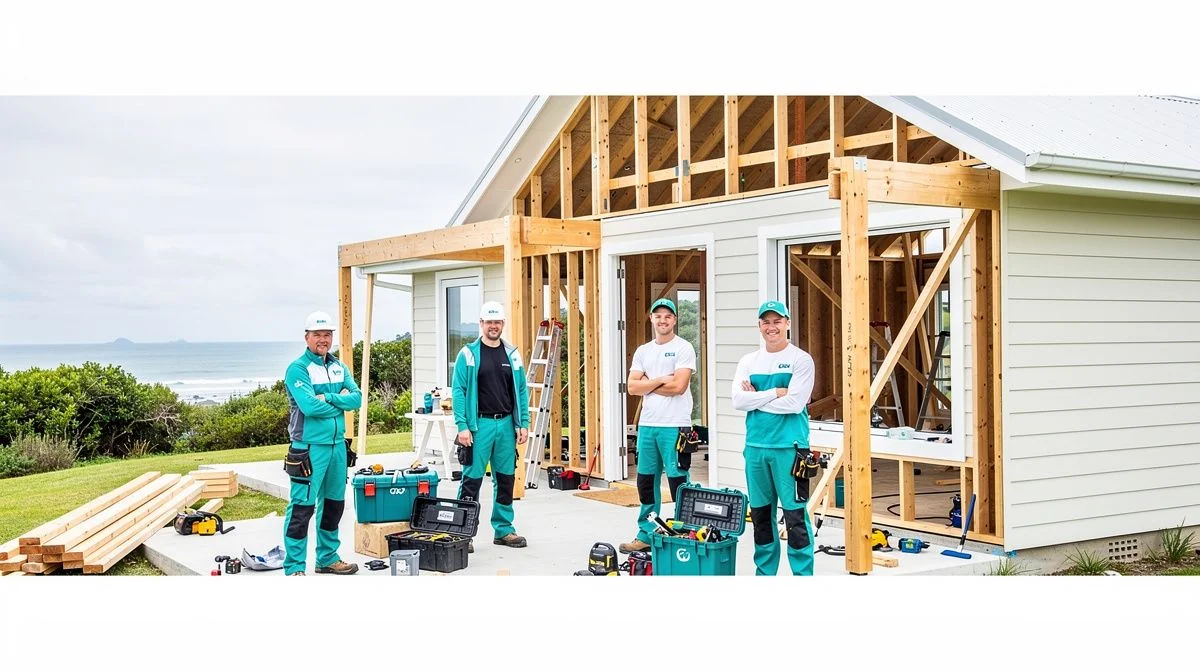
Our Trusted Builders
We feature businesses that demonstrate strong performance, proven experience, and consistently positive customer feedback. Some of the providers listed may have commercial relationships with us, but all are selected based on quality and reliability.
To begin, reach out to them and speak with them directly — this helps you explain your job, ask questions, and confirm whether they're the right fit.
Best of both worlds, at Maple Lane. Maple Lane – beautifully considered and crafted homes, built to respect the environment and enhance the landscape. FIELDWAY The absolute beachfront section with breath taking views of Kapiti was the ideal setting to build this generously proportioned home.
How to Compare Quotes Properly (Without Losing Your Mind)
Comparing quotes is one of those tasks that sounds simple but gets messy fast. You’ve got three or four builders, each with a different format, different line items, and different assumptions. Trying to work out which one is the best value can feel like comparing apples with oranges, except the apples are painted blue and the oranges have been replaced with grapefruit.
The first thing you need to do is prepare a clear scope of work. This is the single most important step, and most people skip it. They invite builders around, show them the house, and say, “We want to renovate the kitchen and add a bathroom.” That’s not a scope of work. That’s a vague idea. The builder has to make assumptions about what you want, and those assumptions will differ from builder to builder.
Write down everything you want done. Be specific. List the exact rooms, the sizes, the finishes, the appliances, the fixtures. Include things like painting, flooring, electrical work, plumbing, and any structural changes. If you can, get plans drawn up by a designer or architect before you start talking to builders. This gives them a precise document to price against, and it makes the quotes much easier to compare.
When you’ve got your quotes, don’t just look at the bottom line. Go through them line by line. Check that each builder has included the same items. One might have scaffolding in their quote while another has left it out. One might include rubbish removal, another might not. These differences add up, and if you’re not careful, you’ll choose the cheaper quote and then get hit with a string of extras later on.
Red flags to watch out for include quotes that are significantly lower than the others. If someone is 30 percent cheaper than everyone else, ask yourself why. Are they using cheaper materials? Are they cutting corners on the work? Are they so desperate for work that they’ve underpriced the job and will either cut corners or hit you with variations later? A low quote is not automatically a good deal.
Another red flag is a quote that’s vague. If a builder just gives you a single figure with no breakdown, that’s a problem. You have no way of knowing what you’re paying for, and no way of comparing it to other quotes. A reputable builder should be able to provide a detailed breakdown of materials, labour, and any other costs.
Watch out for bait-and-upgrade pricing. This is where a builder gives you a low quote to win the job, and then, once you’re committed, starts suggesting “upgrades” that you simply must have. It might be a better quality tap, or double glazing, or a higher-spec insulation. Before you know it, your budget has blown out by 20 percent. The best defence is a detailed scope of work and a contract that specifies exactly what’s included.
To avoid budget blowouts, make sure you have a contingency fund. A good rule of thumb is to set aside 10 to 15 percent of your total budget for unexpected costs. In older homes, you’re almost guaranteed to find something nasty when you open up the walls. It’s not a matter of if, it’s a matter of when. Having a contingency fund means you won’t have to panic or go into debt when that happens.
Negotiating with builders is fine, as long as you do it respectfully. Don’t just ask them to match the lowest quote. Ask them if there are any areas where they could reduce costs without compromising quality. Maybe you could choose a cheaper flooring option, or do some of the painting yourself, or supply some of the materials. Most builders are happy to work with you on these things, as long as you’re reasonable about it.
Finally, remember that the cheapest quote is not always the best value. A slightly more expensive builder might have a better reputation, better communication, and a track record of finishing on time and on budget. That’s worth paying for. The cost of a bad builder goes way beyond the initial quote, so focus on value rather than price.
How to Choose the Right Builder in Kapiti: A Practical Checklist
Use this checklist when you’re meeting with potential builders. Print it out, take it with you, and tick off the items as you go. It’ll help you stay organised and make sure you don’t forget anything important.
Check their LBP status. Every builder doing residential work over a certain value needs to be a Licensed Building Practitioner. You can verify their licence number on the LBP website. This is non-negotiable. If they’re not licensed, walk away.
View their past work. Ask to see examples of similar projects they’ve completed. Ideally, visit a site in person, or at least look at photos and testimonials. If they’re proud of their work, they’ll be happy to show it off. If they’re vague or evasive, that’s a red flag.
Get references. Ask for contact details of past clients and actually call them. Ask about the builder’s communication, their reliability, their adherence to budget and timeline, and whether they would hire them again. This is one of the most valuable things you can do.
Check their insurance. They should have public liability insurance and be able to provide a certificate of currency. If they have employees, they should also have ACC cover. Ask to see the paperwork. A reputable builder will have no problem providing it.
Read the contract carefully. Before you sign anything, make sure you understand every clause. Check the payment schedule, the scope of work, the timeline, the process for variations, and the dispute resolution process. If there’s anything you don’t understand, ask. If they’re unwilling to explain or negotiate, that’s a warning sign.
Trust your gut. After all the checks and references, you still need to feel comfortable with this person. Do they listen to you? Do they take your concerns seriously? Do you feel like they’re being honest with you? If something feels off, it probably is. There are plenty of good builders in Kapiti, so don’t settle for one you don’t feel good about.
Ask about their current workload. If they’re too busy to take on your project, they might rush it or push it out. On the other hand, if they’re completely free, that could also be a red flag. The sweet spot is a builder who’s busy but has room for your project in the next few months.
Check their communication style. How quickly do they respond to your emails or calls? Are they clear and direct in their answers? Do they volunteer information or do you have to drag it out of them? Good communication is essential, and if it’s poor before you’ve even signed a contract, it won’t improve once the work starts.
Make sure they’re local. A builder based in Kapiti will know the local council, the local suppliers, and the local conditions. They’ll have relationships with local subcontractors and will be able to get things done faster. A builder from outside the area might be cheaper, but they’ll be at a disadvantage when it comes to local knowledge.
Finally, ask about their process. How do they handle variations? How do they communicate progress? What happens if there’s a problem? A good builder will have clear answers to all of these questions. If they don’t, that’s a concern.
Builder Availability in Kapiti: The Brutal Truth
Let’s not sugar-coat this: getting a good builder in Kapiti is not easy right now. Demand is high, supply is limited, and if you’re not prepared to wait, you might end up settling for someone who isn’t your first choice. That’s the brutal truth, and it’s better to know it upfront.
Seasonal demand plays a big role. Spring and summer are the busiest times for building, as people want to take advantage of the better weather. If you’re looking for a builder in November, you might be waiting until March or April for them to start. Autumn and winter are quieter, and you might be able to get a builder started sooner, but you’ll also have to deal with more weather delays once the work begins.
The council consent process is another bottleneck. Kāpiti Coast District Council has been working through a backlog of consent applications, and while they’ve improved over the last few years, it can still take several weeks or even months to get a consent approved. This affects builder availability because they can’t start work until the consent is in place. If you haven’t even applied for consent yet, you can add that time to your overall timeline.
Subcontractor shortages make everything worse. Even if you have a builder ready to go, they need electricians, plumbers, roofers, and other trades to do their part. These subcontractors are often booked out weeks or months in advance, especially the good ones. Your builder might have to wait three weeks for an electrician to be available, which pushes everything else back.
So what can you do about it? The most important thing is to start early. As soon as you think you might be doing a build or renovation, start talking to builders. Don’t wait until you have final plans and consent. Let them know you’re planning a project and ask about their availability. A good builder will be happy to have a conversation and give you an idea of when they could start.
Be flexible with your timeline. If you have a hard deadline, like a baby on the way or a lease ending, you’re putting yourself in a difficult position. Builders know this, and some will use it to their advantage, charging more or cutting corners. If you can be flexible, you’ll have more options and more negotiating power.
Consider booking a builder before you have full consent. Many builders will secure a place in their schedule based on an expected consent date, and then adjust if the consent takes longer than expected. This isn’t a binding commitment, but it gives you a better chance of getting a start date that works for you.
Another option is to look for a builder who’s slightly less well-known. The big names in Kapiti are booked out months in advance, but there are smaller operators who might have more availability. They might not have the same level of experience or the same reputation, but they could be perfectly good for your project. Just make sure you do the same checks you would for anyone else.
Finally, be prepared to wait. If you want the best builder, you might have to wait four to six months for them to start. That’s not a bad thing. It gives you time to get your plans finalised, your consent approved, and your finances in order. When the builder finally starts, you’ll be ready, and the project will go much more smoothly.
Common Mistakes Homeowners Make When Hiring a Builder
We’ve all heard the horror stories. Someone hires a builder who disappears halfway through the job, or the final bill is double the original quote, or the work is so shoddy it has to be redone. These stories are common, and they’re almost always the result of one of a handful of mistakes.
Choosing the cheapest quote is the biggest one. It’s tempting, especially when you’re on a tight budget. But cheap often means cutting corners. It might mean using lower-quality materials, or skipping important steps, or rushing the work. It might also mean the builder has underpriced the job and will hit you with variations later to make up the difference. The cheapest quote is rarely the best value in the long run.
Not checking references is another common mistake. Builders will happily provide references, but many homeowners never bother to call them. They just assume that if the builder has provided a reference, it must be a good one. But the reference could be a friend or family member, or it could be a client who was paid to give a positive review. Always call the references and ask specific questions about the builder’s performance.
A vague scope of work is a recipe for disaster. If you haven’t clearly defined what you want, the builder has to make assumptions, and those assumptions will be different from what you had in mind. This leads to disagreements, variations, and cost overruns. Take the time to write down exactly what you want, and get the builder to confirm it in writing before you sign anything.
Paying too much upfront is another trap. Some builders ask for a large deposit to secure the job or to buy materials. While it’s normal to pay a deposit, you should never pay more than 10 to 20 percent upfront. If a builder asks for 50 percent or more before any work has started, that’s a huge red flag. They could take your money and disappear, and you’d have no recourse.
Making assumptions is a killer. Homeowners assume the builder will include everything they want, or that the price includes GST, or that the timeline is a guarantee. None of these are safe assumptions. Always get everything in writing, and if you’re not sure about something, ask. It’s better to feel a bit awkward asking a question than to have a nasty surprise later.
Changing your mind mid-project is another mistake. Once the work has started, any changes you make will cost money. It might be a small change, like moving a power point, but it still involves extra labour and materials. If you keep changing your mind, the variations will stack up and blow out your budget. Make all your decisions before the work starts, and stick to them.
Skipping the contingency fund is a classic error. Everyone knows they should have one, but many people don’t. They stretch their budget to the absolute limit and have nothing left for unexpected costs. Then, when the builder finds rotten framing or a dodgy foundation, they have to panic, take out a loan, or stop the work halfway through. Set aside 10 to 15 percent of your budget as a contingency, and don’t touch it unless you absolutely have to.
Not getting a written contract is a huge mistake. Some people shake hands with a builder and assume that’s enough. But a verbal agreement is almost impossible to enforce. You need a written contract that spells out the scope of work, the price, the timeline, the payment schedule, and the process for variations. If a builder refuses to provide a written contract, walk away.
Ignoring red flags is another one. If something feels off, it probably is. Maybe the builder is evasive about their insurance, or they don’t want to provide references, or they’re pressuring you to sign quickly. Don’t ignore these signs. Trust your instincts and find someone else.
Finally, not doing your research is a mistake. There are plenty of resources available to help you choose a builder, including this guide, but many people skip the research and just go with a recommendation from a friend or a Google search. A little bit of effort upfront can save you a lot of pain later.
Payment Stages and Financial Protections
Understanding how payments work is essential to protecting yourself financially. A good builder will have a clear payment schedule that aligns with milestones in the project. This is normal and expected. What’s not normal is a builder who asks for a huge upfront payment or who demands cash.
Milestone payments are the most common approach. You pay a deposit upfront, usually around 10 percent, and then make progress payments at key stages. These might be when the foundation is poured, when the framing is up, when the roof is on, and when the work is completed. Each payment should be tied to a specific milestone, and you should not pay until that milestone has been achieved and you’ve had a chance to inspect the work.
Progress claims are similar, but they’re usually made on a monthly basis. The builder submits a claim for the work completed during that month, and you pay it. This is common for larger projects. The key is to make sure the claim is accurate and that the work has actually been done. Don’t just pay a claim without checking it.
Retentions are a financial protection mechanism. A retention is a percentage of each payment that is held back until the project is completed and you’re satisfied with the work. Typically, this is around 5 to 10 percent. If there are any defects or issues at the end, you can use the retention to cover the cost of fixing them. This is a standard practice, and a reputable builder will have no problem with it.
Variations are changes to the original scope of work. They can be initiated by you or by the builder. Every variation should be documented in writing, with a clear description of the change and the cost. You should never agree to a variation verbally. If the builder does work that wasn’t in the contract and you didn’t approve it, you’re not obligated to pay for it.
So what is normal vs risky? A 10 percent deposit is normal. A 50 percent deposit is risky. Progress payments tied to milestones are normal. Payments demanded before any work is done are risky. Retentions are normal. A builder who refuses to accept a retention is risky. A written contract with a clear payment schedule is normal. A handshake and a vague promise is risky.
How can you protect yourself? First, make sure you have a written contract that clearly sets out the payment schedule. Second, never pay more than 10 to 20 percent upfront. Third, inspect the work before making any payment. Fourth, hold back a retention until the project is complete. Fifth, keep detailed records of all payments and correspondence.
Reputable builders in Kapiti will be transparent about their payment processes. They’ll explain the schedule upfront and answer any questions you have. They won’t pressure you to pay early or to pay in cash. If a builder seems evasive or pushy about money, that’s a red flag.
You should also be aware of your rights under the Construction Contracts Act. This legislation provides a framework for payment disputes and gives you some protections if things go wrong. It’s worth familiarising yourself with the basics, and if you run into serious issues, you can seek legal advice.
Finally, consider using a project bank account. This is a separate account that you control, and you make payments from it directly to the builder and subcontractors. This gives you more control over the money and reduces the risk of the builder using your money for something else. It’s more common on larger projects, but it’s an option worth considering.
Guarantees, Insurance and Compliance: The Legal Stuff
This is the boring stuff, but it’s also the stuff that protects you when things go wrong. Let’s break it down into simple terms.
Licensed Building Practitioner (LBP) status is a legal requirement for anyone doing residential building work over a certain value. It means the builder has the necessary qualifications and experience to do the work to a professional standard. You can verify a builder’s LBP status on the official LBP website. If they’re not licensed, they’re not legally allowed to do the work, and you should not hire them.
Master Builders and Certified Builders are industry associations that offer guarantees on their members’ work. If you hire a builder who is a member of one of these associations, you get a guarantee that covers you against defects for a certain period, usually around two years for the workmanship and up to ten years for structural issues. This is a valuable protection, and it’s worth asking about when you’re interviewing builders.
Public liability insurance is essential. This covers you if someone is injured on your property during the build, or if the builder damages your property or your neighbour’s property. You should ask to see a certificate of currency before you hire anyone. If they don’t have public liability insurance, you’re taking on a huge risk.
Workmanship warranties are implied by law. Under the Building Act 2004, all building work must be carried out in accordance with the building code. If it’s not, you have the right to have it fixed. A written warranty from the builder is an extra layer of protection, and it’s worth getting one in writing.
Building consent obligations are another legal requirement. Most building work requires a building consent from the council. The builder should be familiar with the consent process and should be able to guide you through it. If they suggest doing work without a consent, that’s a huge red flag. Not only is it illegal, but it could affect your insurance and your ability to sell the property later.
Your builder should also be responsible for ensuring that all subcontractors are properly licensed and insured. If an unlicensed electrician does work on your house, it could be unsafe and could void your insurance. Ask your builder about their subcontractors and how they vet them.
Finally, be aware of the Building Code. This is the set of regulations that all building work must comply with. It covers everything from structural integrity to fire safety to insulation. A good builder will know the code inside out and will make sure the work complies. If they don’t, you could end up with a building that doesn’t meet legal standards.
One thing to keep in mind is that guarantees and insurance only protect you if the builder is still in business. If a builder goes bankrupt, their guarantee might be worthless. This is another reason to choose a reputable, established builder with a track record in Kapiti. They’re less likely to go under than a new operator.
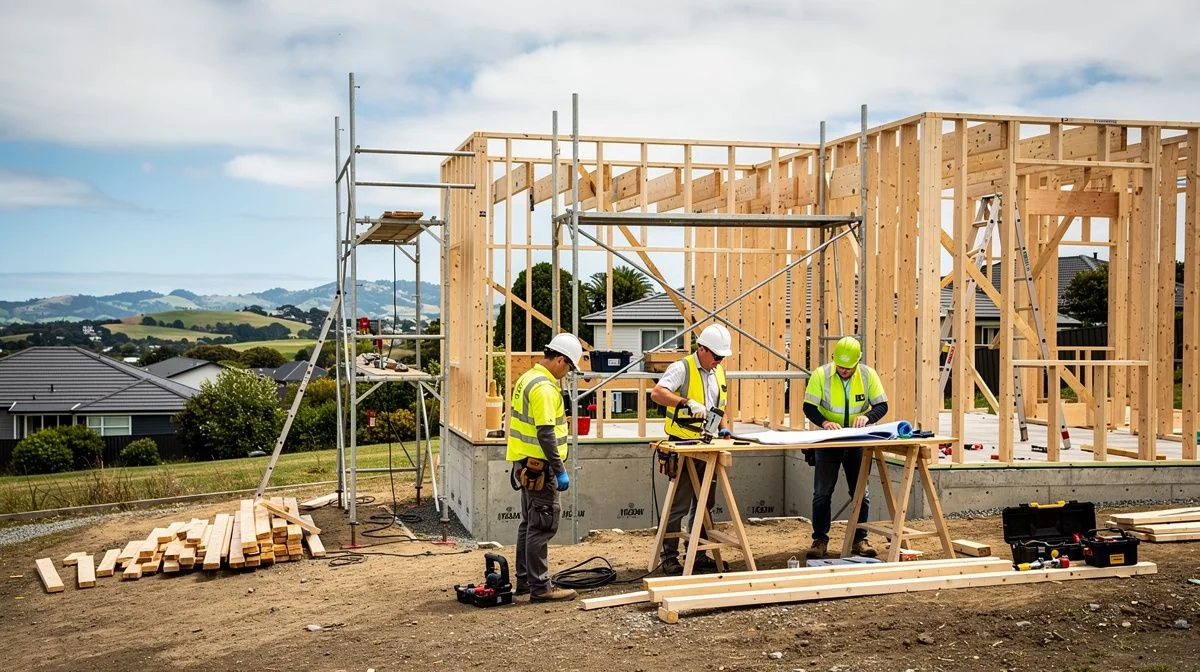
Timeline Expectations: How Long Things Actually Take
Timelines are one of the most common sources of frustration in building projects. Homeowners expect things to happen quickly, and builders are often too optimistic about how long things will take. The result is disappointment and stress. Let’s set some realistic expectations.
A simple renovation, like a bathroom or kitchen, will typically take four to eight weeks. This includes the demolition, the plumbing and electrical work, the installation of fixtures, and the finishing touches. If there are any surprises, like rotten framing or outdated wiring, it could take longer.
A full house renovation, where you’re gutting the place and starting again, will take three to six months. This is a significant project, and there are a lot of moving parts. You’re dealing with structural changes, new services, and a complete re-fit. It’s not something that can be rushed.
An extension will take four to eight months, depending on the size and complexity. You’re adding new space to an existing structure, which means you need to tie into the existing roof, foundations, and services. This is more complex than a new build, and it often takes longer than people expect.
Recladding a home will take two to four months. The old cladding needs to be removed, any underlying issues need to be fixed, and the new cladding needs to be installed. This is a big job, and it’s weather-dependent. If it rains for a week, the work stops.
A new build will take six to twelve months, depending on the size and complexity. A simple, single-storey home on a flat section might be done in six months. A larger, two-storey home with architectural features could take a year or more. The weather plays a big role, as does the availability of materials and subcontractors.
What causes delays? The weather is the biggest factor in Kapiti. We get a lot of rain, and when it’s raining, builders can’t work on the roof, the exterior, or the foundation. A wet winter can add weeks to a project. This is something you need to factor into your expectations.
The council is another cause of delays. Building consents can take weeks or months to process, and inspections need to be booked in advance. If the council is busy, you might have to wait for an inspector to be available. This can slow down the project at critical stages.
Materials are a growing problem. Supply chain issues have made it harder to get certain materials, and lead times can be long. If you’ve chosen a specific type of window or cladding that’s on backorder, you could be waiting weeks for it to arrive. This is why it’s important to choose materials early and to be flexible.
Variations are another cause of delays. Every time you change something, it takes time to implement. The builder has to stop what they’re doing, work out the new plan, and then do the work. If you make a lot of changes, the project will inevitably take longer.
Finally, there’s the simple fact that builders are busy. They might be juggling multiple projects, and yours might not be their only priority. If they have to stop work on your project to deal with an emergency on another site, you’ll be delayed. This is frustrating, but it’s the reality of the industry.
So what can you do to keep your project on track? Be realistic about your timeline from the start. Ask your builder for their honest assessment, and add a buffer for unexpected delays. Communicate clearly and make decisions quickly. And above all, be patient. Building takes time, and rushing it only leads to mistakes.
Communication and Project Management: The Glue That Holds It Together
Communication is the difference between a smooth build and a nightmare. A good builder will keep you informed at every stage, will listen to your concerns, and will be upfront about any issues. A bad builder will go silent for weeks and then hit you with a surprise bill. Let’s talk about what good communication looks like.
Weekly updates are the gold standard. Your builder should give you a summary of what was done that week, what’s planned for the next week, and any issues that have come up. This can be a quick email, a phone call, or a site meeting. The key is that you’re not left in the dark.
Site meetings are important, especially at key stages. You should be invited to walk through the site and see the work in progress. This is your chance to ask questions and raise any concerns. A good builder will welcome these visits and will take the time to explain what’s happening.
Managing expectations is a big part of communication. Your builder should be upfront about what’s realistic and what’s not. If you’re expecting the project to be done in two months, but it’s going to take four, they should tell you that upfront. They should also be clear about costs, timelines, and any potential issues.
Disputes are inevitable in any building project. The key is how they’re handled. A good builder will address issues calmly and professionally, will listen to your concerns, and will work towards a solution. They won’t get defensive or aggressive. If a dispute can’t be resolved, there should be a clear process for escalation, as set out in the contract.
Real-world examples are helpful here. Imagine you’re having a house built, and you notice that the windows are smaller than you expected. A good builder would have discussed this with you before installation, shown you the plans, and made sure you were happy. If you only notice after the fact, a good builder would acknowledge the mistake and work with you to fix it, even if it costs them money.
Another example: the project is running behind schedule. A good builder would have told you about the delay as soon as they knew, explained the reasons, and given you a revised timeline. They wouldn’t wait until the original deadline had passed to break the news.
Good communication also means being responsive. If you send an email or leave a voicemail, you should get a response within a day or two. If a builder takes a week to respond to a simple question, that’s a bad sign. It suggests they’re not organised, or they don’t care about your project.
Finally, good communication is a two-way street. You need to be responsive too. If your builder asks you a question about materials or finishes, try to answer it quickly. If you’re slow to respond, it holds up the project. Building is a partnership, and both sides need to do their part.
The Consent Pathway: A Simple Overview
Building consent can seem like a maze, but it’s actually pretty straightforward once you understand the basics. Let’s walk through it in plain English.
First, what needs a consent? Most building work does. If you’re building a new house, adding an extension, moving a wall, or doing significant structural work, you need a building consent. Even some smaller jobs, like installing a wood burner or a deck over a certain height, need consent. There are some exemptions for minor work, like painting or replacing a tap, but it’s always best to check with the council if you’re not sure.
How long does consent take? In Kapiti, the Kāpiti Coast District Council aims to process most building consents within 20 working days. That’s the target, but in practice, it can take longer. If the application is incomplete, or if there are issues with the plans, the clock stops while you fix them. It’s not uncommon for the whole process to take six to eight weeks from start to finish.
Resource consent is a different thing. It’s needed if your project doesn’t comply with the district plan. This could be because of zoning, setbacks, height limits, or environmental concerns. Resource consent can take much longer, often three to six months, and it’s more complex. Not every project needs it, but if yours does, you need to factor it into your timeline.
Engineering reports are often required as part of the consent process. If you’re building on a sloping site, or if there are soil issues, the council will want a geotechnical report. If you’re making structural changes, you’ll need a structural engineer’s report. These reports take time and money, but they’re essential for ensuring your building is safe.
Once you’ve got your consent, the work can begin. But it’s not a free-for-all. The council will carry out inspections at key stages of the build. These might be when the foundation is poured, when the framing is up, when the insulation is installed, and before the walls are closed in. You need to book these inspections in advance, and the builder needs to be present for them.
If an inspection fails, you’ll need to fix the issues and have it re-inspected. This adds time and cost, so it’s in everyone’s interest to get it right the first time. A good builder will know what the inspectors are looking for and will make sure the work meets the standard.
Finally, when the work is complete, you need a Code Compliance Certificate (CCC). This is the council’s official confirmation that the work complies with the building code. You’ll need this if you want to sell the property, and it’s also important for insurance purposes. The process of getting a CCC can take a few weeks, so don’t expect it to be instant.
Your builder should guide you through this process. They should be familiar with the council’s requirements and should handle the inspections and paperwork. If they’re not, that’s a red flag. The consent process is a key part of the job, and a good builder will manage it seamlessly.
Kapiti-Specific Building Challenges
Building in Kapiti comes with its own set of challenges that you won’t find in other parts of the country. Understanding these before you start will save you a lot of headaches down the track.
The weather is the first thing to consider. Kapiti is exposed to the prevailing north-westerly winds, and it gets a lot of rain, especially in the winter months. This can cause significant delays, particularly on exterior work like roofing, cladding, and painting. If you’re planning a build, try to schedule the exterior work for the summer months, and be prepared for delays if the weather turns.
Soil conditions are another major factor. The Kapiti Coast has a wide range of soil types, from sandy, free-draining soils near the coast to heavy, reactive clays further inland. These different soils require different foundation designs. Building on clay, for example, might require deeper foundations or special engineering to prevent movement. A builder who’s only worked on sandy soils might not know how to handle a clay site.
Sloping sites are common in Kapiti, especially in the hills around Paraparaumu and Waikanae. Building on a slope adds complexity and cost. You might need retaining walls, stepped foundations, or special drainage. Access can also be a challenge, especially for large machinery. A builder experienced in sloping sites will know how to manage these issues, but they’ll also charge more for the extra work involved.
Coastal exposure is a big deal in Kapiti. Properties near the beach are subject to salt-laden air, which can corrode metal fixtures and fittings. It can also affect the choice of materials. For example, you might need to use stainless steel fixings instead of galvanised ones, and you might need to choose cladding that’s resistant to salt damage. A local builder will know all this, but an outsider might not.
Heritage overlays are a factor in some parts of Kapiti. There are areas where properties are protected because of their historical or architectural significance. If your property is in one of these areas, you might need resource consent for any changes, and there might be restrictions on what you can do. This can add significant time and cost to your project.
The local building style is another consideration. Kapiti has a mix of older villas and bungalows, mid-century brick homes, and modern plaster-over-timber builds. Renovating an older home requires a different skill set than building new. You need to work with the existing structure, preserve the character, and deal with any issues that have built up over decades. A builder who specialises in renovations will be a better fit for this type of work.
Council processing times are a known challenge in Kapiti. The Kāpiti Coast District Council has been working to improve its consent processing times, but it’s still not uncommon for consents to take longer than the statutory target. This is frustrating, but it’s something you need to plan for. Build a buffer into your timeline, and don’t expect the council to move faster than they do.
Subcontractor availability is another local issue. Kapiti has a limited pool of tradespeople, and the good ones are in high demand. This can cause delays, especially if you’re building at the same time as a lot of other projects. Your builder’s relationships with local subcontractors can make a big difference here. If they’ve been working with the same team for years, they’ll be able to get things done faster.
Finally, there’s the issue of local knowledge. A builder who lives and works in Kapiti will know the area, the council, the suppliers, and the conditions. They’ll know which materials work well in the local climate, and they’ll have relationships with local businesses. This local knowledge is invaluable, and it’s worth paying for.
Builder Types and Which One You Need
Not all builders are the same. There are different types, and each one is suited to different projects. Understanding the differences will help you choose the right one for your needs.
Renovation specialists focus on existing homes. They’re experienced in working with older structures, dealing with unexpected issues, and preserving the character of a home. If you’re renovating a villa in Paraparaumu Beach, a renovation specialist is your best bet. They’ll know how to work with the existing structure and will be prepared for the surprises that come with older homes.
New-build companies focus on building new homes from scratch. They’re often part of larger firms that build in new subdivisions, and they have a streamlined process for this type of work. If you’re building a new home on a section in Waikanae, a new-build company might be a good fit. They’ll have a system in place and will be efficient at what they do.
Recladding specialists are exactly what they sound like. They focus on removing old cladding and installing new cladding, often on homes that have weathertightness issues. This is a specialised skill, and it’s worth hiring someone who does it regularly. They’ll know the best materials to use and will be able to identify and fix any underlying issues.
Design-and-build firms offer both design and construction services. You work with their in-house designer or architect to create the plans, and then their construction team builds it. This can be convenient because you have a single point of contact, and the design is created with construction in mind. It can also be more efficient, as the design and build teams work closely together.
Small independents are sole traders or small teams who take on a variety of projects. They’re flexible and personal, and you’ll often be dealing directly with the person doing the work. They might not have the same level of backup as a larger company, but they can be a great choice for smaller projects. They’re also often cheaper than larger firms.
Large companies have more resources, more staff, and more capacity. They can take on bigger projects and handle more complex work. They might also have better systems in place for project management and communication. However, they can be less personal, and you might be dealing with a project manager rather than the actual builder.
Project-management-led firms act as the main contractor and manage the entire project, including subcontractors. You deal with the project manager, who coordinates everything. This can take the stress off you, but it can also add to the cost. You’re paying for the project management as well as the actual building work.
So which type do you need? It depends on your project. For a simple renovation, a small independent or a renovation specialist is a good choice. For a new build, a new-build company or a design-and-build firm is worth considering. For a reclad, a specialist is essential. For a complex, architectural project, a larger company with more resources is probably the safest bet.
How to Prepare for Your First Meeting With a Builder
First impressions matter, and that goes both ways. You’re not just interviewing the builder; they’re also deciding whether they want to work with you. Being prepared shows that you’re serious and organised, and it makes the whole process smoother.
Bring your documents. This includes any plans or drawings you have, a rough budget, and a list of your requirements. If you have a property title or a survey, bring that too. The more information you can provide, the better the builder can understand your project and give you an accurate quote.
Have a list of questions ready. This is your chance to find out everything you need to know. Ask about their experience, their availability, their process, and their pricing. Ask about their previous projects and whether you can visit a site. Ask about their subcontractors and their insurance. Don’t be afraid to ask tough questions; a good builder will welcome them.
Describe your vision clearly. This is where a picture is worth a thousand words. If you have photos of what you want, bring them along. If you have a Pinterest board or a scrapbook, show it to them. The more they understand what you’re after, the better they can help you achieve it.
Be honest about your budget. Some people are reluctant to share their budget, thinking it gives the builder an advantage. But it’s actually in your interest to be upfront. If your budget is unrealistic for what you want, the builder can tell you upfront and help you adjust your expectations. If you hide your budget, you’ll get a quote that’s either too high or too low, and you’ll waste everyone’s time.
Ask about their current workload. If they’re too busy to take on your project, you need to know that upfront. If they can start soon, that’s a bonus. But don’t be discouraged if they’re booked out for a few months. It’s better to wait for a good builder than to rush into a bad one.
Watch for red flags during the meeting. If the builder is vague about their experience, or evasive about their insurance, or dismissive of your concerns, that’s a warning sign. If they promise things that seem too good to be true, they probably are. Trust your gut.
Finally, take notes. You’ll be meeting with multiple builders, and it’s easy to mix them up. Write down what each one said, what you liked and didn’t like, and any questions that came up. This will help you compare them later and make a confident decision.

Best Builders for Different Project Types in Kapiti
Different projects require different skills. Here’s a breakdown of the types of builders you should look for in Kapiti, based on what you’re planning to do.
Villa renovations are a speciality. If you’ve got a classic weatherboard villa in Paraparaumu Beach or Raumati, you need a builder who understands and appreciates these homes. They should be experienced in working with original features, such as sash windows, decorative ceilings, and rimu flooring. They should also be prepared for the challenges of old wiring, dodgy plumbing, and questionable additions from previous owners. Look for a renovation specialist with a portfolio of villa projects.
Extensions are a different beast. You’re adding new space to an existing home, which means you need to tie into the existing structure. This requires a builder who understands the complexities of joining old and new. They need to match the roofline, the foundation, and the cladding. They also need to manage the disruption of living in a house that’s being extended. A builder who does a lot of extensions will have a system for this.
Recladding is a specialised skill. If your home has monolithic cladding that’s showing signs of weathertightness issues, you need a builder who knows exactly what they’re doing. They should be experienced in removing the old cladding, inspecting the underlying structure, fixing any damage, and installing new cladding. This is not a job for a generalist. Look for a recladding specialist.
New builds are the bread and butter of many builders. If you’re building a new home on a section in Waikanae or Ōtaki, you have a lot of options. New-build companies have a streamlined process and can often offer competitive pricing. Design-and-build firms can create a custom design and build it for you. Small independents can also do new builds, especially if they’re relatively simple. The key is to find someone who’s done similar projects and has a good track record.
Architectural projects are a different league. If you’re working with an architect on a unique, high-end home, you need a builder who can bring the design to life. They need to be comfortable with complex details, premium materials, and a high level of finish. This is not the job for a volume builder. Look for a builder who specialises in architectural projects and has a portfolio to prove it.
Small jobs are often overlooked by larger builders. If you’re doing a small renovation, like a bathroom or a deck, you might struggle to find a builder who’s interested. Larger firms won’t take on small jobs because they’re not profitable enough. This is where small independents come in. They’re happy to take on smaller projects and will give them the same level of care as a big project.
Coastal builds require special consideration. If you’re building near the beach, you need a builder who understands the challenges of the coastal environment. This includes salt-laden air, high winds, and the need for corrosion-resistant materials. A local builder who’s worked on coastal properties will know exactly what’s needed.
Rural builds are another speciality. If you’re building on a lifestyle block in the Kapiti hinterland, you need a builder who’s comfortable with rural conditions. This includes access issues, the availability of services, and the need for septic tanks or other off-grid systems. A builder who’s done rural projects will know how to handle these challenges.
In all cases, the key is to find a builder who has experience with your specific type of project. Don’t just hire the first builder you find. Do your research, ask for examples of similar work, and talk to past clients. The right builder for your project is out there, but you need to look for them.
What Builders Wish Their Clients Knew
Builders have a lot of experience dealing with homeowners, and they have some common frustrations. Here’s what they wish you knew before you start your project.
Good work costs more. It’s that simple. A builder who does high-quality work, uses good materials, and stands behind their work is going to charge more than someone who cuts corners. You get what you pay for. If you’re looking for the cheapest option, you’re going to get cheap results. Don’t complain about the quality if you weren’t willing to pay for it.
Timelines slip for a reason. Builders don’t deliberately delay projects. They want to finish on time as much as you do. But there are factors beyond their control, like the weather, the council, and material supply. When a timeline slips, it’s rarely because the builder is lazy. It’s because something has happened that they couldn’t predict or control.
Indecision costs money. Every time you change your mind, it adds time and cost to the project. The builder has to stop what they’re doing, work out the new plan, and then implement it. This is why it’s so important to make all your decisions before the work starts. If you’re not sure about something, take the time to decide before you give the go-ahead.
Paying on time matters. Builders have their own expenses, and they rely on progress payments to keep the project moving. If you delay payments, you’re holding up the project. It’s that simple. If you have concerns about the work, raise them, but don’t withhold payment as a bargaining chip. It will only damage the relationship.
A fixed price needs a full design. If you want a fixed-price quote, you need to have a complete design before you start. You can’t expect a builder to give you a fixed price for a project that’s only half-designed. The more detail you have, the more accurate the quote will be. If you want to keep the design flexible, you need to be prepared for a cost-plus arrangement.
Communication is a two-way street. Builders are happy to keep you informed, but they need you to be responsive too. If they ask you a question, try to answer it quickly. If you’re slow to respond, it holds up the project. Building is a partnership, and both sides need to do their part.
Finally, builders want you to be happy. They take pride in their work, and they want you to love the result. They’re not trying to rip you off or do a bad job. They want to build you a home you’ll be proud of. If you treat them with respect and communicate openly, you’ll get the best possible result.
How to Get the Best Results from Your Build
Getting the best results from your build is about preparation, communication, and attitude. Here’s how to set yourself up for success.
Prepare your brief thoroughly. The more detail you provide, the better the builder can understand what you want. Don’t just say, “We want a new kitchen.” Describe the style, the layout, the materials, the appliances, and the finishes. Provide photos and examples. The more specific you are, the more likely you are to get what you want.
Choose materials early. One of the biggest causes of delays is waiting for materials to arrive. If you can choose your materials early, you can order them in advance and have them ready when the builder needs them. This is especially important for items with long lead times, like windows, doors, and custom cabinetry.
Avoid indecision. Once the project starts, try to stick to your decisions. Changing your mind is costly and time-consuming. If you’re not sure about something, take the time to decide before the work starts. Once it’s done, it’s done.
Manage variations carefully. If you do need to make a change, make sure it’s documented in writing, and understand the cost implications. Don’t just verbally agree to a change and assume it’s covered. Get it in writing, and make sure you know how much it’s going to cost.
Keep the project moving. This means being responsive to your builder’s questions, making decisions quickly, and paying invoices on time. The faster you respond, the faster the project progresses. If you hold things up, you’re only delaying your own project.
Avoid disputes. This is easier said than done, but it’s important. Disputes are costly, time-consuming, and stressful. The best way to avoid them is to communicate openly, manage your expectations, and treat your builder with respect. If an issue comes up, address it calmly and professionally, and work towards a solution.
Be present. Visit the site regularly, but don’t hover. Show an interest in the work, and ask questions if you have them. This helps build a positive relationship with your builder and shows that you care about the project.
Finally, be patient. Building takes time, and there will be setbacks. The key is to stay calm and trust the process. If you’ve chosen a good builder, they’ll get you to the finish line. It might not be exactly on schedule, but it will be worth the wait.
Frequently Asked Questions
How much does a renovation cost in Kapiti?
Renovation costs in Kapiti vary widely depending on the scope of work. A simple bathroom renovation will typically cost between $25,000 and $45,000, while a kitchen could be $30,000 to $60,000. A full house renovation, where you’re gutting the place and starting again, could easily set you back $200,000 or more. The key factors are the size of the space, the quality of the finishes, and any unexpected issues that come up when you open up the walls. It’s always wise to add a 10 to 15 percent contingency to your budget for surprises.
How long do building consents take in Kapiti?
The Kāpiti Coast District Council aims to process most building consents within 20 working days, but in practice, it can take longer. If your application is incomplete or there are issues with the plans, the clock stops while you fix them. It’s not uncommon for the whole process to take six to eight weeks from start to finish. If you need resource consent, that’s a separate process that can take three to six months. It’s always best to factor in extra time for the consent process when planning your project.
What’s the difference between an estimate and a fixed-price quote?
An estimate is a rough idea of what the job might cost. It’s not binding, and it can change as the project progresses. A fixed-price quote is a commitment. The builder agrees to complete the specified work for a set price, regardless of how much it actually costs them. Fixed-price quotes give you certainty, but the builder will usually add a contingency buffer to protect themselves. This means they might be slightly higher than an estimate. For most homeowners, a fixed-price quote is the safer option, provided the scope of work is clearly defined.
How do I avoid budget blowouts?
The best way to avoid budget blowouts is to have a detailed scope of work, a fixed-price contract, and a contingency fund. Set aside 10 to 15 percent of your budget for unexpected costs. In older homes, you’re almost guaranteed to find something nasty when you open up the walls. Make all your decisions before the work starts, and stick to them. If you do need to make changes, get them documented in writing and understand the cost implications. And above all, don’t choose the cheapest quote just to save money upfront. It often ends up costing more in the long run.
What guarantees should I ask for?
You should ask for several things. First, make sure your builder is a Licensed Building Practitioner and can provide proof of public liability insurance. If they’re a member of Master Builders or Certified Builders, you get a guarantee on their work, typically two years for workmanship and up to ten years for structural issues. You should also ask for a written warranty that the work will comply with the building code. Finally, consider holding back a retention of 5 to 10 percent until the project is complete and you’re satisfied with the work.
Should I get multiple quotes?
Yes, you should get at least three quotes from different builders. This gives you a sense of the market rate and helps you identify any outliers. If one quote is significantly lower than the others, ask yourself why. It could be a bargain, or it could be a sign that the builder is cutting corners or has underpriced the job. If one quote is significantly higher, it could mean the builder is using better materials or has a better reputation. The key is to compare quotes line-by-line, not just look at the bottom line.
What if something goes wrong during the build?
If something goes wrong, address it immediately. Talk to your builder directly and explain your concerns. Most issues can be resolved with good communication. If you can’t resolve it directly, check your contract for a dispute resolution process. You can also conta

The ValueHub Team built this site because finding clear, unbiased financial information in New Zealand was harder than it should be. Every guide is based on real research — we compare the actual fees, terms, and fine print so you don't have to. Our tip: shop around every year, read the policy docs, and never assume loyalty gets you the best deal.— The ValueHub Team
Try our Calculators
Use these free tools to crunch the numbers:
KiwiSaver Fund Comparison
Compare fees, returns, and risk levels across every KiwiSaver fund from all 31 NZ providers.
Currency Converter — USD to NZD
Convert US Dollars to New Zealand Dollars instantly. See the latest exchange rate and 30-day trend.
Mortgage Repayment Calculator
Calculate your weekly, fortnightly, or monthly mortgage repayments. Free NZ mortgage calculator — try different rates, terms, and repayment frequencies.
Compound Interest Calculator
See how your savings grow with compound interest over time. Free NZ compound interest calculator with yearly, monthly, and weekly compounding options.
Term Deposit Calculator
Calculate your term deposit returns before you lock in. Compare interest earned across different terms and rates with ValueHub's free calculator.
Savings Goal Calculator
Calculate how long it will take to reach your savings goal — and what monthly deposit you need to get there. Free NZ savings planner.
Builders in Other Cities
Latest Guides & Reviews
New Zealand Financial Markets Authority Guide: Investor Protection in NZ
Protect your investments with this practical guide to the FMA — how to check licences, spot scams, and what to do if a provider fails. Verified against...
comparisonEV Home Charger NZ: Costs & Buying Guide
Compare EV home charger costs in NZ — verified prices from $1,299, installation fees, smart features, and what actually matters for your home's power supply.
guideThe Most Popular EVs in New Zealand
The best-selling electric cars in New Zealand, ranked by official registration data. Top BEV and PHEV models and brands, updated monthly.
guideEV Market Stats
New Zealand's EV market in numbers — market share, fleet size, top-selling models and used imports, updated with the latest NZTA and MIA data.