Best Builders in Masterton
Published 16 August 2026 · Updated 18 August 2026

Choosing a Builder in Masterton: Why It Pays to Do This Properly
Right, let's talk about building in Masterton. It's a bloody exciting time when you decide to take on a renovation or a new build. You've got the plans buzzing around in your head, the Pinterest boards are full of inspiration, and you're ready to get the diggers in. But before you get swept up in the excitement, there's one decision that will make or break the entire project: who you choose to build it.
Choosing a builder isn't like picking a new coffee spot on Queen Street. It's a long-term commitment, often lasting months, sometimes over a year. You're inviting this person and their crew into your life, your property, and your bank account. Getting it wrong can mean budget blowouts, delayed timelines, shoddy workmanship, and a whole heap of stress that you simply don't need. Getting it right, though, means a smoother process, a quality finish you'll be proud of for decades, and possibly a new mate in the trades.
In Masterton specifically, there are some local wrinkles you need to be aware of. We're not in a sprawling metropolis with endless options; we're in a solid provincial town where reputation travels fast. The builder you choose likely knows the other trades on your job, the council planners, and the local building inspectors. That local knowledge is gold. It means they know the quirks of the council's consent process, they know which subcontractors actually turn up on time, and they know the specific challenges of building here in the Wairarapa.
One of the first things you'll notice is the weather. Masterton gets proper seasons. We have hot, dry summers and cold, frosty winters, with a decent dose of wind thrown in for good measure. A builder who knows how to plan around the weather – getting the foundations in before the ground gets too wet, or scheduling exterior work for the drier months – is worth their weight in gold. A builder from outside the region might not appreciate how a nor'wester can shut down a roofing crew for days on end, or how the heavy morning dew can delay painting and plastering.
Then there's the ground itself. The Wairarapa has a mix of soil types, from free-draining gravels to heavy clays, and we're in a seismically active zone. A good local builder has seen it all. They know when a site needs deeper piles, when a geotechnical report is going to be required, and how to work with a sloping section. They've built on the hills around the town and on the flat river plains, so they understand what's needed to make a foundation that will last.
Council consent timelines are another local beast. Masterton District Council has its own processing times, and while they're generally reasonable, a builder who has a good working relationship with the planners can help smooth the way. They know what information is needed, they know how to present plans to avoid unnecessary back-and-forth, and they can give you a realistic idea of how long the consent phase will actually take, not just what the official target is.
Subcontractor availability is a massive factor in Masterton. We don't have an endless pool of electricians, plumbers, and roofers like Auckland or Wellington. The good ones are booked out weeks, sometimes months, in advance. A builder with strong relationships with reliable local subcontractors will keep your project moving. A builder who's new to town or doesn't have those connections might leave you waiting weeks for a sparky to free up, which stalls the whole build and costs you time and money.
Labour shortages are real too. Like the rest of New Zealand, Masterton has felt the pinch of skilled tradespeople being in high demand. This means good builders are busy, and they can be picky about the projects they take on. If you find a builder you like, you might need to be prepared to wait for them to start, or at least book them in well ahead of time. This is a sign of a good builder, not a bad one – it means they're in demand for a reason.
Finally, consider the local building style. Masterton has a lovely mix of character villas and bungalows, classic mid-century homes, and modern builds. Renovating an old villa in Masterton is a different beast to building a new contemporary home. You need a builder who respects the original architecture, understands the materials used in older homes, and knows how to blend the old with the new seamlessly. Getting someone who just wants to rip everything out and start fresh might not be the right fit for a heritage renovation.
So, take your time. Do your homework. This isn't a decision to rush. The right builder in Masterton is out there, and they're worth finding.
How Builder Pricing Actually Works in Masterton
Money talk. It's the awkward part of any building project, but it's essential to understand how builder pricing actually works before you start comparing quotes. In Masterton, like everywhere else, pricing is a mix of labour, materials, and a margin for the builder's time, overheads, and profit. But the local market conditions add their own flavour to the numbers.
Let's start with the basics. Builder labour rates in Masterton typically range from about $70 to $110 per hour plus GST, depending on the experience and reputation of the builder or the company. Larger, more established firms with project managers and office overheads will be at the higher end, while a smaller independent builder might be a bit more competitive. You're paying for their skill, their experience, and their ability to manage your project effectively.
When it comes to overall project costs, you'll often hear figures quoted per square metre. For a renovation in Masterton, you're generally looking at anywhere from $2,500 to $4,500 per square metre for a quality finish, depending on the scope. A simple refresh – new kitchen, bathroom, and paint – might come in at the lower end. A full gut and reconfiguration will be at the higher end. For new builds, the range is similar, often starting around $2,800 per square metre for a straightforward spec and climbing to $5,000 or more for a high-end architectural home with premium fixtures and finishes.
These numbers aren't set in stone, and they can vary significantly based on demand. When the building industry is booming, and there's a shortage of builders in the Wairarapa, prices go up. Builders can afford to be more selective, and they'll often price in a premium for their scarcity. Conversely, when things are quieter, you might find more competitive pricing as builders are keen to keep their crews busy. Right now, the market in Masterton is reasonably active, so expect prices to reflect that demand.
Why do quotes vary so much? It's rarely a case of one builder trying to rip you off. The main reason is scope. One builder might look at your plans and include a specific type of joinery, while another assumes a cheaper alternative. One might include for a higher-spec insulation, another goes with the minimum code requirement. One might have a subcontractor who quotes them a better rate for electrical work, and they pass those savings on. The differences are often in the details, which is why comparing quotes line-by-line is so critical.
You also need to understand the different pricing models. The most common are fixed-price, estimate, and cost-plus. A fixed-price contract means the builder agrees to do the specified work for a set amount. This is great for certainty, but it usually means the builder has padded the price to cover their risk. If they've missed something in the plans, they'll either need to come back to you for a variation (which costs extra) or eat the cost themselves. A good builder will have a thorough scope and a fair fixed price, but it's a two-way street – you need to make sure the plans are detailed enough for them to price accurately.
An estimate is just that – a best guess. It's not a binding quote. The final price could be higher or lower depending on what they find when they open up the walls. This is common for renovations where there's a lot of unknowns. A cost-plus contract is where you pay the builder their actual costs plus a percentage or fixed fee on top. This is the most transparent but also the riskiest for you, as there's no incentive for the builder to keep costs down unless they're a particularly honest operator.
In Masterton, you'll find most reputable builders prefer to work on a fixed-price basis for new builds and well-scoped renovations. It gives everyone certainty. For more open-ended renovation work, they might offer an estimate with a contingency built in, or suggest a cost-plus arrangement with a guaranteed maximum price. The key is to understand which model you're being offered and what the risks are for you.
Material costs are another big factor. Timber, steel, concrete, insulation, plasterboard – the prices of these can fluctuate, and a builder's quote will reflect their current rates. If they're quoting six months out, they might include a margin for potential price increases. If you're building in Masterton, you're also paying for freight, which can add a bit to the cost of materials compared to getting them in a larger city. A local builder will have a good handle on these costs and can give you a more accurate picture than someone from out of town.
Finally, don't forget about the extras. Site preparation, demolition, skip bins, portable toilets, temporary power, council fees, engineering reports – these all add up and are often not included in the headline per-square-metre figure. A good builder will itemise these in their quote so you know exactly what you're paying for. If a quote seems suspiciously low, ask questions. There's no such thing as a free lunch, and a cheap quote usually means something's been left out.
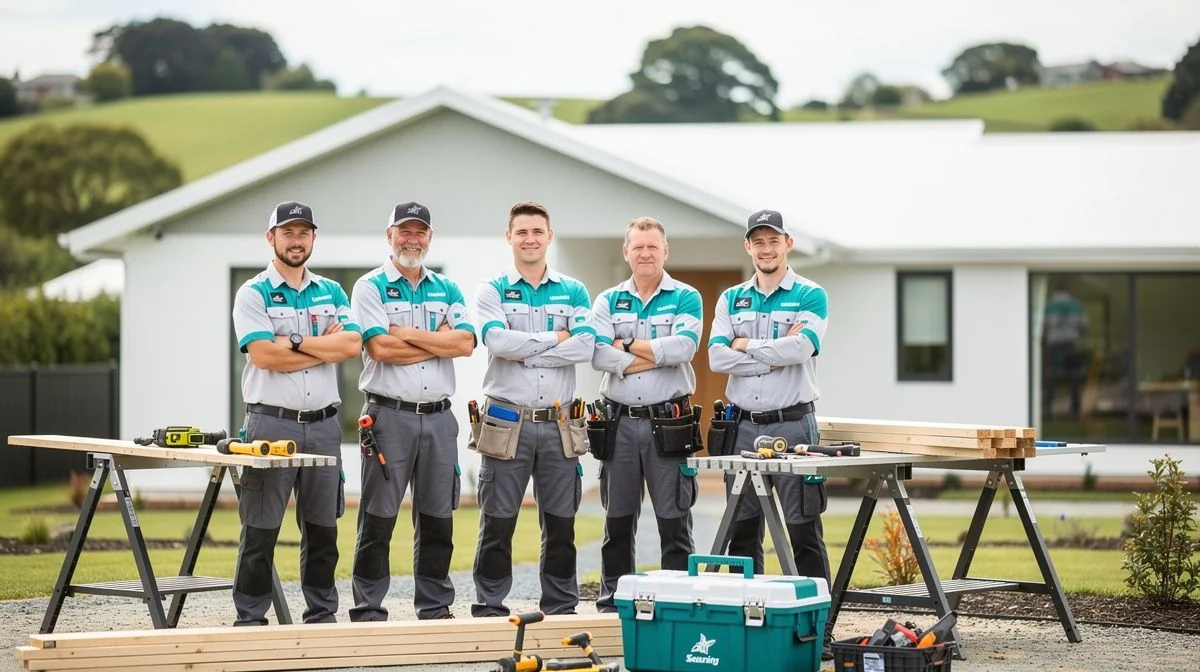
Our Trusted Builders
We feature businesses that demonstrate strong performance, proven experience, and consistently positive customer feedback. Some of the providers listed may have commercial relationships with us, but all are selected based on quality and reliability.
To begin, reach out to them and speak with them directly — this helps you explain your job, ask questions, and confirm whether they're the right fit.
Let’s build together! We take pride in turning your vision into reality. Elevate your outdoor living areas and enhance your property’s value with SEBO’s wide range of exterior services. Whether you need expertly crafted decks, retaining walls, fences, pergolas, or driveways, we deliver durable and aesthetically pleasin
How to Compare Quotes Properly (Without Losing Your Mind)
So you've got three or four quotes back from builders in Masterton, and they're all different. One's twenty grand cheaper than the others, one's got a massive list of exclusions, and one is written in a way that you need a law degree to understand. What now? Don't panic. This is where the real work begins.
The first thing you need to do is prepare a crystal-clear scope of work before you even talk to builders. This isn't the builder's job; it's yours. You need to know exactly what you want done. Are you replacing the kitchen? Which cabinetry, which benchtop, which appliances? Are you adding an extension? What are the dimensions, what's the cladding, what's the roofing? The more detail you can provide, the more accurate your quotes will be. If you give three builders a vague idea, you'll get three wildly different prices because they're all guessing at what you want.
Once you have your quotes, don't just compare the bottom line. That's a rookie mistake. You need to compare them line-by-line. Look at what's included in each one. Does Builder A include for a specific brand of tapware, while Builder B has just put in a generic allowance? Does Builder C include for painting, or is that an exclusion? Are the site works, like the skip bin and portable toilet, included in all of them? You need to create a spreadsheet and map out what's included in each quote, item by item. This will quickly show you where the differences are.
Watch out for red flags. A quote that is significantly lower than the others should ring alarm bells, not make you jump for joy. It could mean the builder has missed something, is planning to cut corners on materials, or is going to hit you with a barrage of variations once the work starts. A quote that has a huge list of exclusions is also a warning sign. It means you'll be paying extra for all those things down the track, and the final bill could be much higher than the sticker price.
Bait-and-upgrade pricing is a classic trick. The builder gives you a low quote to win the job, then during the build, they'll suggest "upgrades" that you simply must have. "Oh, you don't want that standard tapware, it's rubbish. You should get this one, it's only a few hundred more." Before you know it, you've spent an extra ten grand on upgrades you didn't budget for. A reputable builder will give you a fair price for a good standard of work and let you decide if you want to upgrade, rather than pressuring you from day one.
Avoiding budget blowouts is about clarity. Make sure your contract has a clear process for variations. Any change to the scope, no matter how small, should be documented and costed before the work is done. If the builder says, "Oh, we'll sort it out later," that's a red flag. You need it in writing, with a price, before they proceed. This protects both of you and avoids nasty surprises on the final invoice.
When it comes to negotiating, be respectful. Builders in Masterton talk to each other. If you try to play one off against another, or you try to beat them down to the bone, word gets around. A fair negotiation is fine – asking if there's any flexibility on the price, or if they can match a competitor's quote for a specific item – is reasonable. But trying to squeeze every last dollar out of them will just mean they'll cut corners elsewhere or won't be as keen to help you out when you need a favour down the track.
Finally, trust your gut. If a builder seems vague, evasive, or too good to be true, they probably are. You're going to be working closely with this person for months. You need to feel comfortable with them. If something feels off at the quote stage, it's only going to get worse when the pressure is on. Take your time, do your comparisons properly, and choose someone you genuinely feel you can work with.
How to Choose the Right Builder in Masterton: A Practical Checklist
Right, here's the no-nonsense checklist. Print this out, take it to your meetings, and tick off every single box before you sign anything. This is your due diligence, and it's non-negotiable.
Check their LBP status. Every builder doing work over a certain value must be a Licensed Building Practitioner (LBP). You can search the public register online to verify their licence and see what classes they're licensed in. This is your first and most important check. If they're not an LBP, walk away. It's not worth the risk. A builder who is a Registered Master Builder or a Certified Builder has gone a step further and is part of a professional body with its own quality standards and dispute resolution processes.
View their past work. Don't just look at photos on their website. Ask for addresses of projects they've completed in the Masterton area, and go and have a look. If it's a renovation, knock on the door and ask the homeowner if they're happy with the work. Most people are happy to chat about their build. Look at the quality of the finish – the corners, the joins, the paintwork. If you can, talk to the owner about their experience with the builder. Were they on time? Did they stick to budget? Would they use them again?
Get references. Ask the builder for a list of references from recent clients. Call them. Ask specific questions about the builder's communication, their reliability, their problem-solving skills, and how they handled any issues that came up. A good builder will be happy to provide references. A builder who hesitates or makes excuses is a red flag.
Check their insurance. You need to make sure the builder has current public liability insurance. This covers you if they or their subcontractors cause damage to your property or someone else's. Ask to see their certificate of insurance and check the expiry date. You should also check that they have workers' compensation insurance (ACC) for their employees. If a worker gets injured on your site and the builder isn't properly covered, you could be liable.
Read the contract carefully. Before you sign anything, read the entire contract, including the fine print. Make sure you understand the payment schedule, the timeline, the process for variations, and what happens if something goes wrong. If you're not sure about something, ask. A reputable builder will be happy to explain the contract to you. If they rush you to sign, that's a warning sign.
Trust your gut. After all the checks and references, you need to trust your instincts. Did the builder turn up on time for the meeting? Did they listen to your ideas or just talk over you? Did they seem genuinely interested in your project, or were they just trying to close a deal? You're going to be spending a lot of time with this person, so you need to feel comfortable with them. If something feels off, it probably is. Move on to the next one.
This checklist is your shield. Use it. The time you spend doing your due diligence now is nothing compared to the stress and cost of a botched build.
Builder Availability in Masterton: The Brutal Truth
Let's be honest – getting a good builder in Masterton is not like ordering a pizza. You can't just call up on Monday and expect them to start on Tuesday. The brutal truth is that reputable builders in this town are busy, often booked out months in advance. If you're planning a build or a major renovation, you need to factor this into your timeline.
Seasonal demand plays a huge role. Building activity in Masterton tends to peak in the warmer months, from spring through to autumn. Everyone wants their renovation finished before Christmas, or they want to get their new build closed in before the winter rains hit. This means the demand for builders spikes in the spring, and the good ones get snapped up quickly. If you're thinking about a project, the time to start talking to builders is often six to twelve months before you actually want to start on site, not a month before.
The council consent process also adds to the bottleneck. Even if you find a builder who's available, you need to factor in the time it takes to get your building consent approved. Masterton District Council has its own processing times, and while they've improved in recent years, it's still not uncommon for a straightforward consent to take a few weeks, and a more complex one to take a couple of months. If you're waiting on a consent, the builder can't start, which means they might move on to another job in the meantime. This is why it's so important to get your plans and documentation sorted well in advance.
Subcontractor shortages are another headache. Even if you've secured a builder, they rely on a team of subcontractors – electricians, plumbers, roofers, plasterers, painters. In Masterton, these trades are often just as busy as the builders, if not busier. A good builder will have strong relationships with their regular subs and can slot you into their schedule, but if a sub is running late on a previous job, it can have a knock-on effect on your timeline. There's not a lot you can do about this except be patient and trust that your builder is managing it.
So, what's the practical advice? Start early. Way earlier than you think you need to. If you're planning a significant project, start talking to builders at least six months, ideally a year, before you want to break ground. This gives you time to find the right builder, get your plans sorted, secure a consent, and book a start date that works for everyone. It also gives you leverage – a builder is more likely to give you a better price or a more favourable timeline if you're flexible and can work around their schedule.
Another piece of advice is to be flexible. If you're set on a specific start date, you might be limiting your options. If you can be a bit flexible about when the build starts, you'll have a much wider pool of builders to choose from. Similarly, if you can be flexible about the scope of work – for example, being willing to do some of the demolition yourself or painting the interior – you might be able to get a builder to fit you in around their other commitments.
Finally, don't be afraid to get on a waiting list. If you've found a builder you really like and they're not available for six months, it might be worth the wait. A good builder is worth waiting for. The alternative – settling for someone who's available tomorrow but isn't the right fit – is a false economy. A rushed job with a subpar builder will cost you more in the long run than waiting for the right person.
Common Mistakes Homeowners Make When Hiring a Builder
We've all heard the horror stories. The builder who disappeared halfway through the job, the renovation that cost double the quote, the new build with leaks. Most of these disasters could have been avoided if the homeowner had avoided some common mistakes. Let's go through them so you don't make the same ones.
The biggest mistake is choosing the cheapest quote. It's tempting, isn't it? You've got three quotes, and one is twenty grand less than the others. That's a lot of money. But here's the thing – a builder isn't running a charity. If their quote is significantly lower, they're either cutting corners on materials or labour, they've missed something in the scope, or they're going to hit you with variations later on. The cheapest quote is rarely the cheapest build in the end. You're better off paying a fair price for a quality job than a cheap price for a headache.
Not checking references is another classic error. A builder can have a flashy website and a slick sales pitch, but that doesn't mean they're good at their job. You need to talk to people who have actually used them. Ask for references and call them. Ask about the builder's communication, their reliability, and whether they stuck to budget. One bad reference should be enough to rule them out. If a builder can't provide references, that's a massive red flag.
A vague scope of work is a recipe for disaster. If you go to a builder and say, "I want to renovate my kitchen," you're leaving everything open to interpretation. Do you want new cabinets? What material? What benchtop? What appliances? Are you moving walls? Changing the flooring? The more detail you provide, the more accurate the quote will be. If you're vague, the builder will make assumptions, and those assumptions will cost you. You need to have a detailed plan before you even start talking to builders.
Paying too much upfront is a big one. Some builders will ask for a deposit to secure materials or cover initial costs, and that's reasonable. But if a builder asks for a large percentage of the total cost upfront – say, 30% or more – that's a warning sign. You should be paying for work as it's completed, not before it's started. A reputable builder will have a payment schedule tied to milestones, and they won't need a huge deposit to get started. If a builder pressures you for a big upfront payment, walk away.
Making assumptions is another trap. You assume the builder will include for painting, but they assumed you'd organise it yourself. You assume the quote includes for the new driveway, but it was an exclusion. You assume the builder will manage the council inspections, but they thought you'd do it. These assumptions lead to arguments and extra costs. The solution is to have everything in writing. Every single detail of the scope, every inclusion and exclusion, should be documented in the contract. If it's not in writing, it doesn't exist.
Changing your mind mid-project is a surefire way to blow your budget and your timeline. You see a different style of tile at the tile shop and decide you want that instead of the one you chose. You decide you want a window moved after the framing is up. Every change costs money – you're paying for the builder to undo the old work and do the new work, plus the materials that are now wasted. It's fine to make decisions, but make them before the build starts. Once the work is underway, stick to your choices unless there's a genuine problem.
Skipping the contingency fund is a rookie error. Every building project, no matter how well planned, has unexpected costs. You open up a wall and find rotten timber. You hit rock when digging the foundations. The council requires an unexpected engineering report. These things happen. If you don't have a contingency fund – usually 10-15% of the project cost – you'll be scrambling to find the money or the work will grind to a halt. A good builder will recommend you have a contingency, and you should listen.
Payment Stages and Financial Protections
Let's talk about money again, but this time about how you actually pay for the build. Understanding the payment structure is crucial to protecting yourself financially. You don't want to be handing over thousands of dollars without knowing exactly what you're paying for and when.
The most common payment structure is milestone payments. You pay a portion of the total cost at various stages of the build – for example, 10% at the start, 20% when the foundations are in, 30% when the framing is up, 20% when it's closed in, and the final 20% on completion. This is a fair system because you're paying for work that has actually been done. It also gives you leverage – if the builder isn't progressing, you can withhold payment until they do.
Progress claims are similar, but they're usually based on the percentage of work completed at any given time. The builder will submit a claim for the work they've done, and you pay for it. This is more common on larger projects or cost-plus contracts. The key is to make sure the claims are accurate and that you're not paying for work that hasn't been done. A good builder will be transparent about their progress and won't try to pull a fast one.
Retentions are a form of protection for you. This is where a portion of each payment – usually 5-10% – is held back until the end of the project. This gives you leverage if there are any defects or unfinished work at the end. The builder has an incentive to fix things because they won't get their final payment until they do. Make sure the retention is written into your contract and that you understand how and when it will be released.
Variations are changes to the original scope of work. They're a normal part of building, but they need to be managed carefully. Every variation should be documented in writing, with a clear description of the work and a fixed price, before the work is done. If a builder does work without agreeing on a price first, you're not obligated to pay for it. This protects you from being hit with surprise costs. A good builder will always get your sign-off before proceeding with a variation.
So, what's normal and what's risky? A deposit of 10% or less is normal. Anything more than that should be questioned. Milestone payments tied to progress is normal. Paying a large lump sum upfront for work that hasn't been done is risky. A retention of 5-10% is normal. Not having a retention is risky. A clear process for variations is normal. A builder who does work without agreeing on a price is risky.
How do you protect yourself? First, make sure you have a written contract that clearly outlines the payment schedule, the scope of work, and the process for variations. Second, never pay more than the agreed amount for the work completed. Third, keep a record of all payments and all correspondence. Fourth, if something doesn't feel right, stop and ask questions. You have rights, and you should exercise them.
Reputable builders in Masterton will have a standard contract that's fair to both parties. They'll be transparent about their payment schedule and happy to explain it to you. If a builder is cagey about payments or tries to pressure you into paying more upfront, that's a huge red flag. Walk away. There are plenty of good builders who will treat you fairly.
Guarantees, Insurance and Compliance: The Legal Stuff
Nobody likes reading the fine print, but when it comes to building, the legal stuff is what protects you if something goes wrong. Let's break it down in plain English so you know what you're entitled to and what you should be asking for.
First up, the Licensed Building Practitioner (LBP) requirement. For most building work, the person doing the work must be an LBP. This is a government-backed licensing system that ensures builders have the necessary skills and experience. You can check the public register to verify a builder's licence. If you're hiring someone who isn't an LBP for work that requires one, you're breaking the law, and you have no recourse if the work is substandard. It's not worth the risk.
Beyond the LBP, there are industry bodies like the Registered Master Builders Association and the Certified Builders Association. These are voluntary memberships that builders can join, and they come with their own quality standards and dispute resolution processes. A builder who is a member of one of these bodies has agreed to adhere to a code of ethics and is subject to independent oversight. This gives you an extra layer of protection. If something goes wrong, you can go to the association, and they can mediate or take disciplinary action.
Many of these associations also offer guarantees. For example, Registered Master Builders offer a Master Build Guarantee, which provides protection for a certain period after the build is complete. This typically covers major defects in workmanship and materials. It's a form of insurance that gives you peace of mind. Ask your builder if they offer a guarantee and what it covers. If they don't, that's a red flag.
Public liability insurance is non-negotiable. This covers you if the builder or their subcontractors cause damage to your property or someone else's. For example, if a subcontractor drops a brick and it smashes your neighbour's window, public liability insurance covers the cost of the repair. If the builder doesn't have this insurance, you could be liable for the damage. Ask to see their certificate of insurance and verify it's current.
Workmanship warranties are also important. A warranty is a promise that the work will be free from defects for a certain period. New Zealand law implies a warranty of reasonable skill and care, but a written warranty can give you more explicit protection. Ask your builder what warranty they offer on their workmanship. A good builder will stand behind their work and offer a warranty of at least a year, often longer for major structural elements.
Building consent obligations are another legal requirement. Most building work requires a building consent from the council. This is a formal approval that the work meets the Building Code. The builder is responsible for ensuring the work is carried out in accordance with the consent, and the council will carry out inspections at various stages. At the end of the project, you'll receive a Code Compliance Certificate (CCC), which is proof that the work meets the code. You need this certificate for insurance purposes and if you ever sell the property.
It's a lot to take in, but it's essential. You don't need to be an expert, but you do need to ask the right questions. Ask about LBP status, ask about memberships, ask about guarantees, ask about insurance, ask about warranties, and ask about consents. A reputable builder will be happy to answer all your questions and provide evidence. If they're evasive or dismissive, that's a sign that they're not the right builder for you.
Timeline Expectations: How Long Things Actually Take
Let's be realistic about timelines. Building takes time. It's not like a TV renovation show where a house is transformed in a weekend. In the real world, in Masterton, things take time, and you need to be prepared for that.
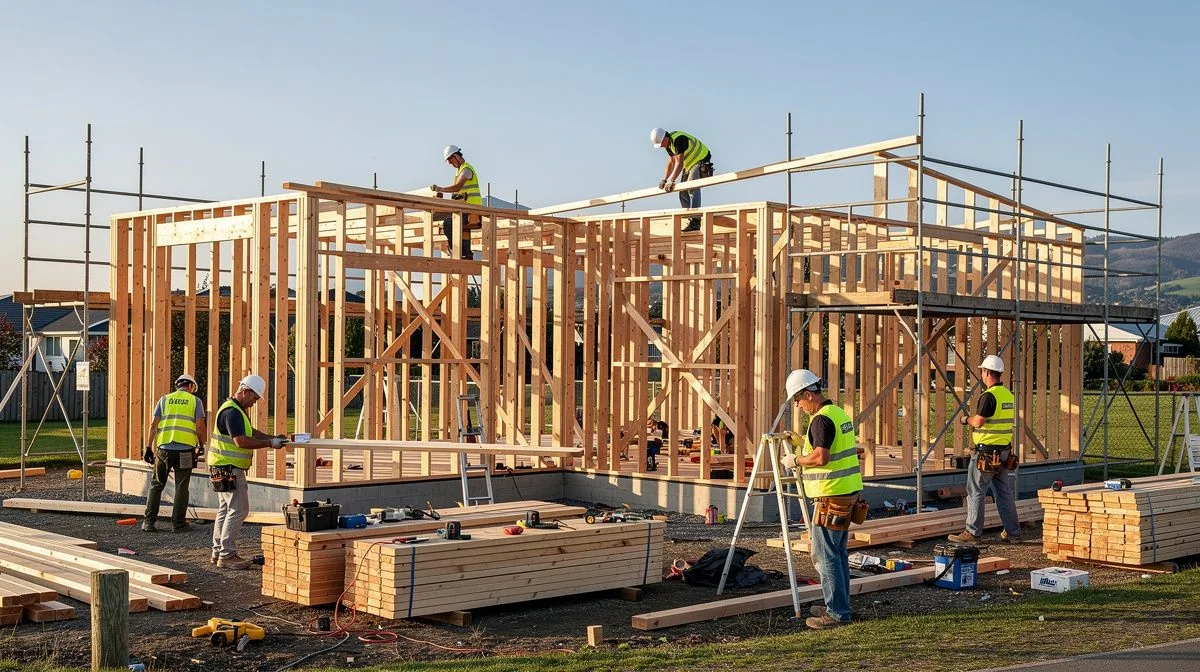
For a typical renovation – say, a new kitchen and bathroom – you're looking at anywhere from six to twelve weeks on site, depending on the scope. A full house renovation, where you're gutting the place and redoing everything, can take four to six months. An extension, where you're adding a new room or a second storey, can take three to six months. A new build, from breaking ground to moving in, typically takes eight to fourteen months, depending on the size and complexity.
These are ballpark figures, and they can vary significantly. The weather is a big factor. Masterton gets proper winters, with frosts and rain that can delay concrete pours, roofing, and exterior painting. If you're building in winter, expect some delays. The summer months are generally better for construction, but you also have the risk of dry spells that can cause issues with foundations on certain soil types.
The council consent process is another big variable. You need to get your consent approved before you can start, and this can take anywhere from a few weeks to a few months. If your project is straightforward, it'll be quicker. If it's complex – say, it involves a heritage overlay or a tricky engineering issue – it'll take longer. A good builder will factor this into their timeline and advise you on what to expect.
Materials and subcontractors can also cause delays. If a particular type of joinery has a long lead time, you might be waiting weeks for it to arrive. If your electrician is booked out for a month, that will stall the build. A good builder will order materials well in advance and book subcontractors early to minimise these delays, but they can still happen. It's the nature of the industry.
Variations are a major cause of timeline slippage. Every time you change something – a different tile, a moved wall, a new window – it adds time to the schedule. The builder has to undo the old work, order new materials, and redo the work. It's not just an extra cost; it's an extra delay. The more you can stick to your original plan, the faster your build will go.
So, what can you do to keep things on track? First, be realistic about your timeline. Don't expect a renovation to be done in a month if it's a big job. Second, make your decisions early and stick to them. Third, be flexible. If the weather is bad, accept that there will be delays. Fourth, communicate with your builder. If you have concerns about the timeline, raise them early. A good builder will keep you informed about progress and any potential delays.
Communication and Project Management: The Glue That Holds It Together
A build is a complex dance of trades, materials, and decisions. The glue that holds it all together is communication. A builder who communicates well will make the process smooth and enjoyable. A builder who doesn't will make it stressful and frustrating. This is one of the most important things to consider when choosing your builder.
Good builders communicate regularly and proactively. They don't wait for you to call them; they call you. They give you updates on progress, they flag potential issues before they become problems, and they ask for your input when it's needed. They're responsive to your calls and messages, and they keep you in the loop at every stage. This doesn't mean they're calling you every five minutes – that would be annoying – but they give you regular updates, perhaps weekly, so you always know where things are at.
A good builder also manages expectations. They're honest about what's realistic and what's not. If your timeline is too tight, they'll tell you. If your budget is unrealistic for what you want, they'll tell you. They don't sugar-coat things or promise the world and then fail to deliver. This honesty might be hard to hear at times, but it's far better than being blindsided later on.
Managing expectations also means being upfront about costs. If a variation is needed, a good builder will discuss it with you before doing the work, explain why it's needed, and give you a price. They won't just do the work and then hit you with a surprise bill. They'll also keep track of your spending against the budget and let you know if you're going over.
Disputes are inevitable in any project, but good communication can prevent them from escalating. If there's an issue, a good builder will address it head-on, listen to your concerns, and work towards a solution. They won't get defensive or dismissive. They'll treat you as a partner in the project, not an obstacle. This collaborative approach is what separates the good builders from the great ones.
How can you foster good communication? First, set expectations from the start. Tell your builder how you like to communicate – email, phone, text – and how often you'd like updates. Second, be available. If the builder needs a decision from you, make it promptly. Delays in your decisions cause delays in the build. Third, be respectful. Building is stressful, but a little courtesy goes a long way. Fourth, keep a record of all communication, especially anything related to costs or changes.
Real-world example: a homeowner in Masterton was having a bathroom renovated. The builder noticed that the floor joists were more rotten than expected – a common issue in older homes. Instead of just replacing them and adding the cost to the bill, he called the homeowner, explained the situation, showed them photos, and gave them a quote for the extra work. The homeowner approved the work, and there were no surprises on the final invoice. That's good communication.
Another example: a builder was running two weeks behind schedule due to a series of rainy days. Instead of letting the homeowner find out by driving past the site, he called them, explained the situation, and gave them a revised timeline. The homeowner appreciated the honesty and wasn't stressed about the delay. That's proactive communication.
The Consent Pathway: A Simple Overview
Building consent. It's one of those things that sounds terrifying, but it's really just a formal process to make sure your building work is safe and legal. Let's break it down in plain English so you know what to expect.
First, what needs a consent? Most building work needs one. This includes new builds, extensions, major renovations, structural changes, and even some smaller jobs like installing a wood burner or moving a load-bearing wall. However, there are some exemptions for minor work, like small sheds, single-storey garages under a certain size, and some internal alterations that don't affect the structure. You can check with the council to see if your project is exempt. The Masterton District Council website has a list of exemptions and guidance on what needs consent.
The consent process starts with your plans. You'll need to have detailed architectural drawings and specifications prepared by a designer or architect. These plans need to show exactly what you're building and how it complies with the Building Code. You'll also need to include any supporting documentation, like engineering reports if your project involves structural changes, or geotechnical reports if your site has challenging ground conditions.
You submit your plans to the Masterton District Council along with the application form and the consent fee. The council then has a certain number of working days to process your application. For a straightforward project, this might be around 20 working days. For a more complex project, it could take longer. The council will review your plans to make sure they comply with the Building Code. If they have questions or need more information, they'll come back to you. This is called a request for further information, and it can add time to the process.
Resource consent is a separate process that applies when your project doesn't comply with the district plan – for example, if you're building too close to a boundary, or your building exceeds height limits. Not all projects need resource consent, but if yours does, it's a separate application to the building consent, and it can take longer. A good builder or designer will flag this early on if it's likely to be an issue.
Once your consent is approved, you can start building. But the process doesn't end there. The council will carry out inspections at various stages of the build – typically at the foundation stage, the framing stage, and the final stage. These inspections are to make sure the work is being done in accordance with the approved plans. Your builder is responsible for booking these inspections and making sure the work is ready for them. If an inspection fails, the builder needs to fix the issue and have it re-inspected, which can cause delays.
At the end of the project, once all the inspections have passed, you'll receive a Code Compliance Certificate (CCC). This is the official document that proves your building work complies with the Building Code. You need this for insurance purposes, and you'll need it if you ever sell the property. Without a CCC, you could have problems with your insurance company, and it could be difficult to sell the house.
It sounds like a lot, but it's a well-established process. A good builder will manage the consent pathway for you – they'll know what inspections are needed, they'll book them, and they'll make sure the work is ready. Your job is to make sure you have good plans and a good builder, and the rest will follow.
Masterton-Specific Building Challenges
Building in Masterton comes with its own set of challenges that you won't necessarily face in other parts of the country. Understanding these local quirks is essential for a successful project. Let's dive into the specifics.
First, the weather. Masterton is known for its climate – hot, dry summers and cold, frosty winters. This has a big impact on building. In summer, the heat can make working conditions tough, and materials like concrete can dry too quickly, leading to cracking if not managed properly. In winter, frosts can delay concrete pours and affect the curing process. The wind is also a factor. Masterton can get some serious nor'westers, which can shut down roofing work and make working with large sheets of cladding dangerous. A local builder knows to plan around these conditions – scheduling concrete pours for the warmer months, securing materials against the wind, and being flexible with the schedule when the weather turns.
Soil conditions are another critical factor. The Wairarapa has a diverse geology, and the soil in and around Masterton varies significantly. You've got areas with free-draining gravels, areas with heavy clay soils that expand and contract with moisture, and areas with alluvial soils near the rivers. These differences have a big impact on foundations. A site with heavy clay might need deeper piles or a reinforced raft foundation to handle the movement. A site on a slope might need retaining walls and careful drainage. A good local builder will have experience with the various soil types in the area and know what's needed. They'll also know when a geotechnical report is necessary – and it's better to find this out early than to be surprised when the council asks for it.
Sloping sites are common in and around Masterton, particularly as you get towards the hills. Building on a slope presents unique challenges – you need to design the foundation to step down the slope, you need to manage drainage to prevent water from flowing into the building, and you might need significant earthworks to create a level building platform. These are all things a local builder will have dealt with before. They'll know the best way to approach a sloping site and can give you a realistic idea of the costs involved.
Coastal exposure is less of an issue in Masterton itself, but if you're building towards the coast – say, around Castlepoint or Riversdale – you need to consider the effects of salt air and wind. These conditions require specific materials and building techniques to prevent corrosion and weather damage. A builder with experience in coastal builds will know what's needed – for example, using stainless steel fixings and specialised cladding systems.
Heritage overlays are a consideration for properties in Masterton's older suburbs. Some areas have heritage protections that restrict what you can do to a building's exterior. You might not be able to change the original windows, or you might be required to use specific materials that match the original construction. This can add complexity and cost to a renovation. A local builder will be familiar with these requirements and can advise you on what's possible.
Council processing times are another local factor. Masterton District Council has its own systems and processes, and a builder who works in the area regularly will know how to navigate them. They'll know what the council expects, how to present plans to avoid delays, and who to talk to if there's an issue. This local knowledge can save you weeks of waiting.
Finally, there's the local building style. Masterton has a rich architectural history, with beautiful villas and bungalows from the early 20th century, classic mid-century homes, and modern builds. Renovating an older home requires a builder who understands the traditional construction methods – the timber framing, the plaster ceilings, the sash windows. They need to know how to work with these materials and how to blend modern amenities with the original character. A builder who only does new builds might not have the skills or the appreciation for this kind of work.
Builder Types and Which One You Need
Not all builders are the same. There are different types of builders and building companies, and each has their own strengths and specialities. Understanding the differences will help you choose the right one for your project.
Renovation specialists are builders who focus on existing homes. They're experienced in working within the constraints of an existing structure – dealing with uneven floors, outdated wiring, and the inevitable surprises that come with opening up walls. They're skilled at making old homes look and function like new. If you're renovating a villa or a bungalow in Masterton, a renovation specialist is a great choice. They'll have the patience and the problem-solving skills needed for this type of work.
New-build companies focus on building new homes from the ground up. They're experts in the process of taking a section and turning it into a house – earthworks, foundations, framing, cladding, and all the rest. They often have established relationships with subcontractors and suppliers, and they're efficient at managing the construction process. If you're building a new home on a bare section, a new-build company is a solid option.
Recladding specialists are a niche but important group. Recladding a house – replacing the exterior cladding – is a complex job that requires specific skills. It's not just about the new cladding; it's about ensuring the building is weathertight, which involves careful attention to flashings, joins, and penetrations. A specialist will have the experience and the knowledge to do this properly. If you're recladding a home in Masterton, this is the type of builder you want.
Design-and-build firms are companies that offer both design and construction services under one roof. You work with their in-house designer to create your plans, and then their construction team builds it. This can be a convenient option because you have a single point of contact for the entire project. It can also be more efficient, as the designer and builder work closely together. However, it's important to make sure you're comfortable with the design team, as you won't have the option to take your plans to a different builder if you're not happy.
Small independents are the sole trader builders who run their own business. They might have a couple of employees or use subcontractors for specialist trades. They offer a personal service and are often very hands-on – you're dealing directly with the person who's doing the work. They can be more flexible and more affordable than larger companies. However, they might not have the capacity for large projects, and they might be more affected by illness or other personal circumstances.
Large companies have more resources – project managers, office staff, and multiple crews. They can handle large, complex projects and often have more capacity to take on multiple jobs. However, you might not be dealing directly with the person doing the work, and the personal touch can be lost. They can also have higher overheads, which might be reflected in their pricing.
Project-management-led firms are companies that manage the entire build process, coordinating all the trades and subcontractors. You might have a project manager as your main point of contact, and they'll oversee the day-to-day operations. This can be a good option if you want a hands-off experience, but it can also be more expensive, as you're paying for the project management service.
So, which one do you need? It depends on your project. For a small renovation, a small independent builder might be perfect. For a large new build, a larger company with more resources might be a better fit. For a heritage renovation, a renovation specialist is essential. Take the time to understand the different types and match them to your specific needs.
How to Prepare for Your First Meeting With a Builder
You've done your research, you've shortlisted a few builders, and you've booked your first meeting. Now what? Preparation is key to making the most of this meeting and getting the information you need. Here's how to get ready.
First, bring your documents. This includes your plans, if you have them, or at least a detailed description of what you want to do. Bring photos of your current home, especially if you're renovating. Bring any relevant documents, like a title search, a survey plan, or any reports you've had done. The more information you can give the builder, the better they can understand your project and give you an accurate quote.
If you don't have plans yet, don't worry. You can still have a productive meeting. Bring a list of your ideas and requirements. Be as specific as you can. Do you want a new kitchen? What style? Do you want to add a second bathroom? Where? Do you want to open up the living area? What's your budget? The builder can help you understand what's possible and what it might cost, and they can recommend a designer if you need one.
Prepare your questions. You want to ask about their experience, their availability, their process, and their pricing. Ask about their LBP status and any industry memberships. Ask for references. Ask about their payment schedule and how they handle variations. Ask about timelines – how long do they think the project will take? Ask about communication – how often will they update you? Write your questions down so you don't forget them in the moment.
Be clear about your budget. This is often the most awkward part of the conversation, but it's essential. A builder can't give you a realistic quote if they don't know what you're working with. You don't have to give an exact number, but you should give a range. If your budget is $200,000 and the project is going to cost $300,000, you need to know that early. The builder might be able to suggest ways to reduce the cost, or you might need to reconsider your plans. It's better to have that conversation now than to be shocked by the quote later.
Describe your vision. Don't just talk about the practical aspects – the number of bedrooms, the size of the kitchen. Talk about how you want the space to feel. Do you want it to be light and airy? Warm and cosy? Open and spacious? A good builder will understand your vision and can help you achieve it. They might suggest ideas you hadn't considered.
Watch for red flags. Does the builder seem genuinely interested in your project, or are they just going through the motions? Are they asking thoughtful questions? Are they giving you straight answers, or are they being vague? Do they turn up on time? Are they respectful? Trust your instincts. If something feels off, it probably is.
Finally, take notes. You're going to be meeting with multiple builders, and it's easy to forget who said what. Write down the key points from each meeting – the builder's impressions of your project, their estimated timeline, their rough pricing, and any advice they've given you. This will help you compare them later.

Best Builders for Different Project Types in Masterton
Different projects require different skills. A builder who's fantastic at new builds might not be the best choice for a heritage renovation. Here's a guide to the types of builders you should look for in Masterton for different project types.
For villa renovations, you want a builder who understands and appreciates the character of these older homes. They should have experience working with traditional materials – timber framing, lath and plaster, sash windows – and know how to blend modern amenities with the original style. They should be patient and meticulous, as renovating an old villa always involves surprises. Look for a renovation specialist with a portfolio of similar work in the area.
For extensions, you need a builder who can manage the complexity of adding to an existing structure. This involves careful planning to ensure the new work integrates seamlessly with the old – matching rooflines, aligning floor levels, and ensuring the building remains weathertight. A builder with experience in extensions will know how to handle these challenges. They should also be good at managing the disruption to your daily life, as you'll be living in the house while the work is being done.
For recladding, you need a specialist. This is not a job for a general builder. Recladding requires specific knowledge of weathertightness principles, different cladding systems, and how to detail flashings and penetrations. A specialist will have the experience and the expertise to do the job properly. They'll also be able to identify and fix any underlying issues that the recladding reveals.
For new builds, you want a builder or a company with a proven track record of delivering quality homes on time and on budget. They should have strong relationships with subcontractors and suppliers, and they should be efficient at managing the construction process. Look for a company that specialises in new builds and has a portfolio of completed homes in the region.
For architectural projects – homes with unique designs, unusual materials, or complex structural elements – you need a builder who is comfortable working with a high level of detail and precision. They should have experience with architectural drawings and be able to execute the design faithfully. This type of work often requires a higher level of skill and craftsmanship, so look for a builder with a reputation for quality.
For small jobs – a new deck, a carport, a small bathroom renovation – you don't need a large company. A small independent builder is often the best choice. They'll be more flexible and more affordable for smaller projects. They'll also give you a personal service, and you'll be dealing directly with the person doing the work.
For coastal builds, you need a builder with experience in the specific challenges of building near the coast – salt air, wind, and corrosive conditions. They'll know what materials to use and how to detail the building to withstand these elements. Look for a builder who has completed projects in coastal areas like Castlepoint or Riversdale.
For rural builds, you need a builder who is comfortable working on sites outside of town. They'll need to manage logistics – getting materials to the site, coordinating trades, and dealing with any site-specific challenges like access or services. A local builder with experience in rural projects is ideal.
What Builders Wish Their Clients Knew
We've talked a lot about what you should look for in a builder, but what do builders wish you knew? Here's the other side of the story, from the perspective of the people doing the work.
Why good work costs more. You're not just paying for the physical labour. You're paying for years of experience, for the skills to solve problems, for the knowledge of what works and what doesn't. You're paying for the builder's time to manage the project, to coordinate subcontractors, to deal with the council, and to make sure everything is done right. A cheaper builder might cut corners, use inferior materials, or skip important steps – and you'll pay for it in the long run with repairs and maintenance.
Why timelines slip. It's not because builders are lazy or disorganised. It's because building is unpredictable. The weather turns, materials are delayed, subcontractors run late, and unexpected issues arise. A good builder is managing all these variables, but they can't control everything. When a timeline slips, it's usually for a good reason, and it's better to have a slight delay than to have a rushed job that's done poorly.
Why indecision costs. Every time you change your mind, it costs money. The builder has to undo work, order new materials, and redo the work. This adds to the cost and the timeline. It's not that builders don't want you to be happy – they do. But they need you to make decisions and stick to them. The more decisive you are, the smoother the project will go.
Why paying on time matters. Builders have to pay their suppliers and their subcontractors, often before they get paid by you. If you're late with a payment, it puts pressure on their cash flow, and it can delay the work. It's not fair to expect a builder to fund your project. Pay on time, according to the agreed schedule, and the relationship will be much smoother.
Why fixed price needs full design. A fixed-price quote is only as good as the plans it's based on. If your plans are vague or incomplete, the builder has to make assumptions, and those assumptions might be wrong. This leads to variations and extra costs. If you want a true fixed price, you need to have a fully detailed design – every detail, every material, every fixture specified. Then the builder can give you an accurate price.
Builders are not trying to rip you off. They're trying to run a business and make a living, just like you. They want to do a good job and build a good reputation. They want happy clients who will recommend them to their friends. The best way to get a good result is to work with your builder as a partner, not an adversary. Communicate openly, be respectful, and trust their expertise. You'll both be happier for it.
How to Get the Best Results from Your Build
You've chosen your builder, you've signed the contract, and the work is about to begin. How do you ensure the best possible outcome? It's not just about luck – it's about how you manage the process. Here are some tips for getting the best results from your build.
Prepare your brief thoroughly. The more detail you provide upfront, the better the outcome. Don't leave anything to chance. Specify every material, every fixture, every finish. The more specific you are, the more accurate the quote will be, and the fewer surprises there will be down the track. If you're not sure about something, ask your builder for advice – they have experience and can help you make good choices.
Choose materials early. Don't leave material selection until the last minute. The builder needs to know what you're using so they can order it and schedule the work. If you're still deciding between tiles in week three of the build, you're holding things up. Make your choices early, and stick to them. This will keep the project moving and avoid delays.
Avoid indecision. We've said it before, but it's worth repeating. Indecision is the enemy of a smooth build. Make your decisions and move on. If you're struggling to choose between two options, pick one and don't look back. The time you spend agonising over a choice is time the builder could be spending on your project.
Manage variations carefully. If you need to make a change, do it through the proper process. Discuss it with your builder, get a written quote, and approve it before the work is done. Don't just casually mention a change and expect it to be done without a cost. And don't make changes unless you really need to – every variation adds cost and time.
Keep the project moving. Be responsive. If the builder needs a decision from you, make it promptly. If they need you to approve a variation, do it quickly. If they need you to choose a tile, go to the tile shop and choose it. The faster you respond, the faster the project progresses. Don't be the bottleneck.
Avoid disputes. Disputes are stressful and costly for everyone. The best way to avoid them is to communicate openly and honestly. If you have a concern, raise it early, before it becomes a big issue. Listen to your builder's perspective. Be willing to compromise. Remember, you're both working towards the same goal – a quality build that you're happy with.
Finally, trust your builder. You chose them for a reason – because they're experienced, skilled, and reputable. Let them do their job. Don't micromanage. Don't second-guess every decision. If you have questions, ask them, but trust their expertise. A builder who feels trusted and respected will go the extra mile for you.
Frequently Asked Questions
How much does a renovation cost in Masterton?
Renovation costs in Masterton vary widely depending on the scope of work. As a rough guide, you're looking at anywhere from $2,500 to $4,500 per square metre for a quality renovation. A simple refresh – like a new kitchen and bathroom – might cost $50,000 to $80,000. A full house renovation, gutting and redoing everything, could cost $200,000 or more. The best way to get an accurate figure is to have a detailed plan and get quotes from a few local builders. Remember to include a contingency of 10-15% for unexpected costs.
How long do building consents take in Masterton?
Masterton District Council aims to process straightforward building consents within 20 working days. More complex projects – those that need engineering reports, resource consent, or have heritage considerations – can take longer, often 40 working days or more. The key to a fast consent is having a well-prepared application. Work with a good designer or architect who knows what the council expects, and make sure your plans are complete before you submit. A good local builder can also help navigate the process.
What's the difference between an estimate and a fixed-price quote?
An estimate is a best guess. It's not binding, and the final cost could be higher or lower. A fixed-price quote is a binding agreement – the builder agrees to do the specified work for the agreed price. Fixed-price quotes are great for certainty, but they're only accurate if the plans are detailed. If there are unknowns – like in a renovation where you don't know what's behind the walls – a builder might offer an estimate with a contingency, or a cost-plus contract. Make sure you understand which type of quote you're getting.
How do I avoid budget blowouts?
The best way to avoid budget blowouts is to have a detailed plan and a clear scope of work before you start. Get multiple quotes and compare them line-by-line. Make sure your contract has a clear process for variations – any change should be documented and costed before the work is done. Include a contingency fund

The ValueHub Team built this site because finding clear, unbiased financial information in New Zealand was harder than it should be. Every guide is based on real research — we compare the actual fees, terms, and fine print so you don't have to. Our tip: shop around every year, read the policy docs, and never assume loyalty gets you the best deal.— The ValueHub Team
Try our Calculators
Use these free tools to crunch the numbers:
KiwiSaver Fund Comparison
Compare fees, returns, and risk levels across every KiwiSaver fund from all 31 NZ providers.
Currency Converter — USD to NZD
Convert US Dollars to New Zealand Dollars instantly. See the latest exchange rate and 30-day trend.
Mortgage Repayment Calculator
Calculate your weekly, fortnightly, or monthly mortgage repayments. Free NZ mortgage calculator — try different rates, terms, and repayment frequencies.
Compound Interest Calculator
See how your savings grow with compound interest over time. Free NZ compound interest calculator with yearly, monthly, and weekly compounding options.
Term Deposit Calculator
Calculate your term deposit returns before you lock in. Compare interest earned across different terms and rates with ValueHub's free calculator.
Savings Goal Calculator
Calculate how long it will take to reach your savings goal — and what monthly deposit you need to get there. Free NZ savings planner.
Builders in Other Cities
Latest Guides & Reviews
New Zealand Financial Markets Authority Guide: Investor Protection in NZ
Protect your investments with this practical guide to the FMA — how to check licences, spot scams, and what to do if a provider fails. Verified against...
comparisonEV Home Charger NZ: Costs & Buying Guide
Compare EV home charger costs in NZ — verified prices from $1,299, installation fees, smart features, and what actually matters for your home's power supply.
guideThe Most Popular EVs in New Zealand
The best-selling electric cars in New Zealand, ranked by official registration data. Top BEV and PHEV models and brands, updated monthly.
guideEV Market Stats
New Zealand's EV market in numbers — market share, fleet size, top-selling models and used imports, updated with the latest NZTA and MIA data.