Best Builders in Wairarapa
Published 08 August 2026 · Updated 18 August 2026
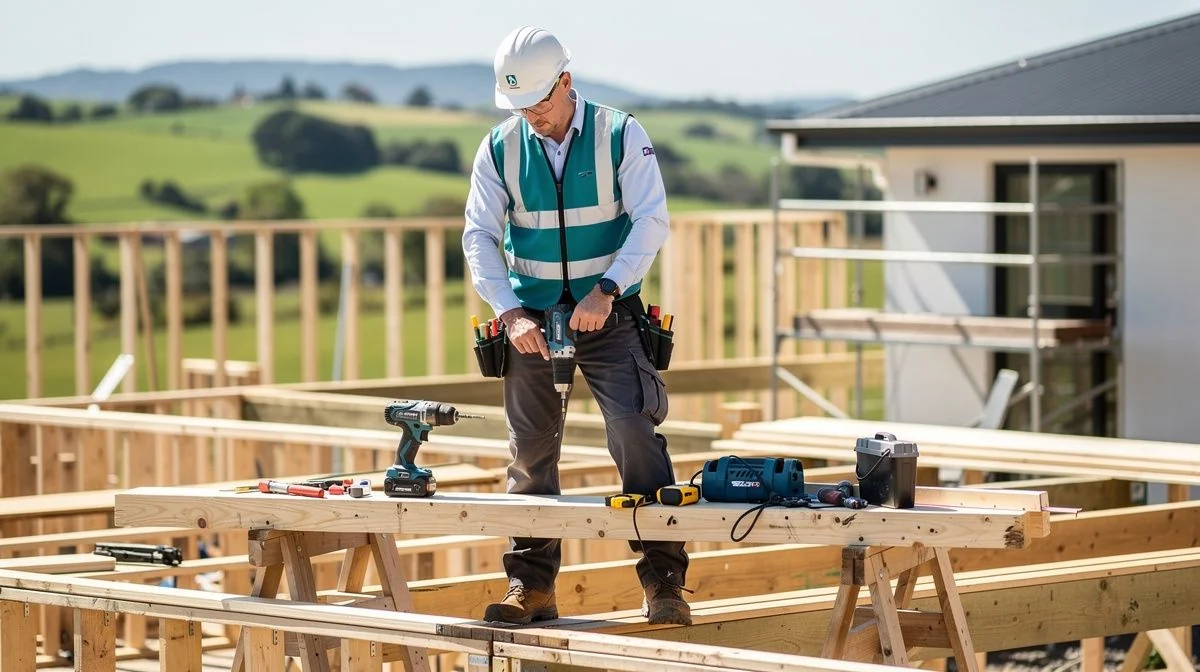
Choosing a Builder in Wairarapa: Why It Pays to Do This Properly
There’s a moment every homeowner in the Wairarapa knows well. You’re standing in your kitchen, looking at the cracked plaster or the leaky window, and you think, “Right, time to get a builder in.” Then you open your phone and suddenly you’re staring at a list of names, a few Google reviews, and a whole lot of uncertainty. It’s one of the biggest decisions you’ll make for your property, and it deserves more than a quick scroll and a hopeful guess.
The Wairarapa has its own rhythm when it comes to building. We’re not Auckland or Wellington, and the way things work here reflects that. Consents move at their own pace, the weather has its own opinions, and the local tradespeople all know each other. It’s a small community in many ways, which can be brilliant when you find the right builder, but it also means you need to do your homework. A bad choice here doesn’t just cost you money; it can leave you stuck in a project that drags on for months longer than it should.
One of the first things you’ll notice is that the council consent timelines in the Wairarapa aren’t always predictable. Some months they’re processing applications quickly, and other times there’s a backlog that stretches out for weeks. Your builder’s relationship with the council matters more than you might think. Someone who knows the local planning team, understands what they look for, and submits a complete application the first time can save you a month or more before a single nail is hammered.
Then there’s the weather. The Wairarapa is famous for its dry, windy summers and its cold, damp winters. That affects building in ways you wouldn’t expect. Concrete needs the right conditions to cure properly. Timber needs to be stored and handled carefully. Painting and plastering have temperature windows that can’t be rushed. A local builder knows all this instinctively because they’ve lived through it. They know that the nor’westers in January can dry things out too fast, and that the frosts in July can halt exterior work completely.
Soil conditions are another local quirk that catches people out. The Wairarapa has a mix of clay, silt, and alluvial soils, and some areas have high groundwater or even liquefaction risk. A builder who’s worked across the region will know which areas need deeper foundations, where you’ll need engineered fill, and when you should be having a geotechnical report done before you even start. That knowledge isn’t just technical; it’s the difference between a foundation that settles nicely and one that cracks within a few years.
Subcontractor availability is a real issue here too. The Wairarapa doesn’t have an endless pool of electricians, plumbers, and gib-stoppers. Good ones get booked out weeks or even months in advance. A builder with strong local relationships will have a reliable crew they work with regularly. That matters because it affects your timeline, your quality, and your budget. If your builder is constantly chasing subcontractors who are double-booked or unreliable, your project will feel the pain.
Labour shortages have been a fact of life in the building industry across New Zealand for a while now, and the Wairarapa is no exception. The best builders are busy, and they’re selective about the projects they take on. That’s actually a good sign in some ways; it means they’re in demand because they do good work. But it also means you need to approach them early and be prepared to wait for a start date that works for both of you.
Local building styles are another consideration. The Wairarapa has a wonderful mix of classic villas and bungalows in towns like Masterton and Carterton, plus modern rural builds and coastal homes around Greytown and Martinborough. A builder who specialises in heritage renovations will understand the quirks of a 1920s villa, like the lack of insulation in the walls, the sash windows that need careful restoration, and the original timber that doesn’t match anything you can buy today. A builder who mostly does new builds might not have that same appreciation for the details that make an older home special.
Renovations in the Wairarapa come with their own set of challenges too. Many homes here were built when standards were different, and opening up a wall can reveal all sorts of surprises. Wiring that doesn’t meet current codes, plumbing that’s been patched together over decades, or timber that’s been affected by moisture. A good local builder will expect these surprises and plan for them. They’ll build contingency into their timeline and their budget, and they won’t panic when something unexpected turns up.
The point is this: choosing a builder in the Wairarapa is about finding someone who understands the local environment, the local council, and the local way of doing things. It’s about finding a person you can talk to honestly about your budget and your vision, and who will give you straight answers in return. It’s a relationship that will last for months, and it deserves to be built on solid ground.
Take your time with this decision. Talk to multiple builders, visit their recent projects, and ask the questions that feel uncomfortable. The right builder will welcome that scrutiny because they’re proud of their work. The wrong builder will make you feel like you’re being difficult. Trust that feeling. Your home, your budget, and your sanity will all thank you for doing this properly.
How Builder Pricing Actually Works in Wairarapa
Let’s talk money, because that’s usually what keeps people up at night. Builder pricing in the Wairarapa isn’t a mystery once you understand how it breaks down, but it can feel like one if you’re going in blind. The first thing to know is that the total cost of any building project is split between materials and labour, and the ratio between them shifts depending on what you’re doing.
For a typical renovation in the Wairarapa, you’re looking at roughly 40 to 50 per cent of the cost going to materials and the rest to labour. That can vary quite a bit though. If you’re doing a high-end kitchen with stone benchtops and premium appliances, materials will take a bigger share. If you’re doing a structural renovation with new foundations and framing, labour will dominate because that work is intensive and requires skilled hands.
In terms of square metre rates, the Wairarapa sits somewhere in the middle of the New Zealand spectrum. You’re not paying Auckland prices, but you’re also not in a rural area where everything is cheap. For a standard renovation, expect to pay somewhere between $2,500 and $4,000 per square metre, depending on the complexity and the quality of finishes. That might sound like a wide range, but it reflects the reality that a simple bathroom refresh is a very different beast from a full kitchen and living area overhaul.
New builds in the Wairarapa are a different story again. A basic, spec-style new home might come in at around $2,800 to $3,500 per square metre. A custom-designed home with architectural input and higher-end fixtures can easily push past $4,500 per square metre. The Wairarapa has seen a lot of new development in recent years, particularly around Carterton and the edges of Masterton, and that demand has kept pricing fairly steady. Local builders aren’t cheap, but they’re also not gouging; they’re just pricing for the reality of materials and labour costs.
Extensions are where things get interesting. Adding a room or a second storey to an existing home often costs more per square metre than a new build because you’re dealing with the complexities of tying into existing structures. You might need to strengthen foundations, reroute services, or match existing materials that are no longer made. In the Wairarapa, where many homes are older and have their own quirks, extension costs can range from $3,000 to $4,500 per square metre.
Recladding is a whole other category. If you’ve got a home that needs its exterior cladding replaced, whether it’s due to weathertightness issues or just age, you’re looking at a high cost. In the Wairarapa, where we get strong sun and drying winds, some cladding materials age faster than they would in other parts of the country. Recladding a typical three-bedroom home can cost anywhere from $80,000 to $150,000, depending on the size and the materials you choose. It’s not glamorous work, but it’s essential for protecting your home.
Local demand plays a big role in pricing too. When the Wairarapa is busy and builders have more work than they can handle, prices tend to creep up. When things slow down, you might find builders more willing to negotiate. It’s a simple supply-and-demand equation, but it’s worth being aware of. If you’re flexible with your timing and can wait a few extra months for a start date, you might get a better price.
Why do quotes vary so much between builders? It’s not always about one builder being more expensive than another. It can come down to how they estimate. Some builders are conservative and build in generous allowances for things like timber prices or unexpected issues. Others quote lean and expect to manage variations as they come up. Neither approach is necessarily wrong, but they produce very different numbers on paper.
You’ll also come across different pricing models. An estimate is exactly what it sounds like; it’s a rough figure based on the information you’ve provided. A fixed-price quote is a binding agreement where the builder commits to a specific number, usually with some conditions around scope. Cost-plus is where you pay for the actual costs of materials and labour, plus a management fee on top. Each has its pros and cons, and the right choice depends on your project and your risk tolerance.
Fixed-price quotes are popular because they give you certainty, but they come with a catch. The builder is taking on the risk that costs might increase, so they’ll often add a buffer to protect themselves. That means you might pay a bit more upfront, but you won’t get nasty surprises later. Cost-plus can be cheaper if the project goes smoothly, but it leaves you exposed if things go wrong. For most homeowners, a fixed-price quote with a clear scope of work is the safest option.
One thing to watch in the Wairarapa is the impact of material costs. Timber, steel, and concrete have all seen price fluctuations in recent years, and those changes can happen between when you get a quote and when your project actually starts. A good builder will include a clause in their contract about how they handle material price increases. Make sure you understand that clause before you sign.
Ultimately, builder pricing in the Wairarapa is about getting what you pay for. The cheapest quote isn’t always the best value, and the most expensive isn’t always the best quality. What you’re really paying for is a builder’s experience, their reliability, and their ability to deliver a finished product that meets your expectations. That’s worth investing in.
Our Trusted Builders
We feature businesses that demonstrate strong performance, proven experience, and consistently positive customer feedback. Some of the providers listed may have commercial relationships with us, but all are selected based on quality and reliability.
To begin, reach out to them and speak with them directly — this helps you explain your job, ask questions, and confirm whether they're the right fit.
Let’s build together! We take pride in turning your vision into reality. Elevate your outdoor living areas and enhance your property’s value with SEBO’s wide range of exterior services. Whether you need expertly crafted decks, retaining walls, fences, pergolas, or driveways, we deliver durable and aesthetically pleasin
How to Compare Quotes Properly (Without Losing Your Mind)
Comparing builder quotes is a bit like comparing apples and oranges sometimes. You get three quotes, and they all look completely different. One is a single page with a total figure. Another is ten pages of line items. The third is somewhere in between. How do you know which one is right for you?
The answer starts before you even ask for quotes. You need a clear scope of work. This is a document that describes exactly what you want done, down to the details. It should include the rooms you’re working on, the materials you want, the fixtures and finishes, and any specific requirements you have. The more detail you can provide, the easier it is to compare quotes because you’re asking each builder to price the same thing.
If you’re not sure how to write a scope of work, that’s okay. You can work with a designer or an architect to put one together, or you can sit down with each builder and talk through your vision. The key is to make sure each builder is pricing the same scope. If one quote includes a new window and another doesn’t, you’re not comparing like for like.
When you’re looking at the quotes themselves, don’t just look at the bottom line. Look at how they’ve broken down their costs. Are the line items detailed and specific? Or is everything lumped together into vague categories? A builder who takes the time to itemise their quote is showing you that they’ve thought carefully about your project. That’s a good sign.
You should also look at what’s not included. Many quotes will have exclusions, and those can be where the surprises hide. Things like demolition, asbestos testing, council fees, and connection charges are sometimes excluded from the initial quote. Ask each builder to explain their exclusions clearly, and factor those into your comparison.
Red flags to watch out for include quotes that are significantly lower than the others. That might sound like a good deal, but it can mean the builder has missed something or is planning to cut corners. It can also mean they’re going to hit you with variations later to make up the difference. A quote that’s suspiciously low is worth questioning.
On the flip side, a quote that’s significantly higher than the others isn’t necessarily a bad thing. It might mean the builder has included more contingency, or they’re planning to use higher-quality materials. Ask them to explain why their quote is higher. A good builder will be able to justify their pricing.
Bait-and-upgrade pricing is a real thing in the building industry. This is where a builder gives you a low quote to win the job, then during the build, they convince you to upgrade various elements. The upgrades all seem reasonable at the time, but they add up quickly. The best defence is to have a detailed scope of work and to insist on sticking to it unless you explicitly approve a change.
Negotiating with builders is possible, but it needs to be done respectfully. Builders in the Wairarapa are busy, and they know their worth. You’re not going to get a 20 per cent discount just by asking. What you can do is ask if there are ways to reduce the cost without compromising on quality. Maybe you can choose a cheaper flooring option, or do some of the demolition yourself, or defer a non-essential part of the project to a later stage.
One practical tip is to ask each builder how they handle variations. A variation is any change to the scope of work after the contract is signed. It could be a change you request, or an unexpected issue that comes up during the build. A good builder will have a clear process for variations, including written approval before any work is done. That protects both of you.
Finally, don’t rush the comparison process. Give yourself time to review each quote carefully, and don’t be afraid to go back to the builders with questions. A builder who is patient and willing to explain their quote is likely to be patient and communicative during the build. That’s exactly the kind of person you want working on your home.
How to Choose the Right Builder in Wairarapa: A Practical Checklist
You’ve done your research. You’ve got your quotes. Now it’s time to make the call. Here’s a practical checklist you can take with you to every meeting with a potential builder. Print it out, tick the boxes, and trust your instincts.
First, check that they’re a Licensed Building Practitioner. This is non-negotiable for any work that requires a building consent. The LBP scheme is run by the Ministry of Business, Innovation and Employment, and it ensures that builders meet minimum competency standards. You can look up a builder’s LBP status online, and you should. It takes two minutes and gives you peace of mind.
Next, ask to see their recent work. A good builder will be proud to show you projects they’ve completed. Ask if you can visit a site where they’re currently working, or at least see photos of finished projects. Pay attention to the quality of the finishes, the attention to detail, and the overall impression. If a builder hesitates or makes excuses, that’s a red flag.
References are another important step. Ask for at least two or three references from recent clients, and actually call them. Ask about the builder’s communication, their reliability, their adherence to budget and timeline, and whether they’d use the builder again. You’ll learn more from a 15-minute conversation with a past client than you will from any website.
Insurance is a must. Ask to see their public liability insurance certificate. This covers you if the builder or their subcontractors cause damage to your property or someone else’s. You should also ask about their insurance for the work itself, like a guarantee or warranty. A reputable builder will have this in place and won’t mind showing you the paperwork.
Read the contract carefully. Every reputable builder will have a written contract that outlines the scope of work, the price, the payment schedule, the timeline, and the process for variations. If a builder wants to work on a handshake and a verbal agreement, walk away. That’s not how professional builders operate.
Check their qualifications and affiliations. Membership in industry bodies like the Master Builders Association or Certified Builders can be a good sign, as these organisations have their own quality standards and dispute resolution processes. It’s not essential, but it adds an extra layer of protection.
Finally, trust your gut. You’re going to be working with this person for months. If something feels off in your first meeting, it’s probably not going to feel better later. The right builder will make you feel confident and comfortable. They’ll answer your questions honestly, they won’t pressure you, and they’ll seem genuinely interested in your project.
Take this checklist to every meeting. Tick the boxes. Compare your notes. And when you find a builder who ticks all the boxes and feels right, you’ll know. That’s the person you want building your home.
Builder Availability in Wairarapa: The Brutal Truth
Let’s be honest about something that nobody likes to talk about. Getting a builder in the Wairarapa isn’t like ordering a pizza. You can’t just call up on Monday and expect them to start on Tuesday. The good ones are busy, and they’re busy for a reason. This is the brutal truth about builder availability in our region.
The Wairarapa has seen a steady stream of building work over the past few years. New subdivisions have sprung up around Carterton and Masterton, renovations are happening across the board, and there’s always a few large projects keeping the biggest firms occupied. That means the most experienced builders are often booked out for months in advance. If you’re hoping to start a project within the next few weeks, you might be out of luck.
Seasonal demand plays a big role too. Spring and summer are the busiest times for building in the Wairarapa. The weather is better, the days are longer, and people want their projects finished before the holidays. If you’re flexible and can start in autumn or winter, you might find builders more available. They’ll still be working, but they’re less likely to have a queue of clients waiting.
Council bottlenecks are another factor. The Wairarapa’s councils, whether you’re dealing with Masterton District Council, Carterton District Council, or South Wairarapa District Council, all have their own processing times for building consents. Some weeks are faster than others, and when there’s a backlog, it can add weeks to your timeline before a builder even gets on site. A good builder will know the current processing times and factor that into their schedule.
Subcontractor shortages make things even trickier. The Wairarapa has a limited pool of electricians, plumbers, roofers, and other specialists. When they’re all booked out, your project can stall even if your main builder has availability. Builders who have strong relationships with reliable subcontractors will manage this better, but it’s still a constraint that affects everyone.
So what can you do about it? The most practical advice is to start early. If you’re thinking about a renovation or a new build, start talking to builders before you’re ready to start. Get your plans drawn up, your consents sorted, and your finances in order. Then approach builders with a clear scope of work and a realistic start date. That makes you an attractive client because you’re ready to go.
Another tip is to be flexible with your timeline. If a builder you really want can’t start for three months, consider whether you can wait. A short delay at the start is often worth it for the quality and reliability you’ll get. Rushing into a project with a builder who’s available immediately but isn’t your first choice can lead to regrets later.
Finally, don’t be afraid to ask builders about their availability upfront. In your first conversation, ask when they could start and what their current workload looks like. A builder who’s honest about their availability is a builder you can trust. One who promises an unrealistic start date might be overcommitting just to win your business.
Common Mistakes Homeowners Make When Hiring a Builder
We’ve all heard the horror stories. A friend of a friend hired a builder who disappeared halfway through the project. A neighbour’s renovation went over budget by 50 per cent. These stories are common, and they usually come down to a few predictable mistakes that homeowners make when hiring a builder. Let’s walk through them so you can avoid the same traps.
The first mistake is choosing the cheapest quote. It’s tempting; we get it. You’ve got a budget, and you want to stick to it. But the cheapest quote is often cheap for a reason. The builder might have missed something, or they’re planning to use lower-quality materials, or they’re going to hit you with variations later to make up the difference. You’re almost always better off paying a fair price for good work than saving a few thousand dollars upfront and paying for it later.
Not checking references is another classic mistake. It’s easy to skip this step, especially if the builder seems nice and has a good website. But a quick phone call to a past client can reveal a lot. Ask about the builder’s communication, their reliability, and whether they stuck to their budget. You’ll be glad you took the time.
A vague scope of work is a recipe for disaster. If you haven’t clearly defined what you want, you can’t expect builders to price it accurately. You’ll end up with quotes that are all over the place, and you’ll have no way to compare them. Take the time to write down exactly what you want, down to the fixtures and finishes. It’s boring work, but it pays off.
Paying too much upfront is a risk that can backfire. Most reputable builders will ask for a deposit, but it should be reasonable, usually around 10 to 15 per cent of the total project cost. If a builder asks for 50 per cent upfront, that’s a red flag. You’re putting yourself in a vulnerable position if the builder runs into financial trouble or disappears.
Making assumptions is another common trap. Homeowners assume that the builder will handle everything, including things that aren’t in the scope of work. Then they’re surprised when they get a variation for something they thought was included. The best way to avoid this is to have everything in writing. If it’s not in the contract, it’s not included.
Changing your mind mid-project is a surefire way to blow your budget. Maybe you see a different tile at the showroom, or you decide you want a bigger window. Every change adds cost and time. That’s not to say you can’t make changes, but you should understand the financial impact before you do. A good builder will give you a variation quote before proceeding, and you should always get that in writing.
Skipping the contingency fund is a mistake that can cause serious stress. Building projects almost always have unexpected costs. Maybe there’s rot in the framing that you didn’t know about, or the ground conditions require deeper foundations than expected. A contingency fund of 10 to 15 per cent of your budget gives you a buffer for these surprises. Without it, you might find yourself scrambling for money halfway through the project.
Real-world examples of these mistakes are everywhere. There’s the couple in Masterton who chose the cheapest quote for their kitchen renovation and ended up with crooked cabinets and a builder who wouldn’t return their calls. There’s the family in Greytown who changed their bathroom layout three times during the build and watched their budget balloon by $20,000. These stories are avoidable. All it takes is a bit of planning, a clear scope of work, and a builder you trust.
Payment Stages and Financial Protections
How you pay your builder is almost as important as who you hire. Payment structures in the building industry follow a fairly standard pattern, but there are variations you should understand before you sign anything. The goal is to protect yourself financially while also being fair to the builder.
Most building contracts use milestone payments. This means you pay a certain amount at specific stages of the project, rather than a lump sum upfront or at the end. Common milestones include the start of work, completion of foundations, completion of framing, completion of the roof, and final completion. Each milestone represents a significant chunk of work, and the payment amount reflects that.
Progress claims are similar but slightly different. A progress claim is a request for payment that the builder submits at regular intervals, often monthly or every few weeks. The claim should detail the work completed during that period and the associated costs. You should review progress claims carefully and only pay for work that has actually been done.
Retentions are an important protection for you as the homeowner. A retention is a portion of each payment, usually 5 to 10 per cent, that you hold back until the project is complete. This gives you leverage if there are issues at the end of the build, like unfinished work or defects that need fixing. Once everything is done and you’re satisfied, you release the retention.
Variations are changes to the scope of work, and they need to be handled carefully. Every variation should be documented in writing, with a clear description of the change, the cost, and the impact on the timeline. You should approve variations in writing before the builder proceeds. This protects both of you and prevents disputes later.
So what’s normal versus risky? A deposit of 10 to 15 per cent is normal. Anything more than that is worth questioning. Milestone payments that align with actual progress are normal. Paying for work that hasn’t been done yet is risky. A builder who asks for full payment upfront is a huge red flag, and you should walk away.
Reputable builders in the Wairarapa will have a clear payment schedule in their contract. They’ll explain it to you before you sign, and they’ll stick to it. They won’t ask for more money than the contract allows, and they’ll provide documentation for every payment. If a builder is vague about payments or tries to change the terms mid-project, that’s a warning sign.
You should also be aware of the Construction Contracts Act. This legislation sets out the rules for payment in construction contracts, including the process for progress claims and the consequences of non-payment. It’s designed to protect both parties, and understanding its basics can help you navigate any disputes.
Finally, consider whether you need a solicitor to review your contract before you sign. It’s an extra cost, but it can save you a lot of trouble if something goes wrong. A solicitor can spot unfair terms, clarify your obligations, and make sure you’re protected. For a project worth tens of thousands of dollars, that’s money well spent.
Guarantees, Insurance and Compliance: The Legal Stuff
Nobody likes reading the fine print, but when it comes to building work, the legal stuff matters. Understanding guarantees, insurance, and compliance will protect you if things go wrong. Let’s break it down in plain English.
First, the Licensed Building Practitioner requirement. Any builder doing work that requires a building consent must be a licensed building practitioner. This is a legal requirement, and it’s your first line of protection. An LBP has demonstrated their competence and is accountable to the scheme. If a builder isn’t an LBP, they shouldn’t be doing work that requires a consent, and you shouldn’t hire them.
Industry memberships like the Master Builders Association or Certified Builders offer additional guarantees. Master Builders, for example, provides a guarantee on work done by their members, often covering structural defects for several years. These guarantees are valuable because they give you recourse if something goes wrong after the build is complete. Not all builders are members, but those who are have committed to quality.
Public liability insurance is non-negotiable. This covers you if the builder or their subcontractors cause damage to your property or injure someone while working. You should ask to see a copy of their policy and verify that it’s current. If a builder doesn’t have public liability insurance, you’re exposing yourself to significant financial risk.
Workmanship warranties are another layer of protection. Most reputable builders will warrant their work for a period of time, often 12 months for minor defects and longer for structural issues. This means if something goes wrong due to poor workmanship, they’ll come back and fix it at no cost to you. Make sure your contract includes a warranty and understand what it covers.
Building consent obligations are a legal requirement that you and your builder must follow. If your project requires a building consent, it must be obtained before work starts. The consent process involves submitting plans and specifications to the council, having them reviewed, and getting approval. The builder is responsible for ensuring the work complies with the consent, and the council will conduct inspections at various stages.
Your responsibilities as the homeowner are also important. You need to ensure the builder has the necessary approvals, that you understand the contract, and that you make payments on time. You also need to be available for inspections and to make decisions when needed. Building is a partnership, and both sides have obligations.

Timeline Expectations: How Long Things Actually Take
How long will your project take? It’s one of the first questions homeowners ask, and it’s one of the hardest to answer with certainty. Building projects are subject to all sorts of variables, and timelines can shift. But there are some general expectations that can help you plan.
A typical bathroom renovation in the Wairarapa takes about three to four weeks. That includes demolition, plumbing and electrical work, installation of new fixtures, tiling, and finishing. If you’re moving walls or changing the layout, add another week or two. A kitchen renovation is similar, usually four to six weeks, depending on the complexity.
A full house renovation, where you’re updating multiple rooms, can take anywhere from three to six months. That assumes you’re not changing the structure significantly. If you’re adding an extension, you’re looking at four to eight months from start to finish. A new build, depending on the size and complexity, typically takes eight to fourteen months.
These are rough estimates, and they can vary significantly. What causes delays? Weather is a big one in the Wairarapa. Heavy rain can halt exterior work, and extreme heat can affect certain materials. Council inspections need to be booked in advance, and if they’re delayed, your project waits. Material delays are another factor, especially if you’ve chosen something that needs to be ordered from overseas.
Variations are a major cause of timeline slippage. Every time you change something, it adds time. The more changes you make, the longer the project takes. The best way to stay on schedule is to finalise your decisions before work starts and stick to them.
Communication with your builder is key to managing timelines. A good builder will give you a realistic schedule at the start and keep you updated on progress. If delays happen, they’ll tell you early and explain why. That transparency helps you adjust your expectations and plan accordingly.
Be realistic about your timeline. Building projects rarely finish early, and they often run a bit late. If you’re planning a renovation before a major event or a new baby arrives, build in a buffer. Assume it will take longer than you hope, and you’ll be pleasantly surprised if it doesn’t.
Communication and Project Management: The Glue That Holds It Together
Building projects are as much about communication as they are about construction. A builder who communicates well can make the process smooth and enjoyable. A builder who doesn’t can turn your life into a nightmare. The difference comes down to project management.
Good builders have a system for communication. They’ll give you regular updates, whether that’s a weekly email, a phone call, or a quick chat when you visit the site. They’ll tell you what’s been done, what’s happening next, and any issues that have come up. They won’t wait for you to ask; they’ll keep you informed proactively.
Managing expectations is a big part of this. A good builder will be honest with you about what’s realistic. They’ll tell you if your budget is too tight for your vision, or if your timeline is optimistic. They’ll set expectations early and manage them throughout the project. That honesty might be uncomfortable at first, but it’s far better than finding out the hard way later.
Most builders will use a project management approach, even if they don’t call it that. They’ll have a schedule, a list of tasks, and a process for coordinating subcontractors and materials. They’ll track progress against the schedule and flag any potential delays. This structure is what keeps the project moving and prevents things from falling through the cracks.
Disputes often arise from miscommunication. A homeowner expects one thing, the builder delivers another, and nobody talked about it. The best way to avoid this is to have regular check-ins and to document everything. If there’s a change, write it down. If there’s a decision, record it. This creates a clear record of what was agreed, and it prevents arguments later.
Real examples of good communication make a difference. There’s a builder in Carterton who sends a photo update every Friday afternoon, showing what was accomplished that week. His clients love it because they feel involved even when they can’t visit the site. There’s another builder in Masterton who holds a quick stand-up meeting every Monday morning with the homeowner, going through the week ahead. These small touches build trust and make the process much more pleasant.
If you’re not getting good communication from your builder, say something. It’s your project, and you have a right to know what’s happening. A good builder will appreciate the feedback and adjust. If they don’t, that’s a sign that they’re not the right fit for you.
The Consent Pathway: A Simple Overview
Building consent can feel like a maze, but it’s actually a straightforward process once you understand the steps. Let’s walk through it in plain English, from start to finish.
First, you need to know whether your project requires a building consent. Most significant building work does. That includes new builds, extensions, structural changes, and some renovations. Minor work, like replacing a window or installing a new bathroom vanity, is often exempt. Your builder or a designer can help you determine what applies to your project.
If you need a consent, the process starts with plans and specifications. You’ll work with a designer or architect to create detailed drawings of what you want to build. These plans need to show compliance with the Building Code, which sets out the minimum standards for things like structure, fire safety, and insulation.
Once your plans are ready, you submit them to your local council. In the Wairarapa, that’s Masterton, Carterton, or South Wairarapa District Council, depending on where you live. The council reviews your plans to ensure they comply with the Building Code and any local planning rules. This review typically takes a few weeks, though it can be longer if there are issues.
Resource consent is a separate process that applies to some projects. It’s about the effect of your building on the environment and your neighbours. Resource consent covers things like setbacks, height limits, and land use. Not every project needs one, but if yours does, it adds time to the process. Your designer or builder can advise you on whether this applies.
Engineering reports are sometimes required, especially in the Wairarapa where soil conditions vary. If your site has poor ground conditions, a steep slope, or is in a flood-prone area, you might need a geotechnical report. This involves a soil specialist assessing the ground and recommending appropriate foundations. It’s an extra cost, but it’s essential for a safe build.
Once your consent is approved, work can begin. But that’s not the end of the council’s involvement. They’ll conduct inspections at key stages of the build, like foundations, framing, insulation, and final completion. You or your builder will book these inspections, and they need to be passed before work can continue.
When the work is complete, the council will issue a Code Compliance Certificate. This is official confirmation that your building work complies with the consent and the Building Code. You’ll need this if you ever sell your home, so it’s important to get it.
The whole process can feel bureaucratic, but it exists to protect you. It ensures that buildings are safe, healthy, and durable. A good builder will manage the consent process for you, keeping track of inspections and paperwork so you don’t have to.
Wairarapa-Specific Building Challenges
Building in the Wairarapa comes with its own set of challenges that you won’t necessarily face elsewhere in New Zealand. Understanding these before you start will save you time, money, and frustration. Let’s get into the details.
Weather is the first challenge that comes to mind. The Wairarapa is one of the sunniest and driest regions in the country, but that brings its own issues. The strong nor’west winds can dry out concrete and plaster too quickly, leading to cracking. Builders need to manage curing times carefully, sometimes covering fresh concrete or working in the early morning before the heat builds up. In winter, frosts can halt exterior work, and the cold, damp conditions can affect painting and sealing.
Soil conditions are another significant factor. The Wairarapa sits on a mix of soil types, including clay, silt, and alluvial deposits from the rivers that flow through the region. Clay soils are particularly problematic because they expand when wet and shrink when dry, which can cause foundations to shift. If you’re building on clay, you’ll need engineered foundations that can handle that movement. In some areas, particularly near rivers, there’s also a risk of liquefaction in a major earthquake. That requires additional engineering and can add high cost to your project.
Sloping sites are common in parts of the Wairarapa, especially around Greytown and the foothills of the Tararuas. Building on a slope requires careful planning for foundations, drainage, and access. It can also limit your design options and increase construction costs. A builder with local experience will know how to handle these sites and can advise you on the best approach.
Coastal exposure is a concern for homes near the coast, like those around Lake Ferry or Riversdale Beach. Salt air is corrosive and can affect building materials, especially metals. Windows, roofing, and fixings all need to be specified for coastal conditions. A local builder will know what’s required and will choose materials that can withstand the salt.
Heritage overlays are a consideration in some Wairarapa towns. Greytown, in particular, has a strong heritage character, with many original buildings from the 1800s. If your property is in a heritage area, there may be restrictions on what you can do. You might need to preserve original features, use specific materials, or maintain the character of the streetscape. This can add complexity and cost to a renovation, but it’s also what makes these towns so special.
Local building style quirks are something you’ll notice if you spend time looking at homes in the Wairarapa. There are many classic villas and bungalows with high stud, wooden floors, and character details. Renovating these homes requires a different approach than working with modern construction. You need to be careful with original features, match materials where possible, and work around the quirks of older construction. A builder who specialises in this type of work is worth their weight in gold.
Council processing times are another local challenge. The Wairarapa has three district councils, and each has its own processes and timelines. Some are faster than others, and processing times can vary depending on the time of year and the workload. A local builder will know how to navigate each council and will have relationships that can help smooth the process.
Subcontractor availability is a challenge across the region. The Wairarapa doesn’t have the depth of tradespeople that you’d find in a larger city. Good electricians, plumbers, and roofers are in high demand, and they can be booked out weeks in advance. This can affect your timeline, especially if you need multiple trades at the same time. A builder with strong local relationships will manage this better than someone who’s new to the area.
Finally, there’s the issue of materials. While you can get most building materials in the Wairarapa, some specialist items need to be ordered from Wellington or further afield. This can add lead time to your project, especially if you’re using premium or imported products. A good builder will factor this into their schedule and order materials well in advance.
These challenges aren’t insurmountable, but they need to be planned for. A builder who understands Wairarapa’s unique conditions will build them into their estimate, timeline, and approach. That local knowledge is one of the most valuable things you can get when you hire a builder.
Builder Types and Which One You Need
Not all builders are the same, and the type of builder you choose should match the type of project you’re doing. Here’s a rundown of the different types of builders you’ll find in the Wairarapa and which one is right for you.
Renovation specialists are builders who focus on updating and improving existing homes. They understand the quirks of older construction, they’re comfortable working around existing structures, and they know how to handle the surprises that come with renovation work. If you’re updating a villa in Greytown or adding a bathroom to a bungalow in Masterton, a renovation specialist is a good choice.
New-build companies are builders who focus on constructing new homes from the ground up. They’re experienced in the full process, from foundations to finishing, and they often have established relationships with subcontractors and suppliers. If you’re building a new home in a subdivision outside Carterton, a new-build company is a solid option.
Recladding specialists are a niche but important group. Recladding a home is a specific type of work that requires careful attention to weathertightness and moisture management. A specialist will know the different cladding options, understand the requirements for cavity systems, and have experience with the inspection process. If your home needs recladding, this is the type of builder you want.
Design-and-build firms offer a complete package. They have designers and architects on staff, so you can work with them from the initial concept through to completion. This can simplify the process because you have one point of contact and one team managing everything. It’s a good option if you want a seamless experience and don’t want to coordinate separate designers and builders.
Small independents are builders who work on their own or with a small team. They often take on a mix of projects, from small renovations to new builds. They offer a personal touch, and you’ll often deal directly with the person doing the work. They can be more flexible and responsive, but they might not have the capacity for very large projects.
Large companies have bigger teams and can take on multiple projects at once. They often have more resources, better systems, and more backup if someone is sick or leaves. They’re a good choice for large, complex projects that need a lot of coordination. The downside is that you might not get as much personal attention, and your project could be managed by a site supervisor rather than the owner.
Project-management-led firms are a newer model where the company manages the project but subcontracts the actual building work. They coordinate the trades, manage the schedule, and handle the paperwork. This can work well if you want a single point of contact, but it adds a layer of management, and you need to make sure the subcontractors are vetted.
So which one do you need? It depends on your project. A small renovation might be best suited to a small independent or a renovation specialist. A new build might be better with a new-build company or a design-and-build firm. A complex project with lots of coordination might benefit from a larger company. The key is to match the builder’s strengths to your project’s needs.
How to Prepare for Your First Meeting With a Builder
Your first meeting with a builder sets the tone for the entire project. It’s your chance to make a good impression, get your questions answered, and determine whether this is the right fit. Preparation is key. Here’s how to make the most of that meeting.
First, bring your documents. This includes any plans or sketches you have, a list of your priorities, and an idea of your budget. If you have photos of things you like, whether that’s a kitchen style or a bathroom layout, bring those too. The more information you can share, the better the builder can understand your vision.
Have a clear idea of what you want to achieve. Write down your goals for the project. Do you want more space? Better functionality? A more modern look? Being clear about your objectives helps the builder understand what you’re trying to achieve and how they can help.
Know your budget, and be honest about it. You don’t have to share your exact number if you’re not comfortable, but you should have a range in mind. A good builder will work with you to find solutions that fit your budget. If you’re vague about what you can afford, you might end up with a design that’s out of reach.
Prepare your questions. Ask about their experience with similar projects, their availability, their process, and their communication style. Ask about timelines and how they handle variations. Ask for references and examples of their work. The more questions you ask, the more you’ll learn.
Be ready to describe your vision in a way that’s easy to understand. You don’t need to be an architect, but you should be able to explain what you want. Use plain language and be specific. Instead of saying “I want a nice kitchen,” say “I want a kitchen with a large island, plenty of storage, and a modern look.” That gives the builder something to work with.
Watch for red flags during the meeting. A builder who doesn’t listen, who dismisses your ideas, or who seems vague about costs is a warning sign. A builder who pressures you to sign quickly or who makes promises that seem too good to be true is also a concern. Trust your instincts. If something feels off, it probably is.
Finally, take notes during the meeting. You’ll be talking to multiple builders, and it’s easy to mix them up. Write down the key points from each conversation, including their initial impressions, their availability, and any concerns they raised. This will help you compare them later.

Best Builders for Different Project Types in Wairarapa
Different projects require different skills, and finding the right builder for your specific type of work is crucial. Here’s a guide to which types of builders are best suited for different projects in the Wairarapa.
For villa renovations, you want a builder who understands heritage construction. Villas have high stud, timber floors, and character details that need careful handling. Look for a builder who has experience with older homes and who appreciates the value of preserving original features. They should know how to work with existing materials and how to integrate modern services without damaging the character of the home.
Extensions are a different challenge. You’re adding to an existing structure, which means you need a builder who understands how to tie into existing foundations, walls, and roofs. They need to manage the transition between old and new and ensure the extension is structurally sound. Look for a builder with experience in this type of work and a track record of successful extensions.
Recladding requires a specialist. This is a specific skill that involves removing old cladding, checking the underlying structure, and installing new cladding with proper moisture management. Look for a builder who has done recladding projects before and who understands the importance of weathertightness. Ask to see examples of their recladding work and check their references carefully.
New builds are best handled by builders who do this type of work regularly. They’ll have established relationships with subcontractors, a clear process for managing the build, and experience with the consent process. Look for a builder who has completed new builds in the Wairarapa and who can show you examples of their work.
Architectural projects, where you’re working with an architect on a custom design, require a builder who can interpret complex drawings and work to high standards. These projects often involve unique materials, detailed finishes, and tight tolerances. Look for a builder who has experience with architectural projects and who can demonstrate the level of craftsmanship required.
Small jobs, like a bathroom renovation or a deck, can be handled by a range of builders. A small independent might be a good fit because they’re flexible and can take on smaller projects. A larger company might not be interested in a job that’s too small. Look for a builder who is willing to take on your project and who has experience with similar work.
Coastal builds, around places like Lake Ferry or Riversdale Beach, require builders who understand coastal conditions. They need to specify materials that can withstand salt air and moisture, and build in a way that protects the home from the elements. Look for a builder with coastal experience and a portfolio of coastal projects.
Rural builds, on lifestyle blocks or farms, come with their own challenges. Access can be tricky, services might be limited, and you might need to work around farming operations. Look for a builder who is comfortable working in rural settings and who understands the unique requirements of these projects.
The key is to find a builder whose experience matches your project type. Don’t hire a new-build specialist for a heritage villa renovation, and don’t hire a renovation specialist for a complex new build. Match the builder to the job, and you’ll get the best results.
What Builders Wish Their Clients Knew
Builders have a perspective that homeowners rarely hear. They see the good, the bad, and the ugly of building projects, and they have some things they wish their clients understood. Here’s a glimpse into what builders want you to know.
Good work costs more. It’s that simple. A builder who takes pride in their work, uses quality materials, and stands behind their craftsmanship will charge more than someone who rushes through projects. That extra cost is an investment in your home. You’ll appreciate it when your build stands the test of time and doesn’t need repairs a few years down the track.
Timelines slip for reasons beyond our control. Builders want to finish on time, but they can’t control the weather, material delays, or unexpected issues that come up during the build. When a timeline slips, it’s rarely because the builder is lazy. It’s usually because something happened that was out of their hands. Patience and understanding go a long way.
Indecision costs money. Every time you change your mind, it adds time and cost to the project. Builders wish their clients would make decisions early and stick to them. If you’re unsure about something, take the time to decide before the work starts. Once it’s underway, changes are expensive.
Paying on time matters. Builders have bills to pay just like anyone else. They have subcontractors to pay, materials to buy, and wages to meet. When clients delay payments, it creates stress and can affect the builder’s ability to keep the project moving. Paying on time is a sign of respect and keeps the relationship positive.
Fixed-price needs full design. If you want a fixed-price quote, you need to have a complete design with all the details specified. You can’t expect a fixed price when you haven’t decided on your fixtures, finishes, and layout. The more detail you provide, the more accurate the quote can be.
Builders are people too. They take pride in their work, and they want you to be happy with the result. They appreciate clients who are respectful, communicative, and reasonable. A good relationship between builder and client makes the whole process smoother and more enjoyable for everyone.
Finally, builders wish their clients would trust them. They’re professionals who do this every day. They know what works, what doesn’t, and what’s realistic. When clients trust their builder’s advice, the project tends to go better. That doesn’t mean you shouldn’t ask questions, but it does mean you should listen to the answers.
How to Get the Best Results from Your Build
You’ve hired your builder, you’ve signed the contract, and the work is about to start. Now what? Getting the best results from your build is about more than just hiring the right person. It’s about how you work with them throughout the project. Here’s how to set yourself up for success.
Prepare your brief thoroughly. Before work starts, make sure your scope of work is detailed and complete. Include everything you want, from the big things like layout and materials to the small things like light switches and door handles. The more detail you provide, the fewer surprises there will be.
Choose materials early. Don’t leave decisions about tiles, benchtops, paint colours, or fixtures until the last minute. These decisions need to be made before the work reaches that stage. If you’re unsure, visit showrooms early and get advice from your builder or designer. Making decisions early keeps the project moving.
Avoid indecision. Once you’ve made a decision, stick with it. Changing your mind is expensive and time-consuming. If you’re tempted to change something, think carefully about whether it’s worth the cost and delay. Often, it’s not.
Manage variations carefully. If you do need to make a change, go through the proper process. Ask your builder for a variation quote, approve it in writing, and understand the impact on cost and timeline. This protects both you and your builder and prevents disputes.
Keep the project moving. Be available when your builder needs you. Respond to questions quickly, make decisions promptly, and pay invoices on time. The faster you respond, the faster the project progresses. A build that’s waiting on the homeowner is a stalled build.
Avoid disputes. Building projects can be stressful, and disagreements can arise. The best way to avoid disputes is to communicate openly and honestly. If you have a concern, raise it early before it becomes a big issue. Most problems can be resolved with a conversation.
Stay involved. Visit the site regularly, even if it’s just for a quick look. Ask questions about what you’re seeing. Show interest in the work. Builders appreciate clients who are engaged, and it helps you stay informed about the progress.
Finally, be patient. Building takes time, and there will be moments when it feels like nothing is happening. Trust the process, trust your builder, and keep your eye on the end result. The finished product will be worth the wait.
Frequently Asked Questions
How much does a renovation cost in Wairarapa?
Renovation costs in the Wairarapa vary widely depending on the scope of work. A simple bathroom renovation might cost $25,000 to $40,000, while a full kitchen renovation could be $40,000 to $70,000. A whole-house renovation can range from $100,000 to $300,000 or more, depending on the size of the home and the quality of finishes. Per square metre, you’re looking at roughly $2,500 to $4,000 for renovation work. The best way to get an accurate figure is to have a clear scope of work and get quotes from multiple builders.
How long do building consents take in Wairarapa?
Building consent processing times in the Wairarapa vary depending on the council and the time of year. On average, you can expect a straightforward consent to be processed in two to four weeks. More complex projects, or ones that require additional information, can take longer. During busy periods, there might be a backlog that extends the wait. Your builder or designer will have a good sense of current processing times and can factor that into your timeline.
What is the difference between an estimate and a fixed-price quote?
An estimate is a rough figure based on the information available at the time. It’s not binding, and the final cost could be higher or lower. A fixed-price quote is a binding commitment from the builder to complete the specified work for that price. Fixed-price quotes are more reliable, but they often include a buffer to protect the builder from cost increases. For most homeowners, a fixed-price quote with a clear scope of work is the safer option.
How do I avoid budget blowouts?
The best way to avoid budget blowouts is to have a detailed scope of work, get fixed-price quotes, and build in a contingency fund of 10 to 15 per cent. Avoid making changes mid-project, as variations are a major source of cost increases. Choose your materials early and stick with your decisions. Finally, work with a reputable builder who provides regular updates and transparent pricing.
What guarantees should I ask for?
You should ask for a workmanship warranty, which covers defects in the builder’s work for a specified period, typically 12 months for minor issues and longer for structural problems. If your builder is a member of an industry association like Master Builders or Certified Builders, they may offer additional guarantees. You should also ensure your builder has public liability insurance to cover any damage or injury during the build.
Should I get multiple quotes?
Yes, you should get at least three quotes from different builders. This gives you a sense of the market rate and helps you compare approaches. However, don’t just compare the bottom line. Look at the details of each quote, including the scope of work, the materials specified, and the exclusions. The cheapest quote isn’t always the best value, and the most expensive isn’t always the best quality.
What if something goes wrong during the build?
If something goes wrong during the build, the first step is to talk to your builder. Most issues can be resolved with a conversation. If you can’t resolve it directly, check your contract for a dispute resolution process. Industry associations like Master Builders have their own dispute resolution procedures. As a last resort, you can seek legal advice or make a complaint to the appropriate authority. The key is to act early and document everything.

The ValueHub Team built this site because finding clear, unbiased financial information in New Zealand was harder than it should be. Every guide is based on real research — we compare the actual fees, terms, and fine print so you don't have to. Our tip: shop around every year, read the policy docs, and never assume loyalty gets you the best deal.— The ValueHub Team
Try our Calculators
Use these free tools to crunch the numbers:
KiwiSaver Fund Comparison
Compare fees, returns, and risk levels across every KiwiSaver fund from all 31 NZ providers.
Currency Converter — USD to NZD
Convert US Dollars to New Zealand Dollars instantly. See the latest exchange rate and 30-day trend.
Mortgage Repayment Calculator
Calculate your weekly, fortnightly, or monthly mortgage repayments. Free NZ mortgage calculator — try different rates, terms, and repayment frequencies.
Compound Interest Calculator
See how your savings grow with compound interest over time. Free NZ compound interest calculator with yearly, monthly, and weekly compounding options.
Term Deposit Calculator
Calculate your term deposit returns before you lock in. Compare interest earned across different terms and rates with ValueHub's free calculator.
Savings Goal Calculator
Calculate how long it will take to reach your savings goal — and what monthly deposit you need to get there. Free NZ savings planner.
Builders in Other Cities
Latest Guides & Reviews
New Zealand Financial Markets Authority Guide: Investor Protection in NZ
Protect your investments with this practical guide to the FMA — how to check licences, spot scams, and what to do if a provider fails. Verified against...
comparisonEV Home Charger NZ: Costs & Buying Guide
Compare EV home charger costs in NZ — verified prices from $1,299, installation fees, smart features, and what actually matters for your home's power supply.
guideThe Most Popular EVs in New Zealand
The best-selling electric cars in New Zealand, ranked by official registration data. Top BEV and PHEV models and brands, updated monthly.
guideEV Market Stats
New Zealand's EV market in numbers — market share, fleet size, top-selling models and used imports, updated with the latest NZTA and MIA data.