Best Builders in Wanaka
Published 08 August 2026 · Updated 18 August 2026
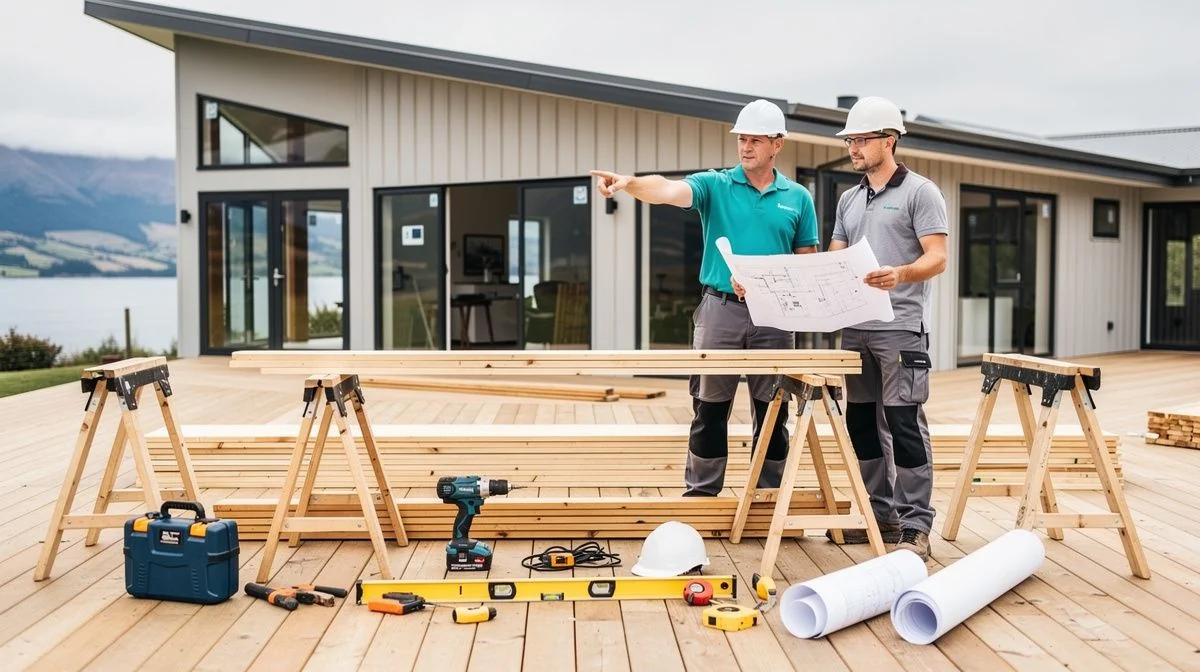
Choosing a Builder in Wanaka: Why It Pays to Do This Properly
Picking a builder is one of the biggest decisions you will make with your home, and in Wanaka it carries a bit more weight than it does in most other places. This is a town where the building industry operates on its own rhythm. The mountains might be pretty, but they also create a unique set of challenges that directly affect how your build plays out. You can't just grab the first name off a directory and hope for the best.
The reality is that Wanaka's building market has been running hot for years. There is a finite pool of skilled tradespeople in the region, and they get booked out months, sometimes over a year, in advance. If you approach this casually, you will find yourself at the back of a very long queue. That alone should tell you that choosing a builder requires serious thought, not just a quick Google search and a hopeful phone call.
Then there is the council consent timeline. Queenstown Lakes District Council handles consents for both Wanaka and Queenstown, and they have a reputation for being thorough. That is a polite way of saying things can move slowly. A well-connected local builder who knows exactly what the council expects, who has submitted dozens of applications, and who understands the local planning rules will save you weeks of frustration. An out-of-town builder or a newcomer to the region might not have that institutional knowledge.
Wanaka's weather also plays a bigger role than people expect. The winters are cold and frosty, and the summers bring sudden afternoon nor'westers that can shut down a site for days at a time. Concrete pours get delayed, roofing work gets postponed, and exterior painting has to wait for the right conditions. A builder who has worked through a few Wanaka winters knows how to schedule around the weather rather than fighting it. They will have contingency plans built into their programme, so you are not left wondering why nothing seems to be happening.
Soil conditions here are another factor that catches people off guard. Wanaka sits on a mix of alluvial gravels, clay, and in some areas, groundwater that sits surprisingly close to the surface. That affects everything from foundation design to drainage. A local builder will have seen the engineers' reports for dozens of sites across the region and will know which geotech consultants produce workable solutions and which ones cause endless headaches. That experience is gold.
Labour shortages are a constant theme in Wanaka. The town simply does not have enough carpenters, plumbers, and electricians to meet demand. Good builders have long-standing relationships with reliable subcontractors. They look after those relationships, which means their crew actually turns up when promised. A builder who is constantly scrambling to find trades will leave your project stalled for weeks at a time while you watch the calendar tick by.
You also need to think about the local building style. Wanaka has its own architectural vernacular. Think schist stone cladding, dark-coloured cedar, flat roofs, and large glazing that frames the mountain views. If you want your home to fit in with that aesthetic, you need a builder who has actually built in this style before, not someone who has only worked on standard suburban houses elsewhere. The detailing is different, and the materials require specific knowledge.
Renovations in Wanaka come with their own quirks too. Many of the older homes in the town centre were built as simple holiday baches, with minimal insulation and basic construction methods. Bringing those up to modern standards requires a builder who understands old-school building techniques and how to retrofit them without destroying the character that made you love the place in the first place.
Finally, there is the simple matter of accountability. A builder who has worked in Wanaka for years has a reputation to protect. They are going to be here long after your project finishes. They know they will run into you at the supermarket, at the school gate, or at the local pub. That social accountability is a powerful motivator to do a good job. A fly-by-night operator who is just passing through does not have that same pressure.
So yes, choosing a builder in Wanaka takes effort. It takes research, site visits, reference checks, and honest conversations about money and timelines. But it is worth every minute of that effort. The difference between a great build and a nightmare build almost always comes down to the person holding the hammer. Get this decision right, and the rest of the process becomes infinitely more manageable.
How Builder Pricing Actually Works in Wanaka
Let's talk money, because that is usually the first question on everyone's mind. Builder pricing in Wanaka isn't a simple per-square-metre figure you can plug into a spreadsheet. It is a complex mix of labour rates, material costs, local demand, and the specific details of your project. Understanding how it all fits together will save you from some serious sticker shock down the line.
Labour rates in Wanaka sit at a premium compared to the rest of the country. The cost of living in the region is high, and builders need to pay their staff enough to actually afford to live here. You are typically looking at hourly rates that reflect that pressure. When you see a quote that seems significantly cheaper than the others, ask yourself how the builder is managing to pay skilled workers a fair wage. There is usually a catch somewhere.
For new builds, you are generally looking at a range of around $2,500 to $4,500 per square metre for a standard spec home. That is a broad range, but it depends heavily on the level of finish. A basic plasterboard-and-carpet house with a simple roof will come in at the lower end. A home with schist cladding, timber ceilings, designer joinery, and high-end fixtures will push towards the upper end and sometimes beyond. Architectural homes with complex geometry can easily exceed that range.
Renovations are a different beast entirely. You might pay anywhere from $1,500 to $3,000 per square metre for a straightforward renovation, but that figure can blow out significantly if you are moving walls, upgrading services, or dealing with unexpected surprises behind the walls. In Wanaka, many older homes have had DIY additions and alterations over the years that do not meet current code. Uncovering those issues mid-renovation is common, and it costs money to fix them properly.
Extensions sit somewhere in between. The cost per square metre for an extension is often higher than a new build because you are working around an existing structure. There is additional complexity in tying the new work into the old, matching rooflines, and ensuring the existing services can handle the extra load. In Wanaka, you might pay $3,000 to $4,500 per square metre for a quality extension, depending on the complexity.
Recladding is a category that has become increasingly common in Wanaka. Many homes built in the 1990s and 2000s are now reaching the point where their original cladding needs replacing. A full reclad can cost anywhere from $150,000 to $400,000 depending on the size of the home and the choice of new cladding material. This is a job where the builder's experience really matters, as getting the weatherproofing details wrong can lead to serious moisture issues down the track.
Local demand has a direct impact on pricing. When the Wanaka market is booming, builders are busy, and they can afford to be selective about the projects they take on. That means prices tend to creep upwards. When the market cools, you might find builders more willing to negotiate. Timing your project to align with market conditions can save you real money, though it is hard to predict exactly when those shifts will happen.
Why do quotes vary so much between builders? The answer comes down to how each builder estimates their costs. One builder might use a detailed take-off of every material and hour of labour. Another might use a rough per-square-metre figure based on similar past projects. One might include contingencies for weather delays and council hold-ups, while another assumes everything will go perfectly. These differences can easily account for a 20 to 30 percent variation between quotes for the same project.
You will also encounter different pricing models. An estimate is exactly what it sounds like — a rough guess at what the project might cost. It is not binding, and the final bill can be significantly higher. A fixed-price quote is a binding agreement where the builder commits to completing the work for a set amount, provided the scope does not change. This gives you certainty, but builders will often pad the price to protect themselves against unknowns. Cost-plus is where you pay the actual cost of materials and labour plus a percentage on top for the builder's margin. This is transparent but puts the risk of cost overruns on you.
In Wanaka, fixed-price quotes are common for new builds where the design is fully detailed. For renovations, you will often find builders more reluctant to commit to a fixed price because of the unknowns involved. They might offer a cost-plus arrangement or a fixed price with a generous contingency built in. Either way, make sure you understand exactly what model you are agreeing to before you sign anything.
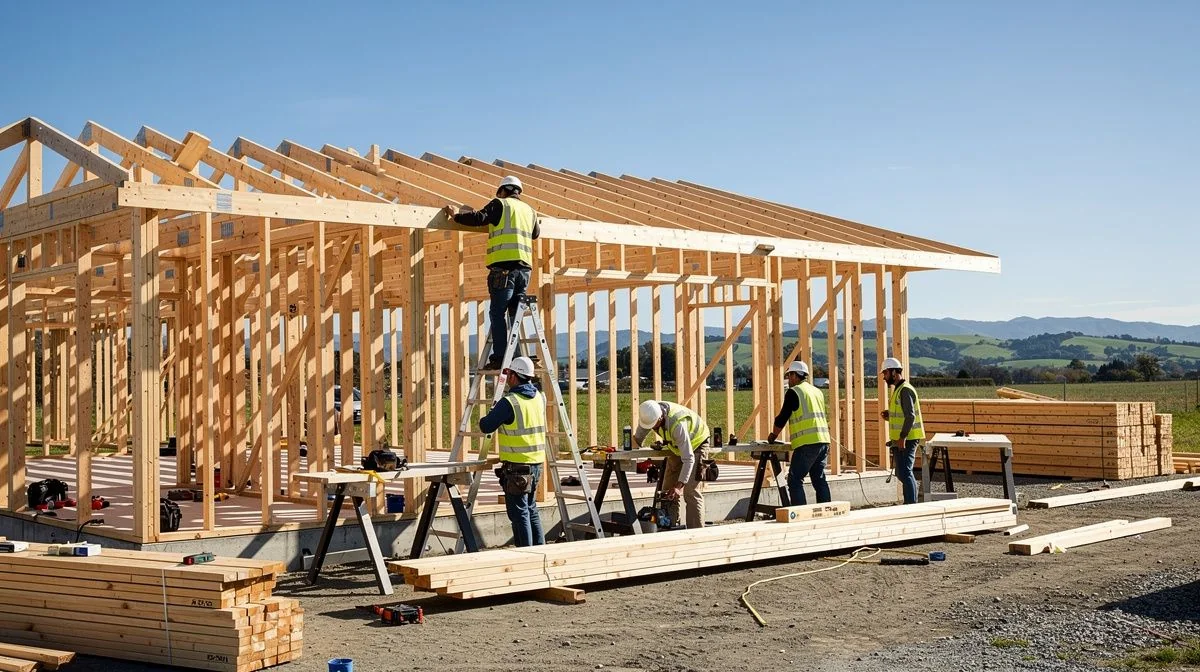
How to Compare Quotes Properly (Without Losing Your Mind)
Comparing builder quotes is one of those tasks that sounds straightforward but quickly becomes overwhelming. You have three or four documents in front of you, each formatted differently, each with different line items, and each telling a slightly different story about what your project will cost. The key is to approach this methodically rather than trying to compare them apples-to-apples when they are actually apples-to-oranges.
The first step is to prepare a clear, detailed scope of work before you even start asking for quotes. This is not something you can skip. Without a written scope that describes exactly what you want done, every builder will make their own assumptions about the work involved. One might assume you want new carpet throughout, another might assume you are keeping the existing flooring. Those assumptions translate into wildly different prices. Write down everything you can think of, even the small details, and give the same scope to every builder you approach.
When the quotes come in, resist the urge to just look at the bottom line. The total figure matters, of course, but it only tells you so much. Instead, go through each quote line by line and look for what is included and what is not. One builder might include demolition and rubbish removal in their price, while another lists it as an additional cost. One might include the consent application fees, another might not. These differences can be thousands of dollars.
Look carefully at the specifications. A quote that says "standard kitchen" tells you almost nothing. Does that include appliances? Does it include stone benchtops or laminate? What quality are the cabinets? A quote that spells out the specific products, brands, and models gives you a much clearer picture of what you are paying for. If two quotes have the same total but one specifies high-end tapware, and the other just says "tapware," you are not comparing like with like.
There are some red flags you should watch for. A quote that is significantly lower than all the others should make you suspicious, not excited. The builder might have missed something, or they might be planning to cut corners. A quote that is vague about timelines is another warning sign. You want to know when the work will start and when it will finish. A quote that does not mention how variations will be handled is also a concern. You need to know what happens when you decide to change something mid-project.
Bait-and-upgrade pricing is a real phenomenon in the building industry. A builder might give you a low quote to win the job, then present you with a series of "necessary" upgrades once the work has started. The standard fixtures turn out to be substandard, and you are encouraged to pay more for something decent. This is not necessarily malicious, but it is a common sales tactic. The way to protect yourself is to be very clear about the standard of finish you expect from the start, and to have that standard written into the contract.
Budget blowouts are the number one fear for most homeowners, and for good reason. The best way to avoid them is to compare quotes properly in the first place. That means understanding what each quote covers, what it does not cover, and what assumptions the builder has made. It also means building in a contingency fund of at least 10 to 15 per cent of the total budget for unexpected issues. In Wanaka, where soil conditions and weather can throw up surprises, that contingency is not optional.
Negotiating with builders is possible, but it needs to be done respectfully. These are skilled professionals who know what their work is worth. Trying to beat them down on price will often result in a lower-quality outcome or a builder who is less motivated to prioritise your project. Instead, focus on value. Ask if there are alternative materials that could bring the cost down without compromising quality. Ask if there are aspects of the project you could phase to spread the cost. A good builder will work with you to find solutions.
How to Choose the Right Builder in Wanaka: A Practical Checklist
This is your print-and-take-to-the-meeting checklist. Grab a copy, tick off the items as you go, and do not skip any of them. This is what separates a smooth build from a stressful one.
Check their LBP status. Every builder doing work over a certain value must be a Licensed Building Practitioner. Ask to see their licence card and verify it online. This is non-negotiable. It tells you they have the training and experience to do the job properly, and it gives you recourse if something goes wrong.
View their past work in person. Photographs on a website can be misleading. Ask for addresses of recent projects and drive past them. Better yet, ask if you can speak to the homeowners. A builder who is proud of their work will happily connect you with past clients. If they are hesitant, that is a red flag.
Get references and actually call them. Ask about the builder's communication, their adherence to timelines, how they handled variations, and whether they cleaned up after themselves. Ask if the homeowner would use them again. You want honest answers, so give the reference permission to be candid.
Check their insurance. They should have public liability insurance and, ideally, building warranty insurance. Ask for a copy of their policy and check the coverage amounts. Do not take their word for it; ask to see the document.
Read the contract carefully before you sign. And when I say carefully, I mean actually read every clause. If you do not understand something, ask. If the contract is vague about payment stages, timelines, or what happens with variations, get it clarified in writing before you commit.
Trust your gut. After all the checks and references, there is still an element of instinct involved. You are going to be working closely with this person for months. If something feels off, it probably is. Find someone you feel comfortable with, not just someone with an impressive portfolio.
Builder Availability in Wanaka: The Brutal Truth
Let me be straight with you. Getting a builder in Wanaka is not like ordering a pizza. You cannot just pick up the phone and expect someone to be available next week. The demand for building services in this town far outstrips the supply of skilled tradespeople, and that has been the case for years. If you are planning a project, you need to factor in the availability problem from day one.
Seasonal demand plays a huge role. Wanaka's population swells dramatically during the summer and ski seasons, and that influx drives a constant demand for new homes, renovations, and commercial projects. Builders in the region are typically booked out months in advance, and the most sought-after ones have waiting lists that stretch well over a year. If you approach a builder in January expecting them to start in March, you are going to be disappointed.
The council consent process adds another layer of delay. Queenstown Lakes District Council is thorough, which means applications take time to process. You are looking at anywhere from six to twelve weeks for a straightforward building consent, and longer if there are complications. Resource consents can take months or even years. Until you have consent in hand, most builders will not commit to a start date. That means you need to get your consent application in early, even before you have finalised your builder.
Subcontractor shortages are a constant headache in Wanaka. Even if you have a builder ready to start, they need electricians, plumbers, roofers, plasterers, and painters to complete the job. These trades are in just as much demand as the builders themselves. A good builder will have long-standing relationships with reliable subcontractors, but even the best relationships cannot magically create more hours in the day. Your project might be delayed waiting for a sparky to free up.
So what can you do about this? The most practical advice is to start early. If you are thinking about a project, start talking to builders now, even if you are still in the design phase. Let them know what you are planning and ask about their availability. A builder who knows a project is coming can slot it into their programme. If you wait until you are ready to go, you are joining a queue that is already very long.
Be flexible with your timeline if you can. If you are not in a rush, you have more options. A builder might be able to fit you in during a quieter period, or start earlier if you are willing to work around their schedule. The more rigid you are about dates, the longer you might wait.
Finally, consider whether your project can be phased. If the builder is only available for part of the year, can you break the work into stages? This is not always practical, but it can be a way to get started sooner rather than waiting for a full block of availability. Talk to your builder about what is possible.
Common Mistakes Homeowners Make When Hiring a Builder
Every year, homeowners in Wanaka make the same mistakes when hiring builders, and every year they end up with stress, delays, and unexpected costs. You can learn from their experiences without having to go through it yourself. Here are the traps to avoid.
The biggest mistake is choosing the cheapest quote. It is understandable, especially when budgets are tight. But the cheapest quote is often the cheapest for a reason. The builder might have missed items in their scope, they might be planning to use lower-quality materials, or they might be desperate for work because their reputation is not great. In Wanaka, where labour costs are high, a quote that is significantly below the others should make you suspicious, not happy.
Not checking references is another common error. People get excited about a builder's portfolio and skip the reference checks. That is a mistake. A portfolio shows you what the builder wants you to see. References show you what it is actually like to work with them. Call the references, ask the hard questions, and listen carefully to the answers. A few minutes on the phone can save you months of regret.
A vague scope of work is a recipe for disaster. If you have not clearly defined what you want done, the builder will make assumptions, and those assumptions will not always match your expectations. The result is variations, change orders, and a final bill that is much higher than the original quote. Write down every detail, no matter how small, and make sure the builder has signed off on it before work begins.
Paying too much upfront is a classic mistake. A builder might ask for a deposit to secure materials or cover initial costs, and that is reasonable to a point. But if they are asking for a large percentage of the total before any work has been done, that is a warning sign. Reputable builders in Wanaka do not need large upfront payments. They have the cash flow to cover their costs and will invoice you at agreed milestones.
Making assumptions is another trap. Homeowners assume the builder will handle the consent application, assume the price includes certain fixtures, assume the timeline is guaranteed. None of these are safe assumptions. Get everything in writing. If it is not in the contract, it is not part of the deal.
Changing your mind mid-project is expensive. Every time you change a specification, a layout, or a material, it costs money. The builder has to reorder materials, reschedule trades, and adjust their programme. Those changes add up quickly. Try to finalise your decisions before the build starts, and if you must change something, understand that it will cost you.
Skipping the contingency fund is the final common mistake. Building projects always have surprises, especially in Wanaka where soil conditions and weather can be unpredictable. If you do not have a buffer of at least 10 to 15 per cent of your budget, you will be caught short when the unexpected happens. And it will happen.
Payment Stages and Financial Protections
Understanding how payments work in the building industry will protect you from financial headaches down the line. The way a builder structures their payment schedule tells you a lot about how they operate. A reputable builder will have a clear, transparent payment plan that aligns with the progress of the work.
Milestone payments are the most common approach. You pay a portion of the total cost at agreed points in the build, such as when the foundations are poured, when the framing is complete, when the roof is on, and so on. Each milestone payment reflects the value of the work completed to that point. This protects you because you are not paying for work that has not been done yet.
Progress claims are similar, but they are typically submitted at regular intervals, such as monthly, rather than at specific milestones. The builder provides a breakdown of the work completed during that period, and you pay for that work. This is common for larger projects where the work progresses steadily across multiple areas of the build.
Retentions are a financial protection mechanism that benefits you as the homeowner. A retention is a portion of each payment, usually around 5 to 10 per cent, that is held back until the project is complete and any defects have been fixed. This gives you leverage if there are issues at the end of the build. Not all builders offer retentions, but it is worth asking about.
Variations are changes to the original scope of work, and they need to be handled carefully. A reputable builder will document every variation in writing, with a clear description of the change and the associated cost, before the work is done. You should never agree to a variation verbally without seeing the paperwork. If a builder starts charging for variations without proper documentation, that is a red flag.
What is normal versus risky when it comes to payments? A deposit of 5 to 10 per cent to secure materials and book trades is normal. Anything more than that should be questioned. Paying for work that has not been completed is risky. Paying the final amount before the Code Compliance Certificate has been issued is risky. If a builder pressures you to pay early or in full, step back and reassess.
Reputable builders in Wanaka understand that trust is their most valuable asset. They will happily explain their payment structure, provide detailed invoices, and answer any questions you have about money. If a builder is evasive or defensive about payment terms, that is a warning sign. Financial transparency is a hallmark of a professional operation.
Guarantees, Insurance and Compliance: The Legal Stuff
The legal side of building can feel overwhelming, but it is there to protect you. Understanding the basics of guarantees, insurance, and compliance will give you peace of mind and ensure you are not left exposed if something goes wrong.
Licensed Building Practitioner status is the foundation. Any builder doing restricted building work, which includes most structural work on a home, must be an LBP. This is a legal requirement, not a nice-to-have. The LBP system ensures that builders have the necessary skills and experience, and it gives you a formal channel for complaints if the work is substandard. Check the LBP register online to verify your builder's status.
Master Builders and Certified Builders guarantees are voluntary schemes that provide additional protection. Master Builders offers a guarantee on the work of their members, typically covering structural defects for a period of years after completion. Certified Builders run a similar scheme. These guarantees are valuable because they give you recourse beyond the standard legal requirements. Ask your builder if they are members of either organisation.
Public liability insurance is essential. This covers you if someone is injured on your property during the build or if the builder damages something. You should request a copy of the policy and verify that it is current. The coverage amount should be sufficient to cover a serious incident, which in today's world means at least a million dollars, ideally more.
Workmanship warranties are implied by law, but it is worth having them explicitly stated in your contract. A warranty means the builder is responsible for fixing any defects in their workmanship for a defined period after completion. In New Zealand, the standard is typically that the work must be done with reasonable skill and care, and any defects must be remedied. A written warranty makes this clear and gives you a timeline for making a claim.
Building consent obligations are non-negotiable. Certain work requires a building consent from the council, and you cannot skip this step. The consent process ensures that the work meets the Building Code, which sets minimum standards for safety, health, and durability. If you do work without consent when one is required, you can face significant fines and may be required to undo the work. Your builder should handle the consent application as part of their service.
The Code Compliance Certificate is the final piece of the puzzle. Once the work is complete, the council inspects it to ensure it meets the consented plans and the Building Code. If everything checks out, they issue a CCC. This document is essential when you sell the property, as it proves the work was done legally and to standard. Do not make the final payment to your builder until the CCC has been issued.
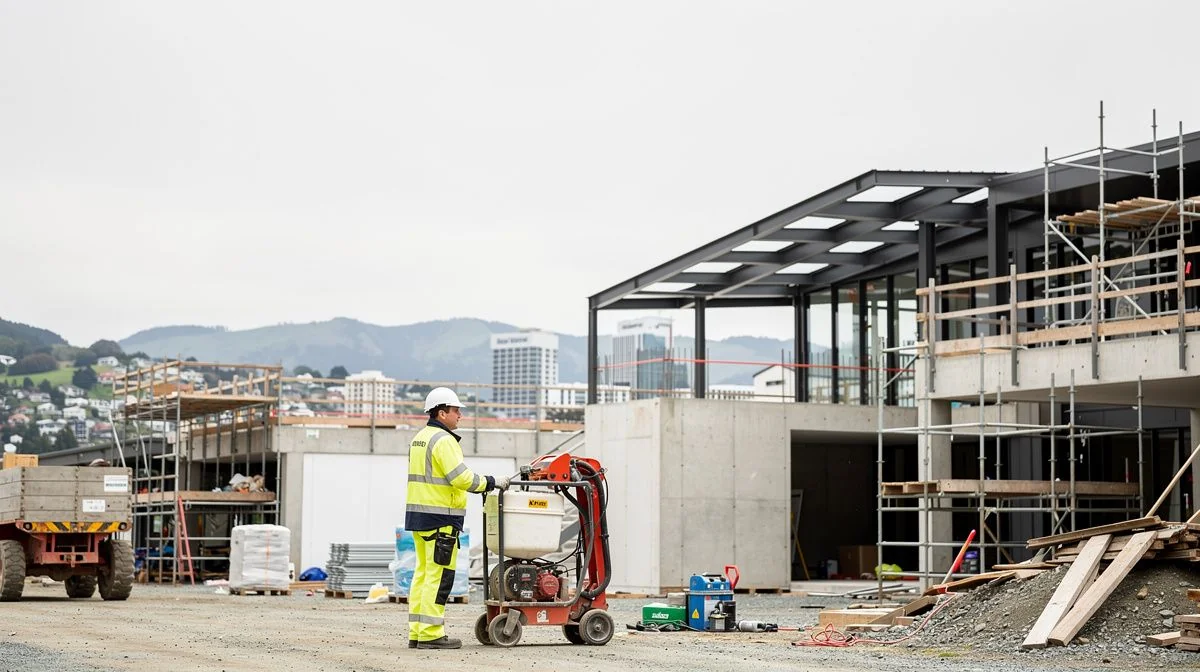
Timeline Expectations: How Long Things Actually Take
Everyone wants to know how long their build will take, and the honest answer is that it depends on a lot of factors. But there are some general expectations you can work with, and understanding them will help you plan realistically.
A straightforward renovation, like a kitchen and bathroom update, might take six to ten weeks. That assumes no major structural changes and no surprises behind the walls. An extension of a single room could take three to six months, depending on the size and complexity. A full house renovation, where you are gutting the interior and redoing everything, could take six to twelve months. A new build, from breaking ground to handing over the keys, typically takes nine to eighteen months, depending on the size and specification.
These are rough figures, and they can stretch significantly. Weather is the biggest variable in Wanaka. Heavy rain, strong winds, and frost can all stop work on site. Builders build weather contingencies into their schedules, but there is only so much they can do. If Wanaka has a particularly wet winter, your project will take longer.
Council processing times are another factor. Getting a building consent can take six to twelve weeks, and if there are issues with the application, it can be longer. Resource consents are a whole different ballgame, with timelines measured in months rather than weeks. You should factor the consent process into your overall timeline before the builder even sets foot on site.
Material availability has become a growing issue in recent years. Supply chain disruptions have made it harder to get certain materials, and lead times for things like joinery, windows, and structural steel can be significant. A good builder will order materials well in advance, but some items simply take time to arrive. If your project requires a specialty product, expect delays.
Variations are the final major cause of delays. Every time you change something, the builder has to adjust the schedule. That might mean waiting for new materials, rescheduling trades, or redoing work that was already completed. The more changes you make, the longer the project takes. Try to minimise variations and make decisions early.
The best way to manage your expectations is to ask your builder for a detailed programme before work starts. This should outline the major phases of the build and the expected duration of each. It will not be perfect, but it gives you a framework. And remember, a builder who gives you an honest timeline, even if it is longer than you hoped, is better than one who promises the world and delivers nothing.
Communication and Project Management: The Glue That Holds It Together
A build is not just about physical construction. It is a complex project involving dozens of people, hundreds of decisions, and constant coordination. The difference between a smooth build and a stressful one often comes down to communication. A builder who communicates well is worth their weight in gold.
Good builders keep you informed without being asked. They send regular updates, whether that is a weekly email, a phone call, or a quick text with photos of the progress. You should never have to chase your builder for information. If you find yourself constantly asking "what is happening," that is a sign that communication is not a priority for them.
Weekly updates are the industry standard for a reason. A good builder will take you through what has been completed, what is happening next, and any issues that have arisen. They will flag problems early, before they become crises. They will also manage your expectations honestly, telling you when things are behind schedule rather than letting you find out by accident.
Managing expectations is a two-way street. You need to be realistic about what is possible, and your builder needs to be honest about what they can deliver. A builder who tells you everything will be perfect and on time is not being truthful. A builder who is upfront about potential delays and cost pressures is giving you the information you need to make good decisions.
Disputes are much easier to avoid when communication is good. Most conflicts in building projects come from misunderstandings, not from deliberate wrongdoing. If you have a clear communication channel, you can resolve issues before they escalate. If a builder is not responding to your calls or is being evasive, that is a major red flag.
Real examples make this concrete. One homeowner in Wanaka told me about a builder who sent them a photo every Friday afternoon showing the week's progress. It was a small gesture, but it meant they never felt out of the loop. Another told me about a builder who discovered a soil issue during the foundation work. He called immediately, explained the problem, outlined the options, and got approval before proceeding. That kind of proactive communication is what you want.
Project management is the invisible work that holds everything together. Someone needs to coordinate the deliveries, schedule the trades, manage the inspections, and keep the paperwork in order. In a small building company, the builder themselves does this. In a larger company, there might be a dedicated project manager. Either way, ask who is responsible for project management and how they will keep you informed.
The Consent Pathway: A Simple Overview
The building consent process can seem intimidating, but it is really just a series of steps designed to ensure your project is safe and legal. Understanding the pathway will help you navigate it with confidence, especially in Wanaka where the council has a reputation for being thorough.
First, you need to determine whether your project requires a building consent. Many small projects, like a garden shed under a certain size or a simple deck at ground level, are exempt. But most structural work, including new builds, extensions, renovations that involve structural changes, and recladding, requires consent. Your builder or a designer can help you determine what applies to your project.
If consent is required, you will need to engage a designer or architect to prepare plans and specifications. These documents need to be detailed enough for the council to assess whether your project meets the Building Code. The more detail you provide, the smoother the process will be. Vague plans lead to questions from the council, which leads to delays.
Once your plans are ready, you submit a building consent application to the council. In Wanaka, that is Queenstown Lakes District Council. The council reviews the application to ensure it complies with the Building Code and any relevant planning rules. For a straightforward project, this takes six to twelve weeks. If there are issues, the council will ask for more information, which extends the timeline.
Resource consent is a separate process that applies when your project does not comply with the district plan. This might be because of height restrictions, setback requirements, or other planning rules. Resource consent is more complex and takes significantly longer, often three to six months or more. If you are buying a section in Wanaka, check whether the intended build will require resource consent before you commit.
Engineering reports are often required as part of the consent application. In Wanaka, this is especially common because of the varied soil conditions. A geotechnical engineer may need to assess the ground conditions and recommend appropriate foundations. A structural engineer may need to design specific elements of the build. These reports add time and cost, but they are essential for ensuring your home is safe.
Once consent is granted, the work can begin. During the build, the council will conduct inspections at key stages, such as the foundations, framing, insulation, and final completion. These inspections protect you, ensuring the work meets the consented plans. Your builder should book these inspections and make sure the site is ready for them.
The final step is the Code Compliance Certificate. Once all the work is complete and the final inspection has passed, the council issues a CCC. This confirms that the work complies with the Building Code and the consented plans. Keep this document safe, as you will need it when you sell the property. Without a CCC, you may struggle to sell or insure your home.
Wanaka-Specific Building Challenges
Building in Wanaka is not the same as building anywhere else in New Zealand. The town has its own set of challenges that affect every project, and understanding them before you start will save you time, money, and frustration.
Weather is the most obvious challenge. Wanaka gets cold winters with heavy frosts, and those frosts can stop concrete pours and masonry work. The ground freezes, making excavation difficult. Paint and coatings do not cure properly in cold conditions. Builders schedule around the weather, but they cannot control it. A project that starts in autumn might slow significantly over the winter months.
Summer brings its own problems. The nor'west winds that sweep across the basin can be ferocious, especially in the afternoons. High winds make roofing work dangerous and can damage materials that are not properly secured. Builders often plan roofing and exterior work for the morning, before the wind picks up. This limits productivity and extends timelines.
Soil conditions in Wanaka are varied and can be challenging. The town sits on a mix of alluvial gravels, which are generally good for building, and areas of clay, which can expand and contract with moisture changes. Some areas have groundwater close to the surface, which affects foundation design and requires careful drainage planning. A geotechnical report is essential before you design your foundations, and a local builder will know which engineers produce practical solutions.
Sloping sites are common in Wanaka, especially in the hills surrounding the town centre. Building on a slope adds high cost and complexity. You might need retaining walls, piled foundations, or a stepped design. Access for machinery is more difficult, and erosion control measures may be required. A builder with experience with sloping sites can advise you on the best approach.
Coastal exposure is a factor for properties near Lake Wanaka, though the lake is not as corrosive as the sea coast. Still, moisture and wind can take their toll on exterior materials. Choosing the right cladding and finishes is important, and a local builder will know what performs well in this specific environment. They will also understand the importance of proper ventilation and moisture management.
Heritage overlays are a consideration for properties in Wanaka's older areas. Some parts of the town have heritage protections that limit what you can do to existing buildings. If you are renovating an older home, you may need to preserve certain features or use specific materials. Your builder needs to understand these requirements and work with them, not against them.
Council processing times in Wanaka are a well-known bottleneck. Queenstown Lakes District Council has a high volume of applications and a thorough review process. This means consents take longer than in many other parts of the country. A local builder who knows the council's expectations and has a good relationship with the planning team can help smooth the process, but they cannot make it fast.
Local building styles are another factor. Wanaka has developed a distinct architectural character, with a focus on natural materials, large glazing, and a connection to the landscape. If you want your home to fit in with this aesthetic, you need a builder who has experience with these styles. Schist stone cladding, for example, requires specific skills that not every builder has. Timber detailing and flat roofs also require specialised knowledge.
Finally, there is the simple issue of scale. Wanaka is a small town, and the building industry is a close-knit community. Reputations matter. A builder who does good work will be known for it, and one who does bad work will also be known. This is an advantage for you, as long as you do your research. Talk to people, ask around, and you will quickly get a sense of who you can trust.
Builder Types and Which One You Need
Not all builders are the same. They come in different shapes and sizes, and the type of builder you choose should match the type of project you are undertaking. Understanding the options will help you make the right choice.
Renovation specialists focus on existing homes. They are experienced in working around occupied spaces, managing the dust and disruption, and dealing with the surprises that come with old buildings. If you are renovating a villa or a bach in Wanaka, a renovation specialist is a good choice. They will have seen the common issues in older homes and know how to fix them properly.
New-build companies concentrate on building new homes from scratch. They are set up to handle the full process, from the foundation to the final fit-out. They have established relationships with subcontractors and suppliers, and they know how to manage the logistics of a full build. If you are building a new home on a section in Wanaka, this type of builder is a strong option.
Recladding specialists are a niche category that has grown in importance. Replacing the cladding on an existing home is a complex job that requires specific expertise in weatherproofing and moisture management. A specialist will understand the details that prevent leaks and ensure the new cladding performs as intended. If you are recladding a home in Wanaka, look for a builder with a track record in this area.
Design-and-build firms combine the design and construction phases under one roof. You work with their in-house designer to create your plans, then their construction team builds it. This can streamline the process and reduce the risk of miscommunication between designer and builder. It can also be more efficient, as the design is developed with construction in mind. If you want a single point of accountability, this is worth considering.
Small independents are the backbone of the building industry in Wanaka. These are sole traders or small companies with a handful of staff. They offer a personal service and are often more flexible than larger companies. However, they may have limited capacity, and you might need to wait longer for them to be available. For a smaller project, a good independent builder can be the ideal choice.
Large companies have more resources and can handle bigger projects. They have project managers, administrative support, and a larger pool of staff. They can often start sooner and manage complex builds more easily. However, you might have less direct contact with the person actually doing the work. If you are building a large or complex home, a larger company might be the safer bet.
Project-management-led firms take a different approach. They might not have their own construction crews, but they manage the entire project, coordinating all the trades and subcontractors. This can be a good option if you want to be hands-off and have someone else handle the details. However, it adds a layer of cost, and you need to ensure the project manager has the experience to deliver.
How to Prepare for Your First Meeting With a Builder
Your first meeting with a builder sets the tone for the entire project. If you come prepared, you will get much more value from the conversation. If you arrive with nothing but vague ideas, you will leave with vague answers. Here is how to prepare.
Bring your documents. This includes any plans or sketches you have, even rough ones. It includes your budget, or at least a realistic figure for what you want to spend. It includes any council documents, such as a land information memorandum or a title search. The more information you have, the more specific the builder can be about what is possible.
Write down your questions before you go. It is easy to forget things in the moment, especially if you are nervous or excited. Have a list of questions ready, and do not be afraid to work through them systematically. You are interviewing the builder as much as they are interviewing you.
Describe your vision clearly. This does not mean you need architectural drawings or a detailed specification. It means being able to explain what you want to achieve. Do you want to open up the living space? Add a second bathroom? Create a better connection to the outdoor area? The clearer you are about the outcome, the better the builder can advise you on how to get there.
Have an honest conversation about budget. This is uncomfortable for many people, but it is essential. If you tell a builder you have $200,000 to spend and they tell you your project will cost $300,000, that is valuable information. It allows you to adjust your plans or your expectations. If you avoid the conversation, you will discover the gap later, when it is much harder to fix.
Ask about their experience. Have they done similar projects before? Can they show you examples? How long have they been working in Wanaka? These questions will help you assess whether they are the right fit for your project. A builder who has done ten similar renovations is a safer bet than one who is trying their first.
Watch for red flags. If a builder is vague about timelines, evasive about costs, or reluctant to provide references, that is a warning sign. If they promise the world without asking any questions about your project, that is also a warning sign. A good builder will ask questions, challenge your assumptions, and give you honest advice.
Finally, take notes. This meeting will generate a lot of information, and you will not remember all of it. Write down key points, costs mentioned, and any advice the builder gives you. These notes will be invaluable when you are comparing builders and making your final decision.

Best Builders for Different Project Types in Wanaka
Different projects require different skills, and the best builder for one job might not be the best for another. Here is a guide to matching builder types to project types in Wanaka, without naming any specific companies.
For villa renovations in Wanaka, you want a builder who has experience with older homes. These properties often have character features that need to be preserved, and they come with their own set of structural quirks. A renovation specialist who has worked on similar homes will know how to handle the original timber framing, the uneven floors, and the lack of insulation. They will also understand the heritage requirements that might apply.
Extensions in Wanaka require a builder who can manage the complexity of tying new work into an existing structure. This is not a job for a novice. The builder needs to match rooflines, ensure the existing services can handle the extra load, and manage the transition between old and new. A builder with demonstrated experience in extensions, and who can show you examples of their work, is the right choice.
Recladding projects need a specialist. This is a job where the details matter enormously, and getting them wrong can lead to moisture damage that rots the framing. Look for a builder who has completed multiple reclads and who can talk knowledgeably about weatherproofing details, flashings, and drainage planes. They should be able to explain the process clearly and show you examples of completed reclads.
New builds in Wanaka offer the most choice. You can go with a design-and-build firm for a seamless process, a large company for reliability and resources, or a small independent for a personal touch. The right choice depends on the size and complexity of your project. For a standard home, a competent local builder with a good reputation will do a fine job. For a complex architectural home, you might need a company with more experience in high-end construction.
Architectural projects require a builder who can work with complex designs and unusual materials. These projects often involve custom details, high-end finishes, and tight tolerances. Look for a builder with experience in architecturally designed homes and a proven track record of quality. They should be comfortable working from detailed drawings and collaborating closely with the architect.
Small jobs, like a deck, a carport, or a small bathroom renovation, need a different approach. Large companies might not be interested, as the profit margin is too small. A small independent builder is often the best choice for these projects. They are more flexible, more affordable, and more likely to fit the job into their schedule.
Coastal builds around Lake Wanaka require attention to moisture management. Even though the lake is not saltwater, the environment is still challenging. Look for a builder who understands the importance of ventilation, drainage, and durable materials. They should be able to recommend cladding and roofing options that will stand up to the conditions.
Rural builds on the outskirts of Wanaka come with their own challenges. Access can be difficult, services might not be available, and the site might have challenging terrain. You need a builder who is experienced with rural construction and who can manage the logistics of building in a remote location. They should have relationships with suppliers who can deliver to the site and trades who are willing to travel.
What Builders Wish Their Clients Knew
Builders see the industry from a different side, and there are things they wish every client understood before the project starts. These insights come from years of experience, and they might save you from common frustrations.
Good work costs more. There is a reason some builders charge more than others. They pay their staff well, use quality materials, take the time to do things properly, and stand behind their work. If you are looking for the cheapest option, you are not looking for quality. You are looking for a bargain, and bargains in construction rarely end well.
Timelines slip for reasons beyond the builder's control. Weather, council delays, material shortages, and subcontractor availability all affect the schedule. A builder who promises an exact completion date is not being honest. A good builder will give you a realistic timeframe and keep you updated as things change. Your patience and understanding are appreciated.
Indecision costs money. Every time you change your mind, the project slows down, and the cost goes up. Materials have been ordered, trades have been scheduled, and work has been done. Changing course means redoing some of that, and you pay for it. The more decisions you can make before the build starts, the smoother the process will be.
Paying on time matters. Builders have their own bills to pay, including wages, materials, and subcontractors. When you delay a payment, it creates a domino effect that can stall the entire project. A good builder will invoice you fairly and honestly, and they expect you to pay promptly. If you have concerns about a payment, raise them immediately rather than simply withholding the money.
A fixed price requires a full design. You cannot expect a builder to give you a fixed price if you have not finalised the design. Vague plans mean the builder has to make assumptions, and those assumptions might not match your expectations. If you want a fixed price, invest in detailed plans and specifications before you ask for quotes. This also means you need to finalise your choices for fixtures, finishes, and materials before the contract is signed.
Communication is a two-way street. Builders want to keep you informed, but they also need you to respond to their questions and decisions promptly. If you take two weeks to answer a simple question about tile colours, that delays the project. Be available, be responsive, and understand that your decisions drive the pace of the build.
Finally, builders take pride in their work. They want to deliver a home you love, and they want to do a good job. A little appreciation goes a long way. A thank you, a positive review, or a recommendation to a friend means more than you might think. Building a good relationship with your builder benefits everyone.
How to Get the Best Results from Your Build
Getting the best results from your build is not just about hiring the right builder. It is also about how you manage the process, your decisions, and your relationship with the builder. Here are the things you can do to ensure a successful outcome.
Prepare your brief thoroughly. The more detail you provide, the better the builder can deliver what you want. Write down everything you want, from the layout to the finishes to the little details like power points and lighting. A comprehensive brief reduces the chances of misunderstandings and ensures the builder knows exactly what you expect.
Choose your materials early. This is one of the most common causes of delays. If you have not decided on your kitchen benchtop, your flooring, or your tapware, the builder cannot order them. And if you wait too long, you might find that the product you wanted is no longer available or has a long lead time. Make your selections early, and have backups in mind in case something is not available.
Avoid indecision. This goes hand in hand with choosing materials early. When the builder asks you a question, answer it as quickly as you can. If you need time to think, set a deadline for yourself. Every delay in your decision-making extends the timeline and adds to the cost. Be decisive, and trust the advice of your builder and designer.
Manage variations carefully. Changes are sometimes necessary, but they should be the exception, not the rule. Before you request a variation, ask yourself if it is really worth the cost and the delay. If it is, make sure you get the variation documented in writing, with a clear cost and timeline impact. Do not let variations accumulate, as they can quickly blow out your budget.
Keep the project moving. This means being available, being responsive, and making decisions promptly. It also means paying your invoices on time, as this keeps the cash flowing and the project on track. A project that stalls for financial reasons is frustrating for everyone involved.
Finally, avoid disputes by communicating openly. If you have a concern, raise it early, before it becomes a major issue. Most disputes in construction are the result of poor communication and unmet expectations. If you talk to your builder regularly and honestly, you can resolve issues before they escalate. A good builder wants to deliver a great result, and they will work with you to make that happen.
Frequently Asked Questions
How much does a renovation cost in Wanaka?
Renovation costs in Wanaka vary widely depending on the scope of work, the size of the home, and the level of finish. As a rough guide, a straightforward renovation might cost between $1,500 and $3,000 per square metre. A full renovation, where you gut the interior and redo everything, could cost more. In Wanaka, labour costs are higher than the national average, so expect to pay a premium. The best way to get an accurate figure is to prepare a detailed scope of work and get quotes from several builders.
How long do building consents take in Wanaka?
Building consents in Wanaka are processed by Queenstown Lakes District Council. For a straightforward application, you can expect to wait six to twelve weeks. If the council requires more information, it will take longer. Resource consents, if required, take significantly longer, often three to six months or more. The best way to speed up the process is to submit a complete, detailed application with all the necessary supporting documents and engineering reports.
What is the difference between an estimate and a fixed-price quote?
An estimate is a rough indication of what the project might cost. It is not binding, and the final bill could be higher. A fixed-price quote is a binding agreement where the builder commits to completing the work for a set amount, provided the scope does not change. Fixed-price quotes give you certainty, but builders often include a contingency to protect themselves against unknowns. For renovations, builders may be more reluctant to offer a fixed price because of the uncertainty involved.
How do I avoid budget blowouts?
Start with a detailed scope of work and get fixed-price quotes where possible. Build in a contingency fund of at least 10 to 15 per cent of your total budget for unexpected issues. Avoid making changes once the build has started, as variations are a major cause of cost increases. Choose your materials and finishes early, and finalise your decisions before the contract is signed. Finally, make sure the contract clearly states what is included and what is not.
What guarantees should I ask for?
Ask your builder about workmanship warranties, which cover defects in the work for a defined period after completion. If your builder is a member of Master Builders or Certified Builders, they will offer a formal guarantee. You should also ensure the builder has public liability insurance and that the work will be covered by a Code Compliance Certificate once complete. Ask for all of this in writing before you sign the contract.
Should I get multiple quotes?
Yes, you should get at least three quotes from different builders. This gives you a sense of the market rate and helps you identify any outliers. However, do not choose based on price alone. Compare the quotes line by line to understand what is included and what is not. A slightly higher quote might include better materials, a more detailed specification, or a more realistic timeline. Use the quotes to inform your decision, but weigh all the factors.
What if something goes wrong during the build?
If something goes wrong, the first step is to raise the issue with your builder directly. Most problems can be resolved through open communication. If the issue is not resolved, check whether your builder is a member of a guarantee scheme like Master Builders, which provides a formal dispute resolution process. You can also contact the Ministry of Business, Innovation and Employment, which handles complaints about Licensed Building Practitioners. Keep detailed records of all communications and any issues that arise.

The ValueHub Team built this site because finding clear, unbiased financial information in New Zealand was harder than it should be. Every guide is based on real research — we compare the actual fees, terms, and fine print so you don't have to. Our tip: shop around every year, read the policy docs, and never assume loyalty gets you the best deal.— The ValueHub Team
Try our Calculators
Use these free tools to crunch the numbers:
KiwiSaver Fund Comparison
Compare fees, returns, and risk levels across every KiwiSaver fund from all 31 NZ providers.
Currency Converter — USD to NZD
Convert US Dollars to New Zealand Dollars instantly. See the latest exchange rate and 30-day trend.
Mortgage Repayment Calculator
Calculate your weekly, fortnightly, or monthly mortgage repayments. Free NZ mortgage calculator — try different rates, terms, and repayment frequencies.
Compound Interest Calculator
See how your savings grow with compound interest over time. Free NZ compound interest calculator with yearly, monthly, and weekly compounding options.
Term Deposit Calculator
Calculate your term deposit returns before you lock in. Compare interest earned across different terms and rates with ValueHub's free calculator.
Savings Goal Calculator
Calculate how long it will take to reach your savings goal — and what monthly deposit you need to get there. Free NZ savings planner.
Builders in Other Cities
Latest Guides & Reviews
New Zealand Financial Markets Authority Guide: Investor Protection in NZ
Protect your investments with this practical guide to the FMA — how to check licences, spot scams, and what to do if a provider fails. Verified against...
comparisonEV Home Charger NZ: Costs & Buying Guide
Compare EV home charger costs in NZ — verified prices from $1,299, installation fees, smart features, and what actually matters for your home's power supply.
guideThe Most Popular EVs in New Zealand
The best-selling electric cars in New Zealand, ranked by official registration data. Top BEV and PHEV models and brands, updated monthly.
guideEV Market Stats
New Zealand's EV market in numbers — market share, fleet size, top-selling models and used imports, updated with the latest NZTA and MIA data.