Best Builders in Whanganui
Published 10 January 2025 · Updated 30 June 2026
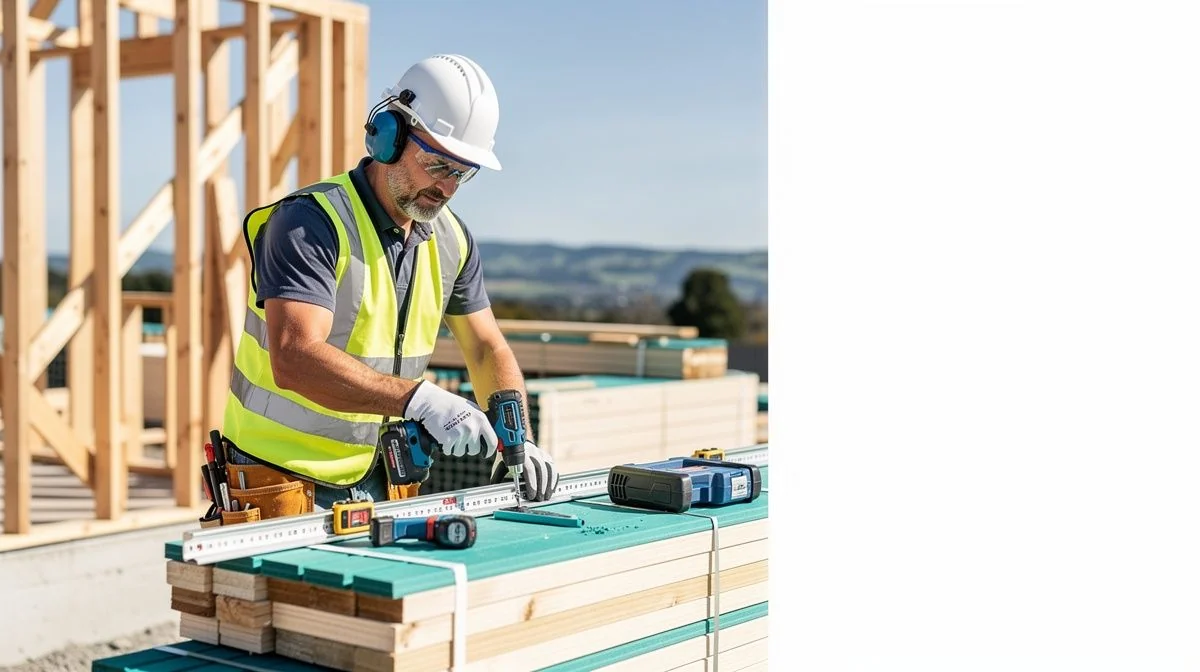
Finding a reliable builder in Whanganui
Whether you're planning a new home build, a renovation, or a small extension, finding the right builder in Whanganui makes all the difference. The local building scene here is active, with plenty of experienced tradespeople who understand the region's climate, soil conditions, and council requirements.
But not all builders are the same. Some specialise in new builds, others in heritage restorations or small alterations. Taking the time to find someone who fits your project can save you stress, money, and delays down the track.
Here's what to keep in mind when hiring a builder in Whanganui.
What to look for when hiring a builder in Whanganui
Before you start contacting builders, it pays to know what separates a good builder from a great one. Here are the key things to check.
Licensing and qualifications
In New Zealand, builders carrying out work over $30,000 must be licensed under the Licensed Building Practitioner (LBP) scheme. For smaller jobs, it's still wise to ask if they hold relevant qualifications or trade certifications. The LBP register is public — you can search online to confirm someone's status.
Local experience
A builder who works regularly in Whanganui will know the local council's consent process, the common soil types (like sandy loam or marine sediments), and how to navigate any specific planning rules. Ask how many projects they've completed in the area.
Insurance cover
Always verify that a builder has current public liability insurance and, if they have employees, valid ACC cover. Ask for a copy of their policy certificate. This protects you if something goes wrong during the build.
Guarantees and warranties
Reputable builders typically offer a workmanship warranty — often one to five years depending on the type of work. For new homes, the 10-year implied warranty under the Building Act may apply, but it's better to get a written guarantee directly from the builder.
References and past work
Ask for at least three recent references from clients in Whanganui. If possible, visit a completed project or do a virtual tour. Look at the quality of finishing, straightness of walls, and attention to detail.
Communication style
A builder should be easy to talk to and willing to explain things. If they seem rushed or vague during your first meeting, that's a red flag. Good communication prevents misunderstandings and keeps your project on track.
Key questions to ask before hiring
Asking the right questions early helps you compare builders fairly. Here are the ones we recommend.
- Are you a Licensed Building Practitioner (LBP)? If the project is over $30,000, this is a legal requirement.
- Can you provide a fixed-price quote? A written quote with a detailed scope of work protects both of you.
- What is your estimated timeline? Builders should give a realistic start and completion date, with allowances for weather or consent delays.
- Do you use subcontractors? If so, ask who they are and whether they carry their own insurance.
- What happens if there are changes to the plan? A clear process for variations (and associated costs) should be in writing.
- How do you handle payment? Reputable builders often ask for progress payments tied to milestones, not a large upfront deposit.
- Can I see your H&S (Health and Safety) policy? This is especially important for larger sites or when you'll be living on site during a renovation.
Don't be shy — a professional builder expects these questions and will answer clearly.
Tips for getting the best results
Once you've chosen a builder, your role doesn't end. Here's how to help the project run smoothly and deliver the outcome you want.
Have a clear brief
Write down exactly what you want before the builder prices the job. Include room sizes, materials preferences, finishes, and any special features. The more detail you provide, the fewer surprises later.
Check council requirements early
Whanganui District Council sets specific rules around building consents, setback distances, and stormwater management. Talk to your builder early about whether you need a consent and how long it might take to obtain. Some small works (like garden sheds under 10 sq m) may not need a consent, but double-check with the council.
Plan for unexpected issues
Renovations in older Whanganui homes can reveal rot, borer, or wiring that doesn't meet modern standards. Set aside a contingency of 10–15% of your budget for surprises.
Stay in touch, but don't micromanage
A quick weekly check-in or email update works well. Trust your builder's expertise — they know how to sequence the work efficiently. But if you see something that doesn't look right, raise it immediately.
Get everything in writing
From the initial quote to variation orders and final sign-off, keep copies of all documents. This protects you if there's a dispute later.
Consider a building contract
For larger projects, use a standard form like the NZIA or Master Builders contract. These spell out payment schedules, dispute resolution, and completion terms. A signed contract gives both parties peace of mind.
A note about costs and getting quotes
Building costs vary widely depending on the scope, materials, and site conditions. In Whanganui, typical new builds might range from around $2,500 to $4,000 per square metre, but this is only a rough guide. Renovations can be more unpredictable because of what's hidden behind walls.
When you ask for quotes, you'll get three main types:
- Fixed-price quote: The builder quotes a set amount for a defined scope. Good for projects where you know exactly what you want.
- Estimate: An approximate cost, subject to change. This is common when the scope is still being finalised.
- Cost-plus contract: You pay the actual costs of materials and labour plus a percentage or fixed fee. This suits complex projects where the builder can't predict everything upfront.
Always get at least three written quotes from different builders. Compare them carefully — the cheapest may not include the same level of detail or quality. Look for the overall value, not just the bottom line.
Also ask about payment schedules. A typical arrangement might be: an initial deposit (often around 10%), progress payments at key milestones, and a final payment upon completion and sign-off. Avoid paying large sums upfront, and never pay the full amount before the work is finished.
Lastly, remember that the lowest quote isn't always the best. A builder who charges a fair price and has a strong reputation in Whanganui is likely to deliver a better outcome than someone who undercuts the market and then cuts corners.

The ValueHub Team built this site because finding clear, unbiased financial information in New Zealand was harder than it should be. Every guide is based on real research — we compare the actual fees, terms, and fine print so you don't have to. Our tip: shop around every year, read the policy docs, and never assume loyalty gets you the best deal.— The ValueHub Team
Try our Calculators
Use these free tools to crunch the numbers:
PAYE Calculator
Calculate your take-home pay after PAYE tax, ACC, KiwiSaver, and student loan deductions.
Compound Interest Calculator
See how your savings grow with compound interest over time. Free NZ compound interest calculator with yearly, monthly, and weekly compounding options.
Mortgage Repayment Calculator
Calculate your weekly, fortnightly, or monthly mortgage repayments. Free NZ mortgage calculator — try different rates, terms, and repayment frequencies.
Term Deposit Calculator
Calculate your term deposit returns before you lock in. Compare interest earned across different terms and rates with ValueHub's free calculator.
Savings Goal Calculator
Calculate how long it will take to reach your savings goal — and what monthly deposit you need to get there. Free NZ savings planner.
Credit Card Repayment Calculator
See how long it really takes to pay off your credit card — and how much interest you could save by paying more each month. Free NZ calculator.
Builders in Other Cities
Best Builders in Auckland
Best Builders in Wellington
Best Builders in Christchurch
Best Builders in Hamilton
Best Builders in Tauranga
Best Builders in Dunedin
Latest Guides & Reviews
US Dollar to NZD: A Practical Guide for Kiwis
Compare the true cost of buying USD in NZ. We reveal the fees, margins, and hidden charges banks, Wise, and airport desks add to every US dollar transfer.
reviewUnderstanding NZ Council Rates
Follow a single rates dollar from your bank account to see where it really goes and how councils set your bill.
comparisonBest Gold and Platinum Credit Cards in New Zealand
Best gold and platinum credit cards in NZ compared: when a $150 annual fee pays for itself through travel insurance and perks.
guideBest Investment Managers in New Zealand
Compare Fisher Funds, Milford, and Pie Funds in this practical guide to vetting NZ investment managers before you trust them with your money.