Best Electricians in Tauranga
Published 11 September 2026 · Written by the ValueHub team · Reviewed by Steve Baron
Salt Air, Old Switchboards and the Coastal Effect
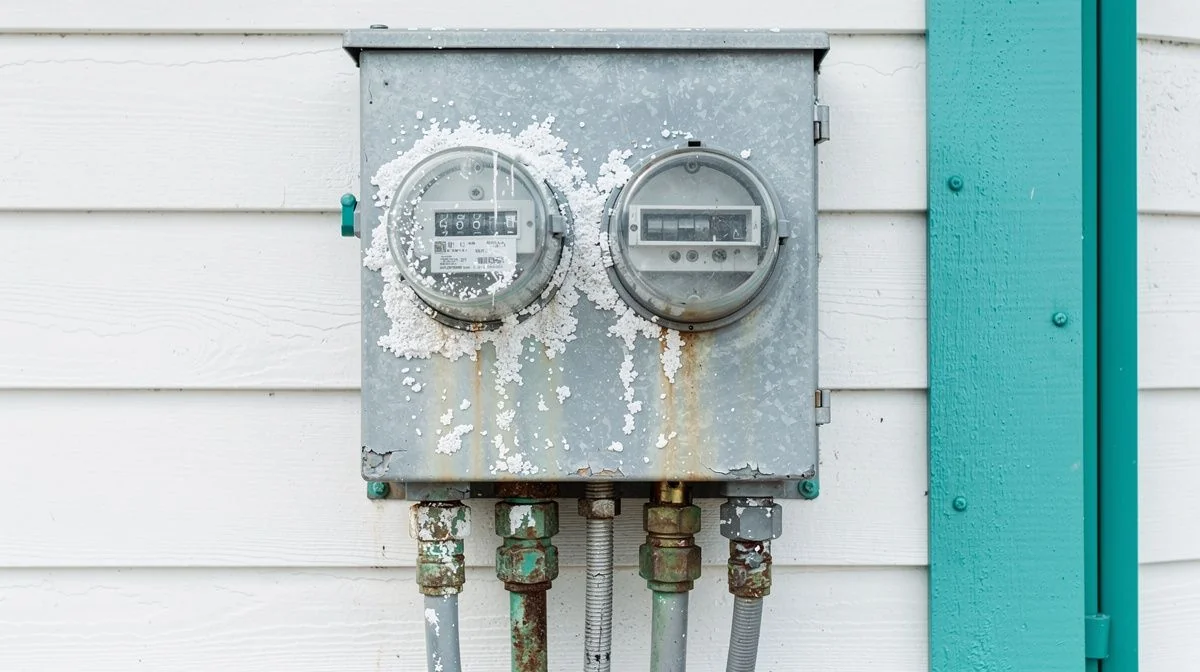
Salt air defines electrical work on this stretch of coast. From Mount Maunganui through to Papamoa, sea spray accelerates corrosion on outdoor fittings, meter boxes and ageing switchgear, which is why a coastal home here usually needs attention years before an inland house of the same age. Switchboards and outdoor power points are the first things to suffer.
The bigger safety issue indoors is age. The most common genuine problem in a New Zealand home is an older switchboard that has never been upgraded and quietly carries far more load than it was designed for. Fuse carriers instead of circuit breakers, no RCD protection, and circuits added one cable at a time over decades all add up, and insulation that hardens in a roof space can look sound until it is disturbed.
Tauranga's population is older than the national average, which shapes the work: more repairs and safety upgrades, and more owners asking whether an old board can carry a modern load. The Port of Tauranga and the surrounding kiwifruit operations keep experienced firms busy on commercial and industrial jobs. Residential electricians here charge roughly $80 to $110 an hour plus GST, with a call-out fee of $75 to $150 plus GST.
How We Researched This Guide
We started with the rules, because electrical work is a restricted occupation and the paperwork carries as much weight as the wiring. That means the registration classes administered by the Electrical Workers Registration Board, and what a Certificate of Compliance legally certifies.
For pricing, we compared published New Zealand electrical trade pricing guides, so the bands below describe the market rather than one firm's rate card. Where the age or condition of a house changes the scope, we say so rather than quoting a single figure.
Our Trusted Electricians
We feature businesses that demonstrate strong performance, proven experience, and consistently positive customer feedback. Some of the providers listed may have commercial relationships with us, but all are selected based on quality and reliability.
To begin, reach out to them and speak with them directly — this helps you explain your job, ask questions, and confirm whether they're the right fit.
BOP Electrical provides quality, honest, reliable and friendly Electrical services to Residential, Commercial and Rural customers. Get in touch for all your electrical needs. … for Residential & Commercial Customers. Looking for a reliable and friendly Electrician in Tauranga, Mt Maunganui, Papamoa and the greater Bay… call Bay Of Plenty Electrical. Friendly, Reliable and Respectful Service.
The 60-Second Version
If you only read one part of this page, read this.
- Residential electricians here charge roughly $80–$110 an hour plus GST, below the Auckland and Wellington bands.
- A call-out fee of $75–$150 plus GST usually covers travel, the first hour of labour and small materials.
- After-hours and emergency work typically adds 50–100% to the standard rate.
- Only an electrician registered with the Electrical Workers Registration Board and holding a current practising licence may carry out prescribed electrical work.
- A Certificate of Compliance is the legal record that the work was done and tested to standard.
- Check the licence on the public register before work starts, not after it goes wrong.
What Electricians Charge in Tauranga
Tauranga sits at the lower end of the national range, in line with regional centres rather than the main northern cities. Coastal exposure and awkward roof access push a quote toward the top of a band.
| Work | Typical cost |
|---|---|
| Standard residential hourly rate | $85–$125 plus GST, most commonly $90–$105 |
| Tauranga hourly rate | $80–$110 plus GST |
| Hourly cost including GST | $90–$140 |
| Call-out or service fee | $75–$150 plus GST, often covering the first hour |
| After-hours and emergency work | Standard rate plus 50–100 per cent |
| Certificate of Compliance | $30–$60, or $50–$150 at the higher end |
| Electrical Safety Certificate | Same range as the Certificate of Compliance |
Ranges drawn from published New Zealand electrical trade pricing guides and provider quotes. Ask whether the call-out fee already includes the first hour of labour.
What the Law Requires, and What You Can Do Yourself
Prescribed electrical work is regulated under the Electricity Act and the Electricity (Safety) Regulations. Only someone registered with the Electrical Workers Registration Board and holding a current practising licence may carry it out, and the installation must meet AS/NZS 3000.
In practice, that covers almost anything touching fixed wiring: new circuits, added socket outlets, new lights where the wiring is altered, switchboard work, mains connections, cylinder wiring, and any repair inside a wall or ceiling. Changing a lamp or swapping a plug-in appliance does not need a licence. Anything on the fixed wiring does.
There is a narrow exception. Section 79 of the Electricity Act lets a homeowner do limited prescribed work on the home they live in, but it must be tested and certified before connection. That certification often costs more than paying an electrician to do the job properly.
If the inspector finds a mistake, you pay for the correction and then pay again for a second inspection. We do not recommend it.
What a Certificate of Compliance Actually Means
A Certificate of Compliance is the legal record that prescribed electrical work has been carried out, tested and certified to the required standard. The registered electrician who did the work issues it and records their licence, the address, and what was installed.
An Electrical Safety Certificate is the equivalent document for lower-risk prescribed work, such as a like-for-like replacement. Both are genuine certifications, and the electrician should hand them to you at the end of the job.
Keep it. The certificate is what a buyer's inspector asks for at sale, what an insurer may ask for after a claim, and the only proof that the wiring in the house is legitimate.
The fee is usually $30–$60, sometimes $50–$150 at the higher end. It is not optional, so a quote that omits it is incomplete, not cheaper.
Why Old Switchboards Are the Real Risk
The most common genuine safety problem in New Zealand homes is an old switchboard in a pre-1970s house that has never been upgraded and quietly carries a load it was never designed for.
Older boards often still use fuse carriers rather than circuit breakers, lack RCD protection, and have had circuits added one cable at a time over decades. Add a heat pump or an EV charger and demand climbs past anything the original installation anticipated.
The cable ages in parallel. Insulation from that era hardens and turns brittle in roof spaces, and it can look sound from the outside before failing the moment it is disturbed.
The fix is not always a full rewire. A switchboard upgrade with modern circuit breakers and RCD protection is a defined job at a predictable cost, and it covers the highest-risk part of an old installation.
Local Factors That Shape the Job
Salt Air on Coastal Fittings
From Mount Maunganui through to Papamoa, sea spray accelerates corrosion on outdoor fittings, meter boxes and older switchgear. It is the main reason a coastal home needs attention years before an inland house of the same age.
An Older Homeowner Base
Tauranga's population is older than the national average, so there is more repair and safety work and more interest in RCD protection. It also means the "my mate can do it cheaper" shortcut is common, which is where most unconsented work starts.
Unconsented Work and Resale
Unconsented work is one of the few defects that can hold up a sale, because a buyer's inspector will look for certificates, and a missing one is hard to explain.
The Port and Horticulture
The Port of Tauranga and the surrounding kiwifruit operations support a steady commercial and industrial workload. That keeps experienced firms busy so that small household jobs can sit in the queue.
Choosing an Electrician in Tauranga
Check the registration first. The Electrical Workers Registration Board keeps a public register, and confirming a licence takes a couple of minutes.
Then separate the two numbers on every quote: the call-out or service fee, and the hourly rate that applies once that fee is used up. A cheap call-out paired with a high hourly rate isn't a bargain on a job that takes half a day.
Ask who will be on site. Some firms quote with a licensed electrician and send an apprentice, and for prescribed work the certification has to come from a licensed person.
Warning Signs
- No licence number mentioned. A registered electrician should point you to their registration without hesitation.
- A cash price with no certificate. Anyone offering to skip certification is offering to leave you exposed.
- Work offered before a written quote. On an older home, the scope isn't knowable from the driveway.
- A board full of fuses and no RCDs. If nobody has mentioned it, ask why not.
- No split between call-out and hourly rate. You should know what the first hour costs and what the next one costs.
- Pressure to pay a cash deposit. Deposits are normal; untraceable ones are not.
Questions You Might Have
Can I replace a light switch or a socket myself?
Sometimes, in narrow circumstances, where you are replacing a fitting without touching the fixed wiring. The line is finer than most people assume. Anything involving a new circuit, a cable run or work inside a wall is prescribed work. If you are unsure, treat it as prescribed.
Do I actually need RCD protection?
RCD protection is required for socket outlets that could reasonably supply equipment outdoors, and it is the most effective safety addition to an older board. If yours has none, price the upgrade.
How much does a switchboard upgrade cost?
It depends on the number of circuits and the state of the existing wiring, so treat any figure given over the phone with caution. Ask for a written scope listing the circuits covered and the certificate.
What happens if I use an unlicensed electrician?
The work may be unsafe, it will carry no certificate, and if it causes a fire or injury, your insurer can decline the claim. That is the real price of the shortcut.
What Matters Most
Tauranga's electrical problems mostly come from age and salt: an old board in a coastal home carrying more load than it was built for. Buyers and insurers both look for the paperwork, so it pays to have it in order.
Confirm the licence before work starts, insist on the certificate when it finishes, and understand the two numbers on the quote, not just the total. For a wider look at the trade, see our guide to electricians in New Zealand.

The ValueHub Team built this site because finding clear, unbiased financial information in New Zealand was harder than it should be. Every guide is based on real research — we compare the actual fees, terms, and fine print so you don't have to. Our tip: shop around every year, read the policy docs, and never assume loyalty gets you the best deal.— The ValueHub Team
Try our Calculators
Use these free tools to crunch the numbers:
KiwiSaver Fund Comparison
Compare fees, returns, and risk levels across every KiwiSaver fund — the most up to date data in New Zealand.
Currency Converter — USD to NZD
Convert US Dollars to New Zealand Dollars instantly. See the latest exchange rate and 30-day trend.
Mortgage Repayment Calculator
Calculate your weekly, fortnightly, or monthly mortgage repayments. Free NZ mortgage calculator — try different rates, terms, and repayment frequencies.
Compound Interest Calculator
See how your savings grow with compound interest over time. Free NZ compound interest calculator with yearly, monthly, and weekly compounding options.
Term Deposit Calculator
Calculate your term deposit returns before you lock in. Compare interest earned across different terms and rates with ValueHub's free calculator.
Savings Goal Calculator
Calculate how long it will take to reach your savings goal — and what monthly deposit you need to get there. Free NZ savings planner.
Electricians in Other Cities
Latest Guides & Reviews
Kōura KiwiSaver Scheme Review
Kōura KiwiSaver review: 13 open funds, fund charges from 0.63 to 1.10 per cent, and net returns to 30 June 2026.
reviewMaritime KiwiSaver Scheme Review
Maritime KiwiSaver review: 3 open funds, fund charges from 0.61 to 0.76 per cent, and net returns to 31 March 2026.
reviewMAS KiwiSaver Scheme Review
MAS KiwiSaver review: 7 open funds, fund charges from 0.25 to 0.98 per cent, and net returns to 30 June 2026.
reviewArotahi KiwiSaver Scheme Review
Arotahi KiwiSaver review: 1 open fund, a 0.77 per cent fund charge, and net returns to 31 March 2026. What the Government register shows you pay and get back.