Best Fencing Contractors in Gisborne
Published 05 February 2025 · Updated 18 August 2026
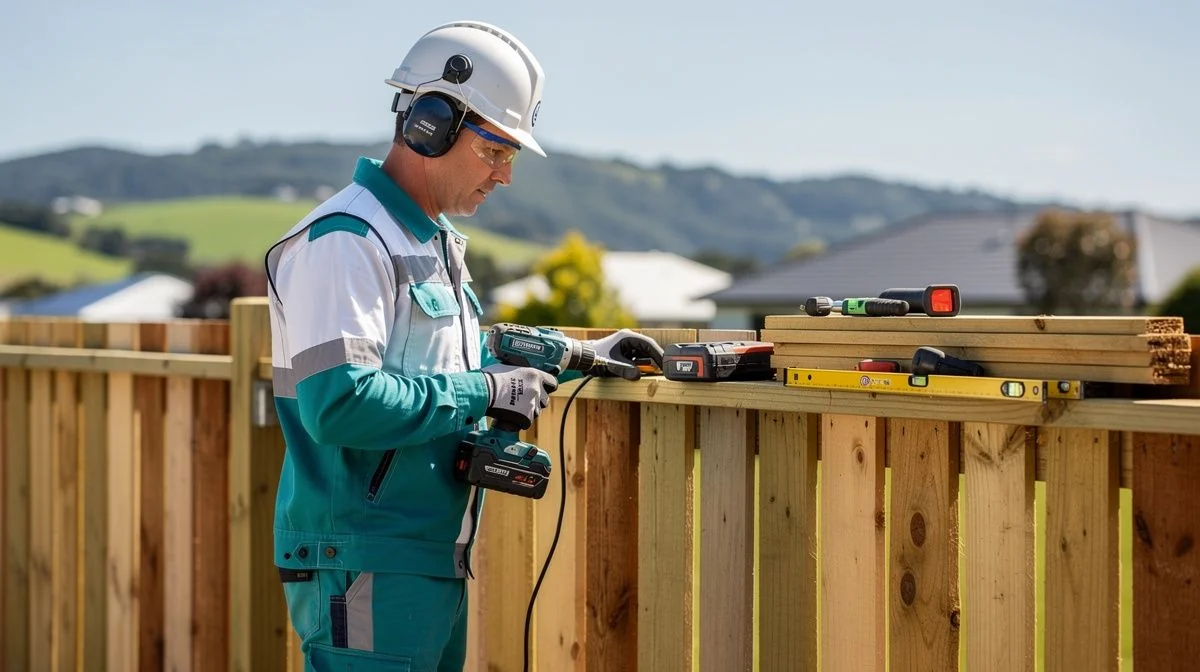
Best Fencing Contractors in Gisborne
If you own a property in Gisborne, you know how important a good fence is. It keeps stock in, neighbours happy, and defines your boundary. Whether you need post-and-rail around a lifestyle block, a timber privacy fence in town, or something more secure for a commercial site, finding a reliable fencing contractor is the first step.
Gisborne’s climate can be tough on fences — strong nor’westers, salty coastal air, and the occasional cyclone. That’s why choosing a local fencing contractor who understands the conditions matters. They know what materials hold up best and how to handle the region’s sandy or clay soils.
Below, we cover what to look for when hiring, key questions to ask, and some practical tips to get the best results for your fencing project.
What to look for when hiring a Fencing Contractor in Gisborne
Not all fencing contractors are the same. Some specialise in rural fencing, others focus on residential or commercial work. Here’s what to keep in mind when you’re searching for the right person for the job.
- Local experience. A contractor who’s worked in and around Gisborne will know the council’s rules, soil types, and common fence styles in the area. They’ll also have relationships with local suppliers.
- Licensing and insurance. In New Zealand, fencing contractors are not required to hold a specific licence, but a Master Fencer qualification or membership with the New Zealand Fencing Contractors Association (NZFCA) shows a commitment to standards. Always check they have public liability insurance — this protects you if something goes wrong on site.
- References and reviews. Ask for recent references from Gisborne clients. Check online reviews on Google or local Facebook community groups. A good reputation in the region counts for a lot.
- Written quotes and contracts. A reputable contractor will provide a clear, written quote that breaks down materials, labour, and any extras. They should also offer a contract outlining the scope, timeline, and payment schedule.
- Warranty. Ask what warranty they offer on materials and workmanship. Many quality contractors will guarantee their work for at least a year.
Our Trusted Fencing Contractors
We feature businesses that demonstrate strong performance, proven experience, and consistently positive customer feedback. Some of the providers listed may have commercial relationships with us, but all are selected based on quality and reliability.
To begin, reach out to them and speak with them directly — this helps you explain your job, ask questions, and confirm whether they're the right fit.
Rural, residential, lifestyle, commercial, security fencing Gisborne New Zealand. We are your trusted fencing contractor in Tairāwhiti Gisborne, New Zealand. We service the East Coast specialising in rural, residential, and commercial fencing. In addition to fencing, we also offer other construction services.
Key questions to ask before hiring
Asking the right questions upfront saves headaches later. Here are some to put to any fencing contractor you’re considering.
- Are you familiar with Gisborne District Council’s bylaw on fencing? The council has rules about fence height (typically 2m maximum for residential boundaries) and materials in certain zones. A good contractor should know where to check the latest requirements.
- Do you handle all aspects of the job? This includes digging holes, concrete or gravel footings, removing old fencing, and disposing of waste. Some contractors subcontract parts of the work — find out who will actually be on site.
- What happens if bad weather delays the job? In Gisborne, heavy rain or high winds can push out a timeline. A sensible contractor will have a plan for weather-related delays and communicate them promptly.
- Who is responsible for locating underground services before digging? In New Zealand, the property owner is legally responsible for ensuring no pipes, cables, or other services are underground. Your contractor should guide you through using BeforeU Dig (the free national service), and many will handle it as part of their quote — but always confirm.
- How do you handle boundary disputes with neighbours? Fencing along a shared boundary often requires neighbour agreement under the Fencing Act 1978. Your contractor should be able to advise on the process, but they won’t get involved in disputes. Make sure you and your neighbour are on the same page before work starts.
Tips for getting the best results
Your fence is a long-term investment. A little planning upfront can make a big difference to the final outcome.
Choose the right material for the site
Gisborne’s coastal environment can corrode untreated steel and speed up timber decay. Consider durable options:
- Timber: Treated pine or macrocarpa are popular choices. For coastal areas, ask for H3.2 or H4 treated timber that’s rated for ground contact.
- Coloursteel: Good for wind-exposed sites and low maintenance. Choose a colour that suits the landscape.
- Chainlink or wire: Often used for rural boundaries or stock containment. Make sure posts are properly set to withstand windy conditions.
- Concrete or masonry: Highly durable but more expensive. Great for retaining soil and privacy.
Set clear boundaries before work starts
Have a current survey of your property if there’s any doubt about the boundary line. If you don’t have one, ask the contractor to mark out the line with pegs — but note that only a licensed surveyor can officially define a boundary. This step can prevent costly disagreements later.
Plan for drainage and access
Gisborne’s clay soils can hold water, causing fence posts to rot or shift. Your contractor might recommend gravel or concrete footings for posts. Also think about vehicle access along the fence line — you don’t want a truck bogged in soft ground while delivering materials.
Communication is key
A good contractor will keep you updated on progress, any unexpected issues, and schedule changes. Make sure you have a clear point of contact and agree on how to communicate (text, phone, email) from the start.
A note about costs and getting quotes
Fencing costs in Gisborne can vary a lot depending on the type of fence, length, ground conditions, and site access. While we can’t give specific prices (they change with material and labour costs), here’s a general idea of how quotes are usually structured.
Most contractors charge per linear metre. This includes posts, rails or sheets, fixing materials, and labour. Additional costs may include:
- Removal of existing fencing
- Site preparation (levelling, clearing vegetation)
- Concrete or gravel for post footings
- Gates (often charged separately)
- Travel fees if your property is outside the Gisborne urban area
To get accurate comparisons, request at least three quotes from different contractors. Make sure each quote includes the same scope of work — otherwise it’s like comparing apples and oranges. Ask for itemised breakdowns so you can see where costs could be trimmed (e.g., using a cheaper post timber or doing the paintwork yourself).
Be wary of quotes that are significantly lower than others. In this region, very cheap quotes often mean corners cut — such as shallow post holes, lower-grade timber, or no insurance. Conversely, a very high quote might not mean better quality. Trust local reputation and clear communication over price alone.
Finally, remember that fencing work is GST inclusive. Ask your contractor if their quote includes GST, and whether there’s a payment schedule (a common arrangement is a deposit on booking, with balance on completion).
Finding the best fencing contractor in Gisborne comes down to doing your homework, asking the right questions, and choosing someone who understands the local landscape. With a good contractor, your fence will stand strong for years to come.

The ValueHub Team built this site because finding clear, unbiased financial information in New Zealand was harder than it should be. Every guide is based on real research — we compare the actual fees, terms, and fine print so you don't have to. Our tip: shop around every year, read the policy docs, and never assume loyalty gets you the best deal.— The ValueHub Team
Try our Calculators
Use these free tools to crunch the numbers:
KiwiSaver Fund Comparison
Compare fees, returns, and risk levels across every KiwiSaver fund from all 31 NZ providers.
Currency Converter — USD to NZD
Convert US Dollars to New Zealand Dollars instantly. See the latest exchange rate and 30-day trend.
Mortgage Repayment Calculator
Calculate your weekly, fortnightly, or monthly mortgage repayments. Free NZ mortgage calculator — try different rates, terms, and repayment frequencies.
Compound Interest Calculator
See how your savings grow with compound interest over time. Free NZ compound interest calculator with yearly, monthly, and weekly compounding options.
Term Deposit Calculator
Calculate your term deposit returns before you lock in. Compare interest earned across different terms and rates with ValueHub's free calculator.
Savings Goal Calculator
Calculate how long it will take to reach your savings goal — and what monthly deposit you need to get there. Free NZ savings planner.
Fencing Contractors in Other Cities
Latest Guides & Reviews
New Zealand Financial Markets Authority Guide: Investor Protection in NZ
Protect your investments with this practical guide to the FMA — how to check licences, spot scams, and what to do if a provider fails. Verified against...
comparisonEV Home Charger NZ: Costs & Buying Guide
Compare EV home charger costs in NZ — verified prices from $1,299, installation fees, smart features, and what actually matters for your home's power supply.
guideThe Most Popular EVs in New Zealand
The best-selling electric cars in New Zealand, ranked by official registration data. Top BEV and PHEV models and brands, updated monthly.
guideEV Market Stats
New Zealand's EV market in numbers — market share, fleet size, top-selling models and used imports, updated with the latest NZTA and MIA data.