Best Fencing Contractors in Paraparaumu
Published 05 February 2025 · Updated 18 August 2026
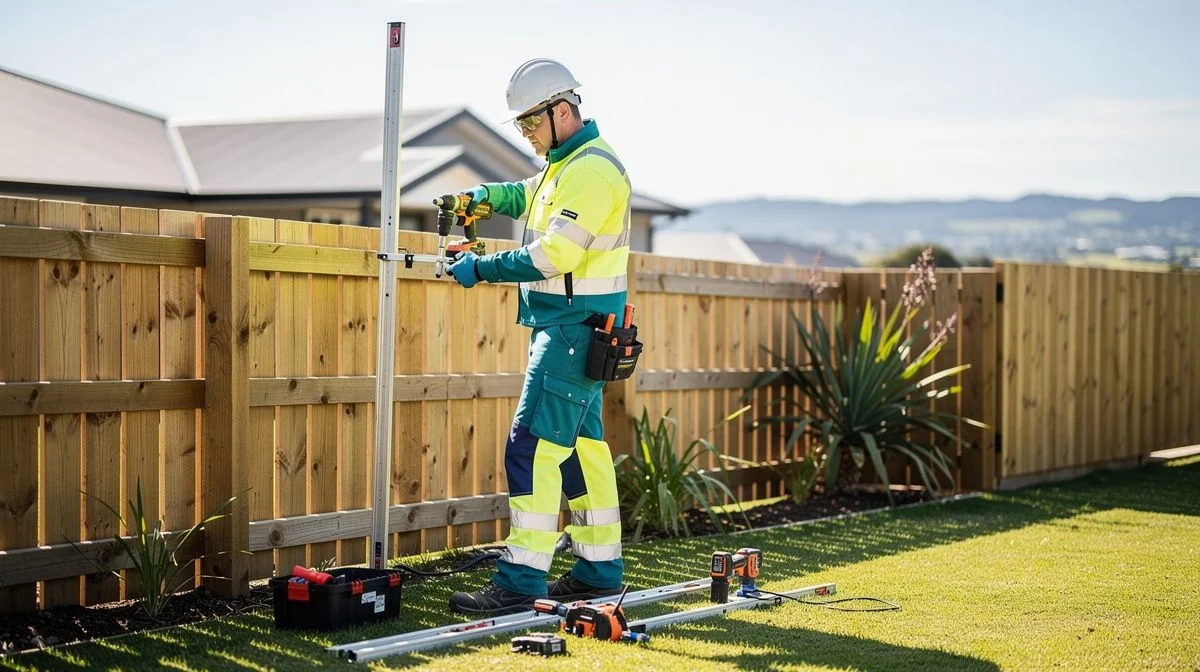
Finding the Right Fencing Contractor in Paraparaumu
If you live in Paraparaumu, you'll know that a good fence does more than just mark your property line. It provides privacy, security, and can really tidy up the look of your section. Whether you're dealing with the coastal winds, replacing an old paling fence, or putting up a new boundary, finding a reliable fencing contractor is key.
Paraparaumu has a mix of established suburbs and newer subdivisions, and fencing needs can vary a lot. Some homes need sturdy post-and-rail for lifestyle blocks, while others want sleek modern timber or coloursteel for a suburban section. The best contractor for you will understand local conditions — like how the salt air can affect certain materials, or which council rules apply in the Kapiti Coast District.
This page is here to help you sort through your options. We'll cover what to look for, what to ask, and how to get the best result for your place. No fluff — just practical advice from a local perspective.
What to Look for When Hiring a Fencing Contractor in Paraparaumu
Not all fencing contractors are the same. Some specialise in rural fencing, others focus on residential work. Here's what to check before you make a decision.
Experience with Local Conditions
Paraparaumu's weather can be tough on fences. Strong nor'westers, coastal salt spray, and damp winters all take a toll. A contractor who's worked in the area for a few years will know which materials stand up best — for example, when treated pine is a better choice than hardwood, or when powder-coated steel is worth the extra cost.
Licensing and Insurance
In New Zealand, fencing contractors don't need a specific license, but they should have public liability insurance and a clear understanding of the Building Act. If the fence is over 2.5 metres high or involves retaining walls, you might need a building consent. A good contractor will tell you this upfront. Always ask for proof of insurance — you don't want to be liable if something goes wrong on your property.
Local Knowledge of Council Rules
The Kapiti Coast District Council has its own rules about fence height, materials near waterways, and boundary disputes. A contractor who knows the local planning team and common consent requirements will save you headaches. They should also be familiar with the Fencing Act 1978, which covers how neighbours share fence costs.
References and Recent Work
Ask to see photos of recent jobs in the area. Better yet, ask for contact details of a couple of clients in Paraparaumu or nearby. A reputable contractor will be happy to provide references. Look for consistency in workmanship — straight lines, solid posts, neat joins.
Clear Communication
You want a contractor who listens to what you need, explains their process, and gives you a detailed written quote. If they're vague about timelines, materials, or costs, that's a red flag. Good communication from the start makes the whole project run smoother.
- Check for experience with local weather and soil conditions
- Verify public liability insurance and any relevant qualifications
- Ask about their familiarity with Kapiti Coast District Council rules
- Request references and photos of recent local work
- Ensure they communicate clearly and provide written quotes
Key Questions to Ask Before Hiring
Before you commit to a fencing contractor, have a proper chat. Here are the questions that matter most.
Do you handle council consent applications if needed?
Most standard fences under 2.5 metres don't need consent. But if your fence is higher, on a boundary with a road, or involves a retaining wall, you may need one. Ask if the contractor will manage the paperwork or if that's your responsibility. A contractor who offers this service can save you time.
What's your timeline from start to finish?
Fencing projects can be delayed by weather, material availability, or other jobs. Get a realistic timeframe in writing. Ask how long the work typically takes for a project similar to yours, and what happens if the weather delays things.
What materials do you recommend and why?
A good contractor will explain the pros and cons of different options — timber vs steel, post types, paint or stain treatments. They should tailor their advice to your property, not just push their preferred supplier. Ask about warranties on materials too.
How do you handle boundary disputes or neighbour issues?
Under the Fencing Act, neighbours usually share costs for boundary fences. A contractor experienced in this area can help you navigate tricky conversations. Ask how they handle situations where a neighbour doesn't agree on the fence style or cost.
What's included in your quote?
Get a detailed breakdown. Does it include site preparation, removal of old fence, post holes, concrete, gates, and disposal of waste? Are there any extra charges for difficult access or rocky soil? The more detail, the fewer surprises later.
Tips for Getting the Best Results
Once you've chosen a contractor, there are a few things you can do to make sure the job goes well.
Prepare Your Property
Clear the area along the fence line before the contractor arrives. Move garden furniture, potted plants, and any obstacles. Trim back overhanging branches if needed. This saves time and helps the team work efficiently.
Communicate with Your Neighbour
For boundary fences, talk to your neighbour early. Explain what you're planning and discuss cost sharing. A friendly chat can prevent misunderstandings. Even if you're paying the full cost, it's polite to keep them informed.
Agree on the Scope in Writing
Make sure your contract or quote clearly states the fence type, height, materials, colour, post spacing, and how gates will be handled. Also include a payment schedule — typically a deposit upfront, progress payments, and final payment on completion. Never pay the full amount before the job is done.
Be Realistic About Timelines
Weather can delay fencing work, especially in winter. Allow some flexibility in your schedule. A good contractor will keep you updated if there are delays. If you need the fence finished by a specific date (like before a wedding or new pet arrives), mention it early.
Inspect the Work at Each Stage
Check the post holes are deep enough, the posts are level, and the concrete is properly mixed. Before the final boards or panels go up, make sure you're happy with the alignment. It's easier to fix something early than after the whole fence is built.
Check Your Insurance and Warranty
Ask the contractor if their work comes with a warranty — common periods are 12 months on workmanship and longer on materials. Also check your home insurance to see if fencing is covered if a tree falls or a storm hits.
A Note About Costs and Getting Quotes
Fencing costs in Paraparaumu can vary widely depending on materials, height, length, and site access. There's no fixed price, but you can expect to pay more for premium materials like aluminium, hardwood, or specialised decorative fencing. Timber paling fences are generally the most affordable, while coloursteel and low-maintenance options cost more per metre.
Labour costs also depend on the contractor's experience, the time of year, and how hard the ground is to work with. Rocky soil, steep slopes, or tricky access can add to the bill. Always ask if the quote includes all preparation and cleanup.
The best way to get a fair price is to ask for at least three written quotes from different contractors in the Paraparaumu area. Compare them carefully — don't just pick the cheapest. Look at what's included, the materials specified, and the

The ValueHub Team built this site because finding clear, unbiased financial information in New Zealand was harder than it should be. Every guide is based on real research — we compare the actual fees, terms, and fine print so you don't have to. Our tip: shop around every year, read the policy docs, and never assume loyalty gets you the best deal.— The ValueHub Team
Try our Calculators
Use these free tools to crunch the numbers:
KiwiSaver Fund Comparison
Compare fees, returns, and risk levels across every KiwiSaver fund from all 31 NZ providers.
Currency Converter — USD to NZD
Convert US Dollars to New Zealand Dollars instantly. See the latest exchange rate and 30-day trend.
Mortgage Repayment Calculator
Calculate your weekly, fortnightly, or monthly mortgage repayments. Free NZ mortgage calculator — try different rates, terms, and repayment frequencies.
Compound Interest Calculator
See how your savings grow with compound interest over time. Free NZ compound interest calculator with yearly, monthly, and weekly compounding options.
Term Deposit Calculator
Calculate your term deposit returns before you lock in. Compare interest earned across different terms and rates with ValueHub's free calculator.
Savings Goal Calculator
Calculate how long it will take to reach your savings goal — and what monthly deposit you need to get there. Free NZ savings planner.
Fencing Contractors in Other Cities
Latest Guides & Reviews
New Zealand Financial Markets Authority Guide: Investor Protection in NZ
Protect your investments with this practical guide to the FMA — how to check licences, spot scams, and what to do if a provider fails. Verified against...
comparisonEV Home Charger NZ: Costs & Buying Guide
Compare EV home charger costs in NZ — verified prices from $1,299, installation fees, smart features, and what actually matters for your home's power supply.
guideThe Most Popular EVs in New Zealand
The best-selling electric cars in New Zealand, ranked by official registration data. Top BEV and PHEV models and brands, updated monthly.
guideEV Market Stats
New Zealand's EV market in numbers — market share, fleet size, top-selling models and used imports, updated with the latest NZTA and MIA data.