Best Fencing Contractors in West Coast
Published 05 February 2025 · Updated 18 August 2026
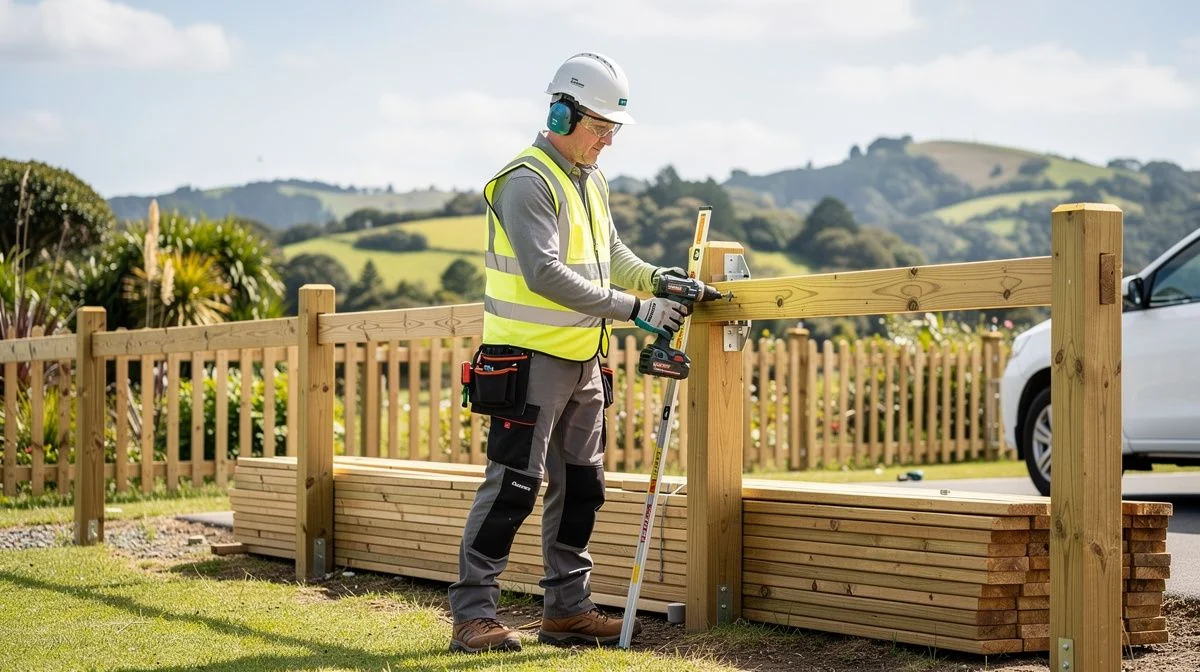
Best Fencing Contractors in West Coast
Whether you're securing a lifestyle block near Greymouth, putting up a boundary fence in Hokitika, or replacing an old post-and-wire on a dairy farm near Westport, finding the right fencing contractor on the West Coast makes all the difference. The region's wet climate, strong winds, and rugged terrain demand fences that can handle a good hammering. A local contractor who knows the conditions will save you time, money, and headaches.
Fencing isn't a job you want to DIY if you need it to last – especially on the Coast. From post holes in rocky ground to council consent for certain boundary lines, a professional brings the gear, the knowledge, and the experience. This page covers what to look for, what to ask, and how to get the best result for your property.
What to look for when hiring a fencing contractor in West Coast
Local experience with Coast conditions
On the West Coast, you need a team that understands high rainfall, clay soils, and salt-laden air near the coast. Timber fences rot faster if not treated properly, and steel can rust if the wrong grade is used. A contractor who has worked on the Coast will know which materials hold up and which post spacings suit the ground.
Licensing and insurance
Check that the contractor has current public liability insurance and, where required, a building practitioner licence. Many fencing jobs are exempt from building consent, but retaining walls over 1.5 metres or fences near driveways might need council approval. Ask for proof of insurance and any relevant certifications before work starts.
References and recent work
Ask for examples of similar jobs they've done nearby. A good contractor will happily show you photos or put you in touch with past clients. Look for straight lines, consistent post heights, and clean joins. On the Coast, also check that the finish has held up over time – no rot or rust after a couple of winters.
Transparent quoting process
A reliable contractor will visit your site, discuss your needs, and give a written quote. They should itemise materials, labour, and any extras like gate installation or tree removal. Be wary of quotes given over the phone without seeing the ground – on the Coast, hidden rocks and drainage issues can blow out a fixed price.
- Ask if they handle all stages – clearing, post holes, concrete, and finishing
- Check whether they supply materials or expect you to buy them
- Confirm they have the right equipment for rocky or sloping sites
- Ensure they will dispose of old fencing materials responsibly
Key questions to ask before hiring
Don't be shy about grilling a potential contractor. A few good questions upfront save you from costly surprises later.
Can you provide a detailed written quote?
Request a breakdown of costs including materials, labour, travel (particularly if you're remote), and any disposal fees. Ask for a timeline and what happens if the ground is harder than expected.
What fencing materials do you recommend for this site?
On the Coast, treated pine, macrocarpa, and galvanised steel are common choices. The contractor should explain why a particular material suits your soil type and weather exposure. If they push one product without discussing alternatives, ask why.
Do you handle council consent if needed?
Some boundary fences or fences over a certain height require a resource consent or building consent. Check with your local council for current requirements. Ask the contractor whether they will include consent fees in the quote or help you lodge the paperwork.
What is your policy on variations?
If extra work arises – say, a hidden stump or a rock that needs blasting – how is it charged? A fair contractor will agree a rate for variations in writing before starting.
Do you offer a warranty on workmanship?
Most reputable fence builders stand behind their work for at least a year. Ask what's covered and for how long. A written warranty gives you peace of mind if posts shift or gates sag later.
Tips for getting the best results
Even with a great contractor, a bit of preparation on your part makes the job smoother and the final fence stronger.
Mark your boundaries clearly
Before work begins, check your property title or get a survey if there's any doubt. Marking corners with pegs or spray paint prevents costly mistakes and neighbour disputes. On rural blocks, you may need a registered surveyor to confirm the line.
Think about gates and access
Plan where gates will go for vehicles, livestock, or foot traffic. Consider the swing direction and whether you need self-closing hinges. If you have farm machinery, ensure the gate width is enough – 3.6 metres is typical for a single farm gate, but check your needs.
Prepare the site before the crew arrives
Clear any long grass, fallen timber, or debris along the fence line. Move vehicles and machinery out of the way. If the contractor is bringing in a post driver or digger, ensure there's a clear access track.
Communicate with neighbours
If you're building a boundary fence, notify your neighbour early. The Fencing Act 1978 outlines cost-sharing rules – typically 50/50 for an adequate fence. A written agreement avoids arguments later. A good contractor can help mediate if needed.
Inspect the work as it progresses
Visit the site while posts are going in. Check that they're set at the right depth (usually 600 mm or deeper on the Coast) and that the line is straight. If you spot an issue early, it's much easier to fix than after the rails are nailed on.
A note about costs and getting quotes
Fencing costs on the West Coast vary depending on the material, terrain, and access. Timber post-and-rail fences typically cost less than steel or concrete, but require more maintenance in wet climates. Labour rates also differ between towns and remote rural areas – expect a bit more for travel if you're far from the main centres.
Get at least three quotes from different contractors. Compare not just the total price but the scope of work, materials specified, and the timeline. The cheapest quote isn't always the best value – a slightly more expensive contractor who uses quality materials and offers a warranty could save you money in the long run.
Ask each contractor about payment schedules. Most ask for a deposit (often 25–30%) and then progress payments or payment on completion. Never pay the full amount upfront. A written contract should clearly state the payment terms, start and finish dates, and what happens if delays occur.
Finally, remember that a well-built fence on the Coast is an investment. Whether it's keeping stock in, children safe, or simply marking your boundary, spending a bit more upfront with a reputable contractor means fewer repairs and replacements down the track. Take your time, ask questions, and choose someone who knows the Coast as well as you do.

The ValueHub Team built this site because finding clear, unbiased financial information in New Zealand was harder than it should be. Every guide is based on real research — we compare the actual fees, terms, and fine print so you don't have to. Our tip: shop around every year, read the policy docs, and never assume loyalty gets you the best deal.— The ValueHub Team
Try our Calculators
Use these free tools to crunch the numbers:
KiwiSaver Fund Comparison
Compare fees, returns, and risk levels across every KiwiSaver fund from all 31 NZ providers.
Currency Converter — USD to NZD
Convert US Dollars to New Zealand Dollars instantly. See the latest exchange rate and 30-day trend.
Mortgage Repayment Calculator
Calculate your weekly, fortnightly, or monthly mortgage repayments. Free NZ mortgage calculator — try different rates, terms, and repayment frequencies.
Compound Interest Calculator
See how your savings grow with compound interest over time. Free NZ compound interest calculator with yearly, monthly, and weekly compounding options.
Term Deposit Calculator
Calculate your term deposit returns before you lock in. Compare interest earned across different terms and rates with ValueHub's free calculator.
Savings Goal Calculator
Calculate how long it will take to reach your savings goal — and what monthly deposit you need to get there. Free NZ savings planner.
Fencing Contractors in Other Cities
Latest Guides & Reviews
New Zealand Financial Markets Authority Guide: Investor Protection in NZ
Protect your investments with this practical guide to the FMA — how to check licences, spot scams, and what to do if a provider fails. Verified against...
comparisonEV Home Charger NZ: Costs & Buying Guide
Compare EV home charger costs in NZ — verified prices from $1,299, installation fees, smart features, and what actually matters for your home's power supply.
guideThe Most Popular EVs in New Zealand
The best-selling electric cars in New Zealand, ranked by official registration data. Top BEV and PHEV models and brands, updated monthly.
guideEV Market Stats
New Zealand's EV market in numbers — market share, fleet size, top-selling models and used imports, updated with the latest NZTA and MIA data.