Best Fencing Contractors in Whakatane
Published 5 February 2025 · Updated 30 June 2026
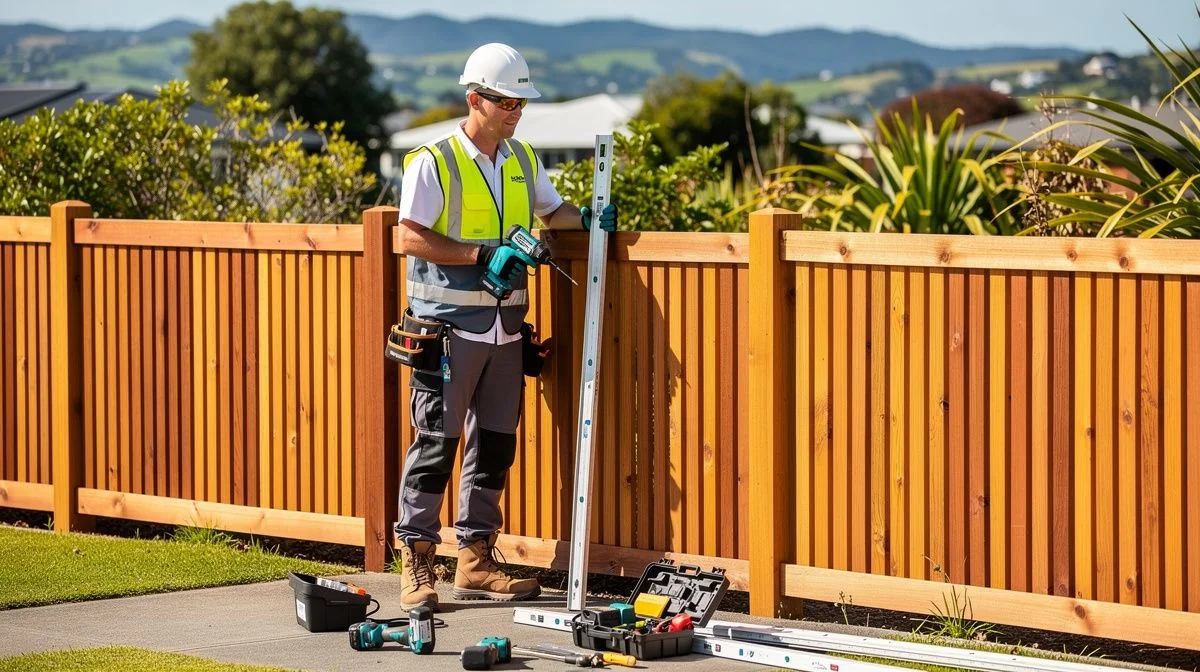
Best Fencing Contractors in Whakatane
Whether you're looking to section off your back paddock, keep the kids and pets safe in the front yard, or add a bit of privacy to your Whakatane property, finding the right fencing contractor makes all the difference. With the Bay of Plenty's coastal climate – plenty of sun, onshore breezes, and the occasional hefty rainfall – your fence needs to be built to last. Local contractors understand these conditions and know which materials and methods work best in our area.
But not all fencing contractors are created equal. Some specialise in rural fencing, others focus on residential sections, and a few offer both. Taking a bit of time to choose the right team will save you headaches (and money) down the track. Here's a practical guide to help you find a fencing contractor in Whakatane you can trust.
What to look for when hiring a fencing contractor in Whakatane
When you're inviting someone onto your property to do a job that can cost thousands, you want to be confident they'll do it properly. Here are the key things to check before you commit.
- Experience with local conditions. Whakatane's soil can vary from sandy near the coast to heavier clay further inland. A contractor who's worked locally will know how to handle post holes, drainage, and wind-loading requirements for your specific site.
- Appropriate licensing and insurance. In New Zealand, fencing contractors don't need a specific licence, but they should have public liability insurance and – if they're doing any earthworks or foundations – the relevant works cover. Ask to see their policy. Also check with Whakatane District Council whether a building consent is needed for your fence (generally not for fences under 2.5m, but rules can vary).
- A solid portfolio or references. Ask to see examples of recent work in Whakatane or the wider Bay of Plenty. If possible, speak to a past client. A contractor who's happy to provide references is usually one who's proud of their work.
- Communication style. Do they return calls and emails promptly? Do they explain things clearly? Good communication upfront often means fewer surprises during the job.
- Warranty on workmanship. Most reputable contractors offer a warranty of at least 12 months on their labour. Check the details – it should cover issues like posts moving or gates sagging due to faulty installation.
Key questions to ask before hiring
Don't be shy about asking questions. A good contractor expects them. Here are the ones that really matter.
- Are you familiar with Whakatane District Council's fencing rules? Even if a consent isn't required, there may be restrictions on fence height, materials near the road, or boundary placements. A local contractor should know the regulations or know how to check them.
- Do you handle all the site preparation yourself? Some contractors expect you to clear vegetation or mark boundary lines. Others include that in their service. Clarify early so there are no misunderstandings.
- How long will the job take? Weather can delay outdoor work in Whakatane, but a good contractor will give you a realistic timeline and keep you updated if things change.
- What materials do you recommend for this site? Coastal areas often need galvanised steel or treated timber to resist salt spray and moisture. Ask why they recommend specific materials – a good answer shows they've thought about your situation.
- Will you be on site every day, or will subbies be used? Some contractors run multiple jobs at once and send different crews. It's fine to use subcontractors, as long as they're experienced and covered by insurance too.
- What happens if there's an issue after the job is finished? A written warranty and clear process for follow-ups gives you peace of mind.
Tips for getting the best results
You can help your fencing project go smoothly by doing a bit of groundwork yourself.
- Know your boundaries. Before anyone picks up a shovel, check your property title and get the boundaries confirmed. Building a fence on the wrong side of the line can cause neighbour disputes that are expensive to fix.
- Talk to your neighbours. In New Zealand, neighbours often share the cost of a boundary fence (under the Fencing Act 1978). A friendly chat early on can save awkward conversations later. Even if they don't contribute, letting them know your plans is good manners and can prevent objections.
- Prepare the site. Mow grass, remove obstacles, and mark any underground services (water pipes, power cables). Some contractors include this in their quote, but many appreciate the site being ready to go.
- Get a written contract. A simple but clear agreement should include the scope of work, materials list, timeline, payment schedule, and warranty details. Never rely on a handshake alone – things can go wrong.
- Be present during the build. You don't need to hover, but being around at the start and key milestones (like post holes being dug or concrete being poured) allows you to check things are on track before they're covered up.
- Think about future access. If you might want to add a gate, extend the fence, or run services along the boundary later, plan for it now. It's cheaper to put in a few extra sleeves or a gravel strip during installation than to dig it up later.
A note about costs and getting quotes
Fencing costs in Whakatane vary depending on the type of fence, materials, labour, site access, and how much site preparation is needed. Timber paling fences are generally the most affordable option, while concrete, aluminium, or custom-designed fences cost more. Rural fencing (e.g. post and wire, deer fencing) has its own pricing based on terrain and length.
Most fencing contractors offer free quotes. Get at least three written quotes from different contractors. This gives you a sense of the market rate and helps you spot quotes that are unusually high or low – and both can be red flags. A very low quote might mean corners will be cut; a very high one might not reflect better quality.
When comparing quotes, look beyond the total price. Check what's included: does it cover removing old fence? Disposal fees? Holes in rocky ground? Finishing treatments? A detailed quote is a sign of a thorough contractor.
Payment terms vary, but a common structure is a deposit (typically 10–20%) to secure the job, followed by progress payments or a final payment on completion. Avoid paying the full amount upfront. A reputable contractor will be happy with a fair arrangement.
Finally,

The ValueHub Team built this site because finding clear, unbiased financial information in New Zealand was harder than it should be. Every guide is based on real research — we compare the actual fees, terms, and fine print so you don't have to. Our tip: shop around every year, read the policy docs, and never assume loyalty gets you the best deal.— The ValueHub Team
Try our Calculators
Use these free tools to crunch the numbers:
PAYE Calculator
Calculate your take-home pay after PAYE tax, ACC, KiwiSaver, and student loan deductions.
Compound Interest Calculator
See how your savings grow with compound interest over time. Free NZ compound interest calculator with yearly, monthly, and weekly compounding options.
Mortgage Repayment Calculator
Calculate your weekly, fortnightly, or monthly mortgage repayments. Free NZ mortgage calculator — try different rates, terms, and repayment frequencies.
Term Deposit Calculator
Calculate your term deposit returns before you lock in. Compare interest earned across different terms and rates with ValueHub's free calculator.
Savings Goal Calculator
Calculate how long it will take to reach your savings goal — and what monthly deposit you need to get there. Free NZ savings planner.
Credit Card Repayment Calculator
See how long it really takes to pay off your credit card — and how much interest you could save by paying more each month. Free NZ calculator.
Fencing Contractors in Other Cities
Best Fencing Contractors in Auckland
Best Fencing Contractors in Wellington
Best Fencing Contractors in Christchurch
Best Fencing Contractors in Hamilton
Best Fencing Contractors in Tauranga
Best Fencing Contractors in Dunedin
Latest Guides & Reviews
US Dollar to NZD: A Practical Guide for Kiwis
Compare the true cost of buying USD in NZ. We reveal the fees, margins, and hidden charges banks, Wise, and airport desks add to every US dollar transfer.
reviewUnderstanding NZ Council Rates
Follow a single rates dollar from your bank account to see where it really goes and how councils set your bill.
comparisonBest Gold and Platinum Credit Cards in New Zealand
Best gold and platinum credit cards in NZ compared: when a $150 annual fee pays for itself through travel insurance and perks.
guideBest Investment Managers in New Zealand
Compare Fisher Funds, Milford, and Pie Funds in this practical guide to vetting NZ investment managers before you trust them with your money.