Best Glaziers in Dunedin
Published 11 September 2026 · Written by the ValueHub team · Reviewed by Steve Baron

The Coldest Homes, and the Best Return on Glass in the Country
No main centre combines cold winters, a long heating season and old, generously glazed houses the way Dunedin does. The villas were designed around large sash windows, high ceilings, and open fires, and many have been altered over the decades without changing the glass. Big single panes in a cold room are the weakest point in the thermal envelope, which is why better glass earns its keep here more clearly than anywhere else.
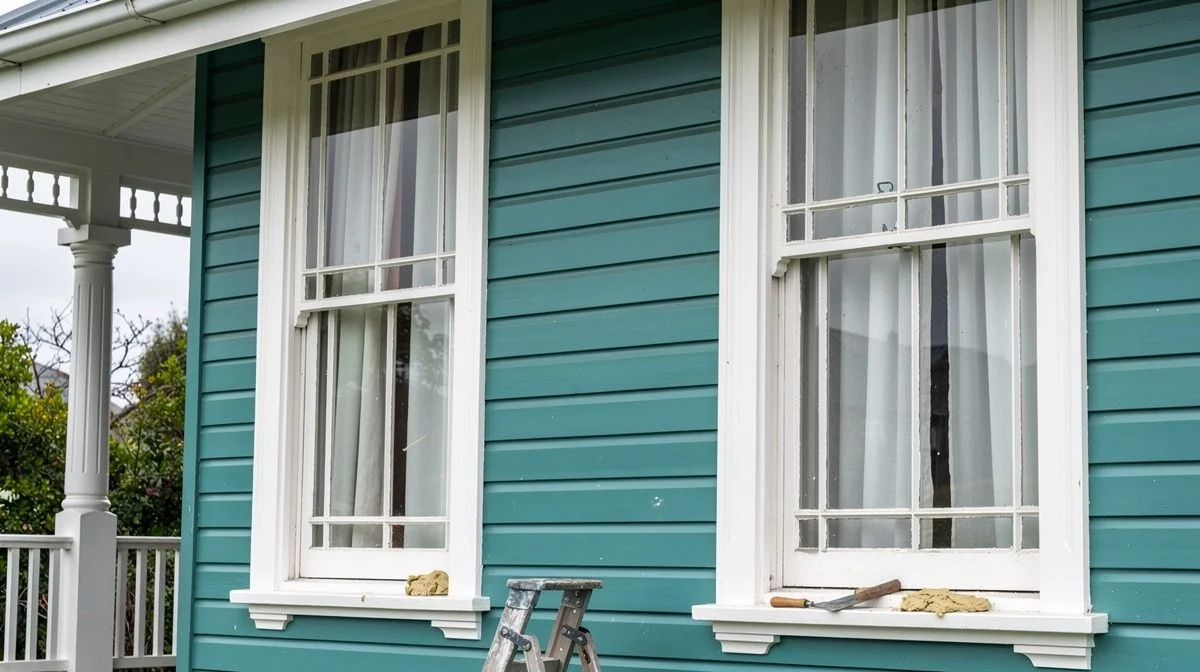
Most retrofit work happens in timber sashes, and that changes the economics. Timber units are usually custom-made, and the frames need preparation, so they cost more than aluminium. A sound timber sash can be retained and re-glazed, preserving the character of the house and avoiding the cost of new frames, but timber can look perfectly sound under paint while the bottom rail has quietly rotted.
So start with the rooms that never warm up. Bedrooms and south-facing rooms are the coldest and least sunny, and high-ceilinged living spaces lose heat upward through large windows. A whole-home re-glaze runs roughly $12,000 to $35,000, which is why most households stage the work room by room. Safety glass near doors, at low level and in wet areas is required, and older homes get no exemption.
How We Researched This Guide
We compared published New Zealand glazing prices for retrofit double glazing and full window replacement, then worked through how those figures change for a cold-climate villa or bungalow.
Dunedin's stock is old and full of large single-glazed openings, which makes the retrofit case unusually strong — and makes frame condition the deciding factor. Where published ranges disagree, we give the range. We also confirmed the building code rules on safety glass, which apply regardless of the house's age.
Our Trusted Glaziers
We feature businesses that demonstrate strong performance, proven experience, and consistently positive customer feedback. Some of the providers listed may have commercial relationships with us, but all are selected based on quality and reliability.
To begin, reach out to them and speak with them directly — this helps you explain your job, ask questions, and confirm whether they're the right fit.
PVC European double glazing designed for New Zealand homes. Thermalframe offers the best in European uPVC windows and doors, providing exceptional thermal performance without compromising the aesthetic integrity of your home.
The 60-Second Version
- Retrofit double glazing into existing frames costs roughly $450–$800 per square metre, commonly quoted at $600–$800.
- Full replacement with thermally broken frames runs about $800–$1,600 per square metre.
- Retrofit is typically 30–60 per cent cheaper than full replacement.
- Cold climate plus high heating demand makes the energy case here the strongest of any main centre.
- Do the coldest, least sunny rooms first — bedrooms and south-facing rooms, not the lounge.
- Safety glass near doors, at low level and in wet areas is required, and older homes get no exemption.
What Glazing Costs in Dunedin
Establish which basis you are being quoted on — per square metre, per pane or per window — before you compare anything.
| Work | Typical cost |
|---|---|
| Retrofit double glazing, existing frames | $450–$800 per m² |
| Standard retrofit, commonly quoted | $600–$800 per m² |
| Full replacement, thermally broken frames | $800–$1,600 per m² |
| Per pane | $350–$800 |
| Per window | $300–$1,000 |
| Aluminium retrofit, per pane | $400–$850 |
| Timber retrofit, per pane | $800–$1,200 |
| A few standard single panes replaced | $400–$1,500 |
| Whole-home re-glaze to double glazing | $12,000–$35,000 |
Indicative New Zealand glazing prices as at September 2026. Ranges exclude GST unless stated. Frame condition, the share of safety glass and installation complexity move these figures substantially — always obtain a written quote for your own property.
Why the Numbers Work Better Here
Double glazing works by slowing heat loss through the glass. In a mild climate, that saving is modest, because there is little heating to replace. Dunedin is not a mild climate. The gap between indoor and outdoor temperature is wide for much of the year, so a single-glazed window loses heat quickly for a long stretch.
The old villas make it worse. They were designed around large sash windows, high ceilings, and open fires, and many have been altered over the decades without changing the glass. Big single panes in a cold room are the weakest point in the thermal envelope.
That is why the return per dollar on glass is better here than in the northern centres. The same retrofit that is a comfort purchase in Tauranga is closer to a genuine energy measure in Dunedin.
Villas, Sash Windows and the Retrofit Question
Most Dunedin retrofit work happens in timber sashes and older timber frames, and that changes the economics. Timber retrofit per pane runs about $800–$1,200, compared with $400–$850 for aluminium, because the units are usually custom-made and the frames need preparation.
Timber is the most expensive frame material overall, with uPVC and aluminium the cheapest. But a sound timber sash can be retained and re-glazed, which preserves the character of the house and avoids the cost of new frames entirely.
The trap is the same everywhere, and it is sharper in old timber: a cheap retrofit into a frame that is already soft, bowed or leaking. Timber can look perfectly sound under paint while the bottom rail has quietly rotted, and new glass will not save it.
Ask the glazier to check the sills, bottom rails, and joints before measuring anything. If the timber is sound, retrofit is the value choice. If it is not, you are looking at replacement.
Where to Start: The Rooms That Never Warm Up
The biggest energy gains come from the coldest, least sunny rooms first — bedrooms and south-facing rooms — not the living areas. That strategy makes a staged re-glaze affordable when whole-home pricing starts around $12,000.
Bedrooms
You spend eight unheated hours in a bedroom, and cold glass over a bed radiates cold directly onto you. A bedroom window is often the highest-value single pane in the house.
South-Facing Rooms
A south-facing room gets no direct sun at any time of year. In Dunedin, that means it relies entirely on heat from the rest of the house, so glazing performance matters more there than anywhere else.
High-Ceilinged Living Spaces
Villas lose a lot of heat upward, and large windows are another point of loss. Once the worst rooms are done, big living-area glazing is the next sensible step.
Condensation or a Leak?
Both leave water on a window, and both are common in Dunedin's old housing. They are not the same problem, and they do not have the same fix.
Condensation forms on the room-side surface, collects in the bottom channel of the frame, and appears when the house is warm and the air outside is cold. It is heaviest in the morning and clears as the day warms. Water on the inside face means the house is producing more moisture than the glazing can handle — and in a cold city with the heating on, that is most mornings.
A leak appears on the sill or the wall below the window regardless of temperature, often after rain and often in one spot. Staining on the reveal, lifted paint or a patch that grows after a storm points to the frame or the flashing, not the glass.
Mist between the panes of an existing double-glazed unit means the seal has failed. That unit needs replacing and cannot be repaired.
Safety Glass on Older Homes
Safety glass is required in specific locations under the building code — near doors, at low level, and in wet areas. Older houses do not get an exemption. A villa with full-height glazing beside the front door needs safety glass there, regardless of what was installed originally.
This is not an upsell, and it is one of the main cost drivers on a retrofit, because safety glass costs more than standard glass of the same size. If a quote looks unusually low for an old house, check the safety-glass locations first.
Choosing a Glazier in Dunedin
Ask what the quote is based on, and ask for the frame assessment in writing. On old timber sashes, that assessment is everything, because a retrofit is only as good as the frame underneath it.
Ask how the glazier will handle the existing timber: whether the sashes come out, how they are prepared, and what happens if rot is found once the glass is removed. That answer tells you a great deal.
Warning Signs
- A price that undercuts everyone. On custom timber units, a very low price usually means a missed step in measurement or preparation.
- No frame inspection. Old timber hides rot until the glass comes out, and the quote should reflect a proper inspection.
- Safety glass offered as optional. It is required near doors, at low level and in wet areas.
- No provision for rot. Ask what happens if the frame is worse than it looked, and get that answer in writing.
- No warranty on the sealed unit. Sealed units fail, and replacement should be covered.
Questions You Might Have
Does double glazing pay for itself in Dunedin?
The case is stronger here than in any other main centre, because heating demand is high and the heating season is long. It is still an efficiency and comfort measure rather than a guaranteed financial return.
Can you retrofit into old timber sashes?
Often yes, if the timber is sound. Custom units are made to the original opening, and a timber retrofit per pane runs about $800–$1,200.
Should I replace the frames at the same time?
Only if the frames are failing; if they are sound, it's better to spend the money on glazing more windows than on new frames for the same windows.
Will new glass stop the windows streaming with water?
It reduces condensation because the inside pane stays warmer. It will not stop it entirely if the house is damp and poorly ventilated.
What Matters Most
Dunedin is the city where better glass earns its keep most clearly. The climate is cold, the heating season is long, and the stock is old and heavily glazed.
That makes the decision straightforward in principle, but difficult on a budget. Work through the coldest rooms first, insist on a written frame assessment, and retrofit if the timber is sound. If it is not, replace. You can compare options and find local glaziers through the Glaziers Trade Hub.

The ValueHub Team built this site because finding clear, unbiased financial information in New Zealand was harder than it should be. Every guide is based on real research — we compare the actual fees, terms, and fine print so you don't have to. Our tip: shop around every year, read the policy docs, and never assume loyalty gets you the best deal.— The ValueHub Team
Try our Calculators
Use these free tools to crunch the numbers:
KiwiSaver Fund Comparison
Compare fees, returns, and risk levels across every KiwiSaver fund — the most up to date data in New Zealand.
Currency Converter — USD to NZD
Convert US Dollars to New Zealand Dollars instantly. See the latest exchange rate and 30-day trend.
Mortgage Repayment Calculator
Calculate your weekly, fortnightly, or monthly mortgage repayments. Free NZ mortgage calculator — try different rates, terms, and repayment frequencies.
Compound Interest Calculator
See how your savings grow with compound interest over time. Free NZ compound interest calculator with yearly, monthly, and weekly compounding options.
Term Deposit Calculator
Calculate your term deposit returns before you lock in. Compare interest earned across different terms and rates with ValueHub's free calculator.
Savings Goal Calculator
Calculate how long it will take to reach your savings goal — and what monthly deposit you need to get there. Free NZ savings planner.
Glaziers in Other Cities
Latest Guides & Reviews
Kōura KiwiSaver Scheme Review
Kōura KiwiSaver review: 13 open funds, fund charges from 0.63 to 1.10 per cent, and net returns to 30 June 2026.
reviewMaritime KiwiSaver Scheme Review
Maritime KiwiSaver review: 3 open funds, fund charges from 0.61 to 0.76 per cent, and net returns to 31 March 2026.
reviewMAS KiwiSaver Scheme Review
MAS KiwiSaver review: 7 open funds, fund charges from 0.25 to 0.98 per cent, and net returns to 30 June 2026.
reviewArotahi KiwiSaver Scheme Review
Arotahi KiwiSaver review: 1 open fund, a 0.77 per cent fund charge, and net returns to 31 March 2026. What the Government register shows you pay and get back.