Best Glaziers in Lower Hutt
Published 11 September 2026 · Written by the ValueHub team · Reviewed by Steve Baron
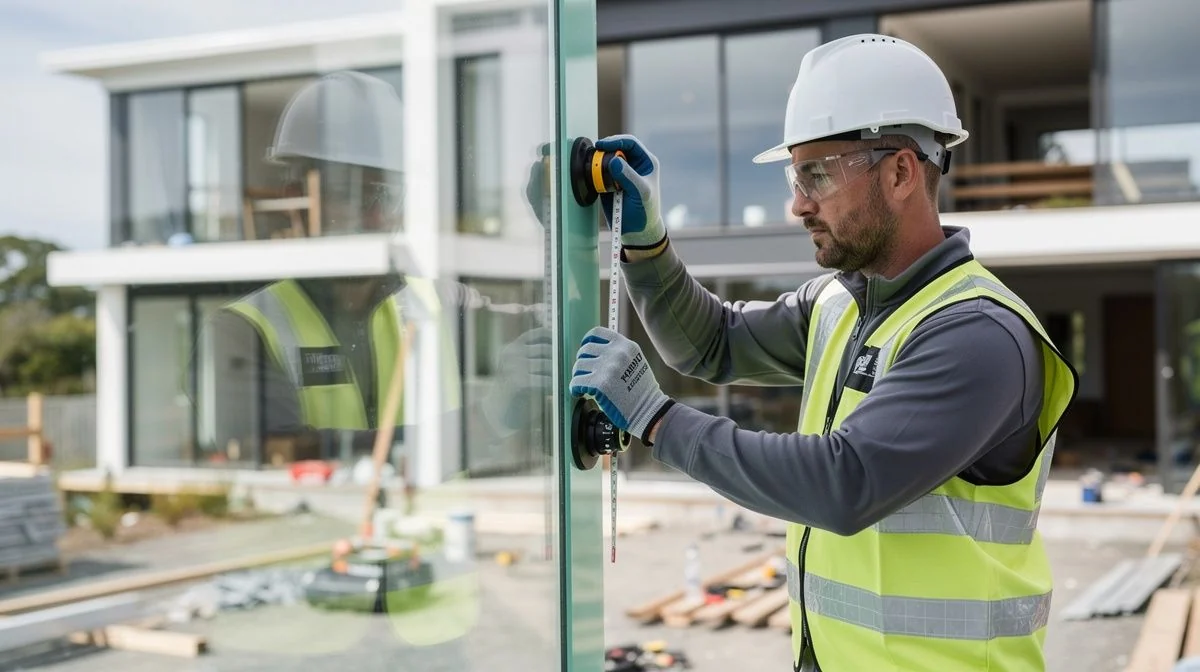
Valley Floors, Weatherboard and Joinery That Have Done Their Time
Lower Hutt's housing and geography explain why so many local homes feel cold and damp in winter. Cold air drains off the western hills and settles on the valley floor overnight, so homes in those lower pockets start the morning colder than houses further up the same street. Much of the housing sitting in that cold pool was built from weatherboard with single glazing, and their windows show it first.
The other local factor is joinery. A large share of Hutt homes still have their original aluminium frames, built without a thermal break, so the frame itself conducts cold from outside to inside. That means condensation on the frame as well as the glass, draughty seals, and hardware that no longer pulls a window shut tightly. A retrofit unit improves the glass, but it cannot add a thermal break or fix a sash that no longer seals.
Start with the coldest, least sunny rooms, which means bedrooms, south-facing rooms, and rooms sitting lowest on the section. Retrofit keeps your frames and replaces the glass, and it is worth doing where the joinery is straight and sound. Where frames are corroded or badly out of square, new glass is money spent on the wrong half of the window, and full replacement is the better answer. Safety glass near doors, at low level and in wet areas is required either way.
How We Researched This Guide
We compared published New Zealand glazing prices for retrofit double glazing and full window replacement, then worked through how those numbers change in the Hutt Valley specifically.
Frame type is the big local variable. Many homes here still have original aluminium joinery, which materially changes what a retrofit can achieve. Where published ranges disagree, we give the range. We also confirmed the building code rules on safety glass, which apply to every home regardless of its age.
Our Trusted Glaziers
We feature businesses that demonstrate strong performance, proven experience, and consistently positive customer feedback. Some of the providers listed may have commercial relationships with us, but all are selected based on quality and reliability.
To begin, reach out to them and speak with them directly — this helps you explain your job, ask questions, and confirm whether they're the right fit.
Wellington Glass & Mirror are expert glaziers, specialising in glass repair, double glazing and specialty glass projects. Call now. We provide friendly, reliable and professional glass and glazing services in the wider Wellington and Hutt Valley areas for residential and light commercial customers.
PVC European double glazing designed for New Zealand homes. Thermalframe offers the best of European uPVC windows and doors that provide exceptional thermal performance, without compromising the aesthetic integrity of your home.
The 60-Second Version
- Retrofit double glazing into existing frames costs roughly $450–$800 per square metre, commonly quoted at $600–$800.
- Full replacement with thermally broken frames runs about $800–$1,600 per square metre.
- Retrofit is typically 30–60 per cent cheaper than full replacement.
- Original aluminium joinery has no thermal break, so a retrofit improves the glass but not the frame.
- Do the coldest, least sunny rooms first — bedrooms, south-facing rooms, and rooms sitting lowest on the section.
- Safety glass near doors, at low level and in wet areas is required, not optional.
What Glazing Costs in the Hutt
Establish which basis you are being quoted on — per square metre, per pane or per window — before you compare anything.
| Work | Typical cost |
|---|---|
| Retrofit double glazing, existing frames | $450–$800 per m² |
| Standard retrofit, commonly quoted | $600–$800 per m² |
| Full replacement, thermally broken frames | $800–$1,600 per m² |
| Per pane | $350–$800 |
| Per window | $300–$1,000 |
| Aluminium retrofit, per pane | $400–$850 |
| Timber retrofit, per pane | $800–$1,200 |
| A few standard single panes replaced | $400–$1,500 |
| Whole-home re-glaze to double glazing | $12,000–$35,000 |
Indicative New Zealand glazing prices as at September 2026. Ranges exclude GST unless stated. Frame condition, the share of safety glass, and installation complexity can move these figures substantially — always obtain a written quote for your property.
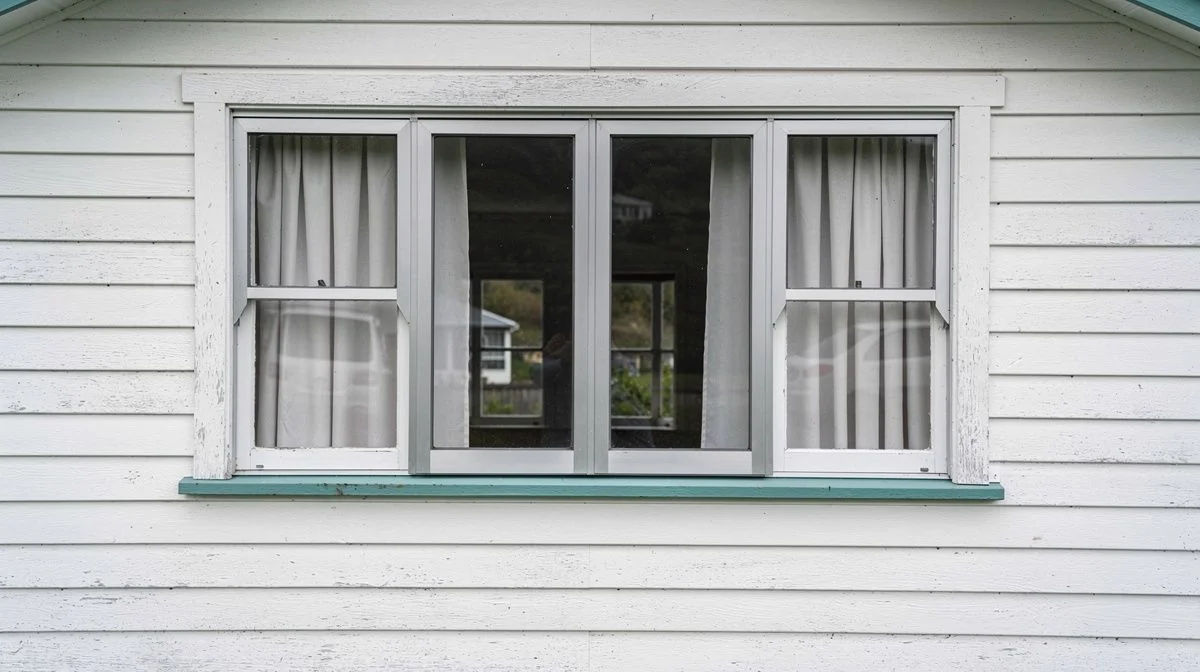
Original Aluminium Joinery and the Limits of Retrofit. Many Lower Hutt homes still have their original aluminium joinery, and that is the most important thing to understand before you request a quote. Those frames were built without a thermal break, so the frame itself conducts cold from outside to inside.
The result is condensation on the frame as well as the glass, draughty seals, and hardware that no longer pulls the window shut tightly. A retrofit unit improves the glass. It cannot add a thermal break to a frame that does not have one, and it will not fix a sash that no longer seals.
So retrofit on original aluminium is worthwhile and a genuine improvement, but it is not the same product as a new thermally broken window.
Cold Air, Valley Floors and the Rooms That Never Warm Up
The biggest gains come from the coldest, least sunny rooms first — bedrooms and south-facing rooms, not the living areas in a valley suburb; that usually means the rooms that never see sun.
Valley-Floor Rooms
Cold air is denser than warm air, so it drains downhill overnight and collects at the bottom of the valley. Homes in those lower pockets start the morning colder than houses further up the same street, and their single glazing shows it first.
Bedrooms
Bedrooms are unheated for the longest stretches and occupied for the longest continuous period. Cold glass beside a bed radiates cold directly onto you, which is why bedrooms belong in the first stage of any staged job.
South-Facing Rooms
No direct sun at any time of year, and in a valley that also means no drying. These rooms hold moisture longer, and condensation on old glass turns into mould on curtains and reveals.
Retrofit or Full Replacement?
Retrofit keeps your frames and replaces the glass, and it is typically 30–60 per cent cheaper than full replacement. In Lower Hutt, the choice usually comes down to the joinery.
Original aluminium frames that are straight and sound can take a retrofit unit and improve noticeably. Frames that are corroded, badly out of square, or have failed seals and hardware are a different proposition. New glass in a frame like that is money spent on the wrong half of the window.
That is the trap with a cheap retrofit. On an old frame, the new unit looks perfect on installation day while the draughts and water paths remain behind it. You pay twice: once for the glass, and again when you finally have to replace the frame.
Full replacement costs more per square metre, but it fixes the frame, sealing, and alignment, and it is warrantable as a complete system rather than a glass-only job.
Condensation and Leaks in Weatherboard Homes
Weatherboard houses are draughty in ways that hide problems. Air moving through the building dries some surfaces so that moisture damage can go unnoticed for a long time.
Condensation forms on the room-side surface of the glass, usually in the bottom frame channel, and appears when the house is warm inside and cold outside. It is heaviest in the morning and clears as the day warms. Water on the inside face is a moisture problem, not a window failure.
A leak behaves differently. Water reaches the sill or the wall below regardless of temperature, often after rain and often in one spot. Staining on the reveal, lifted paint, or a patch that grows after a storm points to a frame or flashing problem, and glazing will not fix it.
Mist between the panes of an existing double-glazed unit means the seal has failed. That unit needs replacing.
Safety Glass: The Rule That Does Not Move
Safety glass is required in specific locations under the building code — near doors, at low level and in wet areas. It is not optional, and a glazier cannot leave it out to meet a price.
In older homes, this is a common source of surprise. A door with a full-height glass panel beside it, a low window above a bench, or bathroom glazing typically requires safety glass, regardless of what was installed originally. Because safety glass costs more than standard glass, it is one of the main cost drivers on any retrofit quote.
Choosing a Glazier in Lower Hutt
Ask for the frame assessment in writing, and be specific about what you want checked: frame material, corrosion at the sill, whether the sashes still close squarely, and the condition of seals and hardware.
Ask what happens if the frames turn out to be worse than they looked once the glass is out. On original joinery, that is a realistic possibility, and you want to know before work starts.
Warning Signs
- No frame inspection. On original aluminium or timber joinery, this is the only part that decides whether retrofit is worth doing.
- A price far below the others. It usually means standard glass where safety glass is required, or no allowance for frame repair.
- Claims that retrofit matches new double glazing. On a frame with no thermal break, it does not.
- No written product details. Glass type, thickness, coating and gas fill should be stated.
- No warranty on the sealed unit. Sealed units fail, and replacement should be covered.
Questions You Might Have
Is retrofit worth doing on original aluminium joinery?
Yes, if the frames are sound and straight. You get the benefit of the glass, but not the thermal break a new frame would give, so expect a real improvement rather than a transformation.
Why is my house colder than my neighbour's?
On the valley floor, the difference is often elevation and orientation. Cold air pools at low points overnight, so a house slightly uphill or on a sunnier side can be noticeably warmer.
How do I tell condensation from a leak?
Condensation appears on the inside glass in the morning when the house is warm and clears as the day warms. A leak appears on the sill or wall after rain, whatever the temperature, usually in one place.
Should I do the whole house at once?
Rarely. Doing the coldest, least sunny rooms first gives most of the comfort benefit at a fraction of the whole-home cost of $12,000–$35,000.
What Matters Most
Lower Hutt's cold is about where a house sits and what it is built from. Valley-floor sections collect the cold air, and older weatherboard homes with original single-glazed joinery let it straight in.
Get the frames assessed before you spend, because retrofit's value rests entirely on them. If they are sound, do the coldest rooms first and stage the rest. If they aren't, treat the job as a replacement. You can compare options and find local glaziers through the Glazier Trade Hub

The ValueHub Team built this site because finding clear, unbiased financial information in New Zealand was harder than it should be. Every guide is based on real research — we compare the actual fees, terms, and fine print so you don't have to. Our tip: shop around every year, read the policy docs, and never assume loyalty gets you the best deal.— The ValueHub Team
More Glaziers in Lower Hutt
These businesses also operate in this area.
Glass Group provides trusted glazing services across the Lower North Island. From residential to commercial glass, we deliver safe, high-quality results on time. Glass Group Limited is a 100% New Zealand-owned and operated glass and glazing supplier servicing the Lower North Island and Otago.
Try our Calculators
Use these free tools to crunch the numbers:
KiwiSaver Fund Comparison
Compare fees, returns, and risk levels across every KiwiSaver fund — the most up to date data in New Zealand.
Currency Converter — USD to NZD
Convert US Dollars to New Zealand Dollars instantly. See the latest exchange rate and 30-day trend.
Mortgage Repayment Calculator
Calculate your weekly, fortnightly, or monthly mortgage repayments. Free NZ mortgage calculator — try different rates, terms, and repayment frequencies.
Compound Interest Calculator
See how your savings grow with compound interest over time. Free NZ compound interest calculator with yearly, monthly, and weekly compounding options.
Term Deposit Calculator
Calculate your term deposit returns before you lock in. Compare interest earned across different terms and rates with ValueHub's free calculator.
Savings Goal Calculator
Calculate how long it will take to reach your savings goal — and what monthly deposit you need to get there. Free NZ savings planner.
Glaziers in Other Cities
Latest Guides & Reviews
Kōura KiwiSaver Scheme Review
Kōura KiwiSaver review: 13 open funds, fund charges from 0.63 to 1.10 per cent, and net returns to 30 June 2026.
reviewMaritime KiwiSaver Scheme Review
Maritime KiwiSaver review: 3 open funds, fund charges from 0.61 to 0.76 per cent, and net returns to 31 March 2026.
reviewMAS KiwiSaver Scheme Review
MAS KiwiSaver review: 7 open funds, fund charges from 0.25 to 0.98 per cent, and net returns to 30 June 2026.
reviewArotahi KiwiSaver Scheme Review
Arotahi KiwiSaver review: 1 open fund, a 0.77 per cent fund charge, and net returns to 31 March 2026. What the Government register shows you pay and get back.