Best Glaziers in Porirua
Published 11 September 2026 · Written by the ValueHub team · Reviewed by Steve Baron

Two Kinds of Home, Two Very Different Decisions
Porirua has two quite different kinds of homes, and that difference determines whether a glazing upgrade is worth doing at all. Homes in the newer subdivisions were built with double glazing already set into thermally broken frames, so the glazing is usually the best-performing part of the envelope. Be sceptical of anyone quoting a whole-home re-glaze on a modern house without explaining what is measurably wrong with the units already there.
The older eastern suburbs are where the work pays off. The housing stock is older, the windows are single-glazed, and in many cases the joinery has been in place for decades without any upgrade. These suburbs also sit in more exposed positions, with hill country and wind, so a southerly-facing room in an older house there is cold on a completely different scale from a new build on the same street.
Where a modern unit has misted between the panes, that is a failed seal and a single-unit replacement rather than a re-glaze of the house. On the older stock, the frames decide the approach: sound joinery takes a retrofit well, while rotten or corroded frames mean new glass is money spent on the wrong half of the window. Start with the coldest, least sunny rooms, and have the frames assessed in writing.
How We Researched This Guide
We compared published New Zealand glazing prices for retrofit double glazing and full window replacement, then worked through how those numbers change in a city with such a wide range of housing stock.
The main local variable is not climate — it is the age and condition of the joinery, which varies enormously between suburbs. Where published ranges disagree, we give the range. We also confirmed the safety glass rules, which apply equally in a new subdivision and on an older street.
Our Trusted Glaziers
We feature businesses that demonstrate strong performance, proven experience, and consistently positive customer feedback. Some of the providers listed may have commercial relationships with us, but all are selected based on quality and reliability.
To begin, reach out to them and speak with them directly — this helps you explain your job, ask questions, and confirm whether they're the right fit.
Our mobile on site service is available and we maintain a clean site policy. The use of glass safely provides a barrier for a balcony or pool whilst maintaining an unspoilt outlook for your pleasure. Our online Showroom has more images of Balustrade Systems . Make your kitchen or bathroom a feature of your home.
The 60-Second Version
- Retrofit double glazing into existing frames costs roughly $450–$800 per square metre, commonly quoted at $600–$800.
- Full replacement with thermally broken frames runs about $800–$1,600 per square metre.
- Retrofit is typically 30–60 per cent cheaper than full replacement.
- In newer subdivisions with modern joinery, there is usually nothing worth spending on.
- In older homes, the gains are large — do the coldest, least sunny rooms first.
- Safety glass near doors, at low level and in wet areas is required in every home, new or old.
What Glazing Costs in Porirua
Establish which basis you are being quoted on — per square metre, per pane or per window — before you compare anything.
| Work | Typical cost |
|---|---|
| Retrofit double glazing, existing frames | $450–$800 per m² |
| Standard retrofit, commonly quoted | $600–$800 per m² |
| Full replacement, thermally broken frames | $800–$1,600 per m² |
| Per pane | $350–$800 |
| Per window | $300–$1,000 |
| Aluminium retrofit, per pane | $400–$850 |
| Timber retrofit, per pane | $800–$1,200 |
| A few standard single panes replaced | $400–$1,500 |
| Whole-home re-glaze to double glazing | $12,000–$35,000 |
Indicative New Zealand glazing prices as at September 2026. Ranges exclude GST unless stated. Frame condition, the share of safety glass and installation complexity move these figures substantially — always obtain a written quote for your own property.
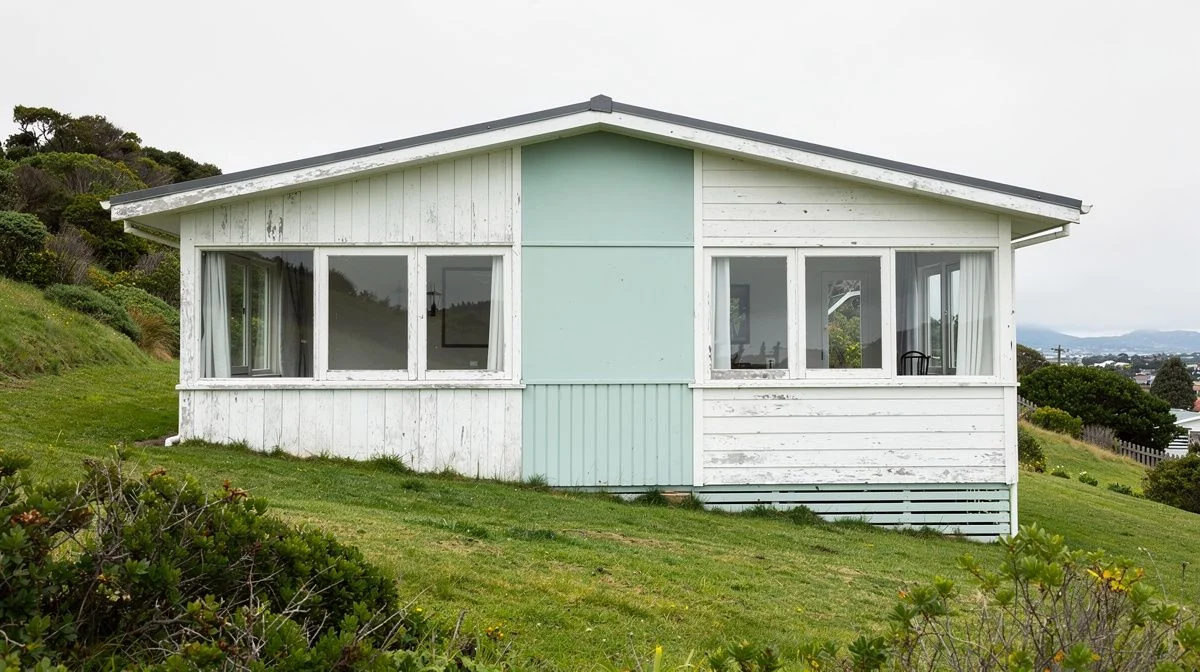
New Subdivisions: Where a Glass Upgrade Is Money Wasted
If you own a home in one of the newer subdivisions, the honest advice is that you probably do not need this work. Modern homes of that type are built with double glazing already installed in thermally broken frames, and the glazing is usually the best-performing part of the envelope.
There is one exception worth knowing. A sealed unit can fail, and failure shows as mist or droplets between the panes. That is a single unit replacement rather than a re-glaze of the house, and it should be covered by whatever warranty applies to the windows.
Be sceptical of anyone quoting a whole-home re-glaze on a modern house without explaining what is measurably wrong with the glazing already there.
Cannons Creek, Waitangirua and the Homes With Most to Gain
The older eastern suburbs are where glazing work pays off most in Porirua. The housing stock is older, the windows are single-glazed, and in many cases the joinery has been in place for decades without any upgrades.
That matters because the homes here are older and single-glazed throughout, so there is more to gain than in the newer subdivisions. A full re-glaze is a significant commitment, so the staged approach works: the coldest, least sunny rooms first, and the rest only if the benefit is clear.
These suburbs also sit in more exposed positions, with hill country and wind. A southerly-facing room in an older house there is cold on a completely different scale from a new build on the same street.
Retrofit or Full Replacement?
Retrofit keeps your frames and replaces the glass, and it is typically 30–60 per cent cheaper than full replacement. On older housing stock, that is where the decision starts.
The frames decide it. Older timber and early aluminium joinery can be perfectly serviceable, so retrofit is the value choice. If the frames are rotten, corroded or no longer closing, new glass is money spent on the wrong half of the window.
That is the trap with a cheap retrofit, and it is common where window maintenance has been deferred for years. The new unit looks excellent on installation day while the draughts and water paths are still there behind it, and you end up paying twice.
Full replacement costs roughly $800–$1,600 per square metre versus $450–$800 for a retrofit, but it fixes the frame, sealing, and alignment, and it is warrantable as a complete system.
Condensation in a Full House
Condensation is the most common window complaint in this city, and it is worth being clear about the cause. It forms when warm, moist indoor air meets a cold surface, and single glazing is exactly that. The water appears on the glass.
It sits on the room-side face, collects in the bottom frame channel, and is heaviest in the morning when the house is warm and the air outside is cold. Water on the inside face means the house is producing more moisture than it can clear, which is as much a ventilation issue as a glazing one. When several people share a home, that moisture load is even higher.
A leak looks different. Water arrives on the sill or the wall below regardless of temperature, often after rain and usually in one place. Staining, lifted paint, or a patch that grows after a storm means the frame or the flashing, not the glass.
Safety Glass and the Rules That Do Not Bend
Safety glass is required in specific locations under the building code — near doors, at low level and in wet areas. This applies in every home, new or old, and it is not a specification choice.
It is one of the main cost drivers on a retrofit quote, because safety glass costs more than standard glass of the same size. Older homes often have glazing in positions that now require safety glass even though the original installation predates that requirement. If a quote looks unusually low, check that it includes these locations.
Choosing a Glazier in Porirua
Ask for the frame assessment in writing, and ask what is specifically wrong with your existing glazing before anyone quotes a scope. In a city with this much variation in housing, the answer should be different for every house.
Ask what happens if the frames turn out to be worse than they looked once the glass is out, and get that answer in writing. On older joinery, it is a realistic outcome.
Warning Signs
- A whole-home re-glaze quoted for a modern home. Ask what is measurably wrong first.
- No frame inspection. On older Porirua housing, this is the only part that decides whether retrofit is worth doing.
- A price far below the others. It usually means standard glass where safety glass is required, or no allowance for frame repair.
- No written product details. Glass type, thickness, coating and gas fill should all be stated.
- No warranty on the sealed unit. Sealed units fail, and replacement should be covered.
Questions You Might Have
My house is a recent build. Do I need this?
Almost certainly not, unless a sealed unit has failed. Modern homes already have double glazing in thermally broken frames, and the glazing is rarely the weak point.
Why does the same job cost so much more in some suburbs?
Because it is not the same job; frame condition, access, and the age of the joinery vary enormously, and the housing stock changes from street to street.
Is double glazing worth it in an older Porirua home?
For comfort and moisture control, usually yes. Get the frames assessed first, because the value of a retrofit depends entirely on them.
What if I rent?
Tenancy standards focus on heating, ventilation and draught stopping rather than new glazing, so a re-glaze usually has to be the owner's decision.
What Matters Most
The first question in Porirua is which city you live in — the newer one with modern joinery, or the older one where single glazing still dominates. The answer decides whether you should spend anything at all.
If you are in the older stock, do the coldest rooms first and get the frames assessed in writing before you commit. If you are in a recent build, save your money unless a unit has failed. You can compare options and find local glaziers through the Glaziers Trade Hub.

The ValueHub Team built this site because finding clear, unbiased financial information in New Zealand was harder than it should be. Every guide is based on real research — we compare the actual fees, terms, and fine print so you don't have to. Our tip: shop around every year, read the policy docs, and never assume loyalty gets you the best deal.— The ValueHub Team
Try our Calculators
Use these free tools to crunch the numbers:
KiwiSaver Fund Comparison
Compare fees, returns, and risk levels across every KiwiSaver fund — the most up to date data in New Zealand.
Currency Converter — USD to NZD
Convert US Dollars to New Zealand Dollars instantly. See the latest exchange rate and 30-day trend.
Mortgage Repayment Calculator
Calculate your weekly, fortnightly, or monthly mortgage repayments. Free NZ mortgage calculator — try different rates, terms, and repayment frequencies.
Compound Interest Calculator
See how your savings grow with compound interest over time. Free NZ compound interest calculator with yearly, monthly, and weekly compounding options.
Term Deposit Calculator
Calculate your term deposit returns before you lock in. Compare interest earned across different terms and rates with ValueHub's free calculator.
Savings Goal Calculator
Calculate how long it will take to reach your savings goal — and what monthly deposit you need to get there. Free NZ savings planner.
Glaziers in Other Cities
Latest Guides & Reviews
KiwiSaver and Tax — PIR, ESCT and What You Actually Pay
KiwiSaver is taxed twice — ESCT on your employer's contribution and your PIR on the fund's returns. How each rate is set, and the two most members never check.
reviewInvestNow KiwiSaver Scheme Review
InvestNow KiwiSaver review: 45 open funds, fund charges from 0.03 to 1.38 per cent, and net returns to 30 June 2026.
reviewKernel KiwiSaver Scheme Review
Kernel KiwiSaver review: 25 open funds, fund charges from 0.25 to 0.45 per cent, and net returns to 30 June 2026.
guideTax Debt in New Zealand — The Numbers
Official figures on New Zealand's overdue tax debt: the total, the collectable share, which customer groups hold it, and how much is repaid or written off.