Best Glaziers in Tauranga
Published 11 September 2026 · Written by the ValueHub team · Reviewed by Steve Baron
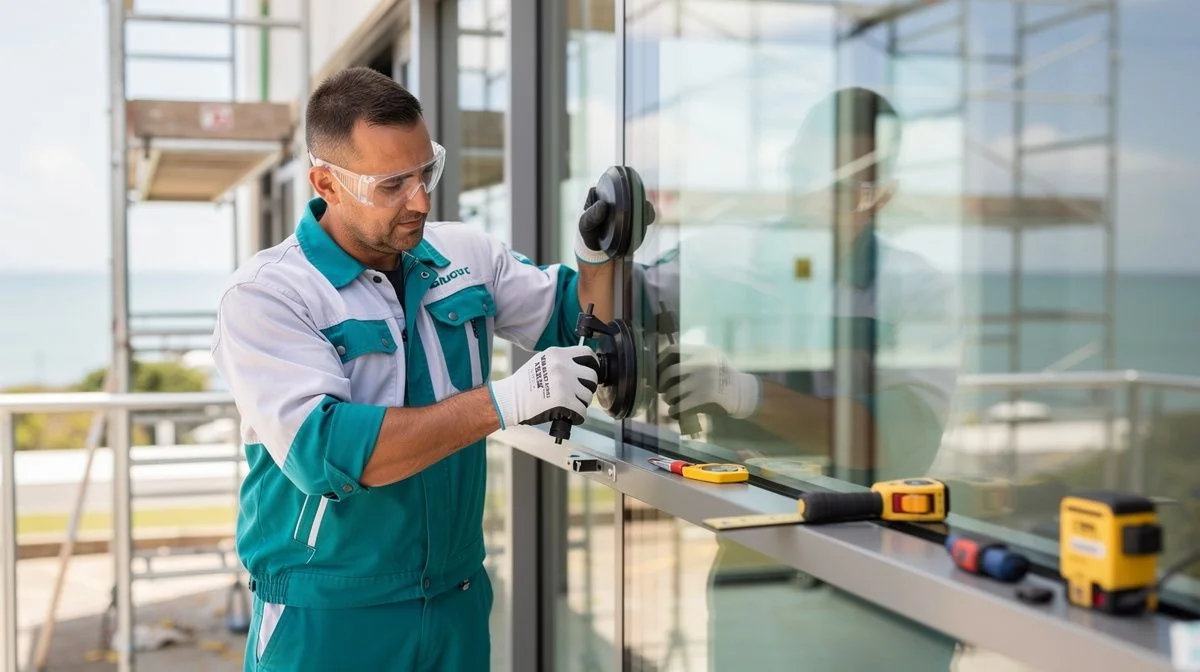
Salt Air, Strong Sun and the Windows of a Coastal City
Tauranga is the most expensive major centre in New Zealand outside Auckland, with typical property values sitting well into the seven‑figure range.
What that means for windows is less obvious than you'd think. Many homes already have decent joinery and reasonably modern glazing. Plenty of others are still running single‑glazed aluminium that has spent decades absorbing salt‑heavy coastal air. Figuring out which camp a house belongs to is the first step.
This is a coastal city with a large retirement population, strong horticulture and port‑related employment, and a climate that swings between intense sun and heavy rain. All of that influences what's actually worth doing to a window.
How We Researched This Guide
We compared published New Zealand glazing prices for retrofit double glazing and full window replacement, then looked at how those numbers change on a coastal Bay of Plenty property.
Salt exposure, frame condition and the amount of direct sun a house receives all affect both the cost and the case for the work. Where published ranges disagree, we give the range rather than pick one figure. We also checked the building code requirements for safety glass, which apply wherever you live.
Our Trusted Glaziers
We feature businesses that demonstrate strong performance, proven experience, and consistently positive customer feedback. Some of the providers listed may have commercial relationships with us, but all are selected based on quality and reliability.
To begin, reach out to them and speak with them directly — this helps you explain your job, ask questions, and confirm whether they're the right fit.
MOUNT GLASS & GLAZING was established in November 2001 with two major objectives:. The company initially began with two staff, and has now increased to five. The range of products includes splashbacks for kitchens and bathrooms, mirrors, freestanding showers and much more.
The 60-Second Version
- Retrofit double glazing into existing frames costs roughly $450–$800 per square metre, with standard retrofit commonly quoted at $600–$800.
- Full replacement with thermally broken frames runs about $800–$1,600 per square metre.
- Retrofit is typically 30–60 per cent cheaper than full replacement.
- Salt corrodes aluminium frames, hinges and seals, so a coastal retrofit is only as good as the frames it goes into.
- Good sunshine means less heating to save, so the financial payback here is weaker than in a cold inland city.
- Safety glass near doors, at low level and in wet areas is required by the building code, not optional.
What Glazing Costs in the Bay
Prices come in three forms — per square metre, per pane and per window — so establish which one you are being quoted before you compare anything.
| Work | Typical cost |
|---|---|
| Retrofit double glazing, existing frames | $450–$800 per m² |
| Standard retrofit, commonly quoted | $600–$800 per m² |
| Full replacement, thermally broken frames | $800–$1,600 per m² |
| Per pane | $350–$800 |
| Per window | $300–$1,000 |
| Aluminium retrofit, per pane | $400–$850 |
| Timber retrofit, per pane | $800–$1,200 |
| A few standard single panes replaced | $400–$1,500 |
| Whole-home re-glaze to double glazing | $12,000–$35,000 |
Indicative New Zealand glazing prices as at September 2026. Ranges exclude GST unless stated. Frame condition, the share of safety glass and installation complexity move these figures substantially — always obtain a written quote for your own property.
Why the Sunshine Weakens the Payback Case
It is worth being blunt about this. Double glazing saves energy by reducing heat loss, and heat loss only costs you money when you are paying to replace it. Tauranga's climate is mild and sunny, so the annual heating bill that better glass can trim is smaller than it would be in Dunedin or Palmerston North.
That does not make the work pointless. It changes what you are buying. You are buying warmer surfaces, less condensation on the glass, less street and surf noise, and less fading of furnishings from ultraviolet light. Those are comfort and quality-of-life benefits, and plenty of owners consider them worth paying for.
Just don't justify the job on heating savings you're unlikely to see. Ask a glazier to talk about comfort and moisture instead.
Where to Spend Your Money First
The biggest gains come from the coldest, least sunny rooms first — bedrooms and south-facing rooms — not the living areas. In a sunny coastal city, this still holds because a south-facing room receives no direct sun at any time of year.
Bedrooms
Bedrooms are unheated for long stretches and occupied for long periods, and they usually have the smallest windows in the house. Cold glass over a bed is felt directly, all night.
Shaded and Southerly Rooms
Rooms under deep eaves, on the southern side, or shaded by mature planting never receive free heat. They are the ones where new glass changes daily comfort the most.
Salt Corrosion: Where It Attacks First
Salt is the local factor that matters most, and it attacks the parts of a window you don't see.
Aluminium Frames
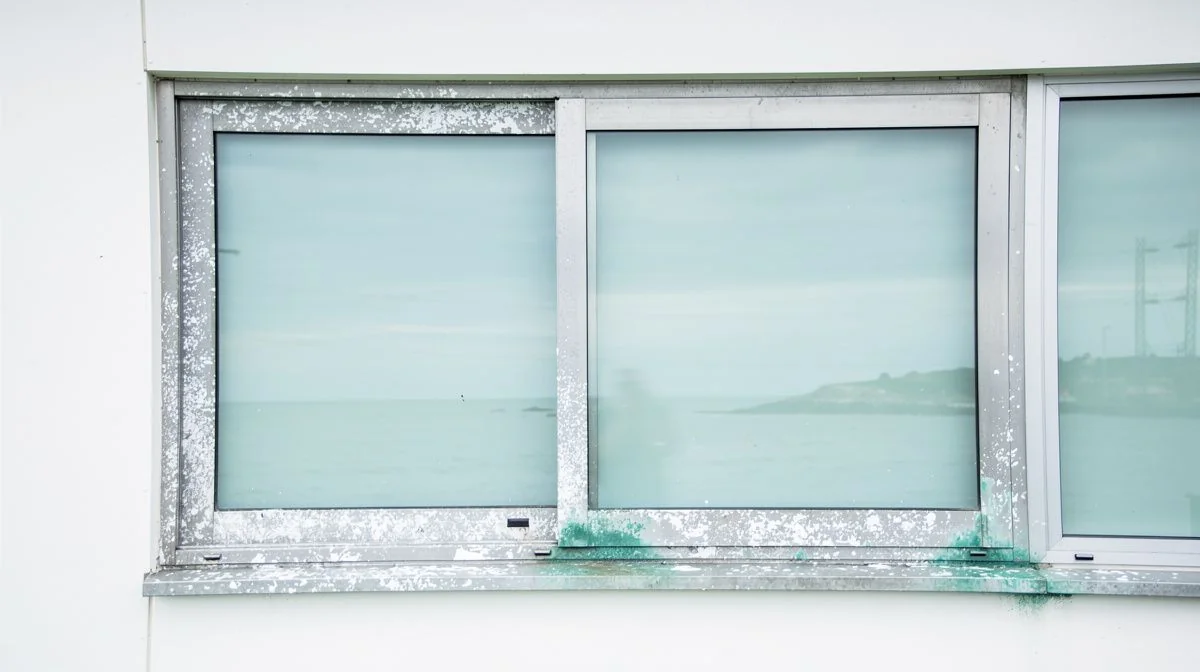
Aluminium doesn't rust like steel, but salt and moisture can still attack it. Corrosion shows as white pitting or a chalky surface, often at the sill and the base of the frame where spray and water pool. Once pitting is deep, the frame is compromised.
Hardware, Hinges and Seals
Handles, stays, hinges, and the rubber seals around a sash corrode and harden faster near the coast. A frame can look sound while the mechanism that holds it closed is failing, which is why a visual quote from the driveway is not enough.
How Far From the Sea Matters
Homes within a few hundred metres of the harbour or the open coast take far more salt than those further inland. Tell a glazier where the house sits relative to the water, because it changes the specification and the expected life of the work.
Retrofit or Full Replacement on a Coastal Home
Retrofit keeps your frames and replaces the glass, and it is typically 30–60 per cent cheaper than full replacement. On a coastal home, though, the frame is exactly what salt has been working on.
So the frame assessment decides the job. If the frames are straight, sound and free of deep corrosion, retrofit is the better value. If they are pitted, corroded at the sill, or the hardware no longer pulls them shut, new glass will not fix any of it.
The trap with a cheap retrofit is that it hides the problem. New glass in a failing frame looks excellent on the day it is installed. The draughts, the water and the movement are all still there underneath, and you have paid once already by the time the frame has to go.
A full replacement costs more, but it fixes the draught sealing, the alignment, and the frame itself, and it usually comes with a warranty covering the whole window rather than just the glass.
Two Rules That Do Not Bend
Two things apply to every glazing job, no matter what you decide to spend.
Safety Glass Is Required
Safety glass must be used in specific locations under the building code, including near doors, at low level and in wet areas. It is a legal requirement, not an upgrade. A quote that quietly leaves it out isn't comparable to one that includes it.
Condensation Is Not a Leak
Condensation sits on the room-side face of the glass, collects in the frame channel and appears when the house is warm and the air outside is cold. It is worst in the morning and clears as the day warms. A leak appears on the sill or the wall regardless of temperature, often after rain and often in one spot.
Choosing a Glazier in Tauranga
Ask what the price is based on — measured glass area, pane count or window count — and ask for the frame assessment in writing. Then ask what glass specification is proposed and why. On the coast, coating quality and sealed-unit construction matter, and a glazier who cannot explain the specification isn't the one to use.
Warning Signs
- A retrofit quote with no frame inspection. On the coast, that is the only part that really decides whether the job is worth doing.
- Safety glass treated as an optional extra. It is required near doors, at low level and in wet areas.
- No corrosion assessment. Ask specifically about pitting at the sill, and about hinges and seals.
- No written product details. Glass type, thickness, coating and gas fill should all be stated.
- No warranty on the sealed unit. Sealed units fail, and replacement should be covered.
Questions You Might Have
Does salt air shorten the life of double glazing?
It shortens the life of the frame and hardware more than the glass itself. Sealed units are protected, but hinges, stays and seals need attention sooner near the coast.
Is double glazing worth it in a warm city?
As a comfort and moisture measure, often yes. As a heating-cost saving, the case is weaker than in colder centres, because there is less heating to save.
How do I tell whether my frames need replacing?
Look for white pitting at the sill, corrosion around fixings, frames that no longer sit square, and hardware that will not pull the sash tight. A glazier should confirm it in writing.
Can I do the work in stages?
Yes, and it usually makes sense. Do the coldest and least sunny rooms first, then extend through the rest of the house as budget allows.
What Matters Most
In Tauranga, the glass is the easy part. The frames are the decision. Salt air has been working on them since the day they went in, and no glazing unit can compensate for joinery that is already losing.
Get the frames assessed in writing, be honest with yourself about the payback in a mild climate, and spend the money where the cold and the shade actually are. You can compare approaches and find local glaziers through the Glazier Trade Hub

The ValueHub Team built this site because finding clear, unbiased financial information in New Zealand was harder than it should be. Every guide is based on real research — we compare the actual fees, terms, and fine print so you don't have to. Our tip: shop around every year, read the policy docs, and never assume loyalty gets you the best deal.— The ValueHub Team
More Glaziers in Tauranga
These businesses also operate in this area.
Tauranga Glass specialise in glass repairs and custom glass, as well as glass balustrades, splashbacks, pet doors, glass showers and doors. Tauranga Glass are your One-Stop Shop for Glass Repairs and Glazing in Tauranga, Mount Maunganui, Papamoa and surrounding areas.
ExpressGlass - We are your local specialists in glass and glazing based in Tauranga, Bay of Plenty. Servicing Tauranga, Mount Maunganui, Papamoa and the Bay of Plenty region, we are dedicated to providing a prompt service and reasonable prices. All of our technicians are trade certified and Safe Site certified for your peace of mind.
Try our Calculators
Use these free tools to crunch the numbers:
KiwiSaver Fund Comparison
Compare fees, returns, and risk levels across every KiwiSaver fund — the most up to date data in New Zealand.
Currency Converter — USD to NZD
Convert US Dollars to New Zealand Dollars instantly. See the latest exchange rate and 30-day trend.
Mortgage Repayment Calculator
Calculate your weekly, fortnightly, or monthly mortgage repayments. Free NZ mortgage calculator — try different rates, terms, and repayment frequencies.
Compound Interest Calculator
See how your savings grow with compound interest over time. Free NZ compound interest calculator with yearly, monthly, and weekly compounding options.
Term Deposit Calculator
Calculate your term deposit returns before you lock in. Compare interest earned across different terms and rates with ValueHub's free calculator.
Savings Goal Calculator
Calculate how long it will take to reach your savings goal — and what monthly deposit you need to get there. Free NZ savings planner.
Glaziers in Other Cities
Latest Guides & Reviews
KiwiSaver and Tax — PIR, ESCT and What You Actually Pay
KiwiSaver is taxed twice — ESCT on your employer's contribution and your PIR on the fund's returns. How each rate is set, and the two most members never check.
reviewInvestNow KiwiSaver Scheme Review
InvestNow KiwiSaver review: 45 open funds, fund charges from 0.03 to 1.38 per cent, and net returns to 30 June 2026.
reviewKernel KiwiSaver Scheme Review
Kernel KiwiSaver review: 25 open funds, fund charges from 0.25 to 0.45 per cent, and net returns to 30 June 2026.
guideTax Debt in New Zealand — The Numbers
Official figures on New Zealand's overdue tax debt: the total, the collectable share, which customer groups hold it, and how much is repaid or written off.