Best Heat Pump Specialists in Masterton
Published 24 February 2025 · Updated 18 August 2026
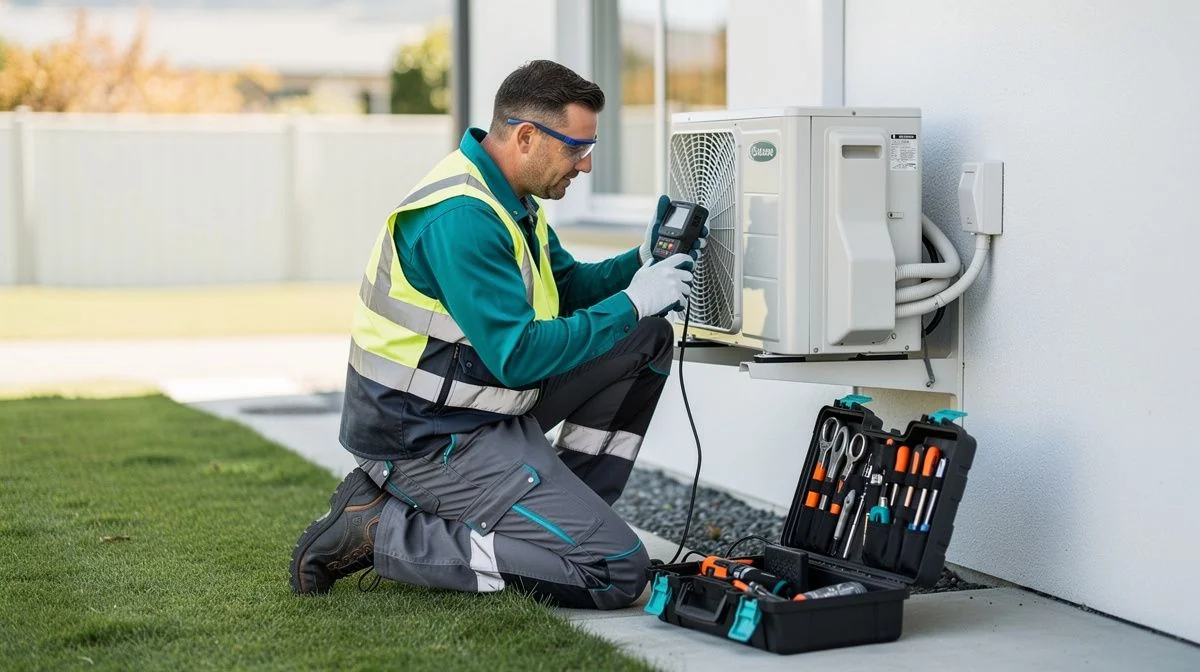
Finding Heat Pump Specialists in Masterton
Masterton’s climate can throw a bit of everything at you – chilly winter mornings, blustery spring days, and the occasional scorching summer afternoon. A good heat pump does double duty, keeping your home warm when the southerly bites and cool when the nor’wester kicks in. But finding the right specialist to install or service your unit is just as important as choosing the right model.
Whether you’re replacing an old system, fitting a new home, or adding a second unit to a tricky room, the installer you pick can make all the difference between a cosy, efficient setup and one that leaves you shivering – or with a power bill that makes your eyes water. In Masterton, you’ve got a mix of local operators and national chains. The trick is knowing what to look for so you end up with a system that’s sized, sited, and installed properly for your specific place.
What to Look for When Hiring a Heat Pump Specialist in Masterton
Not all heat pump specialists are the same. Here are the practical things to check before you commit:
Proper qualifications and licensing
In New Zealand, anyone working with refrigerants must hold an appropriate refrigerant handling licence. For electrical work, the installer should be a licensed electrical worker (or employ one). Ask to see their credentials – a reputable specialist will have no issue showing you. Check with the Masterton District Council if there are any local requirements for permits or inspections on heat pump installations; rules can vary depending on the type and location of the unit.
Experience with Masterton homes
Local knowledge counts. A specialist who regularly works in Masterton will understand the area’s housing stock – older villas with high studs, modern townhouses, rural properties with different insulation levels. They’ll also know which brands perform well in the Wairarapa’s temperature swings and how to position outdoor units to avoid wind and noise issues common in the region.
Range of brands and models
Look for a specialist who offers a few different brands, not just one. That shows they’re more interested in matching the right unit to your home than pushing a particular product. They should be able to explain the pros and cons of each option – efficiency, warranty, noise levels, and after-sales support in New Zealand.
Warranty and after-sales service
A good installer stands behind their work. Ask about the manufacturer’s warranty (typically 5–7 years for the compressor, 3–5 for parts) and what the installer offers on labour – often one to two years. Also find out who you call for service or repairs. Some specialists have their own maintenance team; others subcontract. For peace of mind, a local company that can respond quickly is a real advantage in Masterton.
Reviews and references
Online reviews can give you a sense of reliability, but don’t stop there. Ask the specialist for a couple of recent client references in Masterton. A quick chat with a previous customer can tell you about punctuality, cleanliness, and whether the system performs as promised. Also check if they’re a member of industry bodies like the Heat Pump Association of New Zealand (HPANZ) – membership signals a commitment to standards.
Key Questions to Ask Before Hiring
When you’ve shortlisted a few specialists, ring them up or meet on-site. These questions will help you compare apples with apples:
- “What size heat pump do you recommend for my room, and how did you calculate that?” A proper load calculation considers room size, ceiling height, windows, insulation, and orientation. If they give you a quick guess without measuring, be wary.
- “Where will you place the indoor and outdoor units, and why?” The wrong position can cause draughts, noise, or poor airflow. A good specialist will explain the logic behind their placement.
- “What brand and model are you proposing, and what’s the warranty on each part?” Get the model number and check the warranty terms yourself online if possible.
- “Do you handle the electrical connection and any consent paperwork?” Some installations need a building consent (for example, if you’re mounting the outdoor unit on a wall that requires structural assessment). Ask who sorts that out.
- “What’s included in the quote – everything?” Clarify if the price covers the unit, installation, electrical work, disposal of the old unit, and any additional materials like brackets or piping. Ask about GST separately.
- “Can you show me your current refrigerant handling licence and electrical licence?” A straightforward yes is the only acceptable answer.
Tips for Getting the Best Results
Once you’ve chosen a specialist, a few simple steps can help you get the most out of your heat pump installation:
- Be home during the site visit. The installer needs to see the room, check power supply, and discuss placement with you. Your input on aesthetics and noise matters.
- Think about future servicing. Ask the installer to show you where the filters are and how to clean them. Regular filter cleaning (every few months) keeps efficiency up. Some specialists offer annual maintenance plans – worth considering if you want maximum lifespan.
- Talk about the thermostat location. If the indoor unit’s sensor is in a bad spot (e.g., near a draughty window), the heat pump might cycle on and off oddly. A good installer will avoid that or offer a remote sensor option.
- Get the unit commissioned properly. After installation, the specialist should run the system, check pressures, and verify airflow. Ask for a commissioning report or at least a walk-through of settings.
- Read the user manual. Modern heat pumps have various modes (dry, fan, turbo, silent). Understanding them can save power and improve comfort. Don’t be shy – ask the installer to run through the basics with you.

The ValueHub Team built this site because finding clear, unbiased financial information in New Zealand was harder than it should be. Every guide is based on real research — we compare the actual fees, terms, and fine print so you don't have to. Our tip: shop around every year, read the policy docs, and never assume loyalty gets you the best deal.— The ValueHub Team
Try our Calculators
Use these free tools to crunch the numbers:
KiwiSaver Fund Comparison
Compare fees, returns, and risk levels across every KiwiSaver fund from all 31 NZ providers.
Currency Converter — USD to NZD
Convert US Dollars to New Zealand Dollars instantly. See the latest exchange rate and 30-day trend.
Mortgage Repayment Calculator
Calculate your weekly, fortnightly, or monthly mortgage repayments. Free NZ mortgage calculator — try different rates, terms, and repayment frequencies.
Compound Interest Calculator
See how your savings grow with compound interest over time. Free NZ compound interest calculator with yearly, monthly, and weekly compounding options.
Term Deposit Calculator
Calculate your term deposit returns before you lock in. Compare interest earned across different terms and rates with ValueHub's free calculator.
Savings Goal Calculator
Calculate how long it will take to reach your savings goal — and what monthly deposit you need to get there. Free NZ savings planner.
Heat Pump Specialists in Other Cities
Latest Guides & Reviews
New Zealand Financial Markets Authority Guide: Investor Protection in NZ
Protect your investments with this practical guide to the FMA — how to check licences, spot scams, and what to do if a provider fails. Verified against...
comparisonEV Home Charger NZ: Costs & Buying Guide
Compare EV home charger costs in NZ — verified prices from $1,299, installation fees, smart features, and what actually matters for your home's power supply.
guideThe Most Popular EVs in New Zealand
The best-selling electric cars in New Zealand, ranked by official registration data. Top BEV and PHEV models and brands, updated monthly.
guideEV Market Stats
New Zealand's EV market in numbers — market share, fleet size, top-selling models and used imports, updated with the latest NZTA and MIA data.