Best Heat Pump Specialists in Paraparaumu
Published 24 February 2025 · Updated 18 August 2026
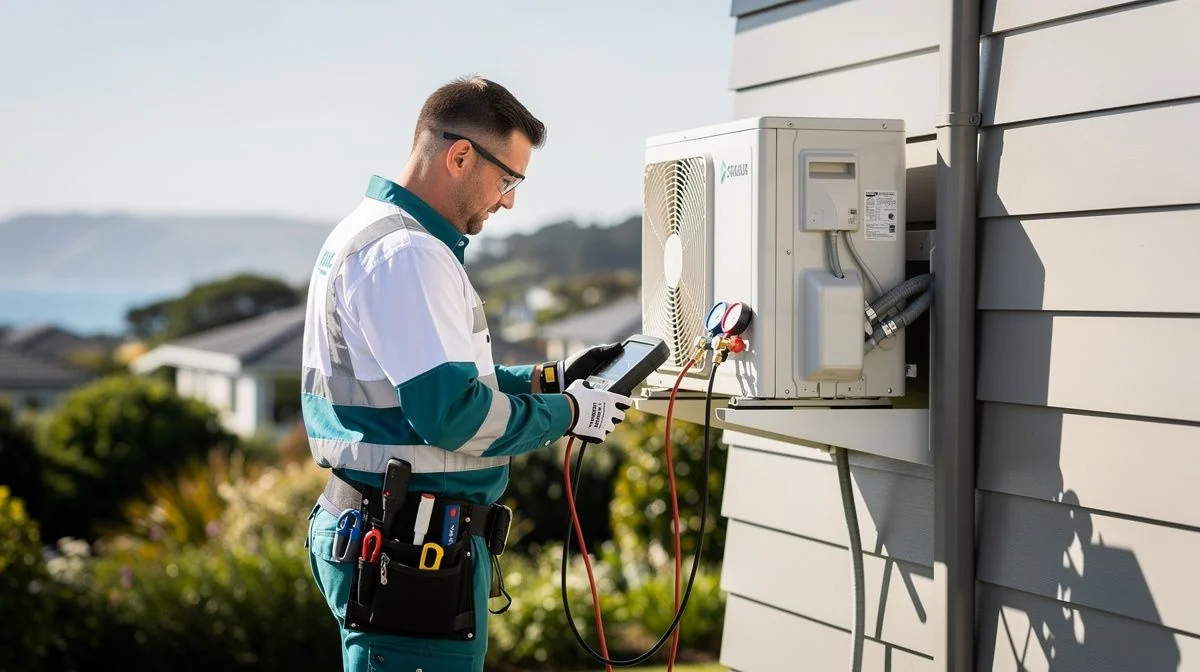
Finding the Best Heat Pump Specialists in Paraparaumu
Paraparaumu’s coastal climate means you get cool southerlies in winter and warm nor’westers in summer. A well-chosen heat pump keeps your home comfortable all year round. But finding the right specialist to install it is just as important as picking the right model.
With dozens of contractors advertising online, it can be tough to separate the top-tier tradespeople from those who might cut corners. Whether you’re replacing an older system or starting from scratch, this guide will help you choose a heat pump specialist in Paraparaumu you can trust.
What to Look for When Hiring a Heat Pump Specialist in Paraparaumu
Not all heat pump installers are equal. Here are the key factors to check before you book anyone.
Proper Licensing and Certification
In New Zealand, anyone handling refrigerants or carrying out electrical work must hold the appropriate licences. Your heat pump specialist should have a current Electrical Service Technician (EST) licence or a Registered Electrician who can sign off the installation. Check with the Electrical Workers Registration Board if you’re unsure. For the gas side of things, look for a Refrigerant Handling Licence issued by the Environmental Protection Authority.
Local Experience
A specialist who knows Paraparaumu understands the local housing stock — older villas with high ceilings versus newer townhouses with poor insulation. They’ll also be familiar with coastal conditions: salt-laden air can shorten the life of outdoor units if not properly protected. Ask how long they’ve worked in the Kāpiti region.
Warranty and After-Sales Support
Every credible installer will offer a minimum warranty on both the equipment (often 5 years) and the installation work (usually 1–2 years). Get any promises in writing. A specialist who stands behind their work is less likely to rush through the job.
Insurance
Make sure the company carries public liability insurance and, if they’re a sole trader, personal accident cover. This protects you if something goes wrong during the installation — for example, if a ladder damages your roof or guttering.
Online Reviews and References
Check Google Reviews, Trade Me Services, and the company’s Facebook page. Look for recent reviews that mention punctuality, cleanliness, and how well the system performs after installation. A reliable specialist will be happy to provide references from recent Paraparaumu clients.
Key Questions to Ask Before Hiring
When you’ve shortlisted two or three companies, ring them up or meet them on-site with these questions ready.
- What make and model do you recommend for my home? A good specialist should explain why a particular brand suits your layout, insulation, and sun exposure — not just push whatever they have in stock.
- Do you do a heat load calculation? This isn’t a guessing game. The installer should measure your room dimensions, window area, insulation levels, and ceiling heights to calculate the correct kilowatt capacity. Without it, you could end up with a unit that’s too small (never gets warm) or too big (short-cycles and wastes power).
- Will you provide a fixed written quote? Avoid verbal estimates. A detailed quote should list the unit model, labour, any electrical work, brackets, and disposal of the old unit. Ask if the price is locked in and valid for 30 days.
- How long will the installation take, and what time will you arrive? Heat pump installs typically take half a day to a full day. A professional company should give you a window of 2–3 hours and call if they’re running late.
- Do you handle the council consent if needed? Most heat pump installations don’t require building consent unless you’re mounting the outdoor unit on a high wall or balcony. But if your property is in a special flood plain or near a boundary, your installer should know whether consent is needed and help with the paperwork.
- What happens if something goes wrong after installation? Ask about their call-out policy, response time, and whether they have a technician based on the Kāpiti Coast or only in Wellington.
Tips for Getting the Best Results
Your heat pump will only perform as well as the installation and your home’s insulation. Here’s how to maximise the outcome.
Prepare Your Home First
Before the installer arrives, make sure the area around the planned indoor and outdoor units is clear. Move furniture, trim back branches, and ensure there’s easy access to the ceiling cavity if they need to run lines. A clear workspace saves time — and time is money.
Think About Placement Carefully
The indoor unit should be on a wall that allows airflow to reach the main living spaces. Avoid placing it behind a sofa or curtains. The outdoor unit needs to be on a level, stable surface — concrete pads are ideal — and at least 30 centimetres from the wall to allow airflow. If you’re in a seaside suburb like Raumati or Otaihanga, ask about a salt-proof coating or a stand that lifts the unit above salt spray.
Consider Zoning
If you’re heating multiple rooms, a multi-split system or a ducted heat pump might be better than several wall-mounted units. A good specialist will walk you through the options and explain the cost differences, so you can decide what fits your budget and lifestyle.
Ask About Smart Controls
Many modern heat pumps come with Wi-Fi controllers or are compatible with third-party smart home systems. Being able to adjust the temperature from your phone, especially during the Wellington winter, can save both power and stress. Check if your installer offers and supports these features.
Don’t Skimp on Maintenance
Even the best heat pump needs a clean filter every month (you can do this yourself) and a professional service every 12 months. Ask your installer if they offer a service plan. Regular maintenance keeps efficiency up and avoids breakdowns in the middle of a cold snap.
A Note About Costs and Getting Quotes
Heat pump prices in Paraparaumu vary depending on the unit size, brand, and installation complexity. As a rough guide, expect to pay:
- Single wall-mounted unit (2.5–3.5 kW): $1,500–$2,500 installed
- Mid-range unit (4.0–6.0 kW): $2,500–$4,000 installed
- Larger unit (7.0 kW or more): $4,000–$6,000+ installed
- Multi-split or ducted systems: $6,000–$15,000+ depending on the number of rooms
These figures include the unit, labour, and basic electrical work. They don’t cover extra items like upgrading your switchboard, installing new wiring, or structural repairs. Always get at least three written quotes from different specialists. Compare not just the total price but also the unit specifications, warranty length, and what’s excluded.
Remember that the cheapest quote isn’t always the best value. A rock-bottom price might mean an undersized unit, second-hand equipment, or a rushed job that voids your warranty. On the other hand, a very high quote doesn’t guarantee top quality — ask for a breakdown if something seems steep.
Once you’ve chosen your installer, confirm the payment schedule. Most reputable companies ask for a deposit (often 20–30%) and the balance on completion. Never pay the full amount upfront. And if you’re financing through a lender or using a government subsidy (like the Warmer Kiwi Homes programme), make sure the specialist is approved for that scheme before you sign anything.
Taking the time to vet your heat pump specialist now will save you headaches — and cold nights — later. Paraparaumu deserves warmth that works, and a trusted local expert is the

The ValueHub Team built this site because finding clear, unbiased financial information in New Zealand was harder than it should be. Every guide is based on real research — we compare the actual fees, terms, and fine print so you don't have to. Our tip: shop around every year, read the policy docs, and never assume loyalty gets you the best deal.— The ValueHub Team
Try our Calculators
Use these free tools to crunch the numbers:
KiwiSaver Fund Comparison
Compare fees, returns, and risk levels across every KiwiSaver fund from all 31 NZ providers.
Currency Converter — USD to NZD
Convert US Dollars to New Zealand Dollars instantly. See the latest exchange rate and 30-day trend.
Mortgage Repayment Calculator
Calculate your weekly, fortnightly, or monthly mortgage repayments. Free NZ mortgage calculator — try different rates, terms, and repayment frequencies.
Compound Interest Calculator
See how your savings grow with compound interest over time. Free NZ compound interest calculator with yearly, monthly, and weekly compounding options.
Term Deposit Calculator
Calculate your term deposit returns before you lock in. Compare interest earned across different terms and rates with ValueHub's free calculator.
Savings Goal Calculator
Calculate how long it will take to reach your savings goal — and what monthly deposit you need to get there. Free NZ savings planner.
Heat Pump Specialists in Other Cities
Latest Guides & Reviews
New Zealand Financial Markets Authority Guide: Investor Protection in NZ
Protect your investments with this practical guide to the FMA — how to check licences, spot scams, and what to do if a provider fails. Verified against...
comparisonEV Home Charger NZ: Costs & Buying Guide
Compare EV home charger costs in NZ — verified prices from $1,299, installation fees, smart features, and what actually matters for your home's power supply.
guideThe Most Popular EVs in New Zealand
The best-selling electric cars in New Zealand, ranked by official registration data. Top BEV and PHEV models and brands, updated monthly.
guideEV Market Stats
New Zealand's EV market in numbers — market share, fleet size, top-selling models and used imports, updated with the latest NZTA and MIA data.